Kidepo Valley National Park Safaris
Untamed wilderness, sweeping golden plains, and rare wildlife at Uganda’s wild frontier.
Best Time To Go
September to March (dry season)
High Season
July to September
Size
Approx 1,442 square kilometres
Altitude
914–2,750 metres
above sea level
Kidepo Valley National Park Safari Holidays
Where Savannah Meets Mountains and Silence Roars
Kidepo Valley National Park is Uganda’s most remote and dramatic safari destination — a wild frontier where endless savannahs stretch to rugged mountains and rare wildlife thrives far from the crowds. This is the safari lover’s park: raw, authentic, and unforgettable.
If you’re seeking an off-the-beaten-path adventure with spectacular scenery and some of Africa’s most unique wildlife, Kidepo is where your story begins.
Why Visit Kidepo Valley National Park?
Set in Uganda’s far north, bordering South Sudan and Kenya, Kidepo Valley is a park of astonishing contrasts. Its landscapes range from golden grasslands to rocky ridges, from river valleys lined with acacia to dramatic mountain escarpments. Remote and untouched, the park has earned a reputation as one of Africa’s last true wildernesses.
Kidepo’s location makes it unlike any other Ugandan park. Its ecosystems share affinities with both East African savannah and arid Sahel landscapes, creating a unique mix of species rarely seen elsewhere in the country. The Narus Valley, with its permanent water sources, is the heart of wildlife activity, while the Kidepo Valley offers wide horizons and solitude.
The park’s isolation means far fewer visitors compared to Uganda’s more accessible destinations. Game drives feel personal, often with no other vehicles in sight, creating a sense of exclusivity that’s increasingly rare in African safaris. For photographers, the combination of raw landscapes, changing light, and diverse wildlife is nothing short of spectacular.
Kidepo also offers cultural depth. The Karamojong and Ik people, who live near the park, bring a fascinating cultural element to any visit. Their pastoral traditions, vibrant dress, and resilience in this rugged landscape offer visitors an authentic glimpse of life at Uganda’s edge.
Wildlife and Nature
Kidepo’s wilderness is alive with raw beauty. Imagine driving through golden savannahs framed by the jagged Morungole Mountains, the air filled with the cry of fish eagles and the scent of dry grasses carried on a hot breeze. In the valleys, acacias cast long shadows, while herds of antelope move gracefully across the plains.
The park is home to over 77 mammal species, many of which are found nowhere else in Uganda. Lions are famously seen lounging on rocky outcrops in the Narus Valley, while cheetahs — a rarity in Uganda — sprint across open grasslands. Other highlights include bat-eared foxes, striped hyenas, aardwolves, and packs of elusive wild dogs. The park is also the only place in Uganda where you can encounter greater and lesser kudu, roan antelope, and oryx.
Elephants, buffalo herds, and giraffes roam the valleys, while predators like leopards and jackals stalk their prey under the cover of night. For bird enthusiasts, Kidepo is a paradise with over 475 bird species, including ostriches, kori bustards, and the colourful carmine bee-eater.
Seasonal highlights bring further variety. During the dry months, wildlife congregates around the Narus River, offering exceptional game-viewing opportunities. In the green season, the landscape transforms into a lush carpet, wildflowers bloom, and migratory birds arrive, adding colour and movement to the skies.
Conservation efforts are steadily strengthening in Kidepo, with Uganda Wildlife Authority and community-based projects working to preserve this delicate ecosystem. For travellers, every game drive here feels like a privilege — the chance to witness rare species in dramatic settings where wilderness still rules.
Best Time to Visit Kidepo Valley
The dry season (September–March) is the best time to visit Kidepo. During these months, vegetation thins, water sources shrink, and wildlife gathers in the Narus Valley.
Lions are easier to spot, herds of elephants and buffalo cluster near rivers, and cheetahs can be seen hunting on the plains.
Clear skies make for excellent photography, especially at sunrise and sunset when the light paints the savannah in gold and crimson.
The green season (April–August) brings heavy rains, turning the landscape lush and vibrant. This is an incredible time for birdwatchers, with migratory species flocking to the park and resident birds showing off breeding plumage.
While some roads may be muddy, the scenery is breathtaking, and the sense of solitude even stronger as fewer visitors venture here.
For photographers, early mornings and late afternoons year-round provide the most dramatic lighting, with the mountains creating striking silhouettes. Wildlife is often most active at dawn and dusk, rewarding those willing to rise early.
Practical note: Kidepo’s remoteness means it requires more planning than other Ugandan parks. Road access can be challenging in the wet season, but charter flights are available year-round.
The reward for the journey is an uncrowded safari that feels adventurous, authentic, and completely your own.
Safari Experiences in Kidepo Valley
Kidepo’s safari experiences are as wild and untamed as its landscapes. With few visitors and vast open spaces, every adventure here feels deeply personal — a journey into the heart of Africa’s raw beauty.
- Lions on the Rocks: The sight of lions basking on the granite outcrops of the Narus Valley is iconic to Kidepo. Watching them scan the plains from their elevated perch is a photographic moment you won’t find in most other parks.
- Cheetah Country: Kidepo is Uganda’s only park where cheetahs thrive. Spotting one racing across the savannah or resting beneath a thorn tree is a rare privilege — and one that sets this park apart.
- The Narus Valley Game Drive: This fertile valley is the beating heart of Kidepo. Permanent water sources attract elephants, buffalo, zebras, and predators, making it the park’s prime game-viewing location. In the dry season, the density of wildlife here is extraordinary.
- Kidepo Valley and Kanangorok Hot Springs: Exploring the park’s namesake valley offers sweeping vistas and the surreal beauty of the Kanangorok Hot Springs. Here, landscapes are vast and empty, creating a sense of true wilderness and solitude.
- Cultural Encounters with the Karamojong and Ik: Meeting the Karamojong herders or trekking to the Ik people on Mount Morungole adds cultural richness to your safari. Their traditions, dances, and stories bring the human element of this wild region to life.
- Birdwatching Paradise: From giant ostriches striding across the plains to dazzling bee-eaters perched on riverbanks, Kidepo’s birdlife is as varied as its terrain. Dedicated birding excursions reveal a treasure trove of species in every season.
- Night Under the Stars: Some lodges offer outdoor bush dining or campfire evenings where the star-studded skies stretch endlessly above. The silence, punctuated only by the distant roar of a lion, is a memory that lingers long after the trip ends.
Where to Stay in Kidepo Valley National Park
Kidepo Valley National Park offers a range of accommodation to suit different preferences and budgets, all set within or just outside the park boundaries. Options include:
- Eco-luxury lodges: Enjoy sweeping savannah views from your private deck, infinity pools that reflect the sky, and the comfort of modern luxury in the wilderness. These lodges combine sustainability with sophistication, offering the ultimate retreat.
- Tented camps: Classic safari living awaits with tented camps that immerse you in the wild. Canvas walls let you fall asleep to the calls of jackals and awaken to the sound of birdsong, while modern amenities ensure comfort.
- Boutique bush retreats: Smaller, character-rich stays offer intimacy and authenticity. Run with personal warmth, these retreats focus on eco-friendly practices and often occupy scenic ridges or secluded valleys.
At Awake in the Wild, we work only with lodges and camps that meet our ethical and sustainability standards. Whether you’re looking for solar-powered luxury or a simple campfire safari experience, we’ll match you to the perfect base. If you don’t see the exact lodge or camp you’re looking for, just let us know — we’re able to arrange a variety of stays to suit different tastes, travel styles, and budgets.
A Selection of our Kidepo Safari Accommodation
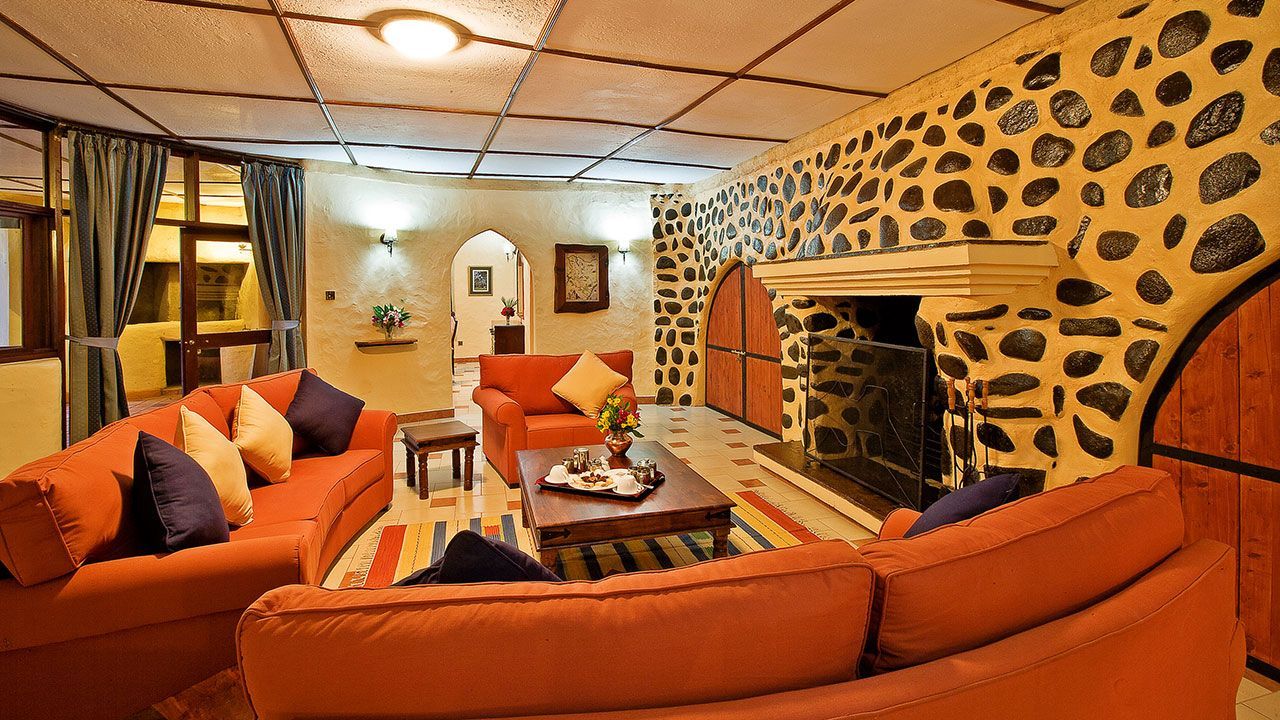
Amboseli Sopa Lodge
Just outside Amboseli National Park
Set in 200 acres of private land, and with a rustic charm all of its own, the Amboseli Sopa Lodge nestles in the foothills of Mount Kilimanjaro
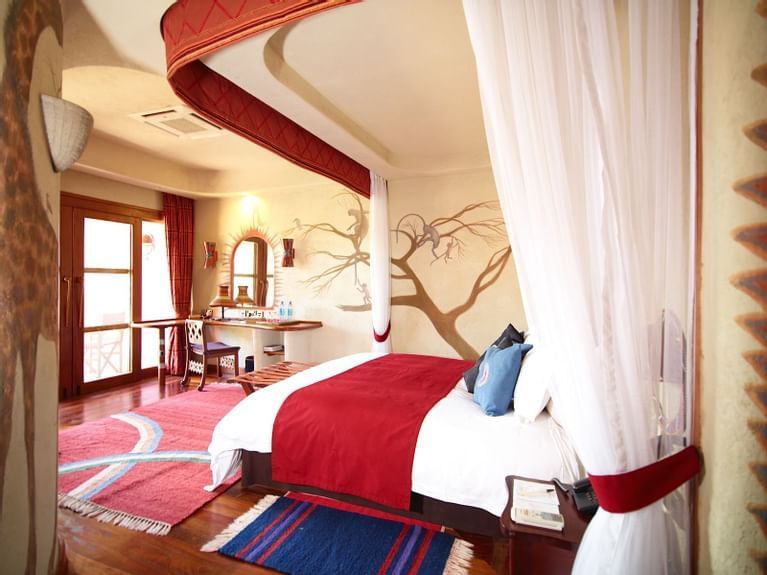
Amboseli Serena Safari Lodge
Amboseli National Park
The Amboseli Serena Safari Lodge is located within the Amboseli National Park and has great views over the plains towards Mount Kilimanjaro.
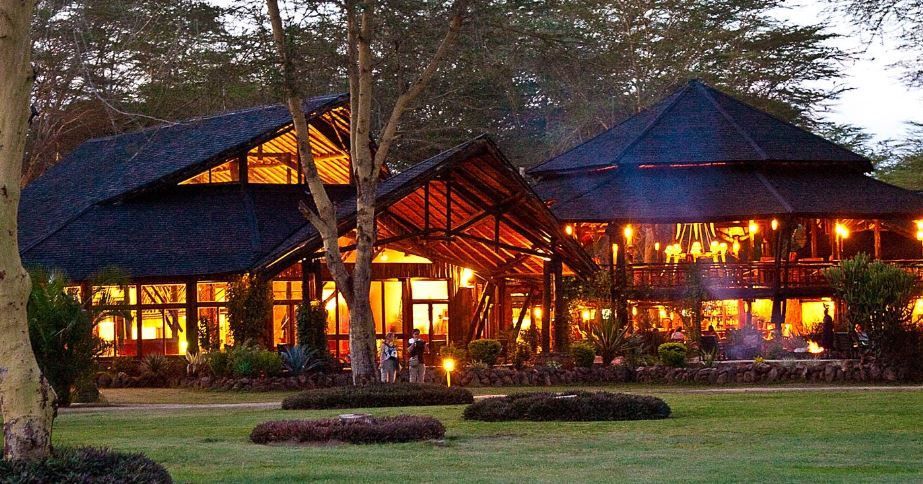
Ol Tukai Lodge
Amboseli National Park
Ol Tukai Lodges features 80 luxury chalet-style twin rooms, all with an uninterrupted view of the wetlands or the magnificent Mt. Kilimanjaro.
We have access to a wide range of handpicked accommodation options — from rustic eco-camps and authentic bush lodges to stylish tented retreats with breathtaking views. If you don’t see the exact lodge or camp you’re looking for, just let us know — we can arrange a variety of stays to suit different tastes, travel styles, and budgets.
Average Weather and Climate in Kidepo Valley National Park
Kidepo has a semi-arid climate, making it one of Uganda’s driest regions. The dry season (September–March) is hot and sunny, with daytime temperatures often reaching 29–34°C. The heat intensifies in February and March, but game-viewing conditions are at their best.
The wet season (April–August) brings cooler temperatures and refreshing rains that transform the park into a lush green haven. While roads can be muddy, the scenery is spectacular, and birdlife flourishes.
Short rains fall in April and May, while longer, heavier rains occur in July and August. During this time, some remote tracks may be difficult to navigate, but charter flights ensure the park remains accessible.
Weather here shapes the safari experience: dry season for concentrated wildlife sightings, wet season for dramatic landscapes and vibrant birding. Either way, Kidepo offers a safari atmosphere that feels raw, untamed, and real.
Combine with Other Destinations
Kidepo pairs well with Uganda’s other northern and western highlights. From here, you can journey to Murchison Falls National Park, where the Nile thunders through a narrow gorge before spreading into hippo-filled pools and savannah plains.
Further west, Queen Elizabeth National Park offers boat safaris, tree-climbing lions, and the Kazinga Channel teeming with wildlife. For primate lovers, linking Kidepo with Kibale Forest or Bwindi Impenetrable National Park creates a diverse itinerary blending savannah, forest, and mountains.
Kidepo’s remote setting also makes it a thrilling finale to a Ugandan safari, or an adventurous starting point for overland journeys into Kenya’s Turkana region. Talk to us about creating a custom itinerary that connects Kidepo’s wild frontier with Uganda’s other unforgettable safari destinations.
Travelling from the UK to Kidepo Valley
Flights from the UK arrive into Entebbe International Airport, near Kampala.
From here, travellers can take a domestic flight to Kidepo’s airstrip (about 2 hours) or embark on a scenic 10–12 hour road journey through Uganda’s dramatic countryside.
Awake in the Wild arranges all flights, transfers, and logistics, ensuring your journey is seamless from start to finish.
Discover the Wild, Your Way: Tailor Your Kidepo Safari with Us
Kidepo Valley National Park is a safari destination like no other — a land of lions on the rocks, cheetahs racing the wind, and vast plains framed by rugged mountains. Remote, wild, and soul-stirring, it offers a rare chance to experience Africa in its rawest form.
Talk to us about the experiences you’ve always dreamed of. We’ll match you with handpicked lodges, expert local guides, and authentic adventures that bring Kidepo Valley National Park to life.
Speak to one of our safari specialists today — call us or fill out our quick enquiry form, and let’s start planning your tailor-made adventure.
Send an Enquiry
We will get back to you as soon as possible.
Please try again later.
Frequently Asked Questions
What is the best time to visit Kidepo Valley National Park?
The best time is during the dry season (September–March), when vegetation is sparse and wildlife congregates around water sources. Game drives are easier, and sightings of lions, cheetahs, and elephants are excellent. The wet season (April–August) brings lush scenery and superb birding but can make some roads harder to access.
Is Kidepo suitable for first-time safari travellers?
Yes — while its remoteness appeals to seasoned safari-goers, Kidepo is also ideal for adventurous first-timers. Its wide valleys, high wildlife density, and uncrowded feel provide an unforgettable introduction to Africa’s wilderness.
What wildlife can I expect to see in Kidepo?
Kidepo is home to 77 mammal species, including lions, cheetahs, leopards, elephants, giraffes, and buffalo. It is the only place in Uganda to see species such as roan antelope, kudu, and ostriches. With over 475 bird species, it’s also a top destination for birdwatchers.
How easy is it to reach Kidepo?
Kidepo is remote, but accessible. You can fly into Entebbe from the UK, then take a domestic flight (2 hours) to the park’s airstrip. Alternatively, it’s a scenic 10–12 hour road journey through Uganda’s countryside. Awake in the Wild arranges all logistics.
Can Kidepo be combined with other Ugandan parks?
Absolutely. Popular combinations include Murchison Falls National Park, Queen Elizabeth National Park, and Bwindi Impenetrable Forest for gorilla trekking. These create diverse itineraries blending savannah, river, and rainforest.
Is Kidepo a family-friendly safari destination?
Yes — children love the wide-open landscapes and abundant wildlife. However, some lodges have age restrictions for game drives, and younger children may find the long journey challenging. Families should plan with our specialists for the best-fit lodges and activities.
How safe is it to visit Kidepo Valley National Park?
Very safe. Uganda Wildlife Authority rangers protect the park, and guided safaris follow strict safety protocols. The remoteness ensures fewer crowds, and visitors are always accompanied by professional guides.
What accommodation options are available in Kidepo?
You’ll find a mix of eco-luxury lodges, classic tented camps, and intimate bush retreats. Each offers a different atmosphere — from sophisticated comfort to under-the-stars adventure. Awake in the Wild works only with sustainable, handpicked properties.
What makes Kidepo different from other Ugandan parks?
Kidepo’s remoteness, dramatic landscapes, and unique species set it apart. It is the only Ugandan park with cheetahs, ostriches, and roan antelope, and its savannah-meets-mountain scenery is breathtaking. Unlike busier parks, game drives here often feel private and exclusive.
Do UK travellers need a visa to visit Kidepo?
Yes. UK visitors require a Ugandan tourist visa, easily applied for online before travel. Passports must be valid for at least six months after entry. Awake in the Wild provides up-to-date visa and travel advice as part of your booking.