Kirindy Forest Safaris
Whispering dry forests, prowling fossas, and Madagascar’s rare nocturnal wildlife revealed by torchlight.
Best Time To Go
May – October (dry season; best wildlife viewing)
High Season
July – September
Size
Approx 100 square kilometres
Altitude
30 – 200 metres
above sea level
Kirindy Forest Safari Holidays
Where Predators Stalk the Night
Kirindy Forest is one of Madagascar’s most extraordinary reserves — a dry deciduous forest where rare nocturnal creatures thrive and Madagascar’s top predator, the fossa, reigns. Just a short distance from the Avenue of the Baobabs, this unique wilderness is the best place on Earth to witness the island’s more secretive species.
A safari here is raw, rare, and unforgettable.
Why Visit Kirindy Forest?
Located around 50 kilometres north of Morondava on Madagascar’s west coast, Kirindy is a protected dry forest that feels a world away from the lush rainforests of the east. Its stark landscapes of tall, bare trees and sandy ground are alive with creatures adapted to this unique ecosystem.
The forest is particularly famous as the best place to see the elusive fossa, Madagascar’s largest predator. Often compared to a small cougar, the fossa is both graceful and powerful, and sightings here are more reliable than anywhere else.
But Kirindy is not just about predators. This is also the kingdom of nocturnal lemurs — mouse lemurs, giant jumping rats, and sportive lemurs that emerge under cover of darkness. Chameleons, owls, and geckos also make the forest shimmer with life when the sun sets.
Unlike larger national parks, Kirindy offers a more intimate, immersive experience. Guided walks — both day and night — reveal animals at close quarters, and the atmosphere is raw and untamed. It’s a destination for travellers seeking a wilder, less-polished side of Madagascar, where every rustle in the leaves could be something remarkable.
Wildlife and Nature
By day, Kirindy seems quiet — its dry forest echoing with bird calls and the occasional rustle of lemurs. Tall deciduous trees shed their leaves in the dry season, creating an open, airy forest where light filters through in golden beams. The smell of dry earth and warm bark fills the air.
As the sun sets, the forest awakens. Mouse lemurs — the smallest primates in the world — dart between branches, their eyes glowing in torchlight. The larger giant jumping rat hops along the ground, and sportive lemurs peer out from tree hollows. Predators like the fossa prowl silently, especially during the breeding season from October to December, when their courtship behaviours can sometimes be observed.
Kirindy is also home to seven species of lemur, including red-fronted brown lemurs and Verreaux’s sifaka, famous for their “dancing” sideways hops across the forest floor. Birdlife is varied, with species such as the Madagascar fish eagle, crested coua, and white-breasted mesite recorded here. Reptiles are abundant too — chameleons, plated lizards, and snakes weave through the forest undergrowth.
Conservation is crucial here. Kirindy is managed as a research site by the German Primate Centre, which studies lemur behaviour and ecology. By visiting, travellers support both research and conservation, ensuring this fragile forest remains protected from logging and slash-and-burn farming.
What makes Kirindy so special is its emphasis on the nocturnal world. Unlike most safari destinations where wildlife activity peaks in the day, here the magic happens after dark. To walk the trails by torchlight, surrounded by sounds and glowing eyes, is an experience that exists only in Kirindy.
Best Time to Visit Kirindy Forest
Kirindy’s climate is defined by a distinct dry and wet season, each shaping the experience differently.
Dry Season (May – October): This is the best time to visit. With little rainfall, wildlife is easier to spot as animals concentrate around scarce water sources. Trails are dry and accessible, and sightings of fossas and lemurs are more reliable. Temperatures range from 20–30°C, with cooler nights that are ideal for night walks.
Wet Season (November – April): Heavy rains bring the forest to life. The landscape turns lush and green, and amphibians and reptiles emerge in greater numbers. This is also the time when baobabs in the surrounding area flower. However, access can be more difficult due to muddy roads, and some trails may close.
Seasonal Highlights: October to December is particularly exciting, as it coincides with the fossa’s breeding season. This offers rare opportunities to observe mating behaviour, as well as increased predator activity. Night walks are productive year-round but reveal different species depending on the season.
Photography Tips: Sunset and dusk are ideal for capturing the forest’s atmosphere, with glowing skies and dramatic silhouettes of baobabs nearby. Night photography with a tripod can capture lemurs and fossas illuminated by torchlight. The dry season provides clearer air for sharper shots, while the wet season creates moody, dramatic scenes.
Practical Notes: Dry-season travel is easier, but those venturing in the wet season will enjoy quieter trails and more amphibian life. Sturdy shoes, insect repellent, and lightweight rain gear are essentials no matter when you visit.
Safari Experiences in Kirindy Forest
Kirindy is not about vast landscapes but intimate encounters. Its safari experiences are centred on walking, torchlight, and close wildlife observation — unique to this pocket of Madagascar.
- Nocturnal Wildlife Walks: The highlight of any visit, these guided night walks reveal mouse lemurs, sportive lemurs, giant jumping rats, and chameleons. The forest comes alive with sounds and glowing eyes, offering one of Madagascar’s most thrilling safari experiences.
- Fossa Tracking: Kirindy is the best place in Madagascar to see the elusive fossa. With patience and luck — especially during the October–December breeding season — you may witness them hunting or courting, a rare privilege in the wild.
- Daytime Lemur Encounters: While many species are nocturnal, the daylight hours also offer rewards. Red-fronted brown lemurs forage in the canopy, while Verreaux’s sifakas often delight visitors with their unique sideways “dances” across the open ground.
- Birding in the Dry Forest: Kirindy’s birdlife is diverse and rewarding. From the vibrant crested coua to the endemic white-breasted mesite, birdwatchers will find much to admire. The open forest makes sightings easier than in dense rainforests.
- Community Encounters: Nearby Sakalava communities are closely connected to the forest. Guided cultural visits allow travellers to learn about traditional beliefs, medicinal plant use, and the sacred role of fossas and baobabs in local folklore.
- Baobab & Forest Combination Tours: Kirindy is just an hour from the Avenue of the Baobabs. Many visitors combine a day of baobab sunsets with an evening of nocturnal walks, capturing two of Madagascar’s most iconic experiences in one journey.
Where to Stay in Kirindy Forest
Kirindy Forest offers a wide range of accommodation options to suit different preferences and budgets, all set within or just outside the park boundaries. These typically include:
- Eco-Luxury Lodges: Located near Morondava, these lodges combine stylish rooms with eco-conscious design. Expect solar power, fresh Malagasy cuisine, and the comfort of private verandas after adventurous forest walks.
- Tented Camps: For those wanting immersion, tented camps offer rustic charm with the romance of sleeping close to the forest. Basic yet comfortable, they provide campfire dining and the sounds of nocturnal wildlife all around.
- Boutique Forest Retreats: Small, family-run guesthouses provide a warm Malagasy welcome. Often built with local materials, they offer authenticity, intimacy, and a sense of being part of the local community.
At Awake in the Wild, we work only with lodges and camps that meet our ethical and sustainability standards. Whether you’re looking for solar-powered luxury or a simple campfire safari experience, we’ll match you to the perfect base. If you don’t see the exact lodge or camp you’re looking for, just let us know — we’re able to arrange a variety of stays to suit different tastes, travel styles, and budgets.
A Selection of our Kirindy Forest Safari Accommodation
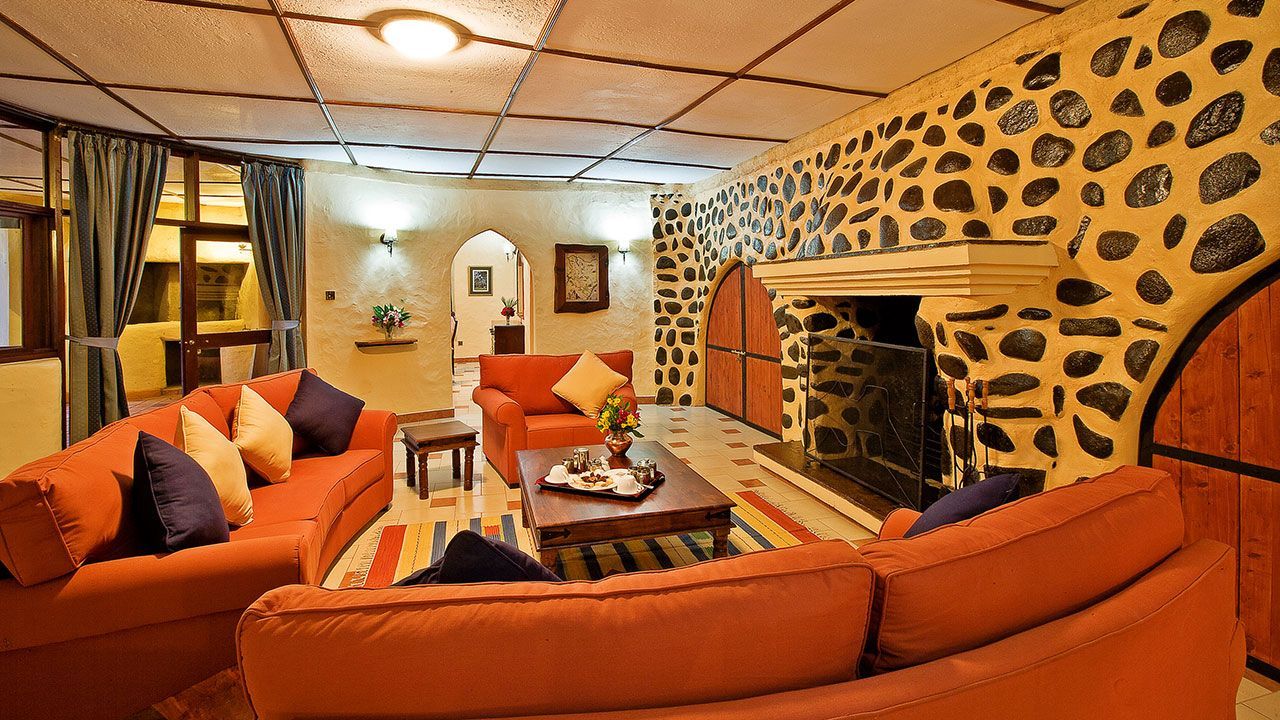
Amboseli Sopa Lodge
Just outside Amboseli National Park
Set in 200 acres of private land, and with a rustic charm all of its own, the Amboseli Sopa Lodge nestles in the foothills of Mount Kilimanjaro
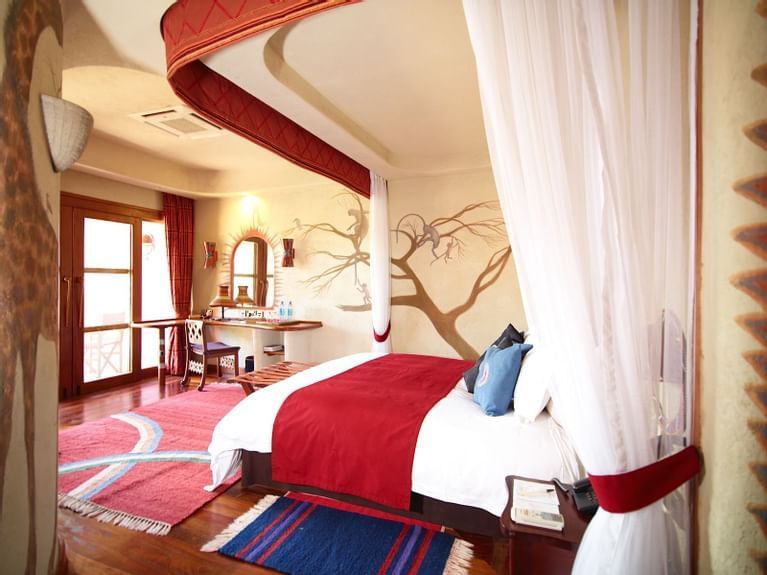
Amboseli Serena Safari Lodge
Amboseli National Park
The Amboseli Serena Safari Lodge is located within the Amboseli National Park and has great views over the plains towards Mount Kilimanjaro.
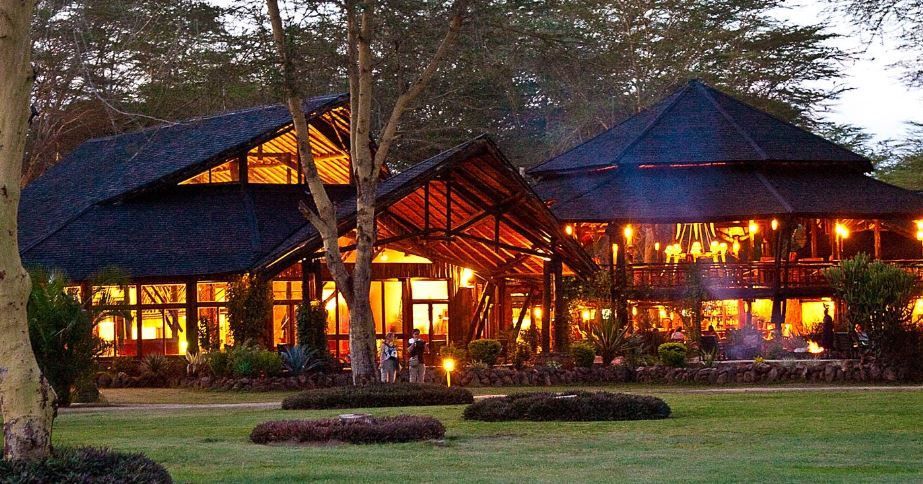
Ol Tukai Lodge
Amboseli National Park
Ol Tukai Lodges features 80 luxury chalet-style twin rooms, all with an uninterrupted view of the wetlands or the magnificent Mt. Kilimanjaro.
We have access to a wide range of handpicked accommodation options — from rustic eco-camps and authentic bush lodges to stylish tented retreats with breathtaking views. If you don’t see the exact lodge or camp you’re looking for, just let us know — we can arrange a variety of stays to suit different tastes, travel styles, and budgets.
Average Weather and Climate in Kirindy Forest
Kirindy’s climate is hot and seasonal, shaped by its west-coast location and dry forest ecosystem.
Dry Season (May to October): Days are warm, averaging 25–30°C, with cooler nights around 18°C. The forest is leafless for much of this time, making animals easier to spot. Dust fills the air, adding atmosphere but also requiring protective clothing for long walks.
Wet Season (November to April): Temperatures climb to 30–34°C with high humidity. Heavy rains rejuvenate the forest, carpeting the ground in green and bringing out amphibians, reptiles, and flowering plants. Roads can be muddy, but wildlife diversity peaks.
Unique features include the seasonal rhythms of fossas, which become more active in the early wet season, and the dramatic transformation of the forest from bare and open to lush and green.
No matter the time of year, Kirindy offers a different side of Madagascar — one that rewards adventurous travellers with rare wildlife sightings and atmospheric encounters.
Combine with Other Destinations
Kirindy is perfectly paired with the Avenue of the Baobabs, just an hour’s drive away. The towering baobabs provide dramatic sunset scenery to complement Kirindy’s nocturnal wildlife.
It also combines well with Tsingy de Bemaraha National Park, a UNESCO World Heritage Site famous for its dramatic limestone pinnacles and adventurous hiking trails.
Together, they showcase the wild contrasts of western Madagascar.
Many travellers also extend their journey to the beaches of Morondava or Belo-sur-Mer, where golden sands and fishing villages provide relaxation after forest adventures.
Speak to us about creating a custom itinerary that weaves these destinations into one unforgettable trip.
Travelling from the UK to Kirindy Forest
From the UK, travellers fly to Antananarivo via Paris, Addis Ababa, or Nairobi (journey time around 14–16 hours). From the capital, a domestic flight to Morondava takes about 1.5 hours.
Kirindy Forest lies around two hours by road from Morondava, along a scenic route that also passes the Avenue of the Baobabs. While the journey is adventurous, the rewards are immense, with baobabs and forest awaiting at the end.
UK visitors require a visa for Madagascar, available on arrival or online. Passports should be valid for six months beyond entry. Malaria precautions are recommended, and Awake in the Wild provides up-to-date advice on health and travel essentials.
We handle all arrangements, from international flights to transfers and guiding, so you can simply focus on the thrill of the experience.
Discover the Wild, Your Way: Tailor Your Kirindy Forest Safari with Us
Kirindy is Madagascar at its rawest — a forest where fossas hunt, lemurs leap, and the night reveals a secret world of glowing eyes and haunting sounds. To walk these trails by torchlight is to experience the wild in its purest form.
Talk to us about the experiences you’ve always dreamed of. We’ll match you with handpicked lodges, expert local guides, and authentic adventures that bring Kirindy Forest to life.
Speak to one of our safari specialists today — call us or fill out our quick enquiry form, and let’s start planning your tailor-made adventure.
Send an Enquiry
We will get back to you as soon as possible.
Please try again later.
Frequently Asked Questions
What is the best time to visit Kirindy Forest?
The dry season (May–October) is the best time, with easier access and more reliable wildlife sightings. The wet season (November–April) brings lush greenery, amphibians, and reptiles, but roads can be more difficult.
Is Kirindy Forest suitable for first-time visitors to Madagascar?
Yes — it’s one of the most accessible dry forests in western Madagascar and a fantastic introduction to the island’s nocturnal wildlife, especially for those combining it with the Avenue of the Baobabs.
What wildlife is Kirindy famous for?
Kirindy is the best place in Madagascar to see fossas, the island’s top predator. It’s also home to nocturnal lemurs (mouse lemurs, sportive lemurs, giant jumping rats), Verreaux’s sifakas, red-fronted brown lemurs, and a wide variety of reptiles and birds.
How physically demanding is a safari here?
Most activities involve guided walking, both day and night. Trails are flat but can be sandy or muddy depending on the season. A moderate level of fitness and sturdy footwear is recommended.
Can Kirindy be combined with other destinations?
Absolutely. It’s often paired with the Avenue of the Baobabs (just an hour away) or with Tsingy de Bemaraha National Park for more adventurous trekking. Many travellers also extend their journey to Morondava’s beaches.
Is Kirindy family-friendly?
Yes, though its focus on nocturnal wildlife and predators may appeal most to older children and teenagers. Families often enjoy the lemur encounters and the chance to see sifakas “dancing” across the ground.
Is Kirindy Forest safe to visit?
Yes, when explored with local guides. The forest is secure, but visitors should be cautious on night walks and follow their guide’s instructions. The biggest considerations are environmental — slippery trails in the wet season or dust in the dry months.
What accommodation options are available near Kirindy?
Options range from rustic tented camps near the forest to eco-lodges and boutique retreats in Morondava. Properties are simple compared to other Madagascar destinations, but they offer comfort, local hospitality, and proximity to wildlife.
How do I travel from the UK to Kirindy?
Flights from London connect to Antananarivo via Paris, Addis Ababa, or Nairobi. From the capital, a domestic flight to Morondava (1.5 hours) is followed by a two-hour drive to Kirindy. Awake in the Wild arranges all flights and transfers.
Do UK visitors need a visa to visit Madagascar?
Yes, UK passport holders require a visa, available on arrival at Antananarivo or online in advance. Passports must be valid for at least six months beyond entry. Awake in the Wild provides full visa and health guidance when planning your trip.