Lopé National Park Safaris
Ancient rock art, roaming mandrills, and sweeping savannahs – discover Gabon’s cultural and natural heart in Lopé National Park.
Best Time To Go
June to September (dry season) and December to February (short dry season)
High Season
July to August
Size
Approx 4,970 square kilometres
Altitude
150 – 800 metres
above sea level
Lopé National Park Safari Holidays
Savannah Meets Rainforest in Gabon’s Heartland
Lopé National Park is Gabon’s oldest protected area and a UNESCO World Heritage Site, where sweeping savannahs meet dense tropical rainforest. Known for its ancient rock art, rich cultural history, and the world’s largest gatherings of mandrills, it offers one of Central Africa’s most unique safari experiences.
For travellers seeking both wildlife and heritage, Lopé is an unforgettable destination.
Why Visit Lopé National Park?
Situated in central Gabon, Lopé is at the crossroads of Africa’s ecosystems. It lies where forest gives way to savannah, creating a rare transitional landscape that supports an astonishing variety of species. From forest elephants grazing on open plains to gorillas in the nearby rainforest, it is a place where two worlds collide in spectacular fashion.
The scenery is strikingly diverse. Rolling grasslands dotted with lone trees stretch to the horizon, while misty rainforest cloaks the surrounding hills. Scattered across this timeless landscape are remnants of human history, including Stone Age tools and rock engravings, making Lopé as culturally significant as it is biologically rich.
Wildlife here is equally distinctive. The park is world-famous for its mandrills, with groups numbering in the hundreds — one of the largest primate gatherings on Earth. Add in chimpanzees, gorillas, buffalo, and leopards, and you have a safari that blends classic African encounters with rare, rainforest species.
What sets Lopé apart from other Gabonese parks is its balance. Loango and Pongara are defined by beaches, Ivindo by waterfalls, but Lopé combines open savannah game viewing with deep forest exploration and cultural depth. It is perfect for travellers who want variety, adventure, and a strong sense of place.
Wildlife and Nature
Lopé’s landscapes are alive with contrasts. Step onto the savannah at sunrise and you’ll feel the cool air carry the scent of wild grasses, while the rainforest behind hums with cicadas and bird calls. In the open plains, herds of buffalo graze, elephants roam, and mandrills chatter in the distance. Move into the forest and the atmosphere shifts — filtered light, earthy smells, and the rustle of primates moving through the canopy.
Mandrills are the park’s icons. These vividly coloured primates, with blue and red faces and golden beards, form groups that can exceed 1,000 individuals during the dry season. Watching them sweep across the savannah like a living tide is one of Africa’s most extraordinary wildlife encounters.
Forest elephants, gorillas, and chimpanzees also make their homes here, though sightings require patience and skilled guides. Birdlife is outstanding, with more than 400 species, from the great blue turaco to rare forest raptors. The combination of open habitats and rainforest edges makes Lopé a paradise for birders and photographers.
Seasonality plays a role in what you’ll see. In the dry months, animals concentrate around rivers and clearings, making encounters more likely. In wetter months, the forest comes alive with fruiting trees and energetic bird activity, while the mandrill gatherings reach their peak. Conservation research here is world-renowned, with the Smithsonian Institution and ANPN leading long-term studies on primates and forest ecology.
What makes Lopé special is its sense of discovery. Unlike the busy plains of East Africa, this is a safari where every sound, every movement in the foliage could be the beginning of an unforgettable sighting. It is raw, immersive, and uniquely rewarding.
Best Time to Visit Lopé National Park
The long dry season (June to September) is the most popular time to visit Lopé. With less rain, trails are accessible, the savannah is open for exploration, and wildlife is easier to observe.
This is also the peak period for mandrill gatherings, when groups numbering hundreds move across the landscape in dramatic displays.
The short dry season (December to February) is another excellent window. Conditions are comfortable, skies are often clear, and birdwatching is particularly rewarding, with migratory species arriving alongside the already rich resident population.
The wet seasons (March to May and October to November) bring heavier rainfall, transforming the park into a lush, green paradise.
While some areas may be harder to reach, this is when the rainforest is most vibrant. Chimpanzees and gorillas are more active, mandrills form their largest troops, and photographers can capture dramatic cloudscapes and rich tones.
For photographers, mornings are ideal for golden savannah light, while evenings bring mist and colour over the rainforest canopy. Ancient rock art sites are often best visited in the softer light of early or late day, adding an atmospheric quality to images.
Travellers should be prepared for some challenges — humidity in the forest, occasional muddy conditions, and long treks — but these only enhance the sense of adventure.
Whether in dry or wet seasons, Lopé rewards patience with rare encounters and unforgettable memories.
Safari Experiences in Lopé
Lopé offers a wide range of experiences, each showcasing the park’s unique blend of culture, savannah, and rainforest.
- Mandrill Tracking Expeditions: Nothing compares to following expert trackers into the savannah to find mandrill troops. Witnessing hundreds of these vividly coloured primates moving together is one of Africa’s rarest and most extraordinary wildlife spectacles.
- Forest Elephant and Buffalo Encounters: Lopé’s open grasslands are among the best places in Gabon to see forest elephants in daylight. Buffalo herds and occasional leopards add to the classic safari feel, all set against a dramatic backdrop of rolling hills.
- Gorilla and Chimpanzee Treks: For those seeking adventure, guided forest treks reveal lowland gorillas and chimpanzees in their natural environment. While sightings are not guaranteed, the experience of tracking them through pristine rainforest is unforgettable.
- Ancient Rock Art Discoveries: Lopé is a UNESCO World Heritage Site for good reason — it holds ancient engravings and artefacts dating back thousands of years. Visiting these sites connects you with the deep history of the landscape, blending cultural exploration with natural wonder.
- Birdwatching Adventures: With more than 400 bird species, Lopé is a birder’s paradise. From the great blue turaco to rare hornbills, guided birding walks are filled with colour, song, and excitement.
- Cultural Village Visits: Meet local communities on the park’s edge and learn about Gabonese traditions, farming, and forest knowledge. These encounters offer a warm human connection to complement the wild landscapes.
Where to Stay in Lopé
Lopé National Park offers a wide range of accommodation options to suit different preferences and budgets, all set within or just outside the park boundaries. These typically include:
- Eco-Luxury Lodges: Stylish eco-lodges blend sustainability with comfort, offering spacious rooms, river views, and fine dining. Many incorporate solar power and eco-friendly design while providing exceptional service.
- Tented Camps: Stay close to nature with under-canvas camps that combine adventure with comfort. Fall asleep to the sounds of the forest, with ensuite bathrooms and hearty meals waiting after a day of exploration.
- Boutique Bush Retreats: Smaller, character-driven retreats provide a personal atmosphere. Often community-run, they focus on authenticity, sustainability, and warm hosting, ideal for travellers seeking intimate stays.
At Awake in the Wild, we work only with lodges and camps that meet our ethical and sustainability standards. Whether you’re looking for solar-powered luxury or a simple campfire safari experience, we’ll match you to the perfect base. If you don’t see the exact lodge or camp you’re looking for, just let us know — we’re able to arrange a variety of stays to suit different tastes, travel styles, and budgets.
A Selection of our Lopé Safari Accommodation
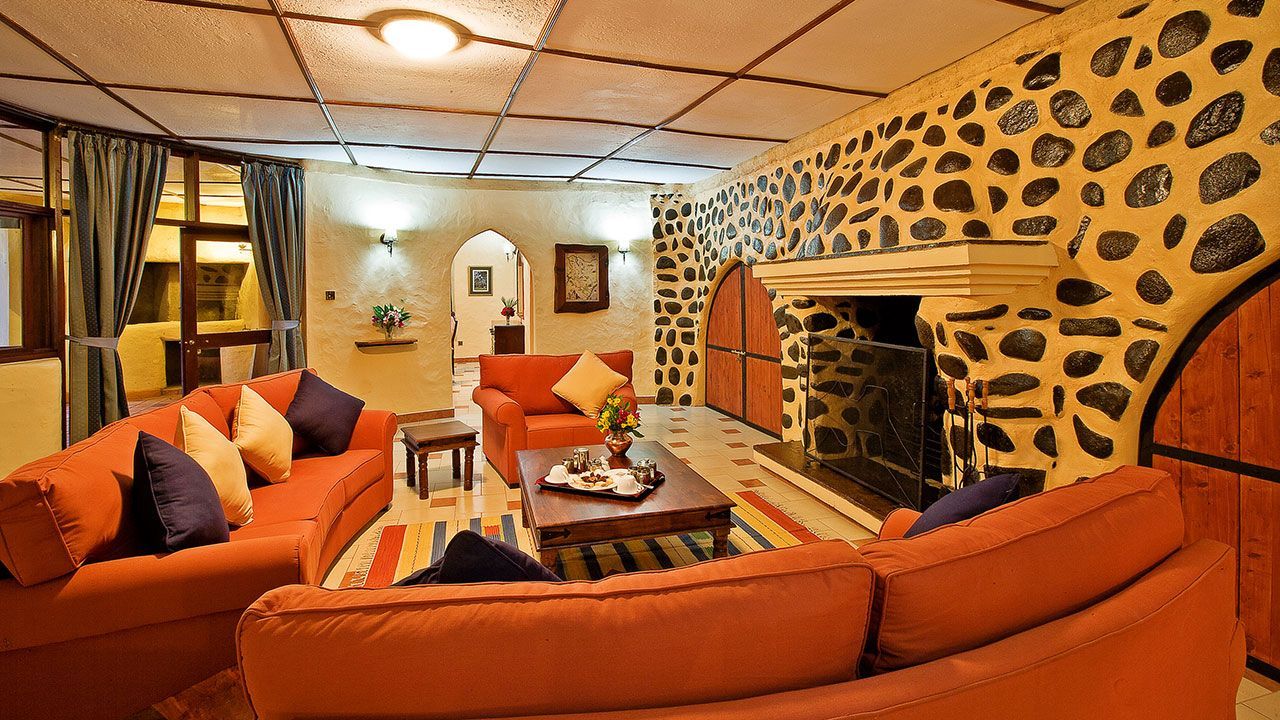
Amboseli Sopa Lodge
Just outside Amboseli National Park
Set in 200 acres of private land, and with a rustic charm all of its own, the Amboseli Sopa Lodge nestles in the foothills of Mount Kilimanjaro
Amboseli Serena Safari Lodge
Amboseli National Park
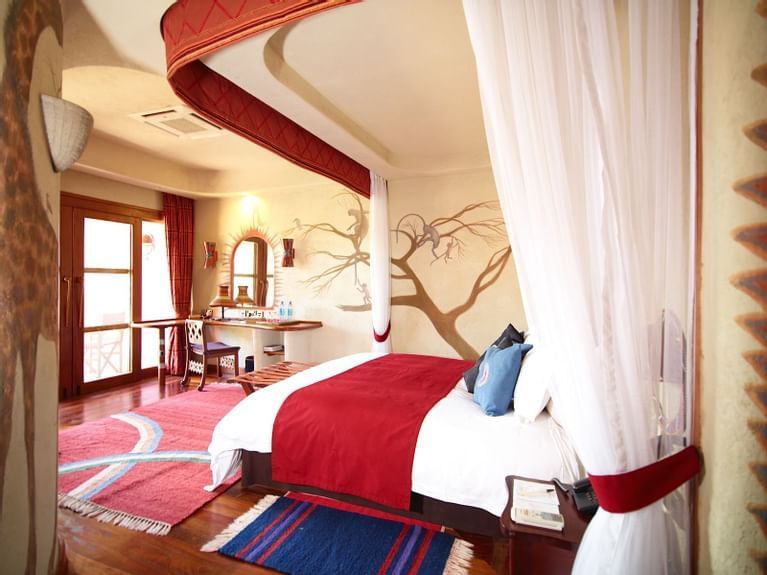
The Amboseli Serena Safari Lodge is located within the Amboseli National Park and has great views over the plains towards Mount Kilimanjaro.
Ol Tukai Lodge
Amboseli National Park
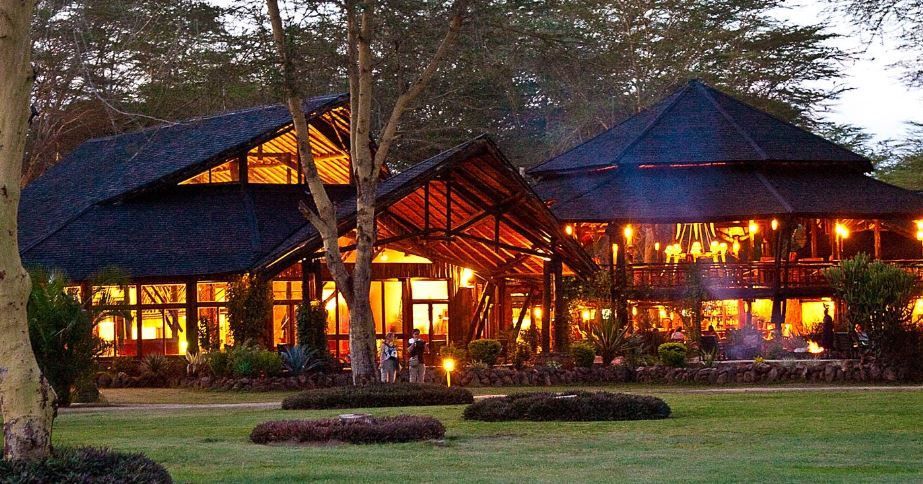
Ol Tukai Lodges features 80 luxury chalet-style twin rooms, all with an uninterrupted view of the wetlands or the magnificent Mt. Kilimanjaro.
We have access to a wide range of handpicked accommodation options — from rustic eco-camps and authentic bush lodges to stylish tented retreats with breathtaking views. If you don’t see the exact lodge or camp you’re looking for, just let us know — we can arrange a variety of stays to suit different tastes, travel styles, and budgets.
Average Weather and Climate in Lopé
Lopé’s climate is tropical and humid, shaped by its central location in Gabon. Temperatures remain warm year-round, typically between 24–30°C during the day, with slightly cooler nights.
The dry seasons (June to September, and December to February) are the most comfortable for travel. Trails are more accessible, humidity drops, and wildlife congregates around water sources, making sightings easier. Savannah landscapes are golden and open, perfect for photography.
During the wet seasons (March to May and October to November), heavy rains transform the park into a lush, green wonderland. While access can be more challenging, this is when birdlife peaks, mandrill gatherings reach their largest numbers, and the rainforest feels at its most alive.
Unique to Lopé is the mix of savannah and rainforest, meaning weather can vary dramatically across short distances. Mist often drifts across the hills in the mornings, creating a mystical atmosphere and stunning photographic backdrops.
Whichever season you choose, Lopé offers a rewarding safari. The dry months bring clarity and easier travel, while the wet months deliver richness and vibrancy — each shaping the park’s magic in its own way.
Combine with Other Destinations
Lopé is ideally placed for combination safaris in Gabon.
Pair it with Loango National Park to experience elephants on beaches and hippos in the surf, contrasting beautifully with Lopé’s mandrills and savannahs.
Ivindo National Park is another excellent addition, with its mighty Kongou Falls and dense rainforest, offering a wilder, more remote adventure to balance Lopé’s cultural and savannah focus.
Thanks to train and flight links from Libreville, Lopé is one of the most accessible parks in Gabon, making it a natural starting point for multi-park itineraries.
Speak to us about creating a tailored journey that brings together coast, savannah, and rainforest for a complete Gabonese safari.
Travelling from the UK to Lopé
UK travellers can fly from London to Libreville, usually via Paris, Addis Ababa, or Istanbul. Flights take around 10–12 hours depending on the route. From Libreville, travellers can reach Lopé by domestic flight or a scenic train journey on the Trans-Gabon Railway, which offers spectacular views along the way. From the nearest station or airstrip, road transfers bring you directly to lodges within or near the park. The journey is part of the adventure, passing through forest, rivers, and rolling hills.
UK passport holders require a visa to enter Gabon, which can often be obtained electronically. Passports should be valid for at least six months beyond entry. Malaria precautions are recommended, and Awake in the Wild provides the latest travel health guidance.
We handle every stage of your journey — from international flights to final lodge transfers — so you can focus entirely on enjoying the wonders of Lopé.
Discover the Wild, Your Way: Tailor Your Lopé Safari with Us
To stand on Lopé’s savannahs at dawn as mandrills surge across the plains, or to uncover ancient rock engravings in the shadow of rainforest hills, is to feel Africa’s timeless spirit. This park is where nature, culture, and history intertwine, offering an experience as profound as it is unique.
Talk to us about the experiences you’ve always dreamed of. We’ll match you with handpicked lodges, expert local guides, and authentic adventures that bring Lopé National Park to life.
Speak to one of our safari specialists today — call us or fill out our quick enquiry form, and let’s start planning your tailor-made adventure.
Send an Enquiry
We will get back to you as soon as possible.
Please try again later.
Frequently Asked Questions
Why is Lopé National Park a UNESCO World Heritage Site?
Lopé is recognised for its unique mix of savannah and rainforest ecosystems, alongside archaeological sites with Stone Age tools and ancient rock art, making it both culturally and naturally significant.
What wildlife is Lopé National Park best known for?
The park is famous for its mandrills, with groups of hundreds moving across the savannah. It’s also home to elephants, buffalo, gorillas, chimpanzees, and more than 400 bird species.
When is the best time to visit Lopé?
June–September is the peak dry season, offering easier travel and large mandrill gatherings. December–February is another excellent window with good wildlife viewing and rich birdlife.
Can I see mandrills year-round?
Yes, though sightings are best in the dry season when they form massive troops. During wetter months, smaller groups are more dispersed in the forest but can still be observed with expert tracking.
Are gorilla and chimpanzee sightings guaranteed?
No — sightings require patience and luck, as the primates live deep in the forest. However, trekking to search for them is an unforgettable adventure, with a high chance of other exciting wildlife encounters.
How accessible is Lopé National Park from Libreville?
Travellers can reach Lopé by domestic flight or on the Trans-Gabon Railway, which offers a scenic and adventurous route through forest and hills. Road transfers complete the journey to lodges and camps.
What makes Lopé different from other Gabon parks?
Unlike Loango’s beaches or Ivindo’s waterfalls, Lopé blends open savannah and rainforest in one park. It also has rich cultural heritage, including archaeological finds and ancient engravings.
What types of safari activities are available?
Visitors can enjoy mandrill tracking, gorilla treks, savannah game drives, birdwatching, cultural village visits, and guided tours to rock art sites — a blend of wildlife, culture, and history.
What accommodation is available in Lopé?
Options include eco-lodges, tented camps, and boutique bush retreats, with styles ranging from solar-powered luxury to intimate community-run stays.
Do UK travellers need a visa for Gabon?
Yes. UK passport holders need a visa, often available online. Passports must be valid for at least six months. Awake in the Wild provides up-to-date entry and health guidance.