Mount Kenya and Forest Reserves Safaris
Towering glaciers, emerald forests, and rare wildlife on Africa’s second-highest peak
Best Time To Go
January–February and July–September
High Season
July–October and January–February
Size
Approx 715 square kilometres core park + extensive surrounding forest reserve
Altitude
1,600 – 5,199 meters
above sea level
Mount Kenya and Forest Reserves Safari Holidays
Glaciers, Forests, and the Spirit of Africa’s Sacred Mountain
Mount Kenya National Park & Forest Reserve is a UNESCO World Heritage Site and one of Kenya’s most breathtaking natural wonders.
Rising to 5,199 metres, the snow-capped peaks of Batian, Nelion, and Point Lenana stand as an awe-inspiring contrast against lush montane forests and alpine meadows. Crystal-clear streams tumble down the slopes, feeding vibrant ecosystems teeming with unique flora and fauna. From dense bamboo forests alive with colobus monkeys to rare Afro-alpine plants clinging to the rocky heights, every step is a journey into a new world. Whether you come for trekking, wildlife, or the sheer majesty of the mountain, Mount Kenya promises an unforgettable safari and adventure experience.
Why Visit Mount Kenya and the Forest Reserves?
Mount Kenya is more than just a mountain; it’s a living tapestry of ecosystems, cultures, and adventures. The park is a sanctuary for rare wildlife, including the mountain bongo antelope, giant forest hog, and elusive leopard, as well as over 130 species of birds.
The combination of volcanic peaks, glacial tarns, and pristine forests offers landscapes unlike anywhere else in Africa.
Visitors can explore scenic hiking trails, enjoy world-class birdwatching, or experience cultural encounters with local Kikuyu, Meru, and Embu communities who hold the mountain sacred.
Whether you’re an intrepid climber aiming for Point Lenana or a safari lover seeking unique wildlife away from the crowds, Mount Kenya delivers diversity, tranquillity, and a touch of adventure.
Wildlife and Nature
The park’s remarkable biodiversity is owed to its dramatic altitude changes, which create distinct ecological zones. At the lower elevations, dense montane forests and towering bamboo thickets are home to forest elephants, bushbuck, and troops of colobus and Sykes’ monkeys.
Higher up, the moorlands are carpeted with giant lobelias and groundsels — plant species found only in East Africa’s high mountains. The rare and critically endangered mountain bongo roams the misty bamboo forests, while leopards silently stalk in the shadows. Birdlife flourishes here, from the vibrant Tacazze sunbird to the striking scarlet-tufted malachite sunbird and the crowned eagle.
Above 4,000 metres, the alpine zone opens into rocky ridges, glacial tarns, and permanent snowfields — an unexpected, magical sight in equatorial Africa. This fusion of habitats makes Mount Kenya a haven for nature lovers, photographers, and scientists alike.
Best Time to Visit Mount Kenya and Reserves
Mount Kenya can be visited year-round, but the experience changes dramatically with the seasons:
- January–February: One of the driest and clearest periods, ideal for climbing and trekking. Crisp mornings and excellent mountain views.
- March–May: Long rains transform the slopes into a lush green paradise but can make trails slippery and wildlife harder to spot. Best for photographers seeking dramatic cloud formations.
- June: Transitional month with fewer visitors and increasingly clear skies.
- July–September: Peak dry season with excellent trekking conditions and prime wildlife viewing in the forest zones.
- October: Clear days with occasional short rains; good for fewer crowds.
- November–December: Short rains bring fresh growth, colourful flowers, and abundant birdlife.
Safari Experiences in Amboseli
Amboseli is ideal for a variety of immersive safari experiences. The park is famed for:
- Classic game drives: Perfect for spotting elephants, predators, and birdlife across different habitats.
- Photographic safaris: Capture unforgettable scenes with Kilimanjaro as a backdrop.
- Cultural encounters: Visits to nearby Maasai communities can be arranged respectfully and responsibly.
- Scenic viewpoints: Observation Hill offers panoramic views over the swamps and plains — especially beautiful at sunrise and sunset.
- Birdwatching: The wetlands and seasonal lakes attract a diverse range of resident and migratory birds.
Our expert guides tailor each safari to your interests, whether it’s your first safari or your fifth.
Where to Stay in Mount Kenya and the Forest Reserves
Accommodation around Mount Kenya ranges from luxurious lodges to cosy forest cottages and adventurous mountain huts:
- Eco-Luxury Lodges: Perfect for travellers seeking comfort with sustainability, these lodges offer panoramic views, fine dining, and guided nature walks.
- Tented Camps & Forest Retreats: Immersed in nature, these provide authentic safari vibes with the soundtrack of the forest at night.
- Mountain Huts & Base Camps: For climbers, these rustic shelters offer essential overnight stops on the way to the peaks.
We have access to a wide range of handpicked accommodation options in Mount Kenya National Park & Forest Reserve — from rustic eco-camps and authentic bush lodges to stylish tented retreats. If you don’t see the exact lodge or camp you’re looking for, just let us know — we’re able to arrange a variety of stays to suit different tastes, travel styles, and budgets.
A Selection of our Mount Kenya and Forest Reserves Safari Accommodation
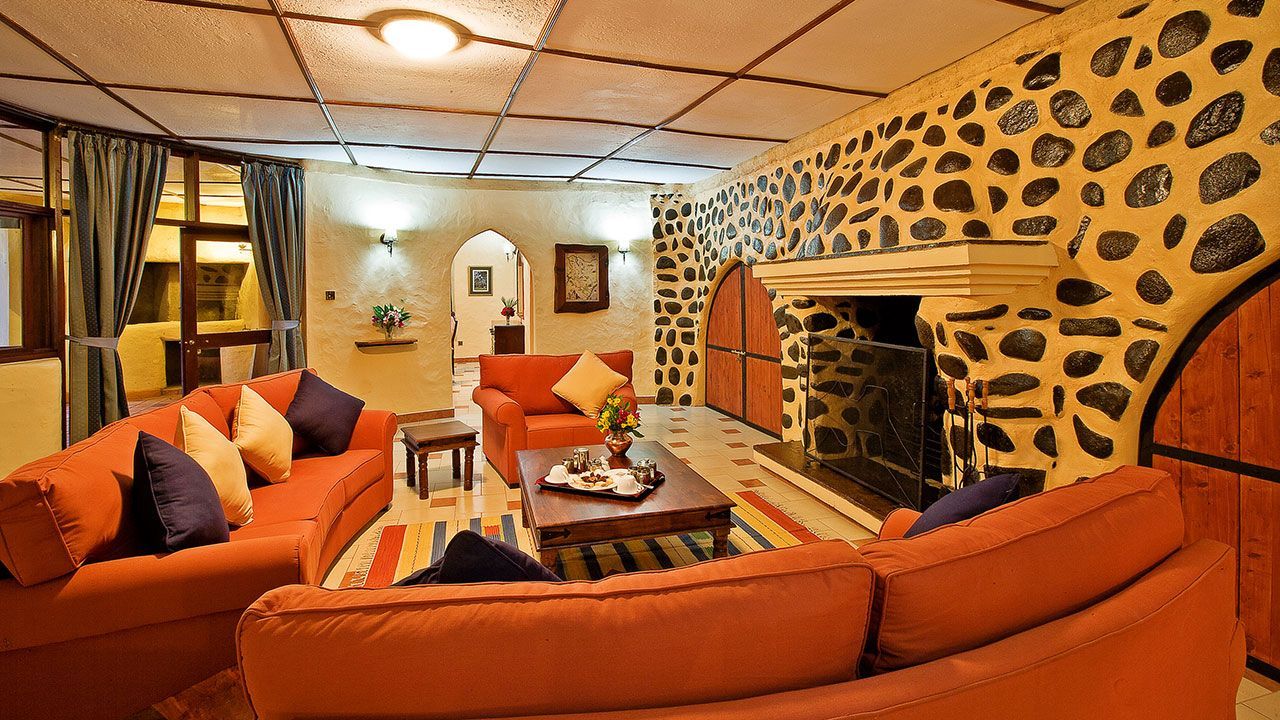
Amboseli Sopa Lodge
Just outside Amboseli National Park
Set in 200 acres of private land, and with a rustic charm all of its own, the Amboseli Sopa Lodge nestles in the foothills of Mount Kilimanjaro
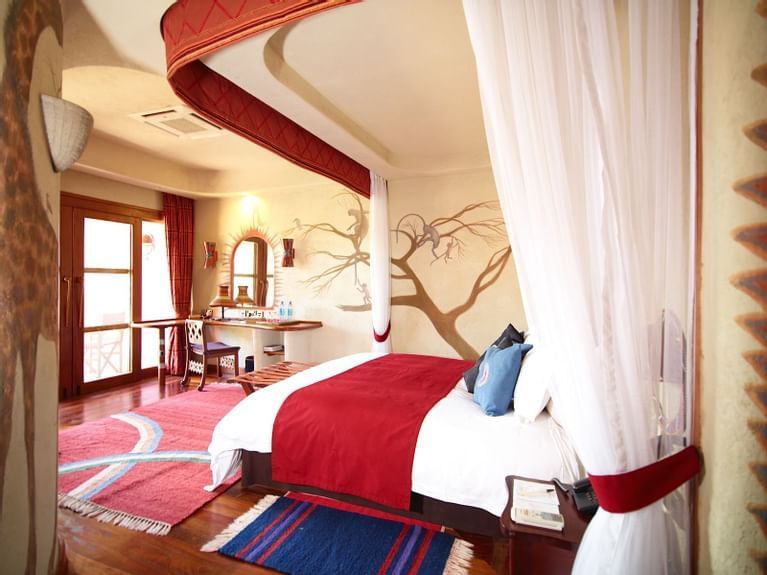
Amboseli Serena Safari Lodge
Amboseli National Park
The Amboseli Serena Safari Lodge is located within the Amboseli National Park and has great views over the plains towards Mount Kilimanjaro.
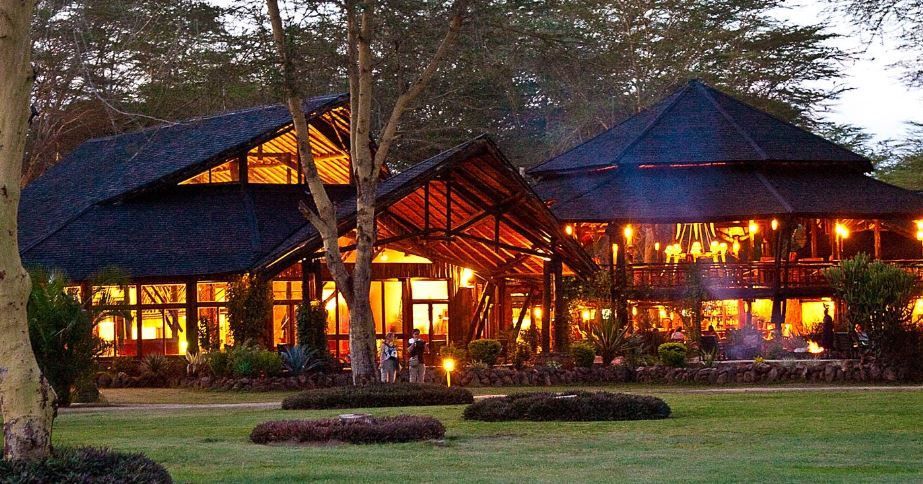
Ol Tukai Lodge
Amboseli National Park
Ol Tukai Lodges features 80 luxury chalet-style twin rooms, all with an uninterrupted view of the wetlands or the magnificent Mt. Kilimanjaro.
We have access to a wide range of handpicked accommodation options — from rustic eco-camps and authentic bush lodges to stylish tented retreats with breathtaking views. If you don’t see the exact lodge or camp you’re looking for, just let us know — we can arrange a variety of stays to suit different tastes, travel styles, and budgets.
Average Weather and Climate in Mount Kenya and Forest Reserves
Mount Kenya’s climate is shaped by both altitude and seasonal rainfall patterns:
Lower Slopes (1,600–2,500m): Mild temperatures year-round (15–25°C), with warm days and cool nights.
Mid-Altitude Zones (2,500–3,500m): Cooler conditions (5–20°C) and frequent mist in the mornings.
High Alpine Zones (3,500–5,199m): Daytime temperatures often just above freezing; nights can drop well below zero.
Rainfall is heaviest from March to May and lighter from October to December. Clear skies are most common in January–February and July–September.
Combine with Other Destinations
Mount Kenya pairs beautifully with the nearby Ol Pejeta Conservancy, famous for its rhino conservation work and classic Big Five game drives. It also complements a visit to Samburu National Reserve, where dryland species like Grevy’s zebra and gerenuk thrive. For a contrasting experience, combine it with the Masai Mara for world-famous savannah wildlife or head east to Meru National Park for untouched wilderness.
Its location makes it an ideal mid-point in a Kenya safari circuit, easily reached from Nairobi and well-connected to northern and southern parks. Talk to us about creating a custom itinerary.
Travelling from the UK to Mount Kenya
Most visitors fly into Nairobi’s Jomo Kenyatta International Airport (NBO), with direct flights available from London Heathrow.
From Nairobi, it’s a 3–4 hour drive to the main park gates, or a short domestic flight to Nanyuki airstrip for quicker access.
We can arrange private transfers, guided road journeys, or charter flights, depending on your itinerary.
Combining Mount Kenya with other Kenyan safari destinations is seamless thanks to its central location.
Discover the Wild, Your Way: Tailor Your Mount Kenya Safari with Us
From forest treks to glacier views, Mount Kenya offers a rare blend of safari and mountain adventure. Whether you’re here to climb, explore, or simply breathe in the fresh alpine air, we’ll make sure your journey is perfectly tailored to your style.
Talk to us about the experiences you’ve always dreamed of. We’ll match you with handpicked lodges, expert local guides, and authentic adventures that bring Mount Kenya to life.
Speak to one of our safari specialists today — call us or fill out our quick enquiry form, and let’s start planning your tailor-made adventure.
Send an Enquiry
We will get back to you as soon as possible.
Please try again later.
Frequently Asked Questions
What is the best time to visit Mount Kenya for climbing?
January–February and July–September offer the driest and clearest conditions for trekking and climbing.
Is Mount Kenya suitable for first-time safari travellers?
Yes — it combines accessible wildlife viewing with unique scenery, though its focus is more on nature and adventure than big game.
What wildlife can I expect to see?
Elephants, buffalo, mountain bongos, colobus monkeys, leopards, and over 130 bird species.
How accessible is the park?
Easily reached from Nairobi by road or air. Main park gates have good access, though climbing routes require physical fitness.
Can I combine Mount Kenya with other parks?
Absolutely — it’s well-placed to link with Ol Pejeta, Samburu, Meru, or the Masai Mara.
Is it family-friendly?
Yes, especially for families who enjoy nature walks, birdwatching, and gentle hikes.
Is it safe to visit?
Yes, with standard travel precautions. Guided treks are recommended for mountain routes.
What types of accommodation are available?
Options range from luxury lodges to rustic mountain huts for climbers.
How do I get there from the UK?
Fly direct to Nairobi, then transfer by road or domestic flight to Nanyuki.
Do UK travellers need a visa?
Yes, UK citizens require an eVisa to enter Kenya, which should be obtained online before travel.