Queen Elizabeth National Park Safaris
Tree-climbing lions, shimmering crater lakes, and wildlife-rich savannahs beneath the Rwenzori Mountains.
Best Time To Go
January to February and June to July (dry season)
High Season
June to September and December to February
Size
Approx 1,978 square kilometres
Altitude
910–1,390 metres
above sea level
Queen Elizabeth National Park Safari Holidays
Where Savannah Meets Water and Mountains
Queen Elizabeth National Park is Uganda’s most iconic safari destination, celebrated for its astonishing diversity of landscapes and wildlife. From the Kazinga Channel teeming with hippos to lions lounging in fig trees and the dramatic backdrop of the Rwenzori Mountains, the park offers a quintessential East African safari with a distinctly Ugandan twist.
It’s a destination where no two days are alike, and every moment feels alive with discovery.
Why Visit Queen Elizabeth National Park?
Located in western Uganda along the Great Rift Valley, Queen Elizabeth National Park is one of Africa’s most varied and photogenic reserves. Its proximity to both Kibale Forest and Bwindi makes it a natural centrepiece for Ugandan safari itineraries, offering a perfect balance of landscapes, wildlife, and culture.
The park’s scenery is nothing short of spectacular. Rolling savannahs stretch into the horizon, dotted with volcanic crater lakes that shimmer in the sunlight. The Kazinga Channel cuts through the park, a wildlife haven where hippos, crocodiles, and elephants gather in numbers rarely seen elsewhere. And to the north, the snow-capped Rwenzori Mountains provide a breathtaking backdrop.
What makes Queen Elizabeth unique is its diversity. Few parks offer such a variety of ecosystems in one place: savannah, rainforest, wetlands, and crater lakes. This creates a home for over 95 mammal species and an astonishing 600+ bird species, making it a paradise for both safari enthusiasts and ornithologists.
Adding cultural depth, the park is bordered by traditional fishing and farming communities, where travellers can experience Ugandan hospitality, music, and crafts. This harmony of nature and culture ensures that Queen Elizabeth is not just about wildlife viewing, but also about connection and storytelling.
Wildlife and Nature
Queen Elizabeth National Park is a sensory feast. At dawn, the savannah glows golden as elephants graze in the mist, while the Kazinga Channel ripples with the grunts of hippos and the splash of fish eagles diving for their catch. The air is filled with the earthy scent of acacia and the hum of life all around.
The park’s most famous residents are the tree-climbing lions of Ishasha, a rare behaviour seen in only a handful of places in Africa. Watching them draped across fig branches, surveying the plains below, is an unforgettable highlight.
But lions are just the beginning. Herds of elephants roam the grasslands, buffalo gather by the hundreds, and Uganda kob graze gracefully across the plains. Leopards slink through the thickets, while warthogs scuttle between burrows. Along the Kazinga Channel, hippos jostle for space and Nile crocodiles bask lazily on the banks.
Birdlife here is extraordinary, with over 600 species recorded — the highest of any Ugandan park. From the iconic African fish eagle to the vibrant malachite kingfisher, from flamingos in the crater lakes to the elusive shoebill stork in the wetlands, birders will find paradise.
Seasonal changes bring fresh drama. In the dry season, wildlife concentrates around water sources, offering spectacular sightings. In the wet season, the park bursts into green, migratory birds arrive, and the landscapes become even more photogenic. Conservation projects, such as those supported by Uganda Wildlife Authority and local communities, ensure this delicate balance of nature continues to thrive.
Best Time to Visit Queen Elizabeth
The dry seasons (January–February and June–July) are considered the best times to visit. Wildlife is easier to spot as animals gather around the Kazinga Channel and crater lakes, and game drives are smoother on firmer roads.
The wet seasons (March–May and August–December) bring heavy rains that transform the park into a lush, green paradise.
While wildlife is more dispersed, birdwatching is phenomenal, with migratory species joining the already impressive list.
Photographers will find the wet season especially rewarding, with dramatic skies, vibrant colours, and fewer visitors.
Unique seasonal highlights include flamingos gathering in the crater lakes during wetter months and increased predator activity in Ishasha during the dry season.
Early mornings and late afternoons year-round offer the best light for photography and the highest chance of active wildlife sightings.
Practical note: while rain can make some dirt tracks muddy, the park remains accessible, especially with 4x4 vehicles or domestic flights into nearby airstrips.
Safari Experiences in Queen Elizabeth National Park
Queen Elizabeth offers a tapestry of safari experiences, each revealing a different side of its beauty. From iconic game drives to river cruises and cultural encounters, every activity immerses you in the park’s unique character.
- Game Drives in the Kasenyi Plains: These open savannahs are prime hunting grounds for lions and leopards, and home to large herds of Uganda kob. Sunrise here is magical, with golden light stretching across the plains and predators on the move.
- Ishasha’s Tree-Climbing Lions: The southern Ishasha sector is world-famous for lions that rest in fig trees, a rare behaviour unique to this region. Photographing them sprawled across branches against a backdrop of endless savannah is a memory to treasure.
- Boat Safari on the Kazinga Channel: A boat cruise along this natural waterway offers some of the best wildlife viewing in East Africa. Hippos crowd the shallows, elephants drink at the banks, and birdlife is dazzling — from pelicans to pied kingfishers.
- Chimpanzee Trekking in Kyambura Gorge: Known as the “Valley of the Apes,” this lush gorge offers intimate treks to see wild chimpanzees. The experience contrasts beautifully with the savannah above, showcasing the park’s habitat diversity.
- Cultural Encounters: Visit local fishing villages, meet artisans, or enjoy traditional music and dance. These encounters add depth, showing how local communities live alongside and benefit from the park.
- Exploring Crater Lakes: Dotted across the park are volcanic crater lakes, some shimmering with flamingos, others surrounded by forest. Walking or driving around them reveals landscapes unlike anywhere else in Uganda.
- Birding Paradise: With over 600 species, dedicated birding tours uncover everything from shoebills to colourful bee-eaters. The diversity of habitats ensures new discoveries at every turn.
Where to Stay in Queen Elizabeth National Park
Queen Elizabeth National Park offers a range of accommodation to suit different preferences and budgets, all set within or just outside the park boundaries. Options include:
- Eco-luxury lodges: Stylish retreats with panoramic views of the savannah, crater lakes, or Kazinga Channel. Expect infinity pools, fine dining, and eco-conscious design that complements the landscape.
- Tented camps: Classic under-canvas experiences, with the romance of lantern-lit dinners and nights spent close to nature. Comfortable, well-serviced, and perfectly positioned for wildlife sightings.
- Boutique bush retreats: Charming and intimate properties with character and personalised service. Often family-run, they blend authenticity with comfort in scenic, secluded locations.
At Awake in the Wild, we work only with lodges and camps that meet our ethical and sustainability standards. Whether you’re looking for solar-powered luxury or a simple campfire safari experience, we’ll match you to the perfect base. If you don’t see the exact lodge or camp you’re looking for, just let us know — we’re able to arrange a variety of stays to suit different tastes, travel styles, and budgets.
A Selection of our Queen Elizabeth Safari Accommodation
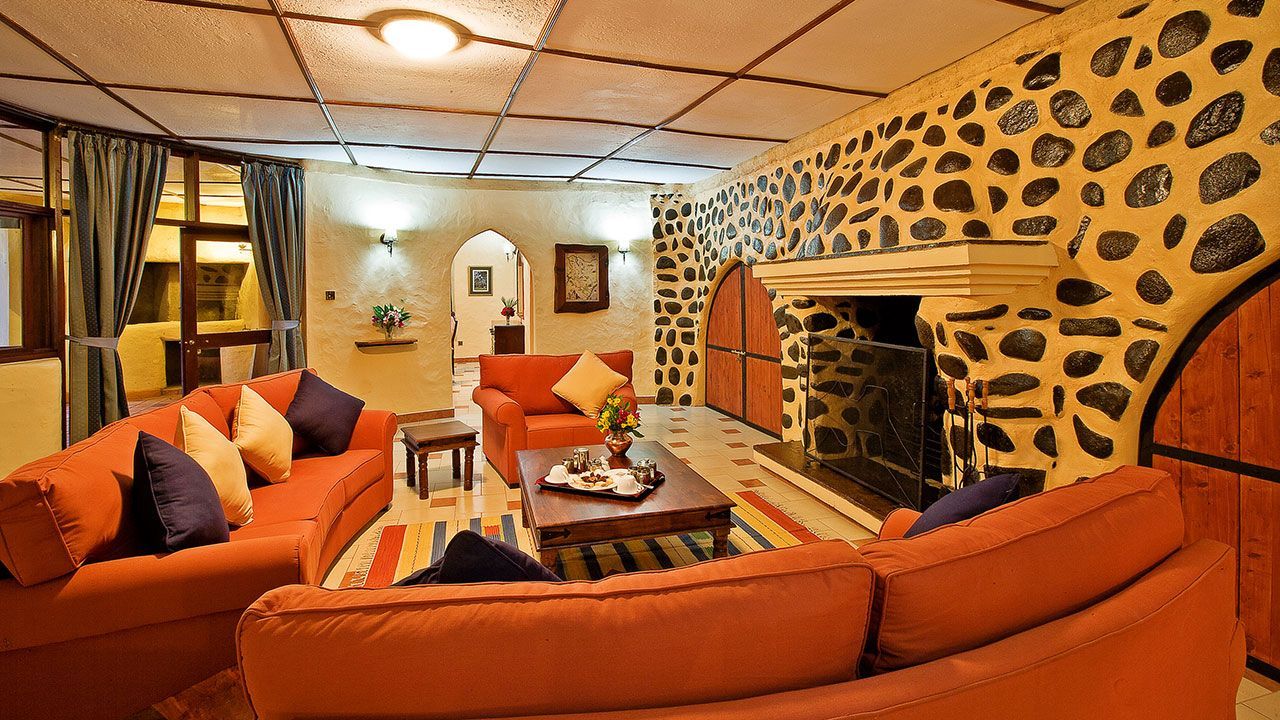
Amboseli Sopa Lodge
Just outside Amboseli National Park
Set in 200 acres of private land, and with a rustic charm all of its own, the Amboseli Sopa Lodge nestles in the foothills of Mount Kilimanjaro
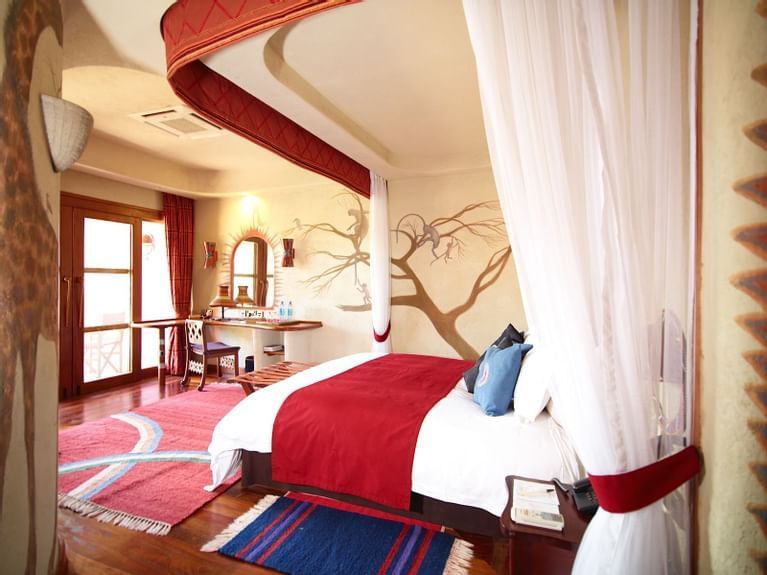
Amboseli Serena Safari Lodge
Amboseli National Park
The Amboseli Serena Safari Lodge is located within the Amboseli National Park and has great views over the plains towards Mount Kilimanjaro.
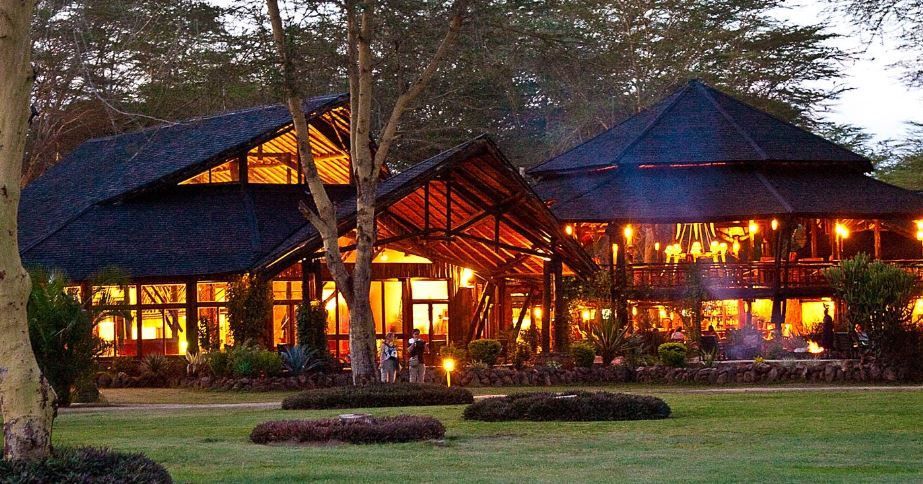
Ol Tukai Lodge
Amboseli National Park
Ol Tukai Lodges features 80 luxury chalet-style twin rooms, all with an uninterrupted view of the wetlands or the magnificent Mt. Kilimanjaro.
We have access to a wide range of handpicked accommodation options — from rustic eco-camps and authentic bush lodges to stylish tented retreats with breathtaking views. If you don’t see the exact lodge or camp you’re looking for, just let us know — we can arrange a variety of stays to suit different tastes, travel styles, and budgets.
Average Weather and Climate in Queen Elizabeth
Queen Elizabeth enjoys a warm, tropical climate year-round, with average daytime temperatures between 25–30°C. The dry seasons (January–February and June–July) are hot and sunny, with clear skies and the best conditions for game drives and boat cruises.
The long rains (March–May) bring heavy downpours, creating lush green scenery and excellent birdwatching opportunities. The short rains (August–December) are lighter but still refresh the park and keep its landscapes vibrant.
Seasonal changes shape the safari experience. In dry months, wildlife congregates at water sources, while the wet months bring flamingos to crater lakes and spectacular photographic backdrops.
Travellers should be prepared for occasional showers even in dry months, but the park remains accessible year-round with the right planning.
Combine with Other Destinations
Queen Elizabeth sits at the heart of Uganda’s safari circuit, making it easy to combine with neighbouring highlights. Just to the north, Kibale Forest National Park offers world-class chimpanzee trekking, while to the south, Bwindi Impenetrable Forest promises the once-in-a-lifetime experience of gorilla trekking.
For those seeking variety, linking Queen Elizabeth with Murchison Falls National Park creates a powerful contrast between river drama and savannah splendour. Alternatively, add in Lake Mburo National Park for walking safaris or Rwenzori Mountains for trekking adventures.
Its location and accessibility make Queen Elizabeth a natural hub for multi-park itineraries. Talk to us about tailoring a journey that blends its savannahs, waterways, and crater lakes with Uganda’s other world-class safari destinations.
Travelling from the UK to Queen Elizabeth
Travellers fly from the UK into Entebbe International Airport near Kampala.
From there, Queen Elizabeth is reached via a 1-hour domestic flight to Kasese or Mweya airstrip, or a 6–7 hour road transfer through Uganda’s scenic countryside.
Awake in the Wild arranges all flights, transfers, and logistics to ensure a smooth and seamless journey.
Discover the Wild, Your Way: Tailor Your Queen Elizabeth Safari with Us
Queen Elizabeth National Park is Uganda in miniature — a place where lions climb trees, hippos crowd the waterways, and flamingos shimmer in crater lakes under the gaze of the Rwenzori Mountains. Its variety of landscapes and wildlife ensures no two safaris are ever the same.
Talk to us about the experiences you’ve always dreamed of. We’ll match you with handpicked lodges, expert local guides, and authentic adventures that bring Queen Elizabeth National Park to life.
Speak to one of our safari specialists today — call us or fill out our quick enquiry form, and let’s start planning your tailor-made adventure.
Send an Enquiry
We will get back to you as soon as possible.
Please try again later.
Frequently Asked Questions
What is the best time to visit Queen Elizabeth National Park?
The best time is during the dry seasons (January–February and June–July), when wildlife is easiest to spot as animals gather near the Kazinga Channel and crater lakes. The wet seasons bring lush scenery, fewer crowds, and phenomenal birdwatching.
Is Queen Elizabeth suitable for first-time safari travellers?
Yes — it’s one of the best parks for first-time visitors. Its combination of game drives, boat cruises, chimpanzee trekking, and stunning landscapes provides a varied safari experience without overwhelming logistics.
What wildlife can I expect to see in Queen Elizabeth?
You can expect elephants, buffalo, hippos, leopards, hyenas, and the park’s famous tree-climbing lions in the Ishasha sector. Uganda kob, warthogs, and over 600 bird species — from flamingos to shoebills — also thrive here.
How difficult is chimpanzee trekking in Kyambura Gorge?
Chimpanzee trekking in Kyambura Gorge is moderately challenging, with steep trails and humid conditions, but manageable for most visitors in good health. The experience is intimate and often less crowded than other chimpanzee destinations.
Can Queen Elizabeth be combined with other Ugandan parks?
Absolutely. It pairs perfectly with Kibale Forest for chimpanzees, Bwindi Impenetrable Forest for gorillas, and Murchison Falls for river safaris. Its central location makes it an ideal hub for multi-park itineraries.
Is Queen Elizabeth a family-friendly safari destination?
Yes — many lodges are family-friendly, and boat cruises on the Kazinga Channel are particularly popular with children. However, chimpanzee trekking has an age restriction of 15 years and above.
How safe is it to visit Queen Elizabeth National Park?
The park is very safe for visitors. Safaris are always guided by professional rangers, and all activities follow strict safety protocols. The park has been a well-established tourism destination for decades.
What accommodation options are available in Queen Elizabeth?
There’s a range of options, including eco-luxury lodges with crater lake views, classic tented camps along the Kazinga Channel, and boutique retreats in the Ishasha sector. Awake in the Wild works with handpicked properties that prioritise sustainability and comfort.
How do I get to Queen Elizabeth from the UK?
Fly from the UK to Entebbe International Airport, then take a domestic flight to Kasese or Mweya airstrips (around 1 hour) or enjoy a 6–7 hour road transfer through Uganda’s countryside. Awake in the Wild arranges all logistics, including permits and transfers.
Do UK travellers need a visa to visit Queen Elizabeth?
Yes. UK citizens require a Ugandan tourist visa, easily applied for online in advance. Your passport must be valid for at least six months beyond your travel dates. Awake in the Wild provides guidance on visas and entry requirements.