Central Kalahari Game Reserve Safaris
Vast golden pans, elusive predators, and endless desert horizons — Botswana’s untamed wilderness awaits.
Best Time To Go
November to April (green season) for wildlife; May to September for dry season clarity
High Season
July to October
Size
Approx 52,800 square kilometres (one of the largest protected reserves in Africa)
Altitude
900–1,200 metres
above sea level
Central Kalahari Game Reserve Safari Holidays
Land of Silence, Stars, and Survival
The Central Kalahari Game Reserve is Botswana’s crown jewel of wilderness — a vast desert landscape that feels both remote and infinite. Here, silence is broken only by the distant call of a black-maned lion, and nights reveal skies scattered with uncountable stars.
This is safari at its most raw, immersive, and otherworldly.
Why Visit Central Kalahari Game Reserve?
The Central Kalahari is unlike anywhere else in Africa. Spanning an immense 52,800 square kilometres, it’s one of the continent’s largest protected reserves, yet one of its least visited. Its remoteness ensures that you often feel as though you have the desert entirely to yourself, an unrivalled privilege in the world of modern safaris.
The scenery is stark yet mesmerising: endless grasslands, fossil river valleys, and golden pans that shimmer under the African sun. Seasonal rains transform this semi-arid desert into a green oasis, drawing migratory herds of springbok, oryx, and wildebeest across the pans in their thousands. In the dry season, the landscape reverts to a rugged wilderness, where survival depends on ancient rhythms and predator–prey drama plays out daily.
The Central Kalahari is also home to the legendary black-maned Kalahari lions, cheetahs built for speed on the open plains, and brown hyenas that rarely show themselves elsewhere. Unlike more traditional safari parks, wildlife here is harder earned — but when it appears, it feels all the more rewarding.
Culturally, the reserve offers an insight into the lives of the San Bushmen, who have thrived in this desert for millennia. Their deep knowledge of the land and survival skills are woven into the essence of the Central Kalahari, adding layers of heritage and human connection to the wilderness.
Wildlife and Nature
Imagine standing on the edge of a vast salt pan, the air still, the horizon unbroken. The Central Kalahari’s landscapes are defined by fossil riverbeds like the Deception Valley, endless grass plains, and shimmering mirages that dance across the desert floor.
Acacia-dotted dunes break the monotony, and when rains arrive, carpets of wildflowers and lush grasses transform the desert into a living Eden.
Wildlife here is elusive yet extraordinary. The park is famous for its powerful black-maned lions — iconic symbols of the Kalahari — whose roars carry for miles in the night air. Cheetahs streak across the plains in pursuit of springbok, while leopards and brown hyenas patrol the quieter corners. Wildebeest, gemsbok, and red hartebeest congregate in large herds during the rains, and the sheer abundance of prey attracts predators in dramatic numbers.
The green season (November–April) is particularly magical: newborn antelopes stumble through the grasses, flocks of flamingos descend on seasonal pans, and raptors wheel overhead. Birdlife is prolific, with over 250 recorded species including kori bustards, secretary birds, and crimson-breasted shrikes adding flashes of colour to the desert palette.
Conservation projects focus on preserving the delicate desert ecosystem and monitoring predator populations, making the Central Kalahari a vital sanctuary for species under pressure elsewhere. What makes this reserve unique is the sense of scale — wildlife encounters here are framed by endless horizons, giving photographers once-in-a-lifetime opportunities for dramatic, cinematic shots. A lion silhouetted against a blazing Kalahari sunset is an image that lingers forever.
Best Time to Visit Central Kalahari
The Central Kalahari is a destination of contrasts, and the time of year shapes the experience entirely.
Dry Season (May–September): During these months, the desert is at its starkest. Days are clear, nights are crisp, and wildlife sightings concentrate around scarce waterholes. The terrain is dry and dusty, offering a true sense of wilderness and solitude. Photographers will love the golden light, particularly at sunrise and sunset, which casts long shadows across the plains.
Green Season (November–April): Rains bring the Kalahari to life. Grasses sprout seemingly overnight, and the fossil valleys of Deception and Pass are carpeted in green. This is calving season for herbivores, making it the prime time to witness predator action. It’s also a birder’s paradise, with migrant species arriving in their thousands. The landscapes become lush and surreal — a world apart from the desert stereotypes.
Shoulder Months (October & April): These transitional times can be particularly rewarding. October is one of the hottest months, with wildlife clustering around water sources, while April blends the last of the greenery with cooler temperatures.
For travellers, accessibility varies. During heavy rains, some tracks become challenging, adding to the sense of adventure but requiring expert guiding.
Regardless of when you visit, the skies — by day and night — are breathtaking. The clarity of stars in the dry months is unrivalled, while storm clouds in the wet season create dramatic backdrops.
Safari Experiences in Central Kalahari Game Reserve
Amboseli is ideal for a variety of immersive safari experiences. The park is famed for:
- Classic game drives: Perfect for spotting elephants, predators, and birdlife across different habitats.
- Photographic safaris: Capture unforgettable scenes with Kilimanjaro as a backdrop.
- Cultural encounters: Visits to nearby Maasai communities can be arranged respectfully and responsibly.
- Scenic viewpoints: Observation Hill offers panoramic views over the swamps and plains — especially beautiful at sunrise and sunset.
- Birdwatching: The wetlands and seasonal lakes attract a diverse range of resident and migratory birds.
Our expert guides tailor each safari to your interests, whether it’s your first safari or your fifth.
Where to Stay in Central Kalahari Game Reserve
Central Kalahari offers a range of accommodation to suit different preferences and budgets, all set within or just outside the park boundaries. Options include:
- Eco-luxury lodges – High-end lodges offer private decks, plunge pools, and exquisite dining, all designed to blend sustainability with comfort.
- Tented camps – Classic safari living under canvas, with ensuite comforts and immersive wildlife experiences.
- Boutique bush retreats – Intimate properties that focus on authenticity and personalised hosting, often in secluded desert settings.
At Awake in the Wild, we work only with lodges and camps that meet our ethical and sustainability standards. Whether you’re looking for solar-powered luxury or a simple campfire safari experience, we’ll match you to the perfect base. If you don’t see the exact lodge or camp you’re looking for, just let us know — we’re able to arrange a variety of stays to suit different tastes, travel styles, and budgets.
A Selection of our Central Kalahari Safari Accommodation
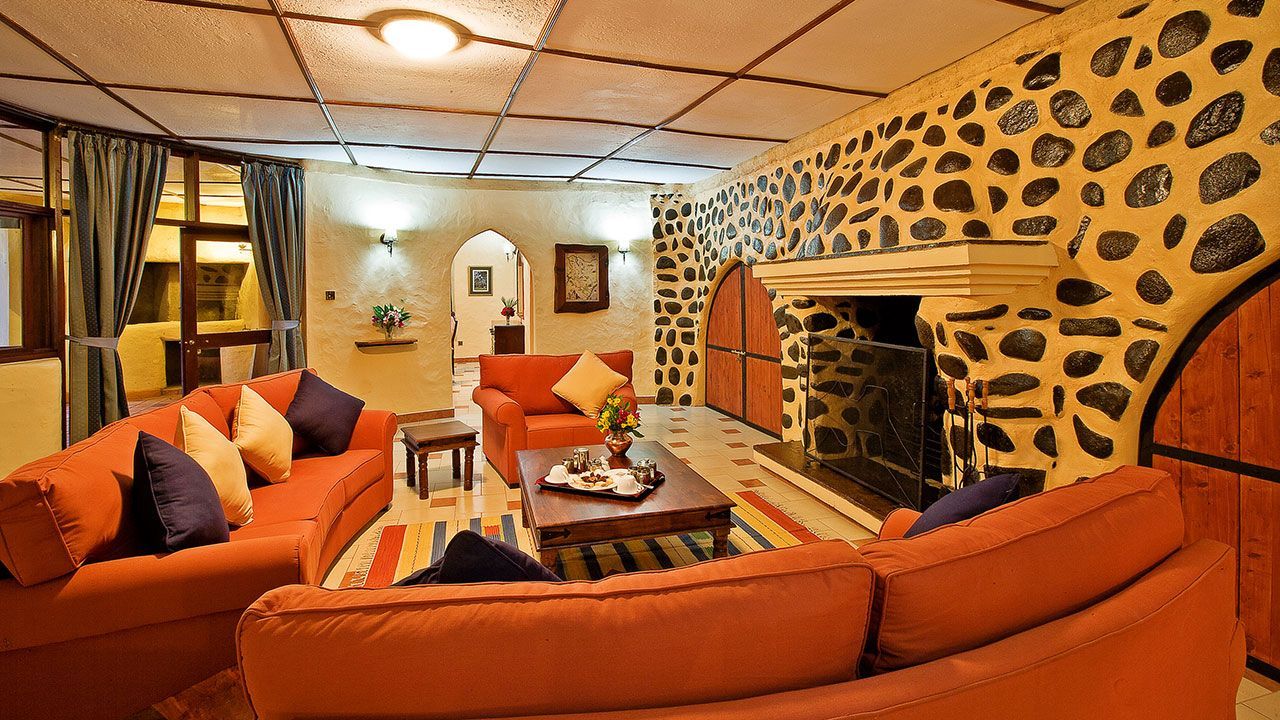
Amboseli Sopa Lodge
Just outside Amboseli National Park
Set in 200 acres of private land, and with a rustic charm all of its own, the Amboseli Sopa Lodge nestles in the foothills of Mount Kilimanjaro
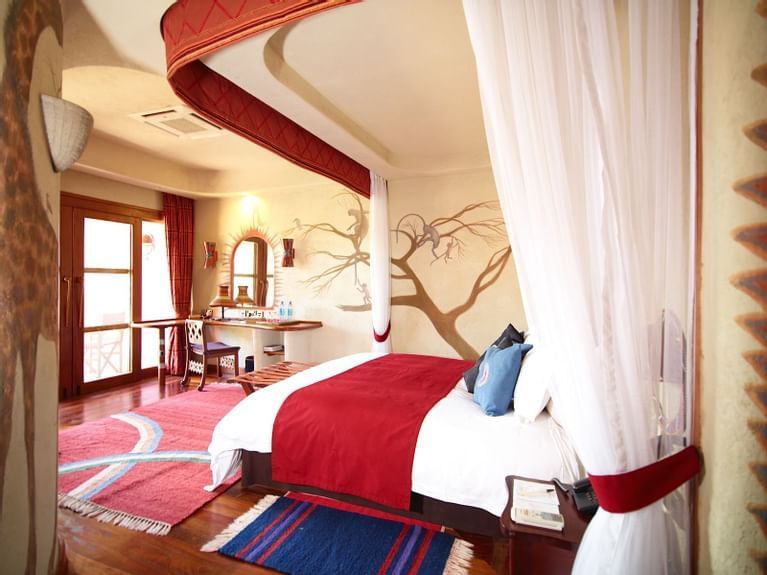
Amboseli Serena Safari Lodge
Amboseli National Park
The Amboseli Serena Safari Lodge is located within the Amboseli National Park and has great views over the plains towards Mount Kilimanjaro.
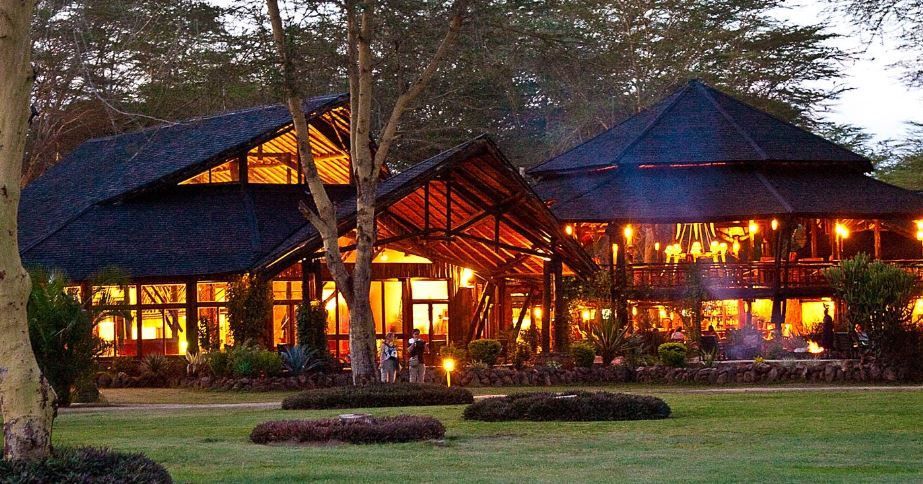
Ol Tukai Lodge
Amboseli National Park
Ol Tukai Lodges features 80 luxury chalet-style twin rooms, all with an uninterrupted view of the wetlands or the magnificent Mt. Kilimanjaro.
We have access to a wide range of handpicked accommodation options — from rustic eco-camps and authentic bush lodges to stylish tented retreats with breathtaking views. If you don’t see the exact lodge or camp you’re looking for, just let us know — we can arrange a variety of stays to suit different tastes, travel styles, and budgets.
Average Weather and Climate in Central Kalahari Game Reserve
The Kalahari is a desert, but it isn’t barren. Its climate is defined by dramatic shifts between wet and dry seasons.
From May to September, the dry season dominates. Daytime temperatures are warm and pleasant, while nights can dip close to freezing, especially in June and July. These cooler, clearer months make for excellent game drives, with animals gathering at waterholes.
November through April brings the rains. Showers are often dramatic but short-lived, transforming the desert into a green paradise. Wildlife disperses more widely, but the abundance of young animals and birdlife makes it an exceptional time for nature lovers.
October is the hottest month, with searing daytime temperatures that test even seasoned travellers. Yet for those who endure the heat, wildlife sightings are often at their most concentrated.
Overall, the Central Kalahari offers rewarding safaris year-round — the key is matching the season to the kind of experience you’re seeking.
Combine with Other Destinations
The Central Kalahari pairs beautifully with Botswana’s other safari highlights. For contrast, add the lush waterways of the Okavango Delta, where mokoro rides glide silently past hippos and elephants. The desert-to-delta combination is one of Africa’s greatest contrasts.
To the north, Chobe National Park offers immense elephant herds, while the Makgadikgadi Pans promise surreal salt-flat landscapes and meerkat encounters. Travellers often include the Central Kalahari as part of a circuit that showcases Botswana’s diversity in full.
The reserve is accessible from Maun, making it a natural extension to both Delta and pan safaris. Talk to us about creating a custom itinerary that captures the best of Botswana’s wild places.
Travelling from the UK to Central Kalahari
Travelling from the UK typically involves an overnight flight to Johannesburg, followed by a short onward flight to Maun, Botswana.
From Maun, travellers can connect via light aircraft transfer or guided 4x4 journey into the Central Kalahari.
Total travel time averages 15–18 hours.
Awake in the Wild handles every detail — from international flights to lodge transfers — ensuring your journey is seamless.
Discover the Wild, Your Way: Tailor Your Central Kalahari Safari with Us
The Central Kalahari Game Reserve is a place of elemental beauty — a vast desert alive with predators, prey, and ancient cultural traditions. Its scale and solitude create a safari that is as much about reflection and connection as it is about wildlife. For those seeking something beyond the ordinary, this is a journey into Africa’s wild soul.
Talk to us about the experiences you’ve always dreamed of. We’ll match you with handpicked lodges, expert local guides, and authentic adventures that bring Central Kalahari Game Reserve to life.
Speak to one of our safari specialists today — call us or fill out our quick enquiry form, and let’s start planning your tailor-made adventure.
Send an Enquiry
We will get back to you as soon as possible.
Please try again later.
Frequently Asked Questions
What is the best time to visit the Central Kalahari Game Reserve?
The park is a year-round destination, but the green season (November–April) is particularly rewarding for wildlife and dramatic scenery, while the dry season (May–September) offers easier game viewing around waterholes. Each season brings unique experiences.
Is the Central Kalahari suitable for first-time safari travellers?
Yes — though it’s more remote than other parks, which is part of its appeal. First-time travellers will find the landscapes unforgettable and the wildlife sightings deeply rewarding, especially with expert guides to interpret the desert’s rhythms.
What animals can I see in the Central Kalahari?
The reserve is famous for its black-maned Kalahari lions, cheetahs, leopards, and brown hyenas. Large herds of springbok, gemsbok, and wildebeest roam the plains, and birdlife is prolific, with kori bustards, secretary birds, and colourful bee-eaters among the highlights.
How accessible is the Central Kalahari Game Reserve?
Access is via Maun, Botswana. From there, travellers connect by light aircraft or 4x4 transfer. Due to the reserve’s remoteness, self-drive safaris are not recommended unless you’re highly experienced. Awake in the Wild ensures all logistics are handled seamlessly.
Can I combine a Central Kalahari safari with other destinations?
Absolutely. The reserve pairs beautifully with the Okavango Delta for a desert-to-delta contrast. Chobe National Park and the Makgadikgadi Pans are also popular combinations, creating a varied and immersive Botswana itinerary.
Is the Central Kalahari family-friendly?
Yes, but it’s better suited to families with older children (10+) due to its remoteness and long game drives. Lodges offer family-friendly accommodation and private safaris can be arranged for flexibility and comfort.
Is it safe to travel to the Central Kalahari?
Yes. Botswana is one of Africa’s safest safari destinations, and all safaris are led by professional guides. Lodges and camps follow strict safety protocols, ensuring you can enjoy the wilderness with peace of mind.
What types of accommodation are available?
You can choose from eco-luxury lodges with every comfort, classic tented camps that bring you close to nature, or boutique bush retreats offering a more intimate experience. All accommodation options are designed to blend seamlessly with the desert environment.
How do weather conditions affect the safari experience?
In the dry season, wildlife clusters at waterholes, making for easier sightings. In the wet season, the desert blooms with greenery, birdlife, and young animals. Both seasons offer outstanding photography opportunities, from stark desert sunsets to storm-lit skies.
Do UK travellers need a visa for Botswana?
No. UK passport holders do not require a visa for stays of up to 90 days in Botswana. Your passport must be valid for at least six months beyond your trip. Awake in the Wild can advise on entry requirements and travel logistics.