Matobo Hills National Park Safaris
Balancing granite domes, ancient rock art, and rare rhinos on Zimbabwe’s sacred hills.
Best Time To Go
May to September (dry season - clear skies)
High Season
July to October
Size
Approx 3,400 square kilometres
Altitude
1,100–1,500 metres
above sea level
Matobo Hills National Park Safari Holidays
Sacred Hills and Secret Wildlife
Matobo Hills National Park is a place where culture, history, and wildlife meet in a landscape like no other. Known for its dramatic granite outcrops, spiritual sites, and one of Africa’s most concentrated populations of rhinos, it offers an experience that is as soulful as it is scenic.
This is Zimbabwe’s oldest national park — and one of its most captivating.
Why Visit Matobo Hills National Park?
Located just south of Bulawayo, Matobo Hills is a UNESCO World Heritage Site famed for its striking geology and cultural significance. Giant granite boulders balance impossibly on one another, forming surreal natural sculptures that dominate the skyline. These formations are not only visually dramatic but also deeply spiritual, holding cultural importance for the local communities who have lived in their shadow for millennia.
The park’s caves conceal some of Africa’s finest ancient rock art, created by the San people thousands of years ago. These paintings, depicting hunts, ceremonies, and wildlife, give visitors a rare glimpse into early human life on the continent. Few parks combine such a powerful sense of history with natural splendour.
Ecologically, Matobo Hills is rich and varied. Its rocky valleys, wooded gorges, and open grasslands provide habitats for an impressive range of species. Beyond its rhinos, the park is home to leopards, klipspringer, and over 300 bird species, including the world’s largest concentration of Verreaux’s eagles.
What sets Matobo apart is its slower, more contemplative pace. While other parks might overwhelm with sheer animal numbers, Matobo invites you to immerse yourself in its layered stories — of people, wildlife, and landscape intertwined in one timeless place.
Wildlife and Nature
The landscapes of Matobo Hills are like nowhere else in Africa. Imagine golden grasslands broken by domes of pink granite, their surfaces cracked and weathered by centuries of wind and rain. In the cool mornings, the air carries the scent of wild herbs, while the cries of eagles echo against the rock faces. It’s a park where silence feels sacred, yet life pulses everywhere.
Matobo is one of Zimbabwe’s best places to see both black and white rhinoceroses. Guided walks offer the rare privilege of approaching these magnificent animals on foot, an encounter that is both humbling and unforgettable. Leopards thrive among the rocky kopjes, where their camouflage is near perfect, while klipspringer antelope leap effortlessly across sheer boulders.
Birdlife here is astonishing. More than 300 species have been recorded, with Verreaux’s eagles particularly iconic — soaring in pairs above the granite cliffs. Other highlights include colourful bee-eaters, martial eagles, and the melodious calls of coucals in the valleys.
Seasonal changes bring new dynamics. During the dry months, wildlife congregates around waterholes, making sightings easier. In the rains, the park bursts into green, wildflowers carpet the valleys, and streams carve fresh life through the rocks. Conservation initiatives led by local and international organisations ensure the protection of both rhinos and cultural sites, giving each visit a sense of shared guardianship.
Unlike anywhere else, the wildlife of Matobo is experienced in a setting of ancient grandeur, where every animal sighting feels amplified by the dramatic scenery and the whispers of history around you.
Best Time to Visit Matobo Hills National Park
The dry season (May to September) is the most popular time to visit. Clear skies and mild daytime temperatures make exploring both wildlife and cultural sites comfortable. Rhinos are easier to track on foot during this time, as vegetation thins and animals gather near permanent water sources.
The hot dry months (October to early November) bring soaring temperatures, but they also provide thrilling wildlife activity as animals crowd into fewer waterholes. Photographers love this season for its stark contrasts and dramatic sunsets over the granite domes.
The green season (November to April) transforms Matobo into a lush wonderland. Afternoon rains wash the rocks in deep colours, streams trickle through valleys, and birdlife explodes in diversity with the arrival of migratory species.
Rock art sites become especially atmospheric in the soft post-rain light, and the hills themselves gleam in vibrant shades of emerald and bronze.
For photographers, sunrise and sunset are magical year-round, with golden light painting the rocks and silhouettes of rhinos or eagles against fiery skies.
Accessibility is generally good throughout the year, though some tracks may become muddy during peak rains.
Whether you’re here for rhino tracking in the dry season or the vibrant landscapes of the rains, Matobo offers a rewarding safari experience in every season.
Safari Experiences in Matobo Hills National Park
Matobo Hills is a park of stories, both natural and cultural, and its safari experiences reflect this unique blend. Here, every activity feels deeply personal, whether you’re tracing rhino tracks, climbing to a rock art cave, or standing in silence on a sacred hilltop.
- Rhino Tracking on Foot: One of Africa’s most unforgettable experiences, tracking rhinos on foot in Matobo lets you approach these giants in their natural habitat. With expert guides, you’ll learn to read tracks, follow subtle signs, and feel the thrill of standing just metres from a grazing rhino.
- Rock Art Discovery Walks: Step into ancient caves and marvel at San rock paintings that date back thousands of years. These artworks bring to life the rituals, wildlife, and daily life of early people, offering a cultural layer few other parks can match.
- Raptor Watching at the Cliffs: Matobo is home to the world’s highest concentration of Verreaux’s eagles. Watching these magnificent birds soar over granite domes is both thrilling and serene, and birders will delight in the park’s rich avian diversity.
- Cultural Encounters with Local Communities: Meet people from nearby villages who share stories of their traditions, crafts, and spiritual connection to the hills. These encounters add meaning to your safari, showing how human life and nature are intertwined here.
- Sunset Hikes to Sacred Viewpoints: Climb a granite kopje as the sun dips low, bathing the rocks in fiery orange. From these vantage points, the hills stretch endlessly, and the stillness of dusk creates moments of reflection that are uniquely Matobo.
- Historic Sites and the Grave of Cecil Rhodes: For those interested in history, the park contains several colonial-era landmarks, including Rhodes’ grave at World’s View. While controversial, these sites provide context to Zimbabwe’s layered past, adding another dimension to your visit.
Where to Stay in Matobo Hills
Matobo Hills National Park offers a wide range of accommodation options to suit different preferences and budgets, all set within or just outside the park boundaries. These typically include:
- Eco-Luxury Lodges: Perched on granite outcrops with sweeping views of the hills, these lodges blend indulgence with sustainability. Expect private suites, infinity pools, and gourmet dining under the stars, with rhinos often visible from your terrace.
- Tented Camps: Stay under canvas in intimate camps that combine the romance of a traditional safari with modern comforts. Nights here are filled with the sounds of owls, nightjars, and the occasional distant roar of a leopard.
- Boutique Bush Retreats: Small, characterful lodges that focus on authenticity and personal hosting. These retreats often highlight local culture, with traditional décor, community involvement, and locations in scenic, secluded corners of the park.
- Cultural Guesthouses: For a more immersive experience, some community-run guesthouses outside the park offer homestays, giving you insight into local traditions and hospitality.
At Awake in the Wild, we work only with lodges and camps that meet our ethical and sustainability standards. Whether you’re looking for solar-powered luxury or a simple campfire safari experience, we’ll match you to the perfect base. If you don’t see the exact lodge or camp you’re looking for, just let us know — we’re able to arrange a variety of stays to suit different tastes, travel styles, and budgets.
A Selection of our Matobo Hills Safari Accommodation
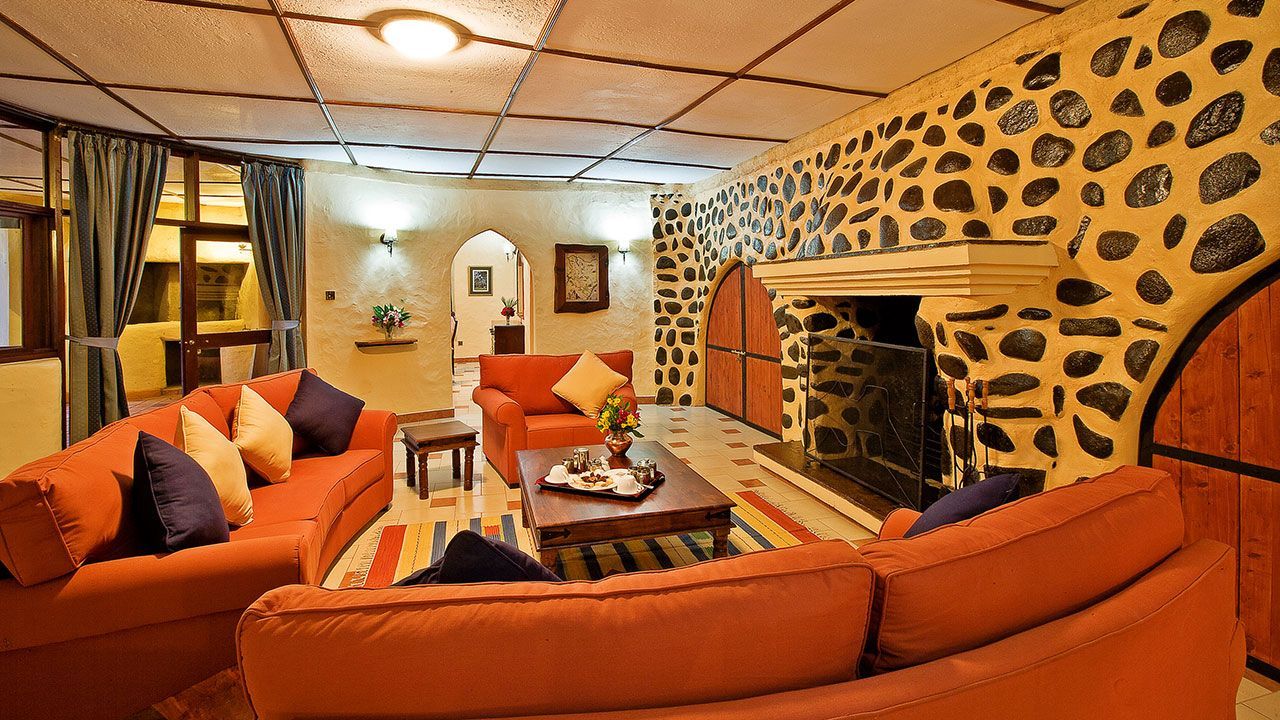
Amboseli Sopa Lodge
Just outside Amboseli National Park
Set in 200 acres of private land, and with a rustic charm all of its own, the Amboseli Sopa Lodge nestles in the foothills of Mount Kilimanjaro
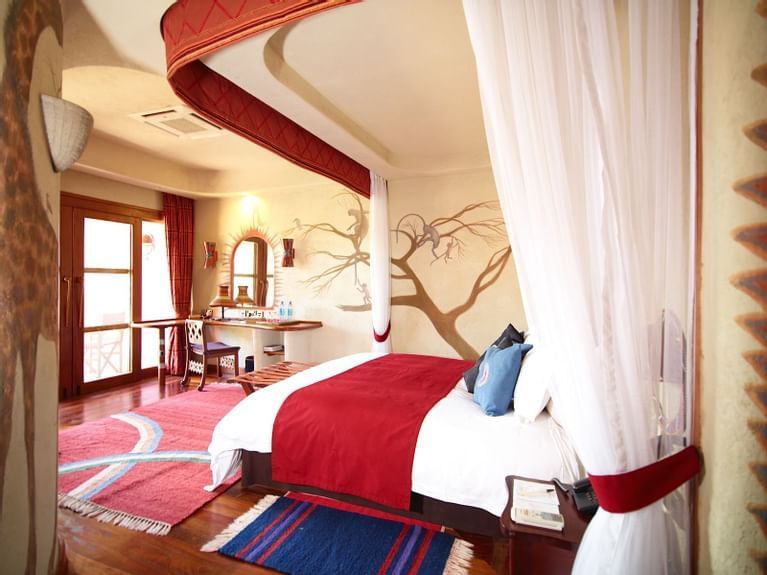
Amboseli Serena Safari Lodge
Amboseli National Park
The Amboseli Serena Safari Lodge is located within the Amboseli National Park and has great views over the plains towards Mount Kilimanjaro.
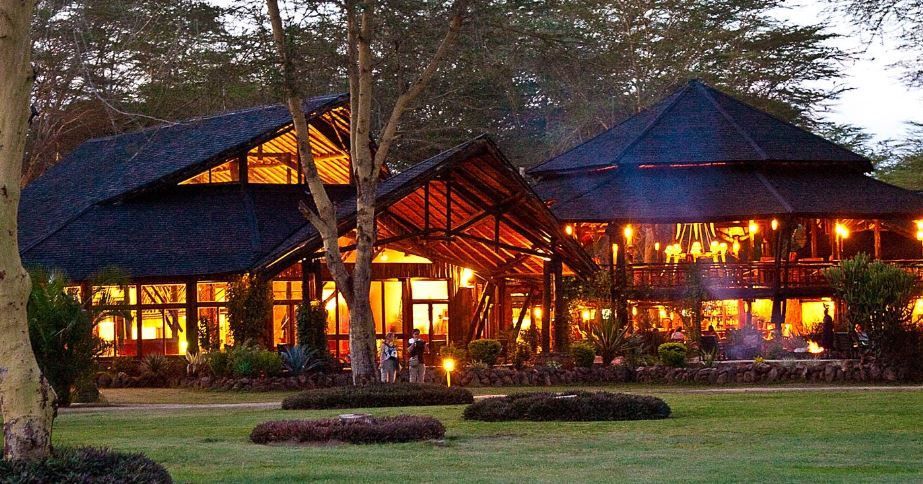
Ol Tukai Lodge
Amboseli National Park
Ol Tukai Lodges features 80 luxury chalet-style twin rooms, all with an uninterrupted view of the wetlands or the magnificent Mt. Kilimanjaro.
We have access to a wide range of handpicked accommodation options — from rustic eco-camps and authentic bush lodges to stylish tented retreats with breathtaking views. If you don’t see the exact lodge or camp you’re looking for, just let us know — we can arrange a variety of stays to suit different tastes, travel styles, and budgets.
Average Weather and Climate in Matobo Hills
The climate of Matobo Hills is shaped by its elevation and granite landscapes, offering cooler conditions than many of Zimbabwe’s lowland parks.
The dry season (May to September) brings clear skies, warm days, and crisp nights. Daytime highs average 22–26°C, while nights can drop to 7–10°C, so layers are essential. Wildlife viewing is excellent as rhinos and other animals are more visible in the thinner vegetation.
The hot dry period (October to early November) sees temperatures climb above 30°C. Wildlife gathers tightly around waterholes, providing some of the best rhino tracking opportunities, though conditions can be dusty and hot.
The wet season (November to April) is marked by afternoon thunderstorms that refresh the landscape. The hills glisten after rain, wildflowers bloom, and streams flow between granite boulders. Birdlife is at its peak, with migratory species adding colour and song. While access may be more challenging on dirt roads, the scenery is at its most vibrant.
Throughout the year, Matobo’s light creates dramatic contrasts — golden at dawn, fiery at sunset, and crystal-clear under star-filled skies. This unique atmosphere makes the park a delight for photographers and a comfortable safari destination year-round.
Combine with Other Destinations
Matobo Hills is perfectly placed for combining with other highlights of Zimbabwe. Pair it with Hwange National Park for classic big-game safaris, or with Victoria Falls for the roar of one of the world’s natural wonders.
Closer to hand, the historic city of Bulawayo makes a fascinating stop, with its colonial architecture, museums, and lively markets providing cultural depth.
Travellers can also extend into Gonarezhou National Park, with its wild landscapes and elephants, or even cross into Botswana for Chobe and the Okavango Delta.
Its location near major road and air links makes Matobo an easy addition to both short and extended itineraries.
Talk to us about creating a custom journey that blends culture, wildlife, and scenery into one unforgettable adventure.
Travelling from the UK to Matobo Hills
Flights from London to Bulawayo usually connect via Johannesburg, Addis Ababa, or Doha, with total travel times of 14–16 hours including layovers.
From Bulawayo, Matobo Hills is just a 45-minute road transfer, making it one of Zimbabwe’s most accessible national parks. Scenic drives through rolling countryside add to the sense of arrival. Charter flights can also be arranged for those preferring quicker connections.
UK passport holders require a visa for Zimbabwe, generally available on arrival. Passports should be valid for at least six months beyond entry. Malaria precautions and routine vaccinations are recommended, and Awake in the Wild provides the latest travel health advice during trip planning.
From international flights to local transfers and lodge bookings, Awake in the Wild manages every step, ensuring your journey to Matobo is effortless and memorable.
Discover the Wild, Your Way: Tailor Your Matobo Hills Safari with Us
Matobo Hills is unlike any other park — a place where rhinos roam beneath balancing boulders, eagles soar above sacred hills, and ancient rock art tells the story of humanity itself. It is a destination that inspires wonder, reflection, and a deep connection with both nature and culture.
Talk to us about the experiences you’ve always dreamed of. We’ll match you with handpicked lodges, expert local guides, and authentic adventures that bring Matobo Hills National Park to life.
Speak to one of our safari specialists today — call us or fill out our quick enquiry form, and let’s start planning your tailor-made adventure.
Send an Enquiry
We will get back to you as soon as possible.
Please try again later.
Frequently Asked Questions
What makes Matobo Hills National Park special?
Matobo Hills is unique for its dramatic granite landscapes, San rock art, and one of Africa’s best rhino populations. It combines wildlife, culture, and history in a UNESCO World Heritage Site.
Can I see rhinos in Matobo Hills?
Yes. The park is famous for both black and white rhinos, which can often be tracked on foot with expert guides — a rare and thrilling safari experience.
Is Matobo Hills suitable for first-time safari travellers?
Absolutely. With its easy access from Bulawayo, variety of activities, and mix of wildlife and cultural attractions, Matobo is an excellent choice for both first-timers and seasoned safari-goers.
What wildlife can I see besides rhinos?
In addition to rhinos, Matobo is home to leopards, klipspringer, hyraxes, and over 300 bird species. The park is especially famous for its high concentration of Verreaux’s eagles.
When is the best time to visit Matobo Hills?
The dry season (May–September) is ideal for rhino tracking and hiking, with mild weather and clear skies. The rainy season (November–April) transforms the park into a lush, colourful landscape with vibrant birdlife.
Can I visit the San rock art sites?
Yes. Guided walks take you to caves with some of Africa’s best-preserved rock paintings, offering a fascinating glimpse into the lives of the San people thousands of years ago.
How do I get to Matobo Hills from the UK?
Fly from London to Bulawayo via Johannesburg, Addis Ababa, or Doha (approx. 14–16 hours including layovers). From Bulawayo, the park is just a 45-minute scenic drive away.
Are cultural experiences available in Matobo Hills?
Yes. Visitors can meet local communities to learn about traditions, crafts, and the spiritual significance of the hills, adding depth to the safari experience.
What is the climate like in Matobo Hills?
The park enjoys warm days and cool nights year-round, thanks to its altitude. Dry months are mild and comfortable, while the rainy season brings lush greenery and vibrant wildflowers.
Do UK travellers need a visa for Zimbabwe?
Yes. UK passport holders require a visa, usually available on arrival. Passports must be valid for at least six months, and malaria precautions are recommended. Awake in the Wild provides full guidance before travel.