Matusadona National Park Safaris
Lake Kariba’s shimmering shores, rhino strongholds, and untamed wilderness at Zimbabwe’s hidden gem.
Best Time To Go
July to October
(Dry season, prime wildlife viewing)
High Season
August to October
Size
Approx 1,470 square kilometres
Altitude
485–1,200 metres
above sea level
Matusadona National Park Safari Holidays
Where Water Meets Wilderness
Matusadona National Park is one of Zimbabwe’s most scenic and tranquil safari destinations, set along the vast shores of Lake Kariba. Combining lakeside beauty with rugged inland wilderness, it’s a place where elephants wander the shoreline, hippos grunt beneath fiery sunsets, and rhinos roam the mopane woodlands.
A safari here offers both serenity and wild adventure, far from the crowds.
Why Visit Matusadona National Park?
Nestled on the southern banks of Lake Kariba, Matusadona offers a unique combination of water-based safaris and traditional game drives. Its landscapes are defined by sweeping lake vistas, rolling hills, and riverine forests — making it as photogenic as it is biodiverse.
The park was once a rhino sanctuary and remains one of the best places in Zimbabwe to track these endangered giants. Alongside rhinos, elephants, buffalo, and big cats roam freely, while the lake itself teems with hippos, crocodiles, and birdlife.
Unlike Zimbabwe’s more famous parks, Matusadona has a slower, more intimate rhythm. Here, safaris are about drifting along the water in a boat, watching elephants wade chest-deep into the lake, or listening to fish eagles call from skeletal trees that rise from the water. It’s a safari that combines tranquillity with raw encounters.
Matusadona also stands apart for its remoteness. Accessible by boat, light aircraft, or long drives, it retains a sense of exclusivity. For travellers who want something different — a blend of lakeside relaxation, walking safaris, and unforgettable wildlife — Matusadona is a perfect choice.
Wildlife and Nature
Matusadona’s landscapes are a study in contrasts: the vast expanse of Lake Kariba, the mopane and miombo woodlands, and the rugged escarpment that rises behind them. Dawn here is a sensory symphony — mist rising from the lake, the cry of fish eagles slicing through still air, and the earthy smell of wet reeds mingling with the musk of buffalo.
The park is renowned for its elephant herds, which are often seen feeding along the shoreline or swimming through the shallows. Buffalo gather in impressive numbers, while lions and leopards patrol the forests and grasslands. The park also protects a population of critically endangered black rhinos, making it a rare and rewarding destination for rhino tracking.
Hippos are ever-present, their bellows resonating across the lake, while Nile crocodiles bask on sandy banks. For birdwatchers, Matusadona is a paradise: over 350 species have been recorded, from majestic fish eagles to colonies of cormorants and the dazzling malachite kingfisher.
Seasonal changes define the wildlife experience. During the dry months, game concentrates on the lake’s edge, creating unforgettable scenes of elephants silhouetted against golden sunsets. With the rains, the bush thickens, wildflowers bloom, and the birdlife becomes even more prolific.
Conservation has played a pivotal role in Matusadona’s story. Partnerships between Zimbabwe Parks and private conservation groups have strengthened rhino protection and restored ecosystems, ensuring that each visitor directly supports the park’s survival.
What sets Matusadona apart is this rare combination: thrilling big-game encounters set against a watery wilderness, where every safari feels as much about the scenery as the wildlife.
Best Time to Visit Matusadona National Park
The dry season (July to October) is the most rewarding time to visit. Wildlife flocks to the lakeshore as inland water dries up, making it easy to spot elephants, buffalo, and predators along the water’s edge. The skeletal drowned forests rising from Lake Kariba’s blue expanse create one of Africa’s most iconic photographic backdrops.
Days are hot and dry, with cooler evenings.
The early dry months (May to June) are also pleasant, with comfortable daytime temperatures and crisp mornings. Game is still relatively dispersed, but the park is quieter, offering a more private safari experience.
The wet season (November to April) transforms Matusadona into a lush green sanctuary. Rainfall revitalises the bush, birdlife explodes in diversity with migratory arrivals, and the park feels alive with renewal. This is the best season for birdwatchers and photographers who love dramatic skies and vibrant colours.
However, thick vegetation makes wildlife harder to spot, and some roads can become impassable.
For photographers, sunsets over Lake Kariba are spectacular year-round, but the dry months offer especially atmospheric opportunities — elephants against fiery skies, or reflections of acacia trees in still waters.
Early mornings also provide soft light perfect for capturing both landscapes and wildlife.
Whether you’re drawn to the concentrated drama of the dry season or the lush beauty of the rains, Matusadona offers a safari atmosphere that is both distinct and rewarding at any time of year.
Safari Experiences in Matusadona National Park
Matusadona offers a mix of traditional safaris and unique, water-based adventures. Its blend of land and lake ensures that every experience feels different — from drifting silently across Kariba’s surface to walking in search of rhinos.
- Boat Safaris on Lake Kariba: Glide across the lake at sunrise, when the water glows pink and hippos rise with snorts around your boat. These safaris provide close-up views of crocodiles, elephants drinking, and spectacular birdlife.
- Rhino Tracking on Foot: Matusadona is one of Zimbabwe’s rhino strongholds. Walking with skilled guides in search of these endangered giants is a thrilling and humbling experience, connecting you with conservation efforts on the ground.
- Shoreline Game Drives: Drive along the lake’s edge as elephants wade chest-deep into the shallows, buffalo graze on fresh grasses, and lions patrol nearby woodlands. The juxtaposition of wildlife and water makes every game drive uniquely photogenic.
- Fishing on Lake Kariba: Try your hand at catching tigerfish — one of Africa’s most sought-after freshwater species — or bream. Fishing trips combine sport with scenery, often accompanied by elephants on the banks and the calls of fish eagles overhead.
- Cultural Encounters with Local Communities: Meet people who live along the shores of Lake Kariba and learn about fishing traditions, crafts, and how local life is tied to the rhythms of the lake. These interactions provide a deeper appreciation of the area’s heritage.
- Sunset Cruises Among Drowned Forests: As the sun sinks, cruise through eerie forests of dead trees rising from the water. Silhouetted against orange skies, they create one of Africa’s most atmospheric settings, made even more magical by the presence of elephants or hippos in the shallows.
Where to Stay in Matusadona
Matusadona National Park offers a wide range of accommodation options to suit different preferences and budgets, all set within or just outside the park boundaries. These typically include:
- Eco-Luxury Lodges: Positioned on hillsides overlooking Lake Kariba, these lodges feature spacious suites with private decks, infinity pools, and starlit dining. Many incorporate eco-friendly practices, blending luxury with sustainability.
- Tented Camps: Classic tented safari camps put you close to the sounds of the wild. Canvas walls and lantern-lit pathways create an authentic bush atmosphere, without compromising on comfort.
- Boutique Bush Retreats: Small, character-rich properties that prioritise personal hosting and scenic settings. Perfect for travellers who want charm, intimacy, and a strong sense of place.
- Houseboats on Lake Kariba: A unique way to explore the park, houseboats allow you to sleep on the water itself. Wake to sunrise over the lake, enjoy fishing by day, and stargaze from the deck at night.
At Awake in the Wild, we work only with lodges and camps that meet our ethical and sustainability standards. Whether you’re looking for solar-powered luxury or a simple campfire safari experience, we’ll match you to the perfect base. If you don’t see the exact lodge or camp you’re looking for, just let us know — we’re able to arrange a variety of stays to suit different tastes, travel styles, and budgets.
A Selection of our Matusadona Safari Accommodation
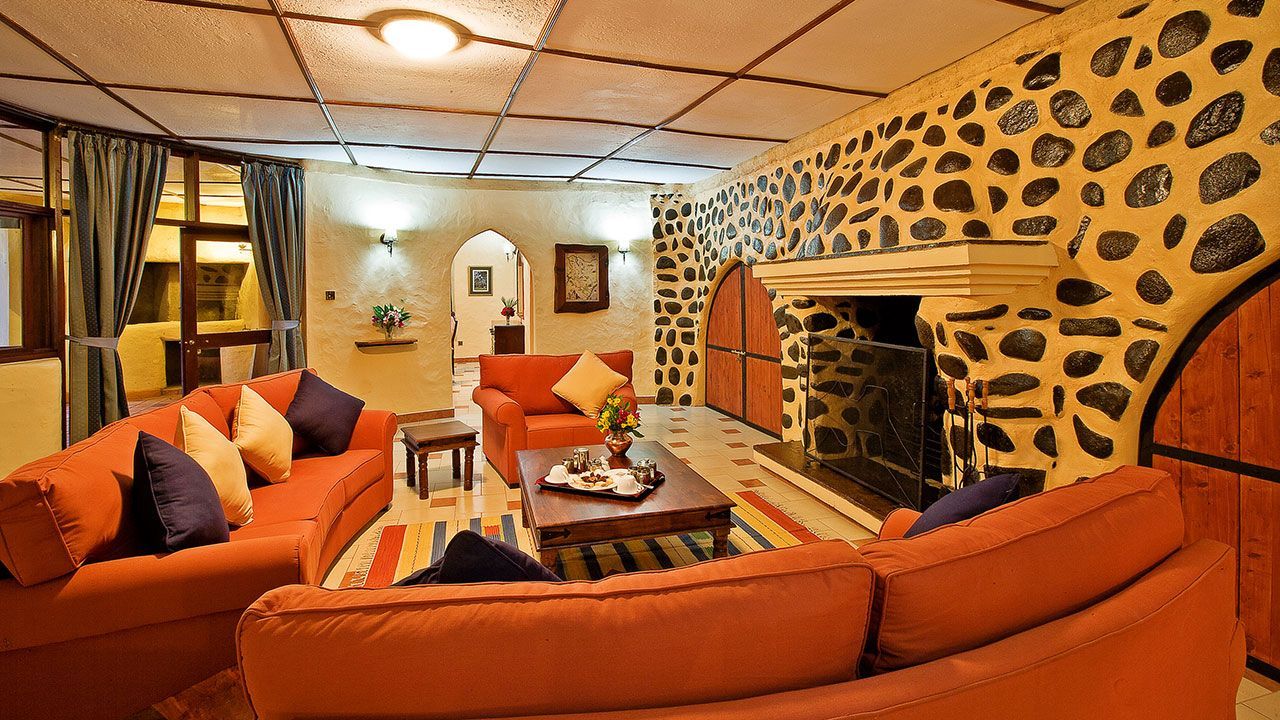
Amboseli Sopa Lodge
Just outside Amboseli National Park
Set in 200 acres of private land, and with a rustic charm all of its own, the Amboseli Sopa Lodge nestles in the foothills of Mount Kilimanjaro
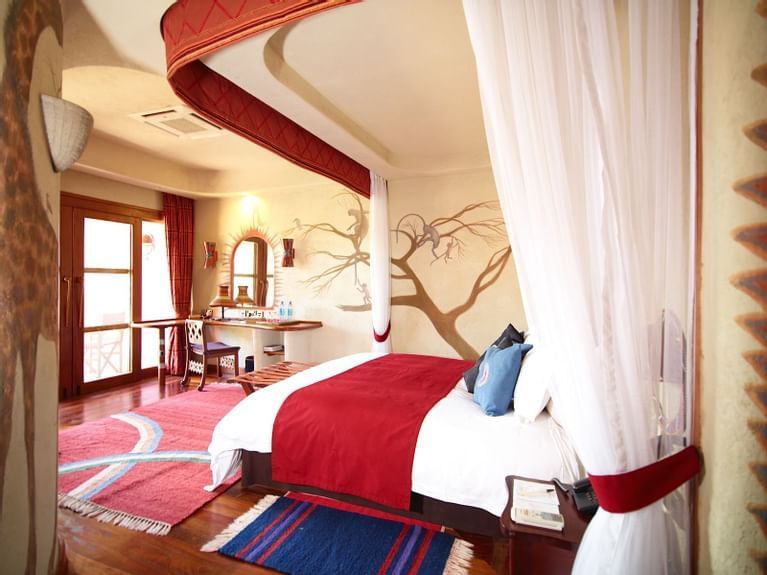
Amboseli Serena Safari Lodge
Amboseli National Park
The Amboseli Serena Safari Lodge is located within the Amboseli National Park and has great views over the plains towards Mount Kilimanjaro.
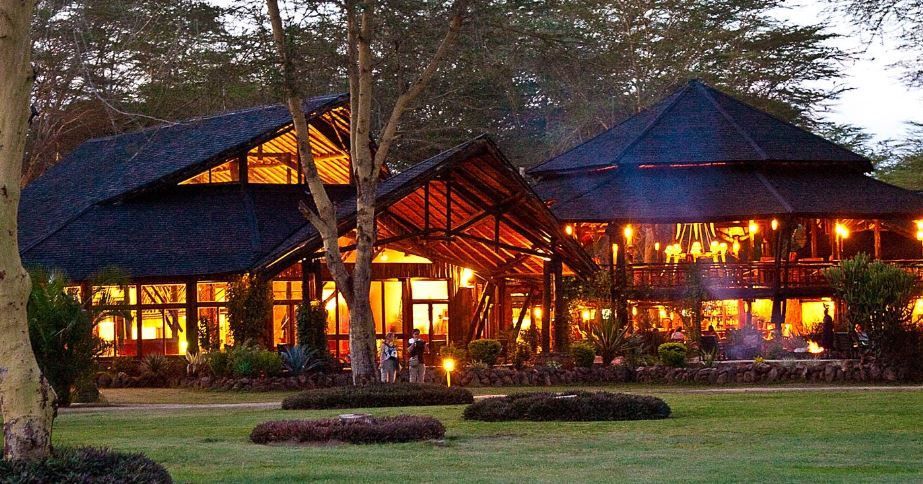
Ol Tukai Lodge
Amboseli National Park
Ol Tukai Lodges features 80 luxury chalet-style twin rooms, all with an uninterrupted view of the wetlands or the magnificent Mt. Kilimanjaro.
We have access to a wide range of handpicked accommodation options — from rustic eco-camps and authentic bush lodges to stylish tented retreats with breathtaking views. If you don’t see the exact lodge or camp you’re looking for, just let us know — we can arrange a variety of stays to suit different tastes, travel styles, and budgets.
Average Weather and Climate in Matusadona
Matusadona’s climate is shaped by Lake Kariba and the Zambezi escarpment, creating a warm and varied environment.
The dry season (May to October) is hot and clear, with daytime temperatures ranging from 25°C in May/June to over 30°C in September and October. Nights are cooler early in the season but remain mild later on. Wildlife viewing is at its peak as animals concentrate along the lake’s shores.
The wet season (November to April) brings heavy afternoon rains that refresh the bush. Daytime highs average 28–32°C with increased humidity. The landscape turns green and vibrant, rivers and streams swell, and birdlife flourishes. Roads may become muddy, but the photographic rewards are immense.
Unique to Matusadona is the influence of Lake Kariba, which moderates extremes and adds a distinctive watery backdrop to the safari. The lake also creates its own microclimates, with breezes cooling the shoreline even during hotter months.
Each season paints the park differently: dusty golds in August, emerald greens in December, and fiery sunsets all year long. Whatever the season, Matusadona offers a safari atmosphere that feels both wild and peaceful.
Combine with Other Destinations
Matusadona pairs perfectly with Mana Pools National Park, just upriver, offering a contrasting experience between Mana’s floodplains and Matusadona’s lakeshore.
It also links well with Hwange National Park, known for its vast elephant herds, creating a diverse Zimbabwe itinerary.
The park’s location on Lake Kariba also makes it easy to combine with a stay on the water itself — either aboard a houseboat or at one of the lake’s islands.
From here, travellers can extend to Victoria Falls, just a short flight away, for one of the world’s most iconic natural spectacles.
Whether as a peaceful interlude between big-game destinations or the centrepiece of a Zimbabwe journey, Matusadona blends seamlessly into a Southern Africa safari circuit.
Talk to us about creating a custom itinerary that combines lakeside serenity with wild adventure.
Travelling from the UK to Matusadona
Travelling from the UK to Matusadona begins with flights from London to either Harare or Victoria Falls, typically via Johannesburg, Addis Ababa, or Doha. Journey times are around 13–16 hours including connections.
From Harare, light aircraft flights take you directly to Matusadona, landing on bush airstrips near the park. Alternatively, road and boat transfers via Kariba town provide a scenic approach, with lake crossings adding to the sense of adventure. From Victoria Falls, connections are possible via light aircraft or combined road-and-boat routes.
UK passport holders require a visa to enter Zimbabwe, usually obtainable on arrival. Passports must be valid for at least six months. Malaria precautions and routine vaccinations are recommended, and Awake in the Wild will provide tailored health and travel advice.
From international flights to lodge transfers, Awake in the Wild ensures your journey is seamless, so you can focus on the extraordinary safari awaiting you at Matusadona.
Discover the Wild, Your Way: Tailor Your Matusadona Safari with Us
Matusadona is safari with a difference — where elephants wade into glittering waters, rhinos roam ancient woodlands, and fiery sunsets reflect across Lake Kariba’s vast horizon. It is a place of stillness and drama, of wild encounters set against one of Africa’s most unique landscapes.
Talk to us about the experiences you’ve always dreamed of. We’ll match you with handpicked lodges, expert local guides, and authentic adventures that bring Matusadona National Park to life.
Speak to one of our safari specialists today — call us or fill out our quick enquiry form, and let’s start planning your tailor-made adventure.
Send an Enquiry
We will get back to you as soon as possible.
Please try again later.
Frequently Asked Questions
What makes Matusadona National Park unique?
Matusadona combines traditional land safaris with water-based adventures on Lake Kariba. It’s one of Zimbabwe’s rhino strongholds and offers spectacular sunsets, tranquil boat cruises, and diverse wildlife.
What is the best time to visit Matusadona?
The dry season (July–October) is best for concentrated wildlife viewing along the lakeshore. The green season (November–April) brings lush scenery, dramatic skies, and incredible birdwatching opportunities.
Can I see rhinos in Matusadona?
Yes. Matusadona is known for its populations of black and white rhinos. Guided tracking experiences on foot provide the rare chance to encounter these endangered animals up close.
Are boat safaris available in Matusadona?
Yes. Boat safaris on Lake Kariba are a highlight, offering sightings of hippos, crocodiles, elephants at the water’s edge, and abundant birdlife. Sunset cruises are especially memorable.
What other wildlife can I expect to see?
The park is home to elephants, buffalo, lions, leopards, hippos, crocodiles, and over 350 bird species. Its lakeshore attracts large herds, while predators patrol the woodlands and hills.
How do I get to Matusadona from the UK?
Fly from London to Harare or Victoria Falls (via Johannesburg, Addis Ababa, or Doha), then connect by light aircraft, road transfer, or boat to reach the park.
Is Matusadona suitable for families?
Yes. Many lodges cater to families with child-friendly accommodation and activities. However, some walking or boating activities may have age restrictions for safety.
What types of accommodation are available?
Options include eco-luxury lodges overlooking Lake Kariba, intimate tented camps, boutique retreats, and houseboats that allow guests to sleep directly on the water.
What is the climate like in Matusadona?
The park has hot, dry winters (May–October) with excellent wildlife sightings, and a warm, rainy summer (November–April) when the landscape is lush and colourful. Lake breezes often moderate the heat.
Do UK travellers need a visa for Zimbabwe?
Yes. UK passport holders need a visa, which can usually be obtained on arrival. Passports must have at least six months’ validity. Awake in the Wild provides full travel advice before departure.