Bwindi Impenetrable National Park Safaris
Misty mountains, ancient rainforest, and rare mountain gorillas – Bwindi’s untamed safari wonderland.
Best Time To Go
June to August and December to February (dry seasons)
High Season
June to September
Size
Approx 331 square kilometres
Altitude
1,160 – 2,607 metres
above sea level
Bwindi Impenetrable National Park Safari Holidays
Land of Gorillas and Emerald Forests
Bwindi Impenetrable National Park is one of Africa’s most extraordinary safari destinations, a UNESCO World Heritage Site cloaked in misty montane rainforest. Renowned as the world’s premier location for tracking endangered mountain gorillas, Bwindi offers an experience as humbling as it is unforgettable. This is a safari where wildlife encounters, biodiversity, and cultural richness intertwine within an enchanting wilderness.
Why Visit Bwindi Impenetrable National Park?
Tucked away in south-western Uganda, Bwindi Impenetrable National Park is celebrated for its dense, ancient rainforest and unique status as one of the richest ecosystems in Africa. Its steep ridges and valleys are blanketed in lush vegetation that has thrived for over 25,000 years, creating an ecological time capsule of biodiversity.
What sets Bwindi apart is its intimate connection to the endangered mountain gorilla. Roughly half of the world’s remaining population resides here, giving visitors the rare opportunity to spend precious time with habituated families in their natural habitat. The intensity of trekking through the thick forest, followed by the quiet awe of seeing a silverback and his family, makes for a once-in-a-lifetime experience.
Beyond the gorillas, Bwindi is home to over 120 species of mammals, 350 bird species, and countless butterflies and plants — many endemic to this unique forest. Unlike the open savannahs of East Africa, Bwindi’s magic lies in its dense vegetation, where each step into the forest unveils a hidden world of colour, sound, and life.
Culturally, the park borders communities rich in heritage, including the Batwa people, one of Africa’s oldest surviving indigenous groups. Meeting them provides a glimpse into ancient forest traditions and their spiritual bond with the land. Bwindi is not just a safari; it’s a journey into the soul of Africa’s living rainforest.
Wildlife and Nature
Step into Bwindi and you are enveloped by a living cathedral of emerald leaves, towering mahoganies, strangler figs, and a chorus of birdsong. The forest floor smells of damp earth and wild orchids, while the mist drifting through the canopy adds an air of mystery to every trek.
The park’s star residents are, of course, the mountain gorillas. Watching a gorilla family interact is an unparalleled privilege: silverbacks displaying quiet dominance, mothers tenderly nursing infants, and youngsters tumbling through the undergrowth in playful abandon. These intimate encounters are strictly regulated for conservation, ensuring that each visit contributes to the protection of this critically endangered species.
Bwindi’s wildlife is far richer than gorillas alone. The park shelters chimpanzees, forest elephants, bush pigs, and rare antelope like the duiker. Its birdlife is a treasure trove, with African green broadbills, handsome francolins, and sunbirds shimmering in the filtered light. Butterfly enthusiasts will marvel at the 200+ species fluttering along forest paths.
Seasonal changes reveal different sides of Bwindi. In the dry months, gorilla treks are easier, with clearer trails and increased chances of sightings. During the rains, the forest bursts into vibrant life: waterfalls thunder with power, wildflowers bloom, and migratory birds arrive, making it a haven for photographers and naturalists alike.
Conservation is at the heart of Bwindi. Organisations like the Uganda Wildlife Authority and conservation partners work tirelessly to protect the gorillas and their habitat, with eco-tourism directly funding anti-poaching patrols and community initiatives. For travellers, a visit here is not only a wildlife adventure but also a meaningful contribution to safeguarding one of the world’s last great rainforests.
Best Time to Visit Bwindi
Bwindi can be visited year-round, but its character shifts dramatically with the seasons.
The dry seasons — June to August and December to February — are the most popular times to visit. Trails are more manageable, and gorilla tracking is less strenuous.
These months bring drier weather and clearer skies, allowing for easier navigation through the dense forest. Wildlife sightings, especially gorillas and other mammals, are more predictable as they stay closer to accessible areas.
During the wet seasons — March to May and September to November — the park transforms into an explosion of green. Rain showers refresh the forest, waterfalls swell, and the vegetation glistens under misty skies.
While trekking can be more challenging, this is the best time for birdwatching, as migratory species arrive and courtship displays bring the forest alive with sound and colour.
Photographers will relish the softer light and dramatic backdrops.
Unique events punctuate the year. Gorilla groups welcome new infants at any time, and sightings often include tender family interactions. The rains also encourage flowering plants, attracting vibrant butterfly swarms — an often-overlooked highlight.
Practical travellers should note that some roads may become muddy and slower to navigate during the rains. However, visitor numbers are lower, offering a more secluded experience.
Whether you choose the crisp clarity of the dry months or the lush vibrancy of the rains, Bwindi promises a truly immersive safari adventure.
Safari Experiences in Bwindi Impenetrable National Park
Bwindi’s safari experiences are unlike any other, offering moments of raw emotion, breathtaking landscapes, and encounters that feel deeply personal. Each adventure is tailored to highlight the park’s unique wildlife and cultural richness, ensuring every traveller leaves with memories etched in their heart.
Gorilla Trekking Adventures: The highlight of any Bwindi safari, gorilla trekking is an intimate, awe-inspiring journey into the rainforest. Guided by expert trackers, you’ll follow trails through tangled vines and misty undergrowth until you come face to face with a gorilla family. The hour spent in their presence is both humbling and unforgettable.
Birding in a Biodiversity Hotspot: With over 350 bird species, Bwindi is a paradise for birdwatchers. From the rare African green broadbill to the dazzling Ruwenzori turaco, the forest canopy is alive with colour and song. Guided walks open a window into this feathered world, perfect for keen photographers and naturalists alike.
Batwa Cultural Encounters: Step into the traditions of the Batwa, the original forest dwellers of Bwindi. Cultural visits include storytelling, traditional dances, and demonstrations of ancient skills like fire-making and hunting. These encounters offer insight into the spiritual bond the Batwa share with the forest and create meaningful cultural exchange.
Waterfall Walks and Forest Trails: For those drawn to the forest’s quieter wonders, guided hikes reveal hidden waterfalls, exotic plants, and scenic ridges offering sweeping views over the canopy. The sights, scents, and sounds of the rainforest make these trails a sensory feast.
Photography in the Mist: Bwindi’s atmosphere is a dream for photographers: shafts of light piercing the canopy, gorillas framed in emerald foliage, and birds flitting through golden dawn mist. Whether amateur or professional, you’ll find endless opportunities for iconic and dramatic images.
Community Projects and Conservation Tours: Visit local projects that demonstrate how tourism directly supports conservation and communities. From tea-growing initiatives to artisan workshops, these experiences add depth to your safari and connect you to the broader story of Bwindi’s future.
Where to Stay in Bwindi Impenetrable National Park
Bwindi Impenetrable National Park offers a range of accommodation to suit different preferences and budgets, all set within or just outside the park boundaries. Options include:
- Eco-luxury lodges – Upscale properties offering spacious suites with forest views, gourmet dining, and private decks overlooking the canopy. Sustainability is woven into every detail, from solar power to community partnerships.
- Tented camps – The classic under-canvas experience combines the thrill of being immersed in the rainforest with modern comforts like ensuite bathrooms, cosy furnishings, and attentive service. Falling asleep to the sounds of the forest is an unforgettable highlight.
- Boutique bush retreats – Intimate, character-rich properties run with a personal touch. These retreats often blend rustic charm with eco-friendly practices and offer scenic, secluded settings perfect for relaxation after treks.
At Awake in the Wild, we work only with lodges and camps that meet our ethical and sustainability standards. Whether you’re looking for solar-powered luxury or a simple campfire safari experience, we’ll match you to the perfect base. If you don’t see the exact lodge or camp you’re looking for, just let us know — we’re able to arrange a variety of stays to suit different tastes, travel styles, and budgets.
A Selection of our Bwindi Safari Accommodation
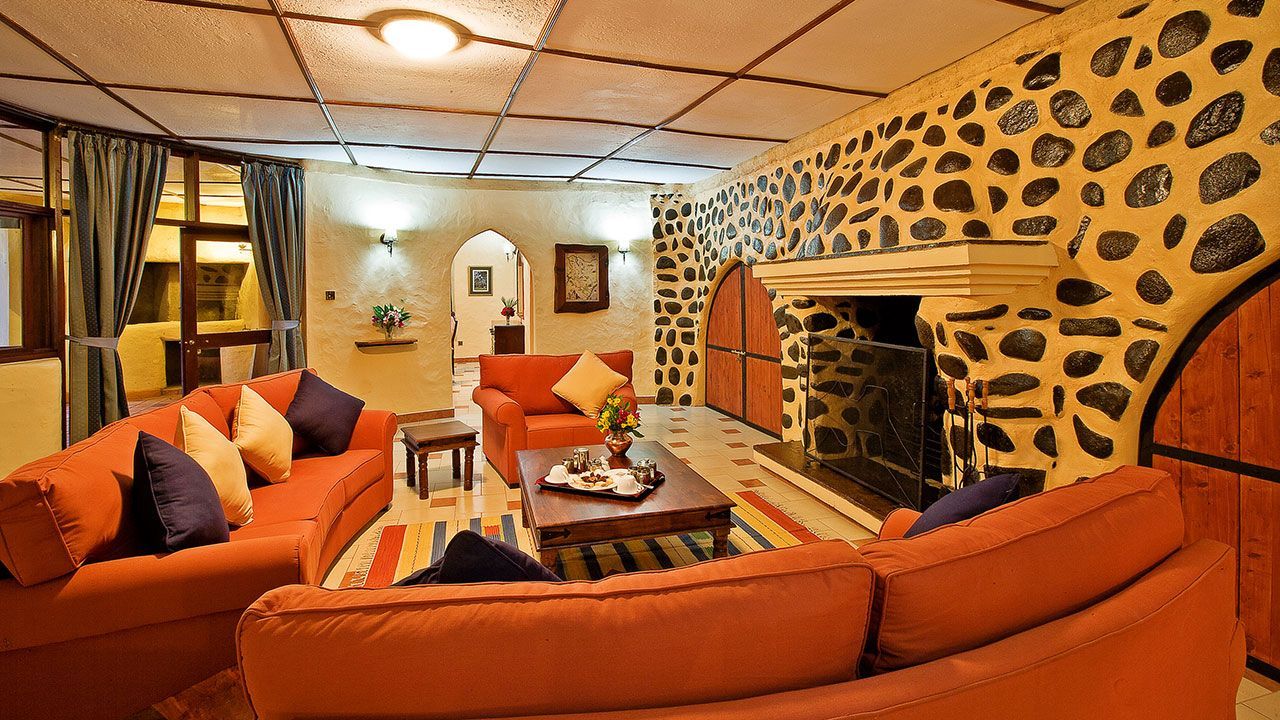
Amboseli Sopa Lodge
Just outside Amboseli National Park
Set in 200 acres of private land, and with a rustic charm all of its own, the Amboseli Sopa Lodge nestles in the foothills of Mount Kilimanjaro

Amboseli Serena Safari Lodge
Amboseli National Park
The Amboseli Serena Safari Lodge is located within the Amboseli National Park and has great views over the plains towards Mount Kilimanjaro.
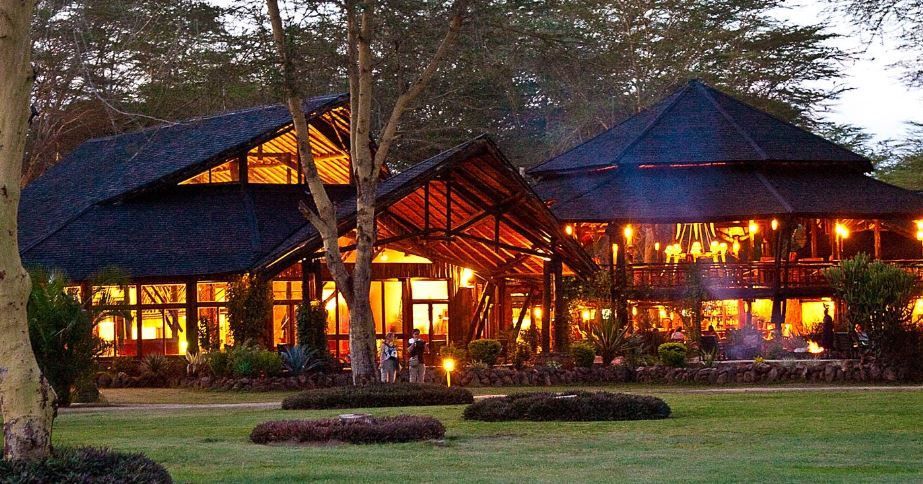
Ol Tukai Lodge
Amboseli National Park
Ol Tukai Lodges features 80 luxury chalet-style twin rooms, all with an uninterrupted view of the wetlands or the magnificent Mt. Kilimanjaro.
We have access to a wide range of handpicked accommodation options — from rustic eco-camps and authentic bush lodges to stylish tented retreats with breathtaking views. If you don’t see the exact lodge or camp you’re looking for, just let us know — we can arrange a variety of stays to suit different tastes, travel styles, and budgets.
Average Weather and Climate in Bwindi Impenetrable National Park
Bwindi’s montane rainforest climate is unique, shaped by its high altitude and lush vegetation. Temperatures remain mild throughout the year, with daytime averages between 20–25°C and cooler nights dipping to 10–15°C.
The dry seasons (June – August, December – February) bring clearer skies, reduced rainfall, and more comfortable trekking conditions. Trails are less slippery, and wildlife, particularly gorillas, is easier to track.
The long rains (March – May) and short rains (September – November) drench the forest in showers, but the result is a landscape bursting with life. Plants flower, rivers swell, and bird activity peaks. Although treks may be more challenging, the rewards include fewer visitors and a truly vibrant forest atmosphere.
Rain often falls in short, heavy bursts, leaving long periods of misty tranquillity. This creates atmospheric conditions perfect for dramatic photography, with fog rolling through the trees and dew-drenched foliage sparkling in the sunlight.
Combine with Other Destinations
Bwindi combines beautifully with other Ugandan safari highlights. Nearby Queen Elizabeth National Park offers classic savannah game drives and the famous tree-climbing lions of Ishasha — a perfect complement to Bwindi’s forest experience.
Travellers can also extend their journey to Kibale Forest National Park, home to habituated chimpanzees and rich primate diversity, or head west to the Rwenzori Mountains, where glaciers crown Africa’s highest ranges. For a change of pace, serene Lake Bunyonyi provides a tranquil spot for relaxation after gorilla trekking.
Bwindi also forms part of the Virunga conservation area, making it possible to extend safaris into Rwanda’s Volcanoes National Park or the Democratic Republic of Congo’s Virunga National Park for a multi-country gorilla adventure.
Talk to us about creating a custom itinerary that links Bwindi with Uganda’s other treasures or cross-border journeys for the ultimate East African safari.
Travelling from the UK to Bwindi
Travellers from the UK typically fly into Entebbe International Airport near Kampala, with connections via European or Middle Eastern hubs.
From Entebbe, Bwindi can be reached by a scenic domestic flight to airstrips near the park, followed by a short road transfer, or by an overland journey of 8–10 hours that reveals Uganda’s diverse landscapes along the way.
At Awake in the Wild, we handle all international and domestic arrangements, ensuring seamless transfers and comfort throughout your journey.
Discover the Wild, Your Way: Tailor Your Bwindi Safari with Us
Bwindi is not just a safari destination — it is a pilgrimage into one of the planet’s most extraordinary ecosystems. From the rare privilege of locking eyes with a mountain gorilla to the serenity of walking under ancient trees, this is a place where nature overwhelms the senses and memories linger for a lifetime.
Talk to us about the experiences you’ve always dreamed of. We’ll match you with handpicked lodges, expert local guides, and authentic adventures that bring Bwindi Impenetrable National Park to life.
Speak to one of our safari specialists today — call us or fill out our quick enquiry form, and let’s start planning your tailor-made adventure.
Send an Enquiry
We will get back to you as soon as possible.
Please try again later.
Frequently Asked Questions
What is the best time of year to visit Bwindi Impenetrable National Park?
The dry seasons, from June to August and December to February, are the most popular times to visit Bwindi. Trails are easier to trek, and gorilla sightings are more reliable. The wet seasons (March to May and September to November) bring lush greenery, vibrant birdlife, and fewer visitors, offering a quieter but wetter experience.
Is Bwindi a good choice for first-time safari travellers?
Yes — while Bwindi’s gorilla trekking can be physically demanding, the experience is unforgettable and well supported by expert guides. For first-time safari-goers, combining Bwindi with a savannah park like Queen Elizabeth National Park provides the perfect balance of classic game drives and rainforest adventures.
What wildlife can I expect to see in Bwindi besides gorillas?
Although mountain gorillas are the main attraction, Bwindi is home to over 120 mammal species, including chimpanzees, forest elephants, and duikers. Birdwatchers can spot more than 350 species, including rare endemics like the African green broadbill and Ruwenzori turaco.
How difficult is gorilla trekking in Bwindi?
Gorilla trekking can be moderately challenging, involving hikes of 2 to 6 hours through dense forest and steep terrain. However, treks are guided at a manageable pace, and porters are available to assist with bags or provide extra support. The reward of seeing a gorilla family in the wild makes the effort worthwhile.
Can Bwindi be combined with other safari destinations?
Absolutely. Bwindi pairs well with Queen Elizabeth National Park for savannah game viewing, Kibale Forest for chimpanzee tracking, and Lake Bunyonyi for relaxation. Cross-border options also include Rwanda’s Volcanoes National Park and Congo’s Virunga, making it ideal for an extended gorilla-focused itinerary.
Is Bwindi family-friendly?
Children under 15 cannot participate in gorilla trekking, but families can still enjoy guided forest walks, birdwatching, and cultural experiences with the Batwa people. For multi-generational travel, combining Bwindi with family-friendly parks like Murchison Falls or Lake Mburo is often recommended.
How safe is it to visit Bwindi?
Bwindi is considered very safe for travellers. Treks are led by experienced guides and rangers, and the Uganda Wildlife Authority ensures visitor security. Basic precautions such as travelling with a licensed operator and following ranger instructions will ensure a safe and rewarding trip.
What kinds of accommodation are available in Bwindi?
Accommodation ranges from eco-luxury lodges with sweeping forest views to intimate tented camps and rustic boutique retreats. Many properties are located near gorilla trek starting points, ensuring convenience and easy access to the park. Awake in the Wild works with carefully vetted partners to guarantee quality and sustainability.
How do I get to Bwindi from the UK?
Travellers fly into Entebbe International Airport, typically via European or Middle Eastern hubs. From there, Bwindi can be reached by a scenic domestic flight followed by a short road transfer, or via an overland drive of 8–10 hours. Both routes reveal Uganda’s diverse landscapes, and we organise all transfers for a seamless journey.
Do I need a visa to visit Bwindi from the UK?
Yes, UK travellers need a visa to enter Uganda, which can be obtained online through the official e-visa system before travel. Your passport should be valid for at least six months beyond your travel dates. Awake in the Wild provides full guidance on visa applications, health requirements, and permits, including securing your gorilla trekking permit.