Tarangire National Park Safaris
Land of Elephants and Ancient Baobabs.
Best Time To Go
June to October
High Season
June to October
Size
Approx 2,850 square kilometres
Altitude
900 - 1,250 metres
above sea level
Tarangire National Park Safari Holidays
Golden Plains, Great Herds, and Baobab Shadows
Tarangire National Park is one of Tanzania’s most underrated gems — a place where towering baobab trees cast long shadows across golden savannahs, and herds of elephants drift silently between the branches. Located just a few hours’ drive from Arusha, it offers a wild, authentic safari experience with fewer crowds than the famous Serengeti or Ngorongoro.
The park’s defining feature is the Tarangire River, a lifeline that draws wildlife from miles around during the dry season. This concentration of animals creates some of the most rewarding game viewing in East Africa, while the scenery — a mix of open plains, woodlands, swamps, and rolling hills — changes character with every turn in the road.
For those who want an immersive safari with rich wildlife, striking landscapes, and a sense of discovery, Tarangire offers a perfect balance of intimacy and drama.
Why Visit Tarangire National Park?
Tarangire is often called Tanzania’s “hidden gem” because it delivers world-class safari experiences without the heavy traffic of more famous parks. The sheer number of elephants here is reason enough to visit, but it’s the variety of landscapes and habitats that make Tarangire truly special.
The park’s wildlife concentrations during the dry season rival those of the Serengeti, yet you can still find yourself alone with a herd of elephants or watching a lion stalk through tall grass with no other vehicles in sight. The dramatic baobabs create a distinctive backdrop for photography, while the diversity of bird species ensures that every game drive brings new sightings.
Tarangire also offers opportunities for walking safaris and cultural visits to nearby Maasai villages, giving travellers a richer connection to the land and its people. It’s the perfect park to include in a northern Tanzania itinerary if you want both iconic wildlife and a sense of tranquillity.
Wildlife and Nature
Tarangire’s landscapes are a photographer’s dream, dominated by colossal baobabs — some more than a thousand years old — and dotted with termite mounds that serve as sentry posts for dwarf mongooses. The park’s habitats range from dry acacia woodlands and grassy plains to lush seasonal swamps, creating homes for a dazzling diversity of wildlife.
Elephants are the park’s undisputed stars. Herds of 50 or more are not uncommon, and in the dry season, they gather along the Tarangire River in spectacular numbers. The park is also a sanctuary for large populations of buffalo, zebra, wildebeest, giraffe, and impala. Predators thrive here too — lions lounge in the shade, leopards slip through the trees, and cheetahs scan the plains for prey.
Birdlife is exceptional, with over 550 recorded species, making Tarangire one of Tanzania’s top birding destinations. Look for colourful lilac-breasted rollers, giant kingfishers, and flocks of yellow-collared lovebirds. During the wet season, the seasonal swamps attract waterbirds such as pelicans, storks, and herons, adding splashes of life to the green landscape.
Best Time to Visit Tarangire
The dry season from June to October is the best time to see Tarangire at its most dramatic. As water sources dry up elsewhere, wildlife converges on the Tarangire River and surrounding swamps. Massive herds of elephants, buffalo, and zebra dominate the scene, and predators take advantage of the abundance of prey.
From November to May, the green season transforms the park into a lush paradise. While wildlife disperses more widely, this period is fantastic for birdwatching, with migratory species arriving in huge numbers. The scenery is vibrant, the air is fresh, and the park is much quieter, offering a more intimate safari experience.
April and May bring the long rains, when heavy showers can make some roads muddy and difficult to navigate. However, this is also when the park is at its most beautiful, with wildflowers in bloom and young animals finding their footing.
No matter when you visit, Tarangire offers something remarkable — whether it’s the high drama of the dry season or the gentle beauty of the rains.
Safari Experiences in Tarangire
Tarangire offers a wide range of safari experiences that let you appreciate its wildlife and landscapes from different perspectives. Whether you prefer traditional game drives or more adventurous activities, the park delivers.
Classic Game Drives: These are the best way to see the park’s elephants, big cats, and diverse herbivores. Early mornings and late afternoons bring the most activity, and the soft light is perfect for photography.
Walking Safaris: Guided by armed rangers, walking safaris let you step into the world of the bush. Learn to identify tracks, discover medicinal plants, and feel the thrill of being on foot in big game country.
Birdwatching Safaris: With over 550 species recorded, Tarangire is a paradise for birders. Specialised birding drives or walks focus on spotting sought-after species like the ashy starling and the endemic yellow-collared lovebird.
Cultural Visits: Nearby Maasai and Barabaig communities welcome visitors to learn about their traditions, crafts, and daily life — an enriching complement to your wildlife experiences.
From a sunrise game drive among baobabs to an afternoon birding walk along the swamps, Tarangire ensures each day tells a different story of the wild.
Where to Stay in Tarangire
arangire offers a range of accommodations to suit different tastes and budgets.
- Luxury Safari Lodges: Stylish lodges with panoramic views, swimming pools, and gourmet dining — ideal for travellers seeking comfort alongside adventure.
- Tented Camps: Authentic safari experiences with canvas walls, comfortable beds, and ensuite facilities. These camps bring you close to nature without sacrificing comfort.
- Rustic Bush Camps: Simple, intimate camps that focus on the wilderness experience, perfect for those who want to immerse themselves in the bush.
We have access to a wide range of handpicked accommodation options in Tarangire National Park — from rustic eco-camps and authentic bush lodges to stylish tented retreats. If you don’t see the exact lodge or camp you’re looking for, just let us know — we’re able to arrange a variety of stays to suit different tastes, travel styles, and budgets.
A Selection of our Tarangire Safari Accommodation
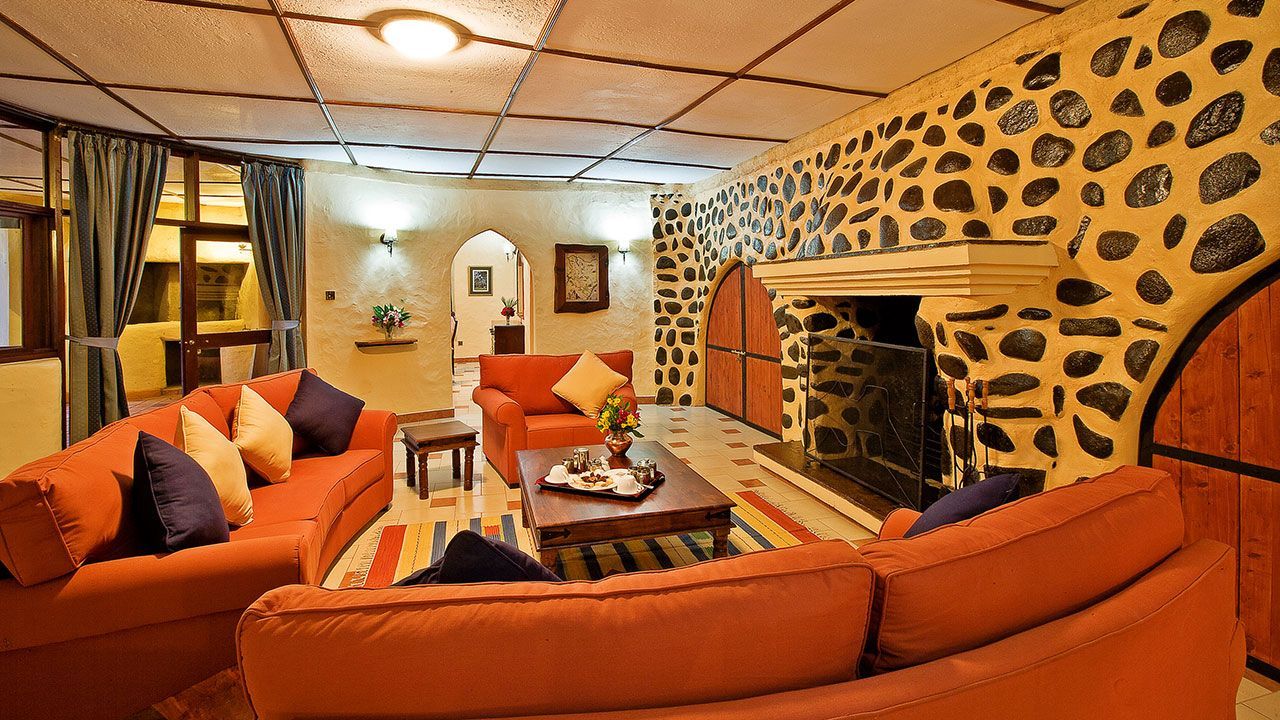
Amboseli Sopa Lodge
Just outside Amboseli National Park
Set in 200 acres of private land, and with a rustic charm all of its own, the Amboseli Sopa Lodge nestles in the foothills of Mount Kilimanjaro
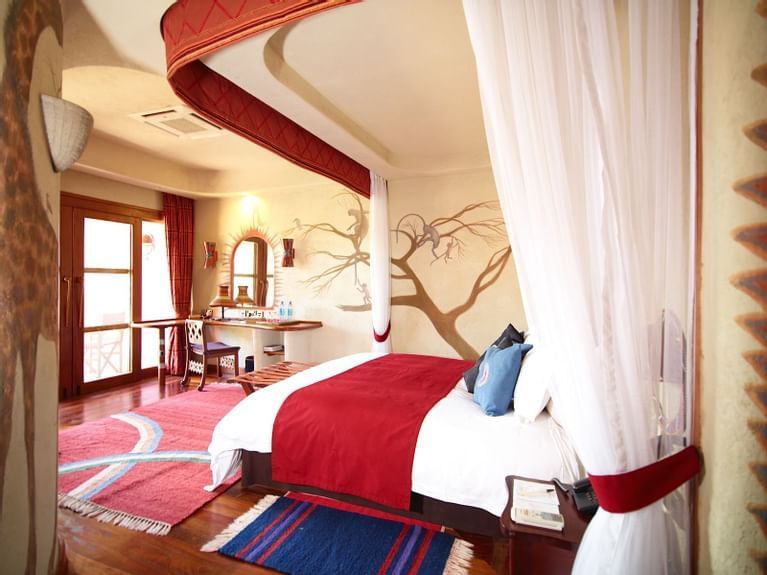
Amboseli Serena Safari Lodge
Amboseli National Park
The Amboseli Serena Safari Lodge is located within the Amboseli National Park and has great views over the plains towards Mount Kilimanjaro.
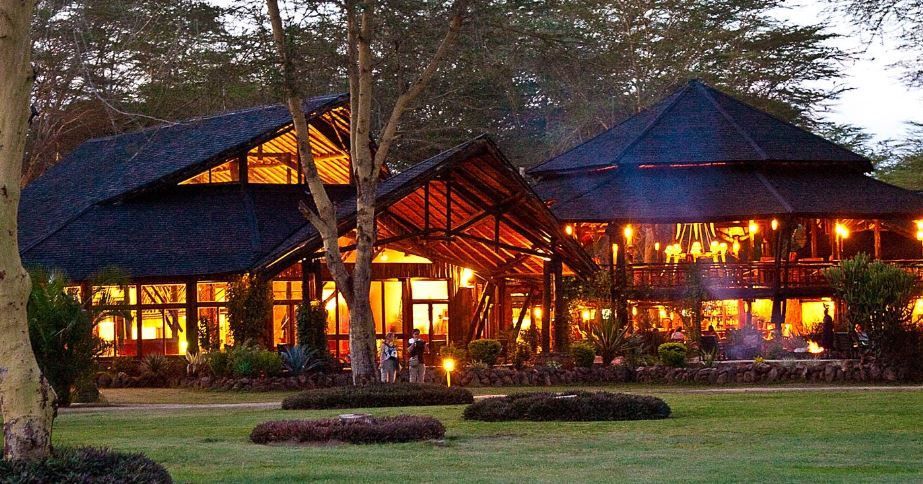
Ol Tukai Lodge
Amboseli National Park
Ol Tukai Lodges features 80 luxury chalet-style twin rooms, all with an uninterrupted view of the wetlands or the magnificent Mt. Kilimanjaro.
We have access to a wide range of handpicked accommodation options — from rustic eco-camps and authentic bush lodges to stylish tented retreats with breathtaking views. If you don’t see the exact lodge or camp you’re looking for, just let us know — we can arrange a variety of stays to suit different tastes, travel styles, and budgets.
Average Weather and Climate in Tarangire
Tarangire’s climate is generally warm and pleasant, with seasonal variations that influence wildlife viewing.
- June–October (Dry Season): Warm, sunny days with temperatures between 20–30°C. Best for concentrated wildlife sightings.
- November–March (Green Season): Hotter days of 25–32°C, lush landscapes, and excellent birding.
- April–May (Long Rains): Heavy showers, but beautiful green scenery and fewer visitors.
The changing seasons bring different rewards, making Tarangire worth visiting year-round.
Combine with Other Destinations
Tarangire fits seamlessly into Tanzania’s northern safari circuit. It pairs perfectly with Ngorongoro Crater for dense wildlife viewing, Lake Manyara for flamingos and tree-climbing lions, and the Serengeti for the Great Migration.
For those seeking relaxation after their safari, a short flight connects to Zanzibar or Mafia Island, where white sands and turquoise waters await.
Tarangire can also be combined with Arusha National Park for canoe safaris and walking in a lush volcanic landscape.
Its location makes it an ideal starting or ending point for a safari, with both road and air connections linking it to Tanzania’s top wildlife and beach destinations.
Travelling from the UK to Tarangire
From the UK, Tarangire is most easily reached by flying into Kilimanjaro International Airport (JRO) or Arusha Airport (ARK). Airlines such as Qatar Airways, Emirates, KLM, and Turkish Airlines offer one-stop flights from London, Manchester, and other UK cities, with total journey times of around 12–15 hours.
From Kilimanjaro, it’s a scenic 2–3 hour drive to Arusha, followed by a 2-hour road transfer to the park gates. Alternatively, domestic flights from Arusha or other northern circuit parks can land at nearby airstrips, making Tarangire an easy addition to a wider itinerary.
UK travellers require a Tanzania visa, available online or on arrival. Passports should have at least six months’ validity. Yellow fever vaccination is recommended if arriving from an affected country, and malaria precautions are advised.
Discover the Wild, Your Way: Tailor Your Tarangire Safari with Us
From the gentle giants wandering among ancient baobabs to the thrill of spotting lions on the prowl, Tarangire offers a safari experience rich in atmosphere and wildlife.
Talk to us about the experiences you’ve always dreamed of. We’ll match you with handpicked lodges, expert local guides, and authentic adventures that bring Tarangire to life.
Speak to one of our safari specialists today — call us or fill out our quick enquiry form, and let’s start planning your tailor-made adventure.
Send an Enquiry
We will get back to you as soon as possible.
Please try again later.
Frequently Asked Questions
When is the best time to visit Tarangire?
June to October for wildlife concentrations, November to March for birding.
Is Tarangire good for first-time safari travellers?
Yes — it offers excellent game viewing, diverse landscapes, and fewer crowds.
What wildlife will I see?
Elephants, lions, leopards, cheetahs, buffalo, giraffes, zebras, and over 550 bird species.
Are walking safaris available?
Yes — guided walks are available in some areas for a more intimate experience.
How do I get there from the UK?
Fly to Kilimanjaro or Arusha, then drive or take a domestic flight.
Do I need a visa?
Yes — UK citizens need a Tanzania visa, available online or on arrival.
Is Tarangire family-friendly?
Yes — many lodges cater to families with activities and child-friendly services.
What types of accommodation are available?
From luxury lodges to rustic bush camps, catering to all budgets.
Is the park safe to visit?
Yes — when travelling with reputable guides and operators.
Can I combine Tarangire with other destinations?
Absolutely — it’s part of Tanzania’s famous northern circuit and links well with beach escapes.