Loango National Park Safaris
Surfing hippos, forest elephants on beaches, and pristine lagoons — Loango is Africa’s wild coast revealed.
Best Time To Go
June to September (dry season) and December to February (short dry season)
High Season
July to August and December
Size
Approx 1,550 square kilometres
Altitude
0 - 200 metres
above sea level
Loango National Park Safari Holidays
Where Rainforest Meets the Ocean
Loango National Park is one of Africa’s most extraordinary safari destinations, where lush rainforest meets sweeping Atlantic beaches. Known as the “Land of Surfing Hippos,” it is a place where elephants stroll along the shoreline and whales breach offshore.
Remote yet spectacular, Loango offers a safari experience found nowhere else on Earth.
Located on Gabon’s Atlantic coast, Loango National Park is part of the country’s pioneering “green heart” conservation initiative. Its landscapes are a remarkable fusion of pristine beaches, tidal lagoons, savannahs, and ancient forests, making it one of the most biodiverse coastal parks in Africa.
The park’s beaches are legendary: wild stretches of sand where elephants and buffalo wander at the water’s edge, and where hippos sometimes cool off in the surf. Inland, a maze of rivers and wetlands is home to crocodiles, manatees, and an astonishing diversity of birds. Few parks can rival this combination of rainforest and ocean, making Loango a true natural wonder.
Loango is also home to important research and conservation projects. It is one of the few places in the world where wild chimpanzees and lowland gorillas live within reach of coastal ecosystems, studied by organisations like the Max Planck Institute and the ANPN (Agence Nationale des Parcs Nationaux). This makes a safari here as much about discovery as adventure.
What sets Loango apart is its unpredictability. One day you might be photographing whales breaching offshore, the next you’re quietly watching gorillas in the forest, or drifting down a lagoon at sunset. It is a safari of contrasts and surprises, where the drama of nature plays out against a backdrop of ocean, sky, and jungle.Amboseli is the kind of place where postcards come to life. Located in southern Kenya near the Tanzanian border, this park is famous for its unbeatable views of Mount Kilimanjaro — Africa’s highest peak — rising behind wandering elephants. The park’s name, derived from a Maasai word meaning “salty dust,” gives a clue to the dry, shimmering terrain that dominates much of the landscape.
Wildlife and Nature
Loango National Park offers a sensory feast from the moment you arrive. The salty tang of the Atlantic mingles with the earthy scent of mangroves, while the sound of crashing waves competes with the chorus of rainforest cicadas. Its ecosystems are astonishingly diverse, shifting seamlessly from beach to savannah, swamp to rainforest.
The park is most famous for its “surfing hippos,” a unique phenomenon where hippos venture into the ocean to wallow in the surf. Equally remarkable are the elephants and buffalo that wander along Loango’s beaches, a surreal and unforgettable sight that has become iconic of Gabonese safaris. Offshore, from July to September, humpback whales migrate along the coast, their breaching displays rivalled only by pods of dolphins leaping beside boats.
Inland, Loango is alive with forest wildlife. Lowland gorillas and chimpanzees move through the dense vegetation, often heard before they are seen. Sitatunga antelope tiptoe through wetlands, while crocodiles bask along riverbanks. The birdlife is spectacular — African fish eagles, bee-eaters, and colourful turacos share the skies with migratory flocks that follow the Atlantic flyway.
Seasonality shapes the experience. The dry season concentrates wildlife near lagoons and beaches, increasing the chance of dramatic encounters. In the wetter months, the forest teems with activity — gorillas feeding, birds nesting, and flowers blooming in riotous colour. For photographers, Loango is a dream, offering iconic shots of elephants on beaches, whales against sunsets, and hippos half-submerged in ocean waves.
Backed by conservation work from the Gabonese Parks Agency and international researchers, Loango is not only a place of wonder but also a stronghold for species that are rare or endangered elsewhere. Visiting here means stepping into a living, breathing conservation story, one that few other safari destinations can match.
Best Time to Visit Loango
The best time to visit Loango depends on the experiences you want most. The long dry season (June to September) is one of the park’s prime windows. With less rainfall, beaches are accessible, and whale watching reaches its peak as humpback whales migrate past the coast.
Wildlife is more visible along lagoons and open spaces, making this the most popular time to visit.
The short dry season (December to February) offers another excellent period. During these months, sea turtles — including leatherbacks and olive ridleys — nest on Loango’s beaches, providing unforgettable night-time encounters under the stars.
The weather is generally drier and more comfortable, with golden sunsets that light up the coastline.
The wet seasons (March to May and October to November) bring heavy rains, transforming the park into a lush and vibrant wilderness. Forest wildlife thrives during this time, with gorilla and chimpanzee sightings particularly rewarding. Birdwatching is outstanding, with migratory species in full display.
However, some areas may be less accessible due to flooding or muddy trails.
For photographers, dawn and dusk are magical year-round. Early morning light paints the beaches in soft gold, while evenings often bring fiery skies over the Atlantic. Unique shots — elephants silhouetted against the ocean, or turtles under a starry canopy — are seasonal highlights worth planning around.
Travel conditions vary with the seasons. The dry months are easier for beach and river access, while wet months are more challenging but reward visitors with lush scenery and fewer crowds. Either way, Loango delivers a once-in-a-lifetime safari at any time of year.
Safari Experiences in Loango
Loango offers safari experiences that are as unique as the park itself, blending land, sea, and forest into unforgettable adventures.
- Surfing Hippos and Beach Elephants: Nothing captures Loango’s magic quite like its famous coastal wildlife. Watch hippos wallowing in the surf or elephants striding across golden beaches — iconic, surreal scenes that exist nowhere else in Africa.
- Whale Watching on the Atlantic: From July to September, humpback whales dominate the ocean. Boat excursions bring you thrillingly close to breaching giants, playful dolphins, and even the occasional orca, creating exhilarating marine safaris.
- Turtle Nesting Nights: Between November and March, Loango’s beaches host nesting turtles. Guided night walks reveal leatherbacks and olive ridleys laying eggs, followed weeks later by hatchlings scrambling to the sea — one of nature’s most moving spectacles.
- Gorilla and Chimpanzee Encounters: Inland, guided treks take you deep into the forest to search for lowland gorillas and chimpanzees. These moments are raw and unfiltered, offering rare glimpses into the lives of our closest relatives.
- Lagoon Canoe Journeys: Explore Loango’s labyrinth of lagoons by canoe, gliding past mangroves and spotting crocodiles, manatees, and kingfishers. At sunset, the water glows gold, creating moments of peace and wonder.
- Cultural Encounters with Coastal Villages: Visits to traditional fishing communities reveal the rhythms of life along Gabon’s coast. Learn about artisanal fishing, forest remedies, and ancestral traditions that link people to the park.
- Birdwatching Adventures: Loango is a birder’s paradise, with hundreds of species from African grey parrots to bee-eaters. Specialist guides turn each outing into a treasure hunt of colour and sound.
Where to Stay in Loango
Loango National Park offers a wide range of accommodation options to suit different preferences and budgets, all set within or just outside the park boundaries. These typically include:
- Eco-Luxury Lodges: Upscale lodges blend comfort with wilderness, offering spacious bungalows overlooking lagoons or beaches. Expect solar-powered design, gourmet dining, and private decks where elephants may stroll past.
- Tented Camps: For the romance of a classic safari, tented camps bring you close to nature. Sleep under canvas with modern comforts, surrounded by the sounds of forest and ocean.
- Boutique Bush Retreats: Small, characterful retreats provide intimate hosting and eco-friendly practices. Many are community-owned, combining warm hospitality with sustainability and authenticity.
- Exclusive Coastal Villas: Unique to Loango, private beach villas allow guests to wake up to ocean views and enjoy secluded luxury while still immersed in the park’s landscapes.
At Awake in the Wild, we work only with lodges and camps that meet our ethical and sustainability standards. Whether you’re looking for solar-powered luxury or a simple campfire safari experience, we’ll match you to the perfect base. If you don’t see the exact lodge or camp you’re looking for, just let us know — we’re able to arrange a variety of stays to suit different tastes, travel styles, and budgets.
A Selection of our Loango Safari Accommodation
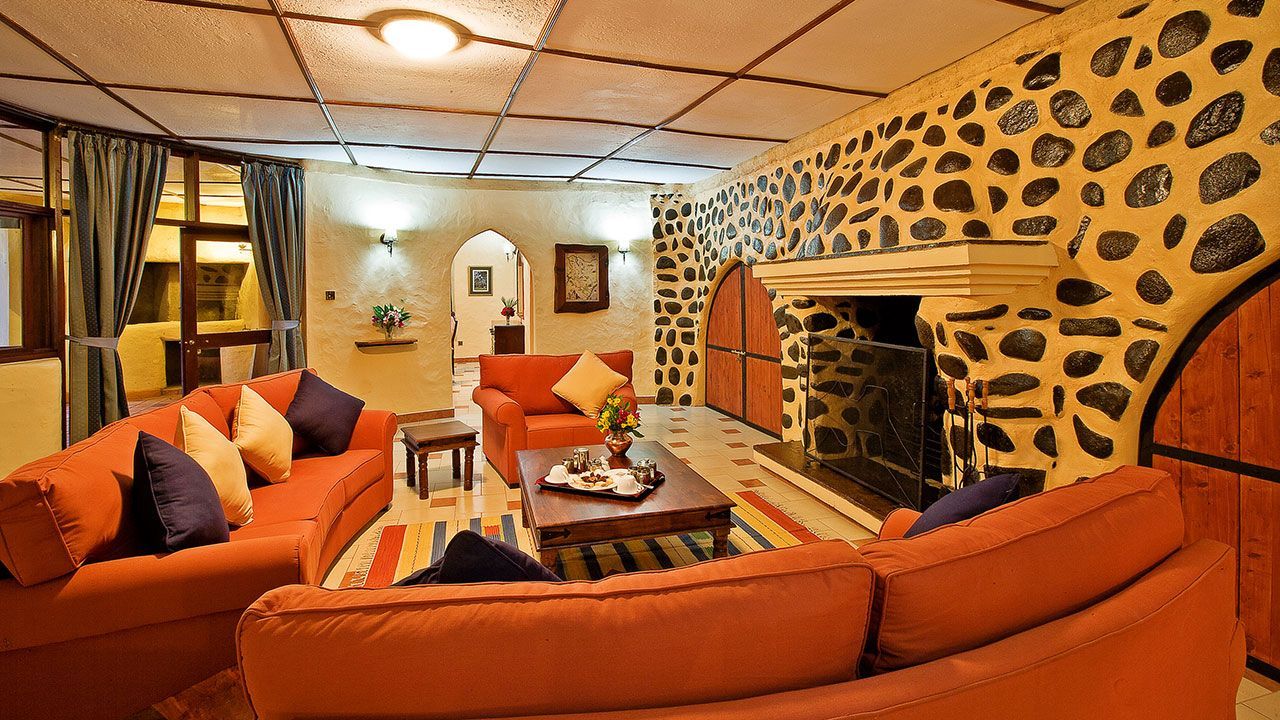
Amboseli Sopa Lodge
Just outside Amboseli National Park
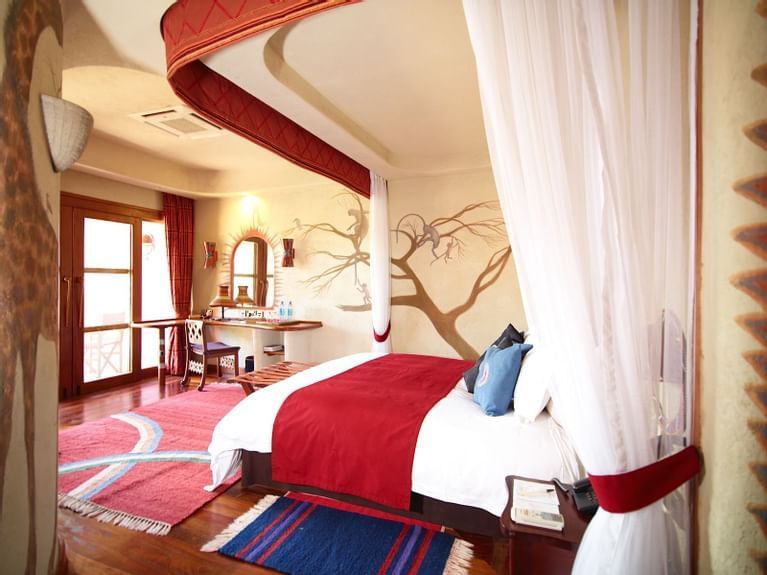
Set in 200 acres of private land, and with a rustic charm all of its own, the Amboseli Sopa Lodge nestles in the foothills of Mount Kilimanjaro
Amboseli Serena Safari Lodge
Amboseli National Park
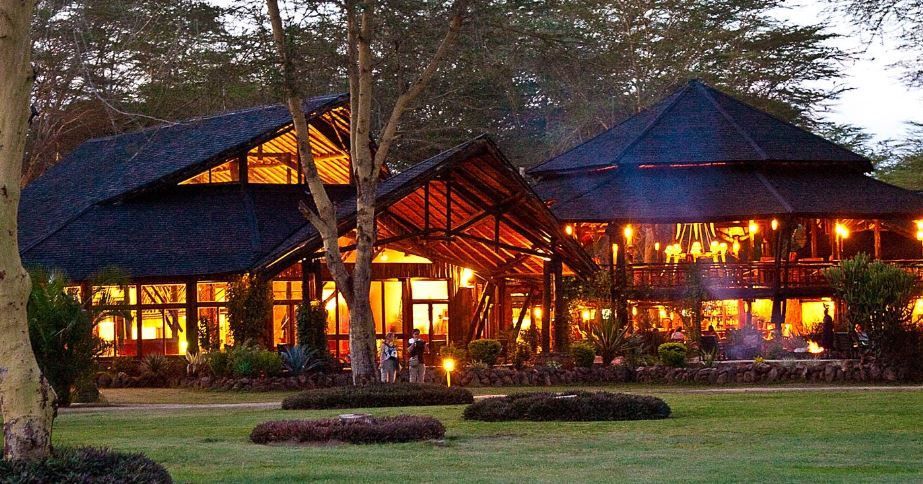
The Amboseli Serena Safari Lodge is located within the Amboseli National Park and has great views over the plains towards Mount Kilimanjaro.
Ol Tukai Lodge
Amboseli National Park
Ol Tukai Lodges features 80 luxury chalet-style twin rooms, all with an uninterrupted view of the wetlands or the magnificent Mt. Kilimanjaro.
We have access to a wide range of handpicked accommodation options — from rustic eco-camps and authentic bush lodges to stylish tented retreats with breathtaking views. If you don’t see the exact lodge or camp you’re looking for, just let us know — we can arrange a variety of stays to suit different tastes, travel styles, and budgets.
Average Weather and Climate in Loango
Loango has a tropical climate shaped by the Atlantic Ocean, with warm temperatures year-round. Daytime highs average 26–30°C, with cooler evenings bringing relief from the heat.
The dry seasons (June to September, and December to February) are the most comfortable for visitors. Conditions are drier, with fewer mosquitoes and easier access to beaches, lagoons, and forest trails. Wildlife is concentrated along water sources, and whale or turtle encounters add to the highlights.
The wet seasons (March to May and October to November) bring heavy rainfall, swelling rivers and transforming forests into lush green wonderlands. While travel can be more challenging, this is when the park feels most alive — with gorillas, chimpanzees, and birdlife at their most active.
Unique to Loango is its coastal influence. Breezes from the ocean temper the heat, and sudden tropical storms create dramatic skies — perfect for photography. Sunsets often blaze across the horizon, reflecting over water and sand for breathtaking scenes.
Year-round, Loango offers unforgettable experiences. The season you choose shapes the safari, whether it’s whale watching in dry months or gorilla trekking in the rains. Either way, the magic of Loango never fades.
Combine with Other Destinations
Loango combines seamlessly with Gabon’s other national parks.
Pair it with Ivindo National Park for rainforest treks, gorilla encounters, and the thunder of Kongou Falls — a striking contrast to Loango’s beaches and lagoons.
For history, Lopé National Park offers sweeping savannahs, ancient rock art, and dense primate populations.
It makes an excellent addition to Loango, balancing coastal wilderness with cultural depth.
Thanks to its accessibility from Libreville by flight or road, Loango is often the centrepiece of Gabon itineraries.
Speak to us about creating a tailor-made journey that combines coast, rainforest, and savannah for the ultimate Central African safari.
Travelling from the UK to Loango
Travellers from the UK can fly from London to Libreville via Paris, Addis Ababa, or Istanbul, with journey times averaging 10–12 hours depending on the route. Libreville is Gabon’s main gateway, with Loango accessible from there by domestic flight, road, or boat transfer.
The transfer to Loango is part of the adventure, often involving scenic drives and boat journeys across lagoons, where dolphins or fish eagles may appear along the way. Travel times vary, but most visitors reach the park within a day of arrival in Gabon.
UK passport holders require a visa to enter Gabon, usually available electronically. Passports should be valid for at least six months. Malaria precautions are recommended, and Awake in the Wild provides the latest health guidance during trip planning.
From flights to lodge transfers, Awake in the Wild ensures every step of your journey is seamless — so you can focus entirely on the extraordinary adventures that await in Loango.
Discover the Wild, Your Way: Tailor Your Loango Safari with Us
Few parks capture the imagination like Loango, where elephants walk beaches, whales breach offshore, and turtles nest under starry skies. It is a place of pure contrasts — where rainforest meets ocean and every day brings something unexpected.
Talk to us about the experiences you’ve always dreamed of. We’ll match you with handpicked lodges, expert local guides, and authentic adventures that bring Loango National Park to life.
Speak to one of our safari specialists today — call us or fill out our quick enquiry form, and let’s start planning your tailor-made adventure.
Send an Enquiry
We will get back to you as soon as possible.
Please try again later.
Frequently Asked Questions
What is Loango National Park famous for?
Loango is best known for its unique coastal wildlife, including hippos wallowing in the surf, elephants wandering along beaches, and humpback whales offshore. It’s often called Africa’s most diverse coastal park.
When is the best time to visit Loango?
June–September (long dry season) is excellent for whale watching and easier travel, while December–February (short dry season) offers turtle nesting spectacles. Wet seasons bring lush forest life and vibrant birding.
Can you really see hippos in the ocean?
Yes — Loango is the only place in Africa where hippos have been observed wallowing in the Atlantic surf. While sightings aren’t guaranteed, the possibility makes every beach walk thrilling.
What wildlife can I expect inland?
Beyond the coast, Loango’s forests and lagoons host gorillas, chimpanzees, forest elephants, sitatunga antelope, crocodiles, and manatees, alongside hundreds of bird species.
Is Loango suitable for first-time safari travellers?
Yes, though it offers a different style of safari. Instead of constant game drives, experiences focus on beach walks, boat safaris, forest treks, and cultural visits — ideal for adventurous first-timers.
How accessible is Loango from Libreville?
Loango can be reached by domestic flight, road transfer, and boat journey from Libreville. The trip itself is part of the adventure, often involving scenic lagoons and wildlife sightings en route.
Can I combine Loango with other parks in Gabon?
Absolutely. Many travellers pair Loango with Ivindo for rainforest waterfalls or Lopé for savannah and primates. Together, they create a complete Gabonese safari circuit.
Are the turtle nesting experiences family-friendly?
Yes. Guided night walks to observe nesting leatherbacks are safe and supervised. Children are often captivated by seeing hatchlings make their dash to the sea.
What accommodation options are available?
You can choose from eco-luxury lodges overlooking beaches, atmospheric tented camps, boutique retreats, or exclusive-use coastal villas for added privacy.
Do UK travellers need a visa for Gabon?
Yes. UK passport holders require a visa, often available electronically, and passports must be valid for at least six months beyond arrival. Awake in the Wild provides up-to-date guidance.