Mbomo and Ngaga Camps Safaris
Western lowland gorillas, rainforest secrets, and barefoot luxury — discover Congo’s Mbomo and Ngaga Camps.
Best Time To Go
June – September
(dry season)
High Season
July – August
Size
Approx 13,600 square kilometres (within Odzala-Kokoua National Park)
Altitude
350–600 metres
above sea level
Mbomo and Ngaga Camps Safari Holidays
Where Gorillas Rule the Rainforest
Mbomo and Ngaga Camps are the beating heart of gorilla country in the Republic of Congo’s Odzala-Kokoua National Park. Nestled deep in the rainforest, these camps are gateways to some of Africa’s most profound wildlife encounters — intimate treks to observe wild western lowland gorillas in their natural home.
For those seeking a safari experience that is both adventurous and soul-stirring, few places compare.
Why Visit Mbomo and Ngaga Camps?
Ngaga Camp is internationally renowned as the premier base for gorilla tracking in Congo. Perched in the forest canopy, it overlooks the green world of the gorillas, blending seamlessly into the surrounding rainforest. From here, guided treks with expert trackers lead you directly into the realm of habituated gorilla groups — an experience described by many as life-changing.
Mbomo Camp, in contrast, sits on the park’s edge and offers a gentler introduction to the Congo Basin. With its community feel and access to river systems and open bais, it provides a well-rounded safari circuit where culture, scenery, and wildlife meet.
What distinguishes these camps from other safari destinations is the rare intimacy with endangered species, coupled with a sense of exclusivity. There are no crowds here, no safari convoys. Instead, you walk quietly beneath towering trees, hear the distant chest-beats of a silverback, and share the forest with creatures that few humans ever encounter.
Together, Mbomo and Ngaga Camps showcase the Congo Basin’s immense biodiversity while offering accommodation that blends eco-luxury with authenticity. They are not just places to stay — they are experiences in themselves.
Wildlife and Nature
The rainforest around Ngaga is a cathedral of green, with light filtering through the canopy in shifting beams. The air carries the earthy scent of damp leaves and orchids, while the soundtrack is alive with bird calls, primate chatter, and the distant roll of thunder. This is where the elusive western lowland gorilla thrives.
Tracking gorillas here is unlike anywhere else in Africa. Guests join researchers and expert trackers to follow habituated groups, observing their natural behaviours up close. A silverback’s commanding presence, the playful tumbling of infants, or the tender grooming between mothers and young all unfold just metres away. Every visit is unique, dictated by the gorillas themselves.
Beyond gorillas, the forest teems with life. Chimpanzees echo across valleys, forest elephants leave muddy prints near bais, and agile duikers dart through the undergrowth. Birdlife is staggering, with turacos, hornbills, and African grey parrots adding colour and sound to every trek. Seasonal changes bring fresh wonders: fruiting trees attract larger primate gatherings, while rains swell streams and intensify the greenery.
These encounters are not only about wildlife but also about conservation. Ngaga is a hub for primate research, with scientists working to protect gorillas against threats like poaching and disease. By visiting, guests directly support these efforts, helping to ensure the survival of one of the world’s most endangered species.
What sets Mbomo and Ngaga apart is the deep immersion into this ecosystem. Unlike savannah safaris where wildlife is seen from vehicles, here you are part of the forest, walking its trails, breathing its damp air, and experiencing its creatures on their terms. It is raw, unfiltered, and unforgettable.
Best Time to Visit Mbomo and Ngaga Camps
The dry season (June–September) is considered the prime time to visit. Trails are firmer, humidity is lower, and gorilla treks are easier underfoot. Wildlife congregates near bais and river systems, and visibility improves as undergrowth thins slightly.
Photography is excellent, with softer light and fewer rain showers to contend with.
The wet seasons (October–December and March–May) bring frequent but brief tropical showers. The forest transforms into a lush, emerald wonderland, with an explosion of fruiting trees that draw gorilla families closer. Birdlife is at its most vibrant, and the atmosphere is alive with the calls of amphibians and insects. However, trekking is muddier and more strenuous, adding to the sense of adventure.
Between December and February, a shorter dry spell offers a good balance — less rain, fewer visitors, and excellent opportunities to capture misty, atmospheric photographs. This period also coincides with heightened gorilla activity around fruiting cycles.
For photographers, early mornings are golden: shafts of light breaking through mist, gorillas feeding in soft dawn hues, and parrots swirling overhead.
Practical travellers should be prepared for humidity year-round, with lightweight waterproofs, sturdy boots, and protection for camera equipment.
Whichever season you choose, the experience remains rewarding. Each time of year reveals a different facet of the Congo rainforest, from dry-season accessibility to the lush intensity of the rains.
Safari Experiences in Mbomo and Ngaga
Mbomo and Ngaga Camps are not just about accommodation — they are launchpads for experiences that stay with you long after you leave. From extraordinary wildlife moments to cultural encounters, every activity here is designed to showcase the magic of the Congo Basin.
- Gorilla Trekking Adventures: Set out at dawn with skilled trackers to follow habituated gorilla groups. Hours of walking through tangled forest give way to a moment of awe as a silverback emerges from the shadows. Observing their social interactions up close is a humbling and emotional highlight of any safari.
- Community Encounters in Mbomo Village: Meet the people who call this edge-of-the-forest home. Visits to Mbomo Village offer cultural insights into daily life, music, and traditions of the local communities. Sharing stories around the fire reveals the human side of the Congo Basin and its deep ties to the forest.
- Forest Walks with Researchers: Join conservationists and researchers at Ngaga to learn about ongoing gorilla studies. Walking alongside them gives rare insights into tracking techniques, data collection, and the challenges of primate conservation. It’s a chance to experience the forest through scientific eyes.
- Birding and Rainforest Photography: With over 400 species recorded, the area is a paradise for bird enthusiasts. Guides help spot great blue turacos, hornbills, and mixed-species flocks. Photographers revel in the interplay of shadow and light beneath the canopy, capturing rare rainforest moments.
- Night Walks in the Forest: After sunset, the rainforest transforms. Torchlight reveals nocturnal primates, glowing fungi, and the haunting calls of tree frogs. Night walks add an entirely new dimension to the safari, immersing you in the forest’s mysteries.
- River Excursions near Mbomo: Gentle boat or canoe trips on nearby rivers reveal a quieter side of the landscape. Look for sitatunga wading in reeds, monitor lizards basking, and colourful kingfishers flashing along the banks. The serenity contrasts beautifully with the intensity of gorilla treks.
Where to Stay in Mbomo and Ngaga
Mbomo and Ngaga Camps offer a wide range of accommodation options to suit different preferences and budgets, all set within or just outside the park boundaries. These typically include:
- Eco-Luxury Lodges: At Ngaga Camp, beautifully designed wooden chalets rise into the forest canopy. Guests enjoy elevated decks, gourmet dining, and the unique experience of sleeping surrounded by rainforest sounds, all with a sustainable ethos.
- Tented Camps: Mbomo offers simpler yet charming tented options, where canvas walls let in the forest air and the nights are filled with natural sounds. Comfortable amenities make this a classic safari under canvas with a Congolese twist.
- Boutique Bush Retreats: Small, character-rich retreats provide intimacy and personalised hosting. Perfect for travellers seeking solitude, these retreats often feature rustic yet stylish design and warm community connections.
- Treehouse Stays: Unique to Ngaga, treehouse-style chalets lift you above the forest floor, offering views into the canopy and birdlife at eye level. Sleeping here feels like floating in the rainforest itself.
At Awake in the Wild, we work only with lodges and camps that meet our ethical and sustainability standards. Whether you’re looking for solar-powered luxury or a simple campfire safari experience, we’ll match you to the perfect base. If you don’t see the exact lodge or camp you’re looking for, just let us know — we’re able to arrange a variety of stays to suit different tastes, travel styles, and budgets.
A Selection of our Mbomo and Ngaga Safari Accommodation
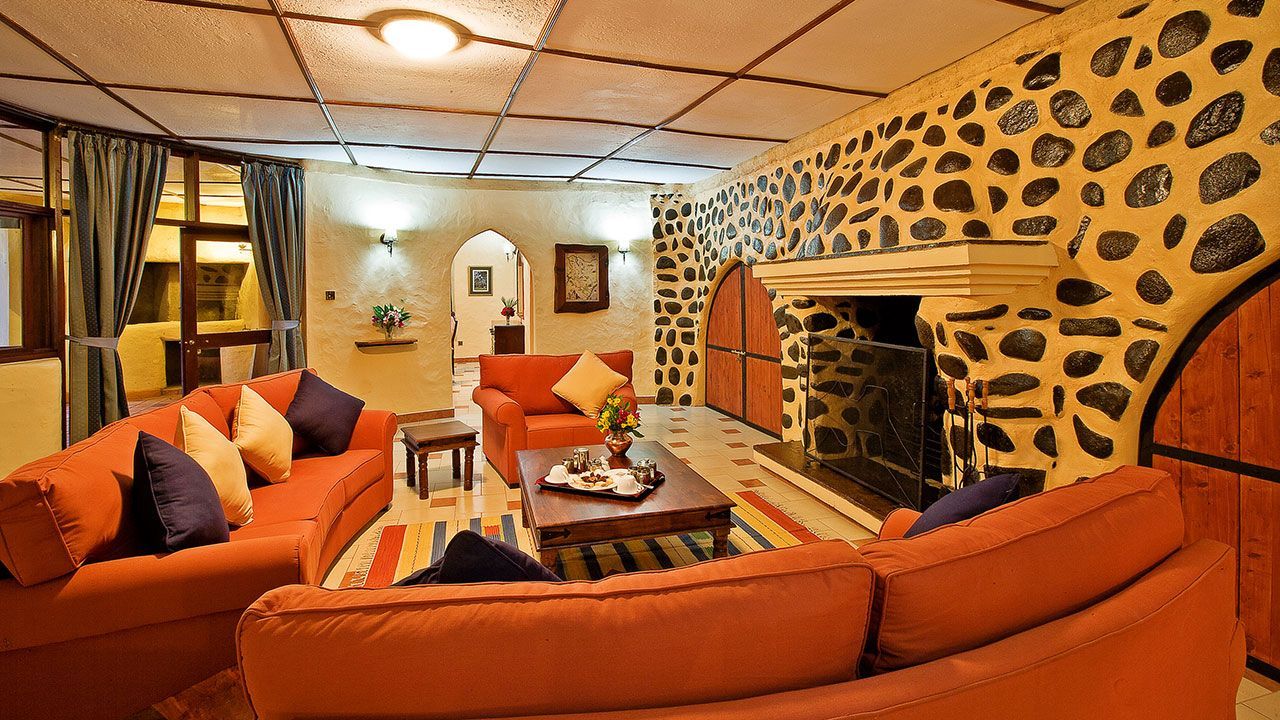
Amboseli Sopa Lodge
Just outside Amboseli National Park
Set in 200 acres of private land, and with a rustic charm all of its own, the Amboseli Sopa Lodge nestles in the foothills of Mount Kilimanjaro
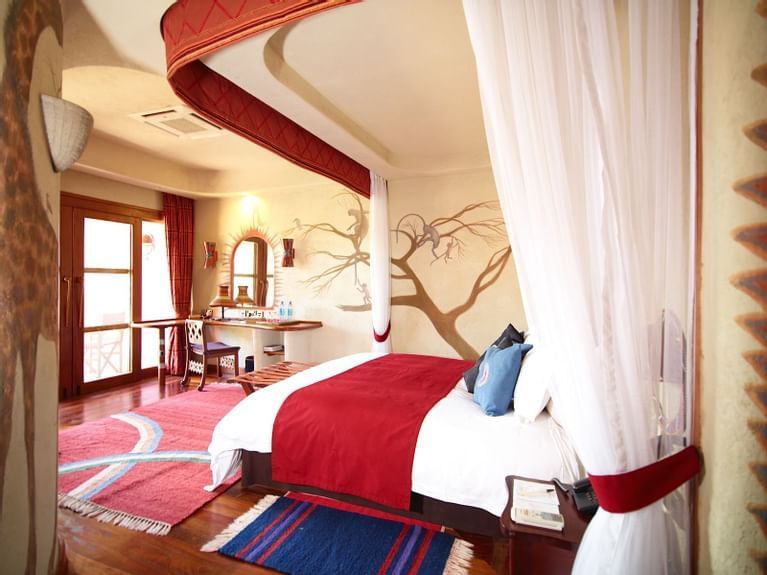
Amboseli Serena Safari Lodge
Amboseli National Park
The Amboseli Serena Safari Lodge is located within the Amboseli National Park and has great views over the plains towards Mount Kilimanjaro.
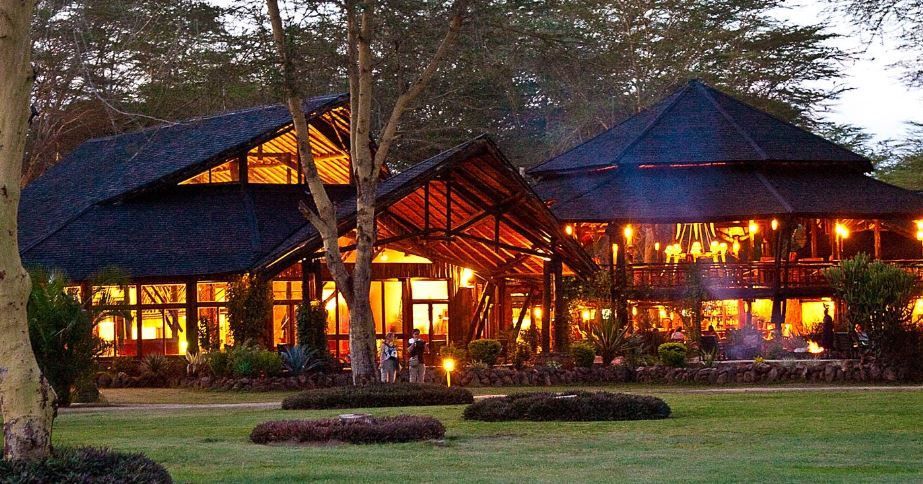
Ol Tukai Lodge
Amboseli National Park
Ol Tukai Lodges features 80 luxury chalet-style twin rooms, all with an uninterrupted view of the wetlands or the magnificent Mt. Kilimanjaro.
We have access to a wide range of handpicked accommodation options — from rustic eco-camps and authentic bush lodges to stylish tented retreats with breathtaking views. If you don’t see the exact lodge or camp you’re looking for, just let us know — we can arrange a variety of stays to suit different tastes, travel styles, and budgets.
Average Weather and Climate in Mbomo and Ngaga
The climate here is equatorial, marked by warmth, humidity, and heavy rainfall interspersed with bright, sunny spells.
During the dry season (June–September), days are warm at 27–30°C, humidity drops slightly, and trekking becomes more comfortable. Nights can cool to 18–20°C, offering relief after humid days. This is also when gorilla tracking is easiest, as trails are firmer.
The wet seasons (October–December and March–May) transform the rainforest into a lush paradise. Heavy showers intensify the greenery, rivers swell, and wildlife activity changes with the fruiting cycles. Gorillas are still accessible but treks are muddier and more physically demanding.
A shorter dry period (December–February) provides excellent balance, with drier conditions and vibrant wildlife activity. This is often considered an ideal time for travellers seeking fewer visitors.
The scenery changes dramatically with the seasons — from dusty trails in the dry months to mist-wreathed forests after rain. Birdsong crescendos during wetter months, while dry seasons open trails and reveal more terrestrial wildlife. Though conditions can be challenging, the atmosphere of the rainforest is part of its allure, and each season provides its own rewards.
Combine with Other Destinations
Mbomo and Ngaga Camps are often combined with Lango Bai & the Lekoli River, creating a perfect circuit of gorilla tracking, bai wildlife encounters, and river adventures. Together, these destinations showcase the full range of Odzala-Kokoua National Park.
Travellers can also extend into neighbouring countries. Gabon’s Loango National Park offers the rare thrill of forest elephants and hippos on the beach, while Dzanga-Sangha Reserve in the Central African Republic boasts its own iconic gorilla treks and dramatic bai experiences.
The Republic of Congo links easily with hubs such as Brazzaville, making it possible to combine Congo Basin adventures with classic East African safaris in Kenya or Tanzania.
Talk to us about creating a tailored itinerary that blends rainforest intimacy with savannah drama.
Travelling from the UK to Mbomo and Ngaga
From London, there are no direct flights to Brazzaville. Most routes connect via Paris, Addis Ababa, Nairobi, or Casablanca, with total journey times of 11–14 hours.
From Brazzaville, travellers typically take a light aircraft charter into Odzala or a combination of domestic flight and scenic road transfer to reach Mbomo and Ngaga Camps. The journey itself is a memorable prelude, with sweeping views of rainforest canopy and glimpses of rural Congo life.
UK travellers require a visa for the Republic of Congo, which must be arranged in advance. Passports should be valid for at least six months beyond entry. Malaria prophylaxis and routine vaccinations are recommended. Awake in the Wild ensures you have the most up-to-date travel health advice before departure.
From international flights to lodge transfers, we manage every logistical detail, leaving you free to focus on the magic of your safari.
Discover the Wild, Your Way: Tailor Your Mbomo and Ngaga Safari with Us
At Mbomo and Ngaga, you step into a world few will ever see — a rainforest alive with gorillas, parrots, and the whispers of an ancient ecosystem. Trekking beneath towering trees to stand face-to-face with a gorilla family is an experience that leaves you forever changed.
Talk to us about the experiences you’ve always dreamed of. We’ll match you with handpicked lodges, expert local guides, and authentic adventures that bring Mbomo and Ngaga Camps to life.
Speak to one of our safari specialists today — call us or fill out our quick enquiry form, and let’s start planning your tailor-made adventure.
Send an Enquiry
We will get back to you as soon as possible.
Please try again later.
Frequently Asked Questions
What are Mbomo and Ngaga Camps best known for?
They are the premier bases for gorilla trekking in the Republic of Congo. Ngaga Camp in particular is world-renowned for its habituated western lowland gorilla groups, while Mbomo provides a community-rich introduction to the region.
How difficult is gorilla trekking at Ngaga?
Treks can last anywhere from 1–4 hours, depending on the gorillas’ location. Trails can be muddy and humid, but the pace is steady and guides ensure guests are comfortable. Reasonable fitness is recommended, but the reward is unforgettable.
What wildlife can I see beyond gorillas?
Expect forest elephants, chimpanzees, duikers, sitatunga, and giant forest hogs. The birdlife is spectacular, with hornbills, turacos, and flocks of African grey parrots. Seasonal fruiting trees attract larger primate gatherings.
When is the best time to visit Mbomo and Ngaga Camps?
The dry season (June–September) is best for trekking, with easier trails and lower humidity. A shorter dry period from December–February is also excellent, while the wet seasons bring lush scenery, vibrant birdlife, and intense atmosphere.
Are Mbomo and Ngaga suitable for first-time safari travellers?
Yes — though they are more adventurous than typical savannah safaris. Travellers who want exclusivity, intimacy with wildlife, and a sense of discovery will find them rewarding.
How do I get there from the UK?
Flights connect from London to Brazzaville via hubs like Paris, Nairobi, or Addis Ababa. From Brazzaville, guests travel by charter flight and road transfer into Odzala-Kokoua National Park to reach the camps.
What accommodation options are available?
Guests can stay in eco-luxury lodges, under-canvas tented camps, boutique retreats, or even treehouse-style chalets that lift you into the rainforest canopy. All options balance comfort with sustainability.
Do I need a visa to visit the Republic of Congo?
Yes, UK travellers require a visa, which must be arranged in advance. Passports should be valid for at least six months beyond entry. Awake in the Wild provides full visa guidance during trip planning.
What should I pack for a stay here?
Light, breathable clothing, sturdy waterproof boots, a rain jacket, insect repellent, and binoculars are essential. Camera equipment should be protected from humidity and rain. We provide tailored packing lists to suit your season of travel.
How does visiting support conservation?
Ngaga is a hub for gorilla research, and tourism directly funds conservation initiatives in Odzala-Kokoua. By visiting, you help protect gorillas and their rainforest habitat while supporting local communities.