Selous (Nyerere) National Park Safaris
Untamed wilderness, winding rivers, and Africa’s largest protected game reserve.
Best Time To Go
June to October
(Dry Season)
High Season
July to October
Size
Approx 30,893 square kilometres (largest protected wildlife reserve in Africa)
Altitude
36 - 1,246 metres
above sea level
Selous (Nyerere) National Park Safari Holidays
Rivers, Wild Dogs, and Africa’s Endless Horizon
Stretching across the southern heart of Tanzania, Selous — officially renamed Nyerere National Park — is a land of staggering scale and raw beauty.
This UNESCO World Heritage Site is one of Africa’s last true wildernesses, where the mighty Rufiji River snakes through vast floodplains, woodlands, and lakes that teem with life. Here, safaris are unhurried and intimate, far from the crowds of the northern parks.
It’s a destination for those who want to feel the pulse of untamed Africa, where nature writes the itinerary and every game drive is an adventure into the unknown.
Why Visit Selous (Nyerere) National Park?
Selous offers a safari experience unlike anywhere else in Tanzania. The diversity of habitats — from riverine forests and open savannahs to swamps and lakes — supports one of the richest concentrations of wildlife on the continent.
It’s home to large populations of elephants, buffalo, hippos, crocodiles, wild dogs, and over 440 bird species.
The park’s sheer size means you’ll often have sightings all to yourself, creating an intimate connection with nature.
Whether you’re gliding silently down the Rufiji on a boat safari, tracking game on foot with an expert guide, or watching elephants cross the river at sunset, Selous delivers moments that stay with you forever.
Wildlife and Nature
Selous (Nyerere) National Park is a living tapestry of ecosystems, each one bursting with life. The park’s heart is the mighty Rufiji River, whose braided channels and oxbow lakes nourish the surrounding floodplains, woodlands, and wetlands. From open savannahs dotted with acacia trees to dense miombo forests alive with bird calls, every landscape here plays host to a different cast of wildlife.
It’s one of the last strongholds of the African wild dog, with healthy packs roaming the plains in search of prey. Elephants migrate in great herds, buffalo gather in their hundreds, and hippos wallow in the river shallows alongside massive Nile crocodiles. Lion prides, leopards, and spotted hyenas rule the predator hierarchy, while giraffes, zebras, impalas, and greater kudus graze and browse the grasslands. Birdwatchers can revel in sightings of over 440 recorded species, from the striking saddle-billed stork to vibrant bee-eaters and fish eagles patrolling the skies.
Beyond its headline species, Selous is a sanctuary for countless smaller but equally fascinating creatures. Warthogs trot across dusty tracks with tails raised like flags, while mongoose dart between termite mounds. In the quieter corners of the park, you might spot shy bushbucks or the striking sable antelope with their sweeping horns. Reptiles like monitor lizards bask along riverbanks, and the wetlands hide amphibians whose evening choruses echo through the still air. Together, these often-overlooked residents add depth and texture to the park’s biodiversity, reminding visitors that every layer of the ecosystem plays a role in the grand theatre of the wild.
Selous isn’t just about the big game — it’s a place where the rhythms of life are written in paw prints along the riverbank, the rustle of leaves as vervet monkeys leap overhead, and the glow of golden light on the floodplain at dusk.
Best Time to Visit Selous (Nyerere)
Selous (Nyerere) National Park offers incredible safari experiences throughout the year, but the season you choose will shape the type of adventure you have.
The dry season from June to October is widely regarded as the prime time for game viewing. During these months, vegetation thins out, making it easier to spot wildlife, and animals are drawn to the permanent water sources of the Rufiji River and surrounding lakes. Boat safaris are at their most dramatic, with hippos jostling for space in the shrinking channels and crocodiles sunning themselves on exposed sandbanks.
From November to March, the park transforms during the green season. Short, refreshing rains turn the landscape into a lush paradise, dotted with wildflowers and alive with migratory birds. It’s a quieter time to visit, with fewer tourists, and the scenery is simply breathtaking. This period also offers fantastic photography opportunities, as the vibrant greens contrast beautifully with the rich red soils and dramatic skies. While some areas may be harder to access due to muddy roads, the abundance of life and colour more than compensates.
The long rains in April and May mark the low season, when heavy downpours can flood roads and close some lodges. However, for those seeking solitude and a truly wild experience, this can still be a magical time — the air is fresh, the park is alive with new growth, and sightings of young animals are common.
Ultimately, there is no wrong time to visit Selous.
Whether you want the high drama of predator and prey interactions in the dry months, the birdwatching spectacle of the green season, or the serene isolation of the rains, each season offers its own unforgettable rewards.
Safari Experiences in Selous (Nyerere) National Park
Selous (Nyerere) National Park offers one of the most varied safari menus in Africa, with activities that reveal its landscapes from every possible angle — by vehicle, on foot, and along the winding waterways. Whether you crave adrenaline-fuelled encounters or quiet moments immersed in nature, there’s an experience to match your pace.
Boat Safaris on the Rufiji River: Selous is one of the few safari destinations in Africa where you can enjoy extensive boat safaris. Drift along the Rufiji’s channels and oxbow lakes, spotting hippos, crocodiles, and elephants coming to drink. The birdlife is extraordinary, with African fish eagles, kingfishers, and bee-eaters adding splashes of colour to the riverbanks.
Walking Safaris in the Wilderness: Guided walking safaris allow you to explore Selous’ wild heart on foot. Your senses come alive as you follow animal tracks, examine fresh dung for clues, and hear the alarm calls of birds. This is the most intimate way to experience the bush, feeling part of the landscape rather than just a visitor.
Classic Game Drives: Game drives in Selous take you deep into varied habitats, from open plains to dense woodland. Expect sightings of lions, giraffes, impalas, zebras, and the rare African wild dog. With fewer vehicles than the northern parks, your encounters feel private and unhurried.
Fishing Adventures: Selous offers excellent catch-and-release fishing on the Rufiji River, with species like tiger fish and catfish challenging even experienced anglers. It’s a relaxing way to spend an afternoon, surrounded by incredible scenery and wildlife sounds.
From dawn’s first game drive to a sunset boat safari, Selous ensures no two days feel the same — every outing reveals a different chapter in the park’s unfolding story.
Where to Stay in Selous (Nyerere)
Wake to river mist and birdsong on the Rufiji, with camps and lodges that put you right at the heart of the wild.
Riverside Luxury Lodges: Set along the meandering Rufiji, these lodges offer spacious suites or tents with private decks that overlook hippo-filled channels and palm-lined sandbanks. Expect polished guiding, slick service, and little luxuries like plunge pools, freestanding tubs, and open-air showers. Many properties blend timber and canvas to keep you close to nature without sacrificing comfort. Sunset boat cruises and riverfront dining elevate the sense of place, while airstrips nearby keep transfers short and effortless.
Classic Tented Camps: Under canvas is where Selous truly sings: lantern-lit pathways, campfire stories, and the soft rustle of the bush through the night. These intimate camps prioritise authentic safari living — roomy walk-in tents, proper beds, ensuite facilities, and the thrill of wildlife wandering by. Days stretch between slow boat drifts, unhurried game drives, and expert-led walks, with guides who decode tracks and calls. It’s a perfect balance of character, comfort, and closeness to the action.
Remote Bush Camps & Fly-Camping: For travellers who crave adventure, lightweight bush camps and one-night fly-camp setups deliver the romance of true wilderness. Sleep beneath a sky blazing with stars, dine al fresco, and wake to first light over floodplains few others see. These experiences are guide-led and safety-focused, with simple but satisfying comforts and an emphasis on walking, tracking, and exploring quieter corners by boat. It’s Selous at its most elemental — raw, remote, and unforgettable.
We have access to a wide range of handpicked accommodation options in Selous (Nyerere) — from rustic eco-camps and authentic bush lodges to stylish tented retreats. If you don’t see the exact lodge or camp you’re looking for, just let us know — we’re able to arrange a variety of stays to suit different tastes, travel styles, and budgets.
A Selection of our Selous (Nyerere) Safari Accommodation
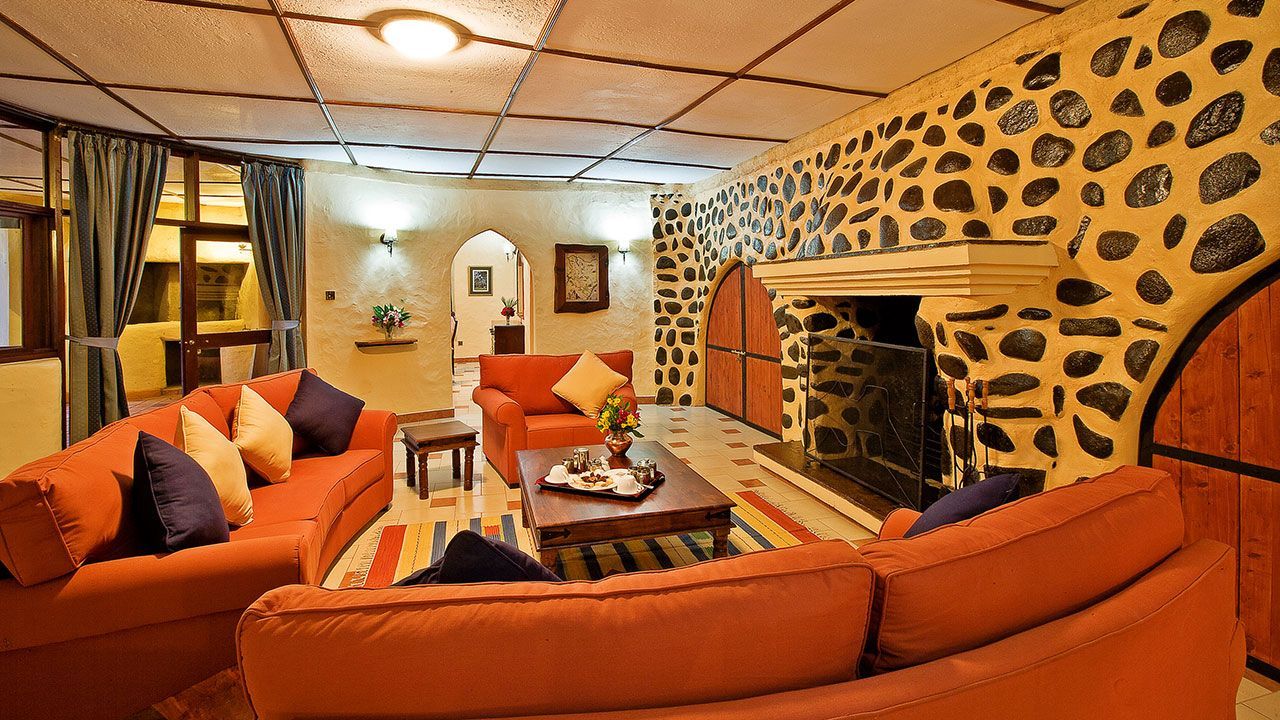
Amboseli Sopa Lodge
Just outside Amboseli National Park
Set in 200 acres of private land, and with a rustic charm all of its own, the Amboseli Sopa Lodge nestles in the foothills of Mount Kilimanjaro
Amboseli Serena Safari Lodge
Amboseli National Park
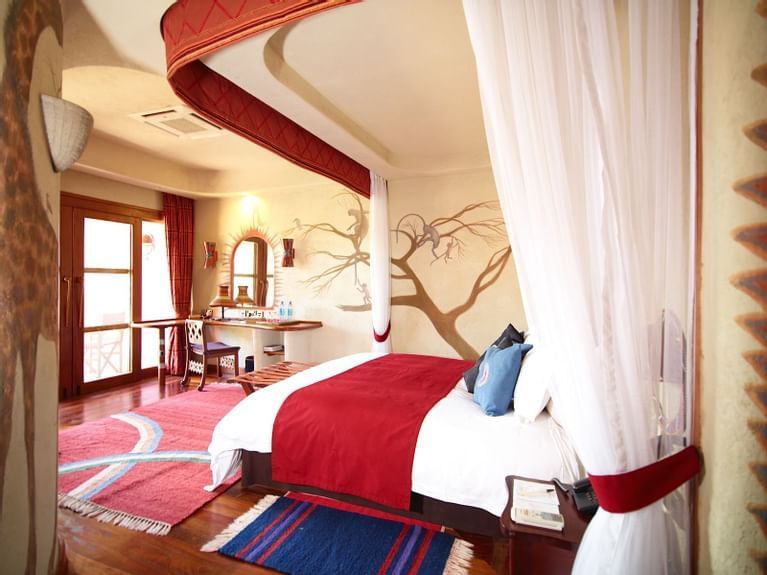
The Amboseli Serena Safari Lodge is located within the Amboseli National Park and has great views over the plains towards Mount Kilimanjaro.
Ol Tukai Lodge
Amboseli National Park
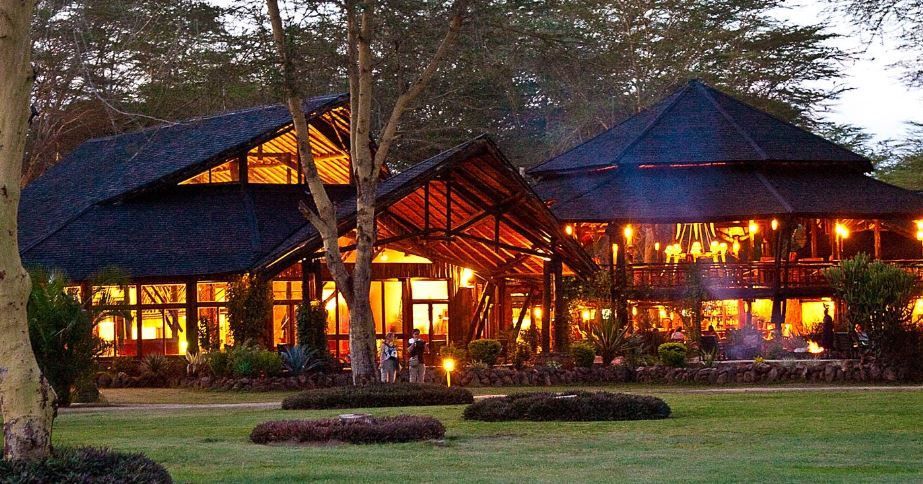
Ol Tukai Lodges features 80 luxury chalet-style twin rooms, all with an uninterrupted view of the wetlands or the magnificent Mt. Kilimanjaro.
We have access to a wide range of handpicked accommodation options — from rustic eco-camps and authentic bush lodges to stylish tented retreats with breathtaking views. If you don’t see the exact lodge or camp you’re looking for, just let us know — we can arrange a variety of stays to suit different tastes, travel styles, and budgets.
Average Weather and Climate in Selous (Nyerere) National Park
Selous enjoys a warm, tropical climate year-round, with variations shaped by the wet and dry seasons.
- June–October (Dry Season): Clear skies, low humidity, and daytime highs of 25–30°C. Wildlife is easiest to spot as it gathers near rivers and lakes.
- November–March (Green Season): Hotter temperatures of 28–34°C, with short, refreshing rains that transform the landscape into a vibrant green paradise.
- April–May (Long Rains): Heavy rainfall can make some roads impassable, and many lodges close for seasonal maintenance.
This climate ensures Selous offers rewarding safari experiences year-round, with each season bringing its own unique charm.
Combine with Other Destinations
Selous (Nyerere) National Park is perfectly placed for travellers wanting to create a varied and memorable Tanzania itinerary. Its location in the south means it combines beautifully with Ruaha National Park, offering a striking contrast between Selous’ watery landscapes and Ruaha’s rugged, predator-rich highlands. While Selous delivers tranquil boat safaris and hippo-filled channels, Ruaha is renowned for its big cat action and vast baobab-studded plains — together, they form a southern circuit that’s rich in both scenery and wildlife encounters.
For those who want to mix safari with barefoot luxury, a short flight connects Selous with the spice island of Zanzibar. Here, you can swap khaki for sarongs and game drives for palm-fringed beaches, historic Stone Town explorations, and fragrant spice farm tours. Alternatively, Mafia Island offers a quieter coastal extension, famous for its pristine coral reefs and seasonal whale shark encounters — perfect for divers and snorkellers.
Adventurous travellers might add Mikumi National Park or the Udzungwa Mountains to the journey, bringing in experiences such as scenic highland hikes, endemic bird species, and lush waterfalls. These parks are accessible by road from Selous, making them a great choice for those who prefer to travel overland.
The park’s accessibility from Dar es Salaam means it can be the start, middle, or finale of a tailor-made Tanzania holiday. Whether you want a pure southern circuit safari, a mix of wildlife and culture, or a blend of wilderness and tropical coast, Selous can anchor your journey. Talk to us about creating a custom itinerary that matches your travel style and pace.
Travelling from the UK to Selous (Nyerere)
Travelling to Selous (Nyerere) National Park from the UK is straightforward with good flight connections into Tanzania.
The most common route is to fly from London Heathrow, Gatwick, or Manchester to Dar es Salaam (DAR), with one-stop services via hubs such as Doha, Dubai, or Addis Ababa.
Typical journey times range from 12 to 15 hours, depending on your chosen airline and layover duration.
From Dar es Salaam, the quickest way to reach the park is by light aircraft, with daily flights taking around 1 to 2 hours and landing at airstrips close to your chosen camp or lodge.
For those preferring an overland route, private road transfers or organised safaris can make the 6–8 hour drive to the park — an adventurous journey that passes through rural villages and scenic countryside.
UK visitors require a visa to enter Tanzania, which can be obtained online before travel or on arrival at the airport. Your passport must be valid for at least six months from your date of entry, with at least one blank page for the visa stamp. It’s also important to check vaccination requirements — Tanzania is in a yellow fever zone, so proof of vaccination may be needed if arriving from an affected country, and antimalarial medication is strongly recommended.
With the right planning, your journey from the UK to Selous is the perfect prelude to the adventure ahead — transitioning from city bustle to wild, open landscapes in just over half a day of travel.
Discover the Wild, Your Way: Tailor Your Selous (Nyerere) Safari with Us
Selous is a destination where the adventure is as vast as the horizon. From riverbank sunsets to the thrill of tracking wild dogs, this park offers moments that can’t be replicated anywhere else.
Talk to us about the experiences you’ve always dreamed of. We’ll match you with handpicked lodges, expert local guides, and authentic adventures that bring Selous to life.
Speak to one of our safari specialists today — call us or fill out our quick enquiry form, and let’s start planning your tailor-made adventure.
Send an Enquiry
We will get back to you as soon as possible.
Please try again later.
Frequently Asked Questions
When is the best time to visit Selous?
June to October is best for wildlife viewing, though November to March offers lush scenery and superb birdwatching..
Is Selous suitable for first-time safari travellers?
Yes — it offers varied activities, excellent guides, and fewer crowds than northern parks, making it ideal for a first safari.
What wildlife can I expect to see?
Elephants, lions, giraffes, zebras, buffalo, hippos, crocodiles, African wild dogs, and over 440 bird species.
Is Selous accessible for travellers with mobility issues?
Many lodges offer accessible accommodation and vehicle options — it’s best to discuss needs when booking.
Can Selous be combined with other parks?
Absolutely — it pairs well with Ruaha, Mikumi, and Zanzibar for a diverse itinerary.
Is the park family-friendly?
Yes, with family-oriented lodges and activities, though walking safaris have age restrictions.
How safe is it to visit?
Selous is considered safe for travellers, with guided activities led by trained professionals.
What type of accommodation is available?
Options range from luxury tented camps to rustic bush stays, catering to different budgets and styles.
How do I get to Selous?
By air from Dar es Salaam, Zanzibar, or other safari hubs, or via overland road trip from Dar.
Do UK travellers need a visa for Tanzania?
Yes — UK citizens require a visa, which can be obtained online or on arrival.