Akanda & Pongara National Parks Safaris
Wild Atlantic beaches, mangrove forests, and nesting sea turtles – discover Gabon’s coastal safari wonderlands.
Best Time To Go
June to September (dry season) and December to February (short dry season)
High Season
July to August and December
Size
Approx 540 square kilometres (Akanda) 870 square kilometres (Pongara)
Altitude
0 - 50 metres
above sea level
Akanda & Pongara National Parks Safari Holidays
Where Rainforest Meets Ocean
Akanda and Pongara National Parks form Gabon’s captivating coastal wilderness, where dense mangrove forests meet sweeping Atlantic shores. Famous for nesting turtles, migratory birds, and lush estuarine landscapes, these parks offer one of Africa’s most unique safari experiences.
Remote yet accessible, they showcase the wild beauty of Central Africa in its purest form.
Why Visit Akanda & Pongara National Parks?
Located just outside Gabon’s lively capital of Libreville, Akanda and Pongara present an extraordinary opportunity to explore two distinct yet complementary ecosystems in a single trip. Akanda, with its sprawling mangrove swamps and tidal inlets, is one of the most important wetland reserves in West and Central Africa. Pongara, by contrast, stretches across golden beaches, savannahs, and gallery forests, where elephants and buffalo roam against an ocean backdrop.
The scenery here is unlike the classic savannah safaris of East Africa. Instead, you’ll discover a mosaic of coastal lagoons, vast mangrove estuaries, and sandy beaches lined with palm trees. These are places where you can watch humpback whales breaching offshore one day and green turtles nesting under starlit skies the next.
Both parks are biodiversity hotspots, with countless migratory birds stopping along the East Atlantic Flyway, making them a paradise for ornithologists. Their quiet, untouched atmosphere also means fewer crowds, offering an intimate and exclusive safari experience far removed from the well-trodden paths of Africa’s more famous parks.
What truly sets Akanda and Pongara apart is their pace: here, safaris unfold slowly, in rhythm with the tides, the sea breezes, and the nesting cycles of turtles. They are perfect for travellers seeking a different kind of wilderness — a balance of relaxation, exploration, and awe-inspiring wildlife encounters at the edge of Africa’s Atlantic coast.
Wildlife and Nature
Akanda and Pongara are living sanctuaries where land and ocean converge in spectacular fashion. The air is thick with the salt tang of the Atlantic, while the mangroves exhale an earthy scent as tides wash in and out. At Pongara’s beaches, the rhythmic crash of waves accompanies evenings spent watching leatherback turtles – the world’s largest sea turtle – laboriously laying eggs beneath the moonlight. Between November and March, thousands of turtles come ashore, making this one of the most remarkable wildlife spectacles on the continent.
Akanda is defined by its labyrinthine waterways and mangrove forests, home to manatees, crocodiles, and countless fish species. Overhead, flocks of migratory waders and terns fill the skies during the northern winter, while resident kingfishers and bee-eaters bring flashes of colour to the canopy. Birders will find themselves in paradise, with over 200 species recorded in the park.
Elephants and forest buffalo emerge onto Pongara’s coastal savannahs, sometimes even wandering along the sand, a surreal and unforgettable sight. Offshore, from July to September, humpback whales breach and slap their tails as they migrate along the Gabonese coast, adding a marine dimension to the safari experience.
These parks are more than wildlife havens — they are vital ecosystems, protected through Gabon’s forward-thinking conservation policies and supported by organisations like the Agence Nationale des Parcs Nationaux (ANPN). Their combination of oceanic and terrestrial biodiversity offers an experience found nowhere else in Africa. To walk the beaches of Pongara at dusk, with turtle hatchlings scurrying towards the surf, is to witness nature’s drama in its purest, most fragile form.
Best Time to Visit Akanda & Pongara
The best times to visit Akanda and Pongara depend on what you want to see. The long dry season, running from June to September, offers the most comfortable conditions for travel, with lower humidity, clear skies, and easier access to the parks.
This is also when humpback whales migrate along Gabon’s coast, creating unforgettable whale-watching opportunities from Pongara’s beaches.
December to February brings a shorter dry season, another excellent time for wildlife. During these months, sea turtles – especially leatherbacks – are nesting in huge numbers, with hatchlings beginning their perilous journey to the ocean.
Visitors at this time are often rewarded with once-in-a-lifetime encounters.
The wet seasons (October to December and February to May) see heavy rains, transforming the mangroves and savannahs into lush, glistening landscapes. Birdlife is at its most dramatic then, with migratory species flocking to the wetlands.
While access can be more challenging due to muddy roads and higher water levels, the vivid green backdrops and dramatic skies make for spectacular photography.
For photographers, the golden light of dawn and dusk is especially magical here, illuminating the coastline and mangroves in rich tones.
Beach sunsets at Pongara, with turtle tracks etched into the sand, are a dream for wildlife and landscape photography alike.
Safari Experiences in Akanda & Pongara
Akanda and Pongara offer safari experiences that are unlike anywhere else in Africa, blending classic wildlife encounters with oceanic drama and cultural connections.
Turtle Nesting Nights: From November to March, join rangers on guided walks along Pongara’s beaches, where leatherback and green turtles haul themselves ashore to lay eggs. Witnessing this ancient ritual by torchlight is a deeply moving experience.
Whale-Watching on the Atlantic: During July to September, the waters off Pongara become a stage for humpback whales. Boat excursions bring you close to breaching whales, mothers with calves, and playful dolphins that accompany the journey.
Mangrove Canoe Safaris in Akanda: Glide silently through Akanda’s mangrove channels by canoe, surrounded by birdsong and the rustle of crabs. It’s an intimate way to spot manatees, crocodiles, and fish eagles, and to appreciate the park’s delicate wetland ecology.
Forest and Savannah Walks: Guided walks in Pongara reveal its blend of ecosystems — from forest trails echoing with primate calls to open savannah where elephants graze. Few places allow you to shift between rainforest and coastline in a single day.
Cultural Encounters with Coastal Communities: Visits to nearby fishing villages offer insight into Gabonese traditions, from palm wine making to artisanal fishing. These experiences provide a human connection to the landscape, enriching the safari with local stories.
Birdwatching Expeditions: With hundreds of species, Akanda is a birding gem. Specialist guides help identify elusive kingfishers, bee-eaters, and migratory waders, turning each outing into a colourful treasure hunt.
Where to Stay in Akanda & Pongara
Akanda & Pongara National Parks offer a wide range of accommodation options to suit different preferences and budgets, all set within or just outside the park boundaries. These typically include:
- Eco-Luxury Lodges: Stylish eco-lodges near Pongara’s beaches combine solar-powered design with ocean views. Expect spacious suites, gourmet dining with freshly caught seafood, and the sound of waves as your natural soundtrack.
- Tented Camps: For a more adventurous stay, tented camps in Pongara provide an authentic under-canvas experience. Fall asleep to the crash of the Atlantic or the chorus of forest insects, with all the comforts of modern amenities.
- Boutique Coastal Retreats: Intimate, character-rich lodges offer a balance of comfort and authenticity. Many are locally owned, with a focus on sustainability and personalised hosting that brings Gabon’s warm hospitality to life.
At Awake in the Wild, we work only with lodges and camps that meet our ethical and sustainability standards. Whether you’re looking for solar-powered luxury or a simple campfire safari experience, we’ll match you to the perfect base. If you don’t see the exact lodge or camp you’re looking for, just let us know — we’re able to arrange a variety of stays to suit different tastes, travel styles, and budgets.
A Selection of our Akanda & Pongara Safari Accommodation
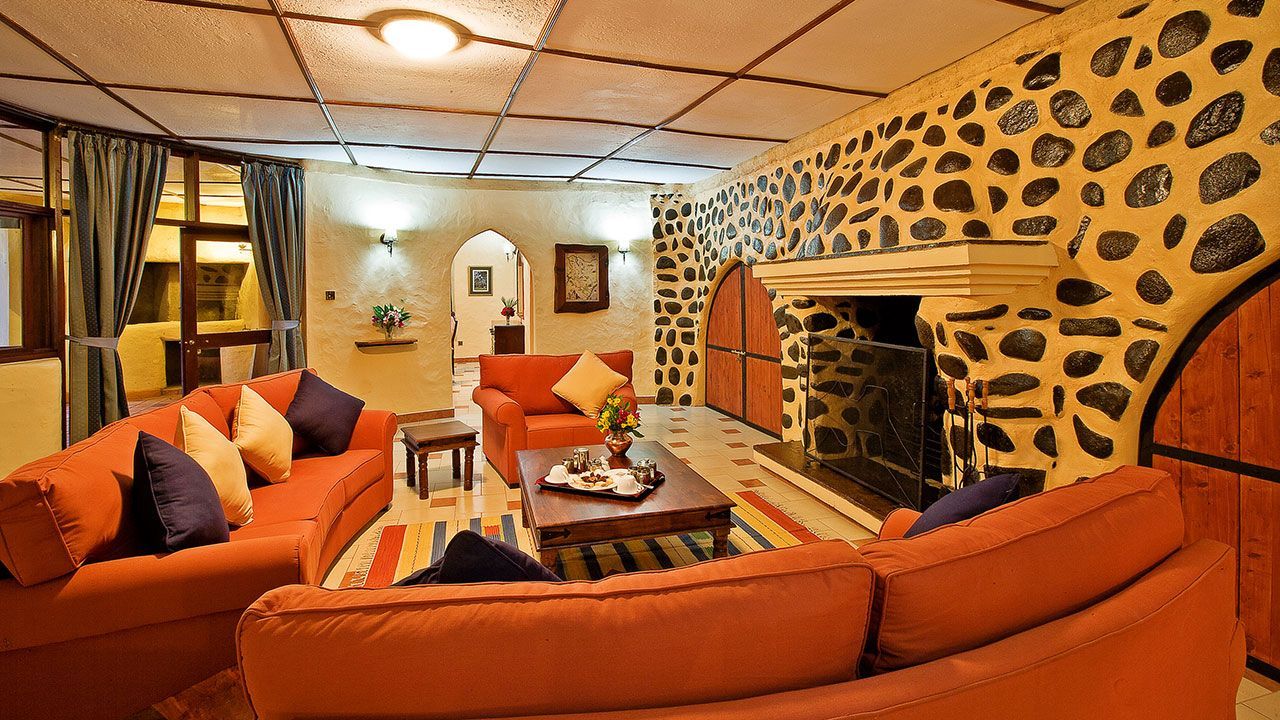
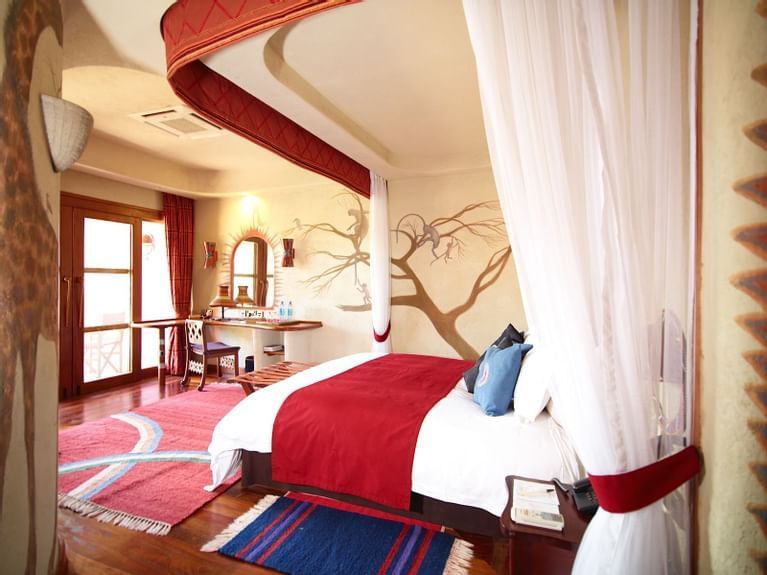
Amboseli Sopa Lodge
Just outside Amboseli National Park
Set in 200 acres of private land, and with a rustic charm all of its own, the Amboseli Sopa Lodge nestles in the foothills of Mount Kilimanjaro
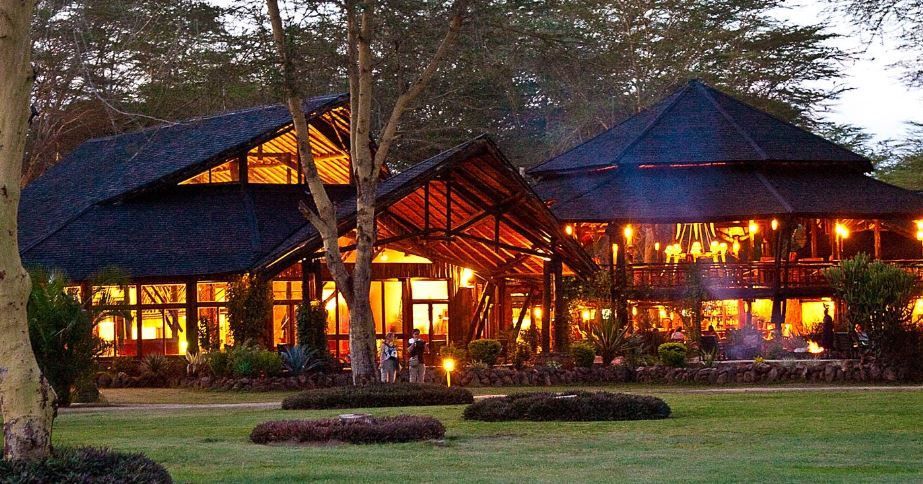
Amboseli Serena Safari Lodge
Amboseli National Park
The Amboseli Serena Safari Lodge is located within the Amboseli National Park and has great views over the plains towards Mount Kilimanjaro.
Ol Tukai Lodge
Amboseli National Park
Ol Tukai Lodges features 80 luxury chalet-style twin rooms, all with an uninterrupted view of the wetlands or the magnificent Mt. Kilimanjaro.
We have access to a wide range of handpicked accommodation options — from rustic eco-camps and authentic bush lodges to stylish tented retreats with breathtaking views. If you don’t see the exact lodge or camp you’re looking for, just let us know — we can arrange a variety of stays to suit different tastes, travel styles, and budgets.
Average Weather and Climate in Akanda & Pongara
The coastal climate of Akanda and Pongara is equatorial, with warm temperatures and high humidity year-round. The long dry season (June to September) brings sunny days and pleasant breezes, with daytime temperatures averaging 25–28°C. Nights are cooler and comfortable, making it the most popular time for safaris and whale-watching excursions.
The short dry season (December to February) is another excellent time to visit, with similar conditions. This coincides with peak turtle nesting, when the warm, dry nights provide the perfect backdrop for observing turtles and hatchlings on the beaches.
The wet seasons, from October to December and February to May, transform the landscape into a lush green haven. Heavy rains feed the mangroves and forests, wildlife becomes more dispersed, and birdlife flourishes. Temperatures remain warm, though humidity rises, and afternoon downpours are common.
Unique to these parks is the influence of the Atlantic Ocean, which moderates temperatures and brings refreshing breezes even during the wetter months. The ever-changing skies, from dramatic storm clouds to fiery sunsets, provide endless photographic opportunities.
Whichever season you choose, Akanda and Pongara deliver unforgettable wildlife encounters, with each time of year offering its own distinctive atmosphere.
Combine with Other Destinations
Akanda and Pongara are ideally located for combining coastal safaris with Gabon’s inland wilderness.
From Libreville, it’s possible to continue eastwards to Loango National Park, famed for its “surfing hippos” and forest elephants on the beach — a perfect complement to Pongara’s turtle and whale spectacles.
Travellers can also combine their visit with Lopé National Park, a UNESCO World Heritage Site where ancient rock art meets sweeping savannahs and rich primate populations.
For those seeking a deeper immersion into Gabon’s biodiversity, Ivindo National Park offers pristine rainforest and the spectacular Kongou Falls.
With their proximity to Libreville, Akanda and Pongara are excellent starting or ending points for a Gabonese safari loop.
Talk to us about creating a custom itinerary that weaves together coast, rainforest, and savannah for the ultimate Central African adventure.
Travelling from the UK to Akanda & Pongara
UK travellers can fly from London to Libreville, Gabon’s capital, with connections typically routed via Paris, Addis Ababa, or Istanbul. The journey usually takes around 10–12 hours depending on the route. Libreville’s Léon-Mba International Airport is the main gateway, located just a short drive from Akanda and within easy reach of boat transfers to Pongara.
Getting to the parks is refreshingly straightforward. Akanda is accessible by road within 30–40 minutes of Libreville, while Pongara requires a short and scenic boat ride across the Komo Estuary — often accompanied by dolphins. This ease of access makes them some of Gabon’s most visitor-friendly parks without sacrificing their wild character.
UK passport holders currently require a visa to enter Gabon, which can often be obtained electronically. Passports must be valid for at least six months beyond entry. As with much of Central Africa, malaria precautions and routine travel vaccinations are recommended, and Awake in the Wild provides the latest advice to ensure peace of mind.
From international flights to lodge transfers, Awake in the Wild manages every detail, ensuring that your journey is seamless and focused on the unforgettable experiences awaiting you in Gabon.
Discover the Wild, Your Way: Tailor Your Akanda & Pongara Safari with Us
To walk Pongara’s moonlit beaches as giant turtles nest, or to drift through Akanda’s silent mangroves as kingfishers flash past, is to experience Africa’s wild coast at its most magical. These parks are places of contrasts — ocean and forest, elephants and whales, ancient rituals and modern conservation — all unfolding at nature’s pace.
Talk to us about the experiences you’ve always dreamed of. We’ll match you with handpicked lodges, expert local guides, and authentic adventures that bring Akanda & Pongara to life.
Speak to one of our safari specialists today — call us or fill out our quick enquiry form, and let’s start planning your tailor-made adventure.
Send an Enquiry
We will get back to you as soon as possible.
Please try again later.
Frequently Asked Questions
What is the best time to visit Akanda & Pongara National Parks?
The long dry season (June–September) is ideal for whale watching and comfortable travel, while the short dry season (December–February) coincides with turtle nesting. The wet seasons bring lush scenery and prolific birdlife but can make access more challenging.
Are these parks suitable for first-time safari travellers?
Yes — their proximity to Libreville makes them easy to reach, while the experiences are both unique and beginner-friendly. Instead of big-game drives, visitors enjoy intimate wildlife encounters along beaches, mangroves, and savannahs, offering a different but equally rewarding introduction to African safaris.
What kind of wildlife can I expect to see?
Highlights include leatherback and green sea turtles, humpback whales, dolphins, elephants, forest buffalo, manatees, and abundant birdlife. Seasonal spectacles such as turtle nesting and whale migration make these parks truly special.
How accessible are the parks from Libreville?
Akanda is just 30–40 minutes by road, while Pongara requires a short, scenic boat ride across the Komo Estuary. Their closeness to the capital makes them two of Gabon’s most accessible safari destinations.
Can Akanda & Pongara be combined with other safari destinations?
Absolutely. They are often combined with Loango National Park for “surfing hippos” and Lopé for savannah and primates. Their location makes them an excellent start or finish to a Gabon safari circuit.
Are the parks family-friendly?
Yes, families can enjoy safe and inspiring activities such as guided turtle walks, whale-watching excursions, and canoe rides in the mangroves. Children, in particular, are often captivated by the spectacle of hatchlings racing to the sea.
Is it safe to visit Akanda & Pongara?
Yes, the parks are considered safe for visitors, with guided activities overseen by rangers and licensed operators. Boat transfers and canoe trips follow strict safety standards, and Awake in the Wild ensures all arrangements are handled responsibly.
What type of accommodation is available?
Visitors can choose from eco-luxury beach lodges, under-canvas tented camps, and intimate coastal retreats. All offer comfortable stays close to the parks’ wildlife highlights, from turtle beaches to mangrove lagoons.
How do I get around once inside the parks?
Transport depends on the park: boat and canoe safaris in Akanda, guided walks and vehicle transfers in Pongara, and offshore trips for whale watching. This variety makes the experience dynamic and adventurous.
Do UK travellers need a visa to visit Gabon?
Yes, UK passport holders require a visa, which can often be obtained online before travel. Passports should be valid for at least six months beyond entry. Awake in the Wild provides up-to-date guidance and support with all entry requirements.