Moremi Game Reserve Safaris
Floodplains, predators, and pristine wilderness at the heart of the Okavango Delta.
Best Time To Go
July to October (dry season, peak game viewing)and November to March (green season for birdlife and lush scenery)
High Season
July to October
Size
Approx 5,000 square kilometres
Altitude
930–1,000 metres
above sea level
Moremi Game Reserve Safari Holidays
Delta Dreams and Untamed Wildlife Encounters
Moremi Game Reserve is the beating heart of Botswana’s Okavango Delta — a place where floodplains and forests collide in a mosaic of habitats that attract some of Africa’s richest wildlife.
Known for its predators, birdlife, and pristine landscapes, Moremi is a safari experience that feels both intimate and dramatic.
Why Visit Moremi Game Reserve?
Situated in the eastern section of the Okavango Delta, Moremi Game Reserve offers a unique safari setting that blends water and land. It was the first reserve in Africa created by local people, when the BaTawana tribe set aside their ancestral land in 1963 to protect it. This community-led spirit still underpins Moremi’s conservation story today.
Moremi is a patchwork of ecosystems: papyrus-lined channels, seasonally flooded floodplains, mopane woodlands, acacia forests, and savannah. This diversity supports an extraordinary range of wildlife, making it one of the best places in Africa to see a wide spectrum of species in a relatively compact area.
The reserve is famous for its predator populations. Lions, leopards, wild dogs, and cheetahs thrive here, supported by large herds of impala, buffalo, and red lechwe. Birders are equally spoiled, with over 400 species recorded. The waterways of Moremi contrast beautifully with the dry sandveld of Botswana’s deserts, creating a safari experience that is as much about beauty as it is about abundance.
Unlike other parts of the Delta, Moremi offers a balance of land-based game drives and water-based excursions. This makes it a standout destination for travellers who want to experience both the drama of predator encounters and the tranquillity of gliding silently through channels in a mokoro.
Wildlife and Nature
Moremi’s landscapes are mesmerising. In the early morning, mist rises off floodplains where lechwe splash through shallow waters, their calls echoing across the channels. Mopane forests hum with cicadas in the heat of the day, while evenings are filled with the sounds of crickets, frogs, and the distant roar of lions.
The wildlife here is among Botswana’s most diverse. Herds of elephant and buffalo dominate the grasslands, while predators lurk nearby. Lions are often found lounging under acacias, leopards drape themselves across tree limbs, and packs of wild dogs hunt with precision. Cheetahs favour the open floodplains, where their speed is unmatched.
Seasonal rhythms shape the experience. During the dry months (July–October), water is scarce outside the Delta, drawing huge concentrations of animals into Moremi. This is peak predator season, with intense encounters between carnivores and prey. In the green season (November–March), the reserve transforms into a lush paradise. Birdlife flourishes with migrants from as far as Europe and Asia, and newborn antelope take their first steps across the plains.
Conservation is a cornerstone of Moremi’s identity. The reserve is part of the UNESCO-listed Okavango Delta, one of the Seven Natural Wonders of Africa. Projects focus on protecting endangered wild dogs, monitoring elephant populations, and preserving wetlands vital for global biodiversity.
For photographers, Moremi offers scenes that are both intimate and expansive: a fish eagle launching from a papyrus reed, a lioness stalking through golden grass, or reflections of flamingos mirrored in still channels. Every sighting is framed by scenery that feels untouched and timeless, reminding you that this is one of Africa’s last true wildernesses.
Best Time to Visit Moremi
Dry Season (July–October): The best time for game viewing. As waters recede outside the Delta, animals flock into Moremi, concentrating along the river channels and floodplains. Temperatures are mild, skies are clear, and sightings of predators are at their peak. This is also the busiest season, so advance booking is essential.
Green Season (November–March): Rains transform Moremi into a lush landscape of vibrant greens and sparkling lagoons. Birdwatchers will find this the most rewarding season, with migratory species arriving in their thousands. Newborn antelope fill the floodplains, creating dramatic predator-prey encounters. While animals are more dispersed, the scenery is breathtaking, and camps feel quieter and more exclusive.
Shoulder Months (April–June): As floodwaters spread through the Delta, mokoro safaris and boat trips are at their best. The balance between water and land activities makes this a magical time to visit.
Special Events: The annual flood, peaking between June and August, is one of nature’s most remarkable phenomena. Rainfall in the Angolan highlands takes months to reach Moremi, creating lush conditions at the height of Botswana’s dry season.
Photography Tips: Morning light is soft and golden, ideal for predators returning from hunts. Evenings offer dramatic sunsets reflected in still waters. In the green season, dramatic skies with storm clouds create unique backdrops.
Travel Insights: Dry season access is easier by vehicle, while wet season journeys may require more reliance on light aircraft. Awake in the Wild ensures seamless logistics tailored to the season.
Safari Experiences in Moremi
Moremi is where safari becomes an art form — blending predator drama, tranquil waterways, and cultural depth into an experience that feels endlessly rewarding.
- Mokoro Canoe Safaris: Glide silently through papyrus channels as your poler steers a traditional dugout canoe. The tranquillity is unmatched — kingfishers flash overhead, frogs sing from reeds, and elephants drink on the banks.
- Predator Encounters on the Floodplains: Moremi is one of Africa’s best places to see wild dogs in action. Lions and leopards are equally common, making every drive a chance for thrilling encounters.
- Birding in the Green Season: With over 400 species, Moremi is a birder’s paradise. Carmine bee-eaters, African fish eagles, and rare wattled cranes bring colour and drama to the wetlands.
- Scenic Boat Trips: In the flood months, boat safaris reveal Moremi’s waterways at their most magical. Crocodiles bask on sandbanks, hippos grunt in lagoons, and sunsets reflect in golden channels.
- Cultural Connections with the BaTawana: Learn about the history of Moremi, founded by the BaTawana people. Cultural encounters and storytelling add depth to the safari, reminding travellers of the community’s role in conservation.
- Walking Safaris with Expert Guides: Step out of the vehicle and follow tracks through mopane woodlands. Every footprint, call, or rustle tells a story, and the wilderness feels even more alive on foot.
Where to Stay in Moremi
Moremi Game Reserve offers a wide range of accommodation options to suit different preferences and budgets, all set within or just outside the park boundaries. These typically include:
- Eco-luxury lodges – High-end Delta lodges with panoramic decks, private plunge pools, and gourmet dining, blending indulgence with sustainability.
- Tented camps – Classic safari camps offering comfort under canvas, often set in exclusive areas with outstanding wildlife on the doorstep.
- Boutique bush retreats – Intimate properties with character and personal service, often set in scenic woodland or riverfront locations.
- Mobile fly-camps – Seasonal, lightweight camps that follow the wildlife, offering raw adventure and immersion in Moremi’s wilderness.
At Awake in the Wild, we work only with lodges and camps that meet our ethical and sustainability standards. Whether you’re looking for solar-powered luxury or a simple campfire safari experience, we’ll match you to the perfect base. If you don’t see the exact lodge or camp you’re looking for, just let us know — we’re able to arrange a variety of stays to suit different tastes, travel styles, and budgets.
A Selection of our Moremi Safari Accommodation
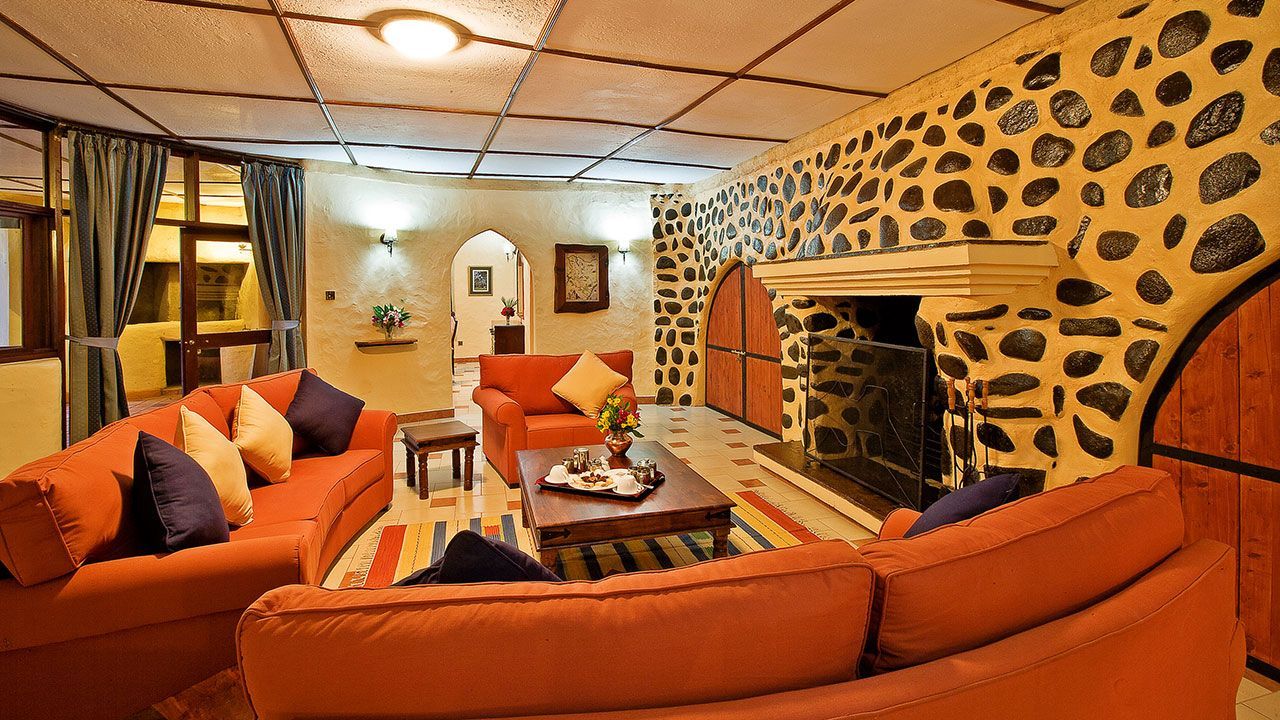
Amboseli Sopa Lodge
Just outside Amboseli National Park
Set in 200 acres of private land, and with a rustic charm all of its own, the Amboseli Sopa Lodge nestles in the foothills of Mount Kilimanjaro
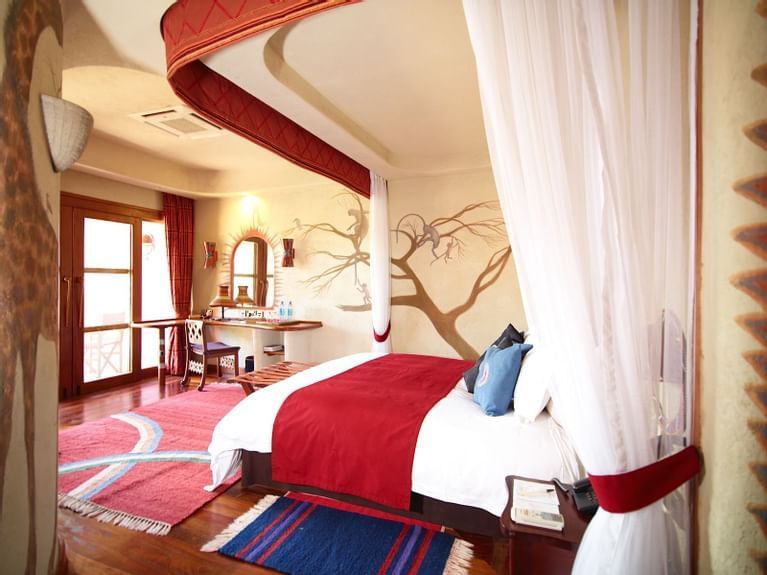
Amboseli Serena Safari Lodge
Amboseli National Park
The Amboseli Serena Safari Lodge is located within the Amboseli National Park and has great views over the plains towards Mount Kilimanjaro.
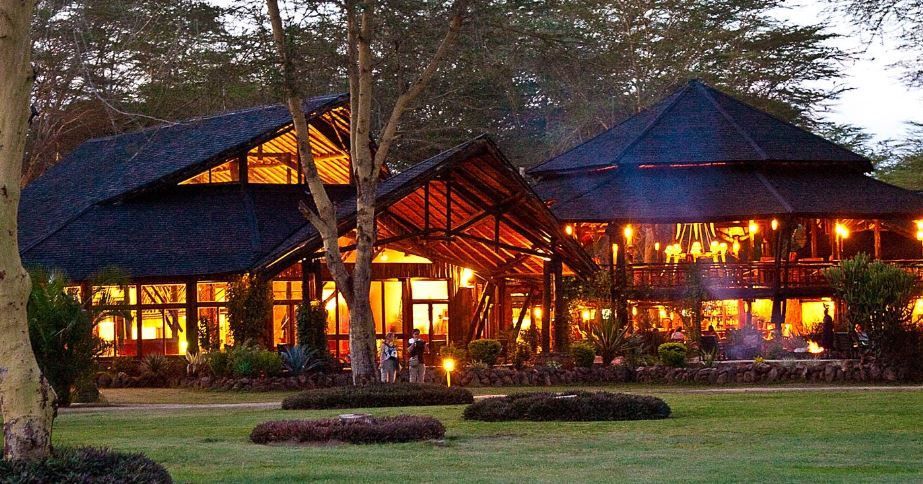
Ol Tukai Lodge
Amboseli National Park
Ol Tukai Lodges features 80 luxury chalet-style twin rooms, all with an uninterrupted view of the wetlands or the magnificent Mt. Kilimanjaro.
We have access to a wide range of handpicked accommodation options — from rustic eco-camps and authentic bush lodges to stylish tented retreats with breathtaking views. If you don’t see the exact lodge or camp you’re looking for, just let us know — we can arrange a variety of stays to suit different tastes, travel styles, and budgets.
Average Weather and Climate in Moremi
Moremi’s climate is shaped by Botswana’s distinct wet and dry seasons.
From July to October, the dry season brings clear skies and comfortable daytime temperatures. Nights can be cool, but this is the best time for concentrated game viewing as animals rely on Delta waters.
November to March is the wet season. Afternoon storms transform the landscapes into a lush, green paradise. While wildlife disperses, the abundance of newborns and birdlife make this season spectacular in a different way. Humidity rises, and daytime temperatures can be hot, but the drama of storms creates incredible photography.
Between April and June, the annual floodwaters spread through the Okavango. This unique phenomenon makes mokoro and boat safaris possible, offering a magical contrast to the dry landscapes elsewhere in Botswana.
Overall, Moremi offers outstanding safari experiences year-round, with each season providing a different but equally rewarding atmosphere.
Combine with Other Destinations
Moremi is ideally combined with Botswana’s other safari icons.
The Okavango Delta’s private concessions offer a wilder, more exclusive complement, while Chobe National Park delivers elephant herds and riverfront drama.
For a desert contrast, add the Makgadikgadi Pans or the Central Kalahari Game Reserve, creating an itinerary that captures Botswana’s extraordinary diversity.
Accessible from Maun, Moremi can also link seamlessly with Victoria Falls, giving travellers a perfect blend of safari and world wonder. Talk to us about building a custom itinerary that includes Moremi.
Travelling from the UK to Moremi
UK travellers typically fly overnight from London to Johannesburg (approx. 11 hours) and then connect to Maun. From Maun, light aircraft flights whisk guests into Moremi’s airstrips, or road transfers can be arranged for those seeking a more scenic adventure. Total travel time is usually 15–18 hours.
UK passport holders do not need a visa for Botswana for stays up to 90 days. Passports must be valid for at least six months beyond your trip. Malaria precautions are recommended, and Awake in the Wild provides up-to-date health and travel advice.
We manage all logistics — from international flights to lodge transfers — ensuring your journey into Moremi is seamless and stress-free.
Discover the Wild, Your Way: Tailor Your Moremi Safari with Us
Moremi Game Reserve is a place of contrasts and abundance — where lions stalk floodplains, elephants gather in lagoons, and mokoros glide through silent channels. It’s one of Africa’s most complete safari destinations, offering both land and water experiences in a pristine setting.
Talk to us about the experiences you’ve always dreamed of. We’ll match you with handpicked lodges, expert local guides, and authentic adventures that bring Moremi Game Reserve to life.
Speak to one of our safari specialists today — call us or fill out our quick enquiry form, and let’s start planning your tailor-made adventure.
Send an Enquiry
We will get back to you as soon as possible.
Please try again later.
Frequently Asked Questions
What is Moremi Game Reserve famous for?
Moremi is renowned as the heart of the Okavango Delta, with diverse habitats and some of Africa’s best predator sightings, including lions, leopards, and wild dogs.
When is the best time to visit Moremi?
The dry season (July–October) is best for concentrated game viewing, while the wet season (November–March) offers lush landscapes, birdlife, and newborn wildlife.
Is Moremi suitable for first-time safari travellers?
Yes. Moremi combines both land and water safaris, making it an excellent introduction to Botswana and African wildlife. It also has a wide choice of lodges catering to different styles.
What animals can I expect to see?
Expect elephants, buffalo, giraffes, hippos, and antelope such as red lechwe. Predators include lions, leopards, cheetahs, hyenas, and endangered wild dogs. Birdlife is prolific year-round.
How do I get to Moremi from the UK?
Most travellers fly London to Johannesburg, then on to Maun. From Maun, light aircraft or 4x4 transfers reach the reserve. Awake in the Wild arranges all logistics.
Can I combine Moremi with other destinations?
Yes. Moremi pairs perfectly with Chobe National Park, the Okavango Delta’s private concessions, Makgadikgadi Pans, or Victoria Falls for a varied safari itinerary.
Is Moremi family-friendly?
Yes. Many lodges welcome families, offering family suites and tailored activities. Older children particularly enjoy mokoro trips, boat safaris, and wildlife tracking.
Is it safe to travel to Moremi?
Yes. Botswana is one of Africa’s safest safari destinations. Lodges operate with experienced guides and strict safety standards, ensuring guests can relax and enjoy the wilderness.
What types of accommodation are available?
Options include eco-luxury lodges, classic tented camps, boutique retreats, and adventurous mobile fly-camps. Awake in the Wild selects only lodges meeting ethical and sustainability standards.
Do UK travellers need a visa for Botswana?
No. UK passport holders can stay for up to 90 days without a visa. Passports must be valid for at least six months after travel.