Kafue National Park Safaris
Vast wilderness, endless rivers, and untamed wildlife – uncover Kafue’s raw safari spirit.
Best Time To Go
June to October
(Dry Season)
High Season
July to October
Size
Approx 22,400 square kilometres
Altitude
900 – 1,500 metres
above sea level
Kafue National Park Safari Holidays
Land of Rivers, Plains, and Hidden Secrets
Kafue National Park is Zambia’s largest and most diverse safari destination, offering raw wilderness on an epic scale. With its vast miombo woodlands, floodplains teeming with life, and the sparkling Kafue River winding through its heart, this park is a hidden gem waiting to be explored.
Remote, authentic, and full of surprises, it’s a safari destination where adventure and discovery go hand in hand.
Why Visit Kafue National Park?
Kafue National Park stretches across western Zambia, covering an extraordinary 22,400 km² — making it one of Africa’s largest protected areas. Despite its size, it remains one of the continent’s most untouched safari destinations, offering a rare sense of remoteness. Travellers are rewarded with a wilderness where the pace of life feels unhurried, and every day brings new discoveries.
The park’s landscapes are as varied as they are vast. From sweeping savannahs and seasonal floodplains to evergreen woodlands and riverine forests, Kafue’s mosaic of habitats sustains remarkable biodiversity. The jewel of the park is the Busanga Plains — a shimmering wetland wilderness famous for its predators and dramatic seasonal changes.
Unlike busier safari parks elsewhere in Africa, Kafue offers solitude. You’ll often find yourself on game drives with not another vehicle in sight, creating a deeply personal connection with the land and its wildlife. Its slower pace means encounters feel more intimate, whether it’s watching lions stalk puku in the morning mist or listening to the haunting cry of a fish eagle at sunset.
Kafue is also a haven for birdwatchers, with over 500 recorded species — from elusive Pel’s fishing owls to flocks of wattled cranes. Its combination of size, diversity, and exclusivity sets it apart as one of Africa’s last great wilderness frontiers.
Wildlife and Nature
Kafue’s landscapes shift dramatically as you move through the park, each area unveiling its own wild personality. The miombo woodlands shimmer in the dry heat, while the Busanga Plains glow emerald after the rains, transforming into a paradise for grazers.
Along the Kafue River, hippos grunt in the shallows and crocodiles bask on sandy banks, as waterbirds sweep low across the channels.
This vast wilderness is home to an impressive range of wildlife. The park is renowned for its predator sightings — lions, leopards, and cheetahs patrol its grasslands, with packs of endangered wild dogs offering some of the most thrilling encounters in Africa. Elephants wander in large herds, buffalo gather in the thousands, and antelope species thrive, from sable and roan to red lechwe and puku. Rare species such as Lichtenstein’s hartebeest and Defassa waterbuck also find sanctuary here.
Seasonality shapes the experience. During the dry months (June–October), wildlife concentrates around rivers and waterholes, making sightings both plentiful and dramatic. The Busanga Plains, accessible only in the dry season, offer some of Africa’s finest predator action, with lions often seen perched on termite mounds surveying the floodplain. In the wet season (November–May), the park is transformed into a lush, green wonderland alive with migratory birds and calving antelope — a time of rebirth and vibrant colour.
Kafue’s ecological significance is immense. Conservation initiatives led by organisations like African Parks have strengthened anti-poaching efforts and restored balance to its ecosystems. The result is a park where wildlife encounters feel both raw and timeless, as if stepping back into Africa’s past. For photographers, the blend of predator drama, sweeping landscapes, and atmospheric light makes every game drive unforgettable.
Best Time to Visit Kafue
Kafue offers rewarding safaris year-round, but each season brings its own unique character.
The dry season (June–October) is the most popular time to visit. Skies are clear, days are warm, and wildlife congregates along the rivers and waterholes. The Busanga Plains open up, offering thrilling predator action and spectacular sunrise scenes with hot air balloons drifting over the misty grasslands. Game drives at this time often feel cinematic, with big cats on the move and elephants crossing the plains against golden horizons.
The green season (November–May) transforms Kafue into a lush paradise. Torrential rains swell the rivers and flood the plains, turning them into a shimmering mosaic of waterways and islands. This is prime time for birdwatching, with migratory species arriving in their thousands, while antelope give birth in the fertile grasslands. It’s quieter in terms of visitors, giving a sense of exclusivity and wild beauty, though some camps close due to access challenges.
For photographers, each season has its rewards. The dry months deliver sharp light and dramatic predator scenes, while the wet season offers moody skies, rich colours, and atmospheric reflections.
Early mornings and late afternoons are especially magical, with soft golden light casting long shadows across the landscapes.
Travellers should be aware that road conditions vary — the dry months offer easier access, while the rains can make certain areas impassable.
Yet whichever season you choose, Kafue promises extraordinary wildlife encounters shaped by its ever-changing wilderness.
Safari Experiences in Kafue
Kafue National Park offers an adventure for every kind of safari traveller, from first-timers to seasoned explorers. With its sheer size and diversity, the park delivers experiences that go beyond the ordinary — from predator-packed game drives to river safaris, balloon flights, and cultural encounters that connect you with Zambia’s heritage.
- Predator Encounters on the Busanga Plains: Feel the pulse of the wild as lions, cheetahs, and wild dogs dominate the iconic Busanga Plains. These open floodplains provide one of Africa’s best stages for predator drama, especially at dawn when mist rises over the grasslands and the first hunts begin.
- River Safaris Along the Kafue: Drift silently along the Kafue River on a boat safari, watching hippos, crocodiles, and a dazzling variety of birdlife. The river’s stillness and the play of light on the water create a safari experience unlike any other — serene, immersive, and full of photographic opportunities.
- Hot Air Balloon Rides Over Busanga: Rise above the misty plains in a hot air balloon, floating silently as the sun paints the landscape gold. From this unique vantage point, elephants and antelope look like scattered pieces on a vast green chessboard — an unforgettable highlight available only in select parts of Africa.
- Walking Safaris in the Miombo: Step into the wilderness on foot, guided by expert rangers who reveal the park’s smaller wonders — from spoor and bird calls to medicinal plants used by local communities. Walking safaris in Kafue connect you intimately with the land, engaging all your senses in a way no vehicle can.
- Birdwatching Paradise: With more than 500 species recorded, Kafue is a dream for bird enthusiasts. Spot the elusive Pel’s fishing owl, watch carmine bee-eaters nest along sandy riverbanks, or marvel at flocks of wattled cranes striding through the wetlands.
- Cultural Encounters Near the Park: Meet local communities on the park’s fringes to learn about traditional Zambian life, crafts, and conservation initiatives. These encounters add a meaningful cultural layer to your safari, highlighting the connection between people and the land.
Where to Stay in Kafue
Kafue National Park offers a wide range of accommodation options to suit different preferences and budgets, all set within or just outside the park boundaries. These typically include:
- Eco-Luxury Lodges: Scattered across prime wildlife areas, Kafue’s eco-lodges combine contemporary comforts with sustainability. Think spacious suites overlooking rivers, infinity pools with panoramic views, and fine dining under the stars — all powered by solar energy and designed to tread lightly on the environment.
- Tented Camps: For those seeking classic safari romance, Kafue’s tented camps deliver the thrill of sleeping under canvas while enjoying modern comforts. With cosy furnishings, ensuite bathrooms, and open-air dining by the fire, these camps place you at the heart of the wilderness.
- Boutique Bush Retreats: Charming and character-rich, boutique retreats in Kafue emphasise intimacy and authenticity. Often family-run, they focus on personalised hosting, excellent guiding, and eco-conscious living in scenic, secluded settings.
- Mobile Fly-Camps: In the dry season, adventurous travellers can join mobile safaris that set up lightweight fly-camps in remote areas of the park. These offer a raw yet rewarding way to experience the wilderness, with nights spent around the campfire beneath vast starry skies.
At Awake in the Wild, we work only with lodges and camps that meet our ethical and sustainability standards. Whether you’re looking for solar-powered luxury or a simple campfire safari experience, we’ll match you to the perfect base. If you don’t see the exact lodge or camp you’re looking for, just let us know — we’re able to arrange a variety of stays to suit different tastes, travel styles, and budgets.
A Selection of our Kafue Safari Accommodation
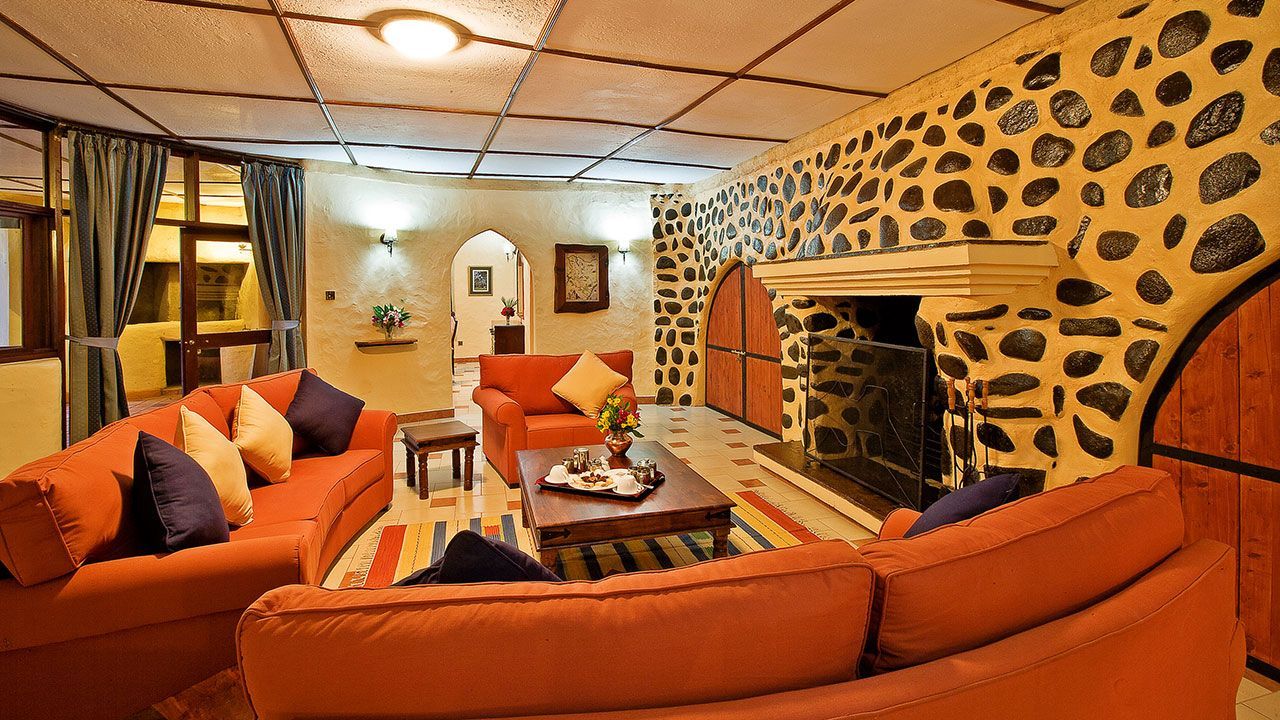
Amboseli Sopa Lodge
Just outside Amboseli National Park
Set in 200 acres of private land, and with a rustic charm all of its own, the Amboseli Sopa Lodge nestles in the foothills of Mount Kilimanjaro
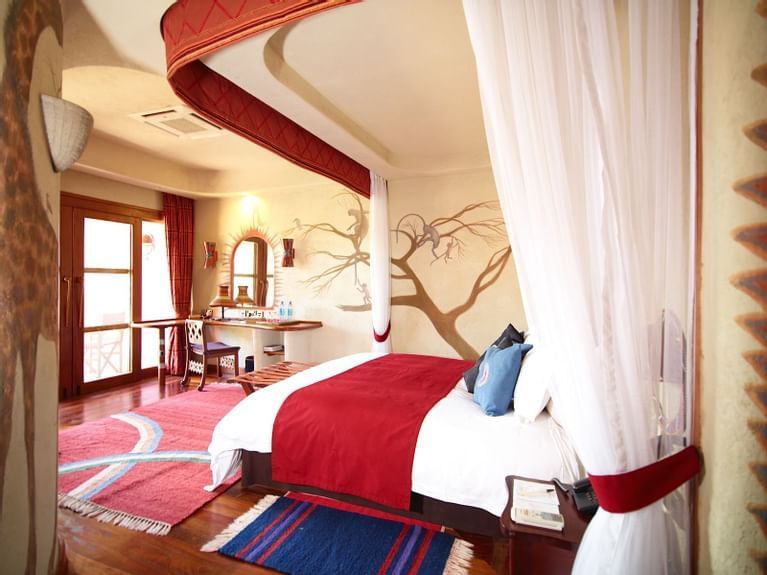
Amboseli Serena Safari Lodge
Amboseli National Park
The Amboseli Serena Safari Lodge is located within the Amboseli National Park and has great views over the plains towards Mount Kilimanjaro.
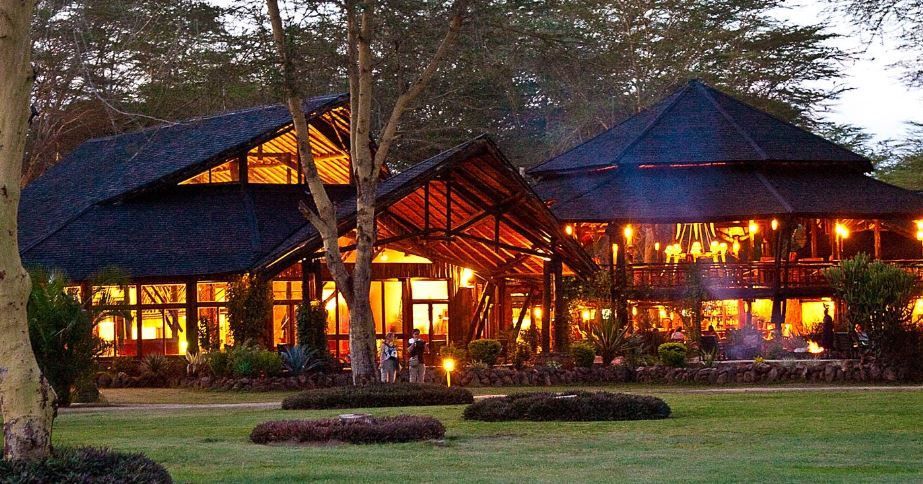
Ol Tukai Lodge
Amboseli National Park
Ol Tukai Lodges features 80 luxury chalet-style twin rooms, all with an uninterrupted view of the wetlands or the magnificent Mt. Kilimanjaro.
We have access to a wide range of handpicked accommodation options — from rustic eco-camps and authentic bush lodges to stylish tented retreats with breathtaking views. If you don’t see the exact lodge or camp you’re looking for, just let us know — we can arrange a variety of stays to suit different tastes, travel styles, and budgets.
Average Weather and Climate in Kafue
Kafue’s climate is shaped by distinct dry and wet seasons, each bringing its own safari magic.
The dry season (May–October) is generally warm and comfortable, with daytime temperatures ranging between 22–30°C. Nights can be cooler, especially in June and July, when they may dip to 8–12°C. Vegetation thins, making wildlife easier to spot, and animals congregate around rivers and waterholes. Dusty tracks and crisp, clear skies make for excellent game drives.
The wet season (November–April) brings heavy rains that rejuvenate the park. Temperatures climb to around 25–32°C during the day, with warm nights and occasional thunderstorms. The landscape transforms into a lush paradise, with rivers flooding and plains turning emerald green. Wildlife disperses, but sightings are still rewarding, particularly for birdwatchers who enjoy the arrival of migratory species.
Unique to Kafue is the dramatic transformation of the Busanga Plains. Completely inaccessible during the rains, they reopen in the dry season, revealing vast grasslands dotted with predators and antelope. This seasonal shift creates a sense of anticipation and exclusivity for those visiting between July and October.
Each season paints the park in new colours — from the golden dust of October to the vibrant greens of January. Whether you crave predator-packed drama or the quiet beauty of bird-filled wetlands, Kafue offers an unforgettable safari atmosphere year-round.
Combine with Other Destinations
Kafue National Park pairs perfectly with other Zambian highlights.
The thundering Victoria Falls near Livingstone is just a short flight away, making it easy to combine safari with one of the world’s natural wonders.
For those drawn to water-based adventures, Lower Zambezi National Park offers canoeing, fishing, and riverfront wildlife experiences that contrast beautifully with Kafue’s vast plains.
Adventurers may also choose to combine Kafue with South Luangwa National Park, renowned for its walking safaris and leopard sightings.
Together, these parks create a diverse Zambian safari circuit that balances predator action, dramatic landscapes, and cultural highlights.
Kafue’s central location and strong air connections make it a convenient starting or ending point for broader Southern African journeys, linking seamlessly with Botswana or Namibia.
Talk to us about creating a custom itinerary that captures the best of Zambia and beyond.
Travelling from the UK to Kafue
Reaching Kafue from the UK is straightforward, with a mix of international and regional connections. There are no direct flights from London to Zambia, but UK travellers can connect via major hubs such as Johannesburg, Doha, Dubai, or Addis Ababa. Flight times from London to Lusaka average around 13–15 hours including a connection.
From Lusaka, travellers can take light aircraft flights directly into the park’s airstrips — the quickest and most scenic option, often under two hours. Alternatively, road transfers from Lusaka to central Kafue take around 4–5 hours, offering the chance to see rural Zambia en route. Some lodges also arrange private charters for added convenience.
UK passport holders require a visa to enter Zambia, which can be obtained online via the e-Visa system or on arrival. Passports should be valid for at least six months beyond your date of entry. Malaria precautions are recommended, and vaccinations such as yellow fever may be advised depending on your travel history.
At Awake in the Wild, we manage every detail of your journey — from flights to transfers and lodge arrangements — so you can simply relax and focus on the thrill of your safari.
Discover the Wild, Your Way: Tailor Your Kafue Safari with Us
Kafue National Park is a place of raw beauty and endless horizons, where lions stalk misty floodplains and elephants wander beneath fiery sunsets. Its sheer scale and diversity promise moments of awe, from the call of a Pel’s fishing owl at night to the silent drift of a hot air balloon above the Busanga Plains. This is a safari destination that captures both the drama and intimacy of Africa.
Talk to us about the experiences you’ve always dreamed of. We’ll match you with handpicked lodges, expert local guides, and authentic adventures that bring Kafue National Park to life.
Speak to one of our safari specialists today — call us or fill out our quick enquiry form, and let’s start planning your tailor-made adventure.
Send an Enquiry
We will get back to you as soon as possible.
Please try again later.
Frequently Asked Questions
What is the best time to visit Kafue National Park?
The best time to visit is during the dry season from June to October, when wildlife congregates around water sources and the famous Busanga Plains are accessible. However, the green season from November to May offers lush landscapes, incredible birdlife, and fewer visitors for those seeking a more exclusive experience.
Is Kafue suitable for first-time safari travellers?
Absolutely. Kafue is an excellent choice for both first-time and seasoned safari-goers. Its remoteness means game drives feel uncrowded, while a range of accommodation options and professional guides ensure comfort and safety. First-timers will enjoy the diversity of experiences, from boat safaris to classic game drives.
What wildlife can I expect to see in Kafue?
Kafue is home to a dazzling array of wildlife, including lions, leopards, cheetahs, and wild dogs. Elephants, buffalo, and numerous antelope species such as sable, roan, and red lechwe roam freely. The park also boasts over 500 bird species, including Pel’s fishing owl and wattled cranes.
How accessible is Kafue National Park?
Kafue is easily reached from Lusaka, Zambia’s capital. Travellers can fly into Lusaka from the UK via major hubs and then transfer by light aircraft (around 1–2 hours) or by road (approximately 4–5 hours). The northern Busanga Plains are typically accessible only in the dry season.
Can Kafue be combined with other safari destinations?
Yes. Kafue pairs beautifully with South Luangwa National Park for walking safaris, Lower Zambezi for river-based adventures, or Victoria Falls for a dramatic natural wonder. It can also be combined with Botswana or Namibia for extended Southern African journeys.
Is Kafue family-friendly?
Many lodges in Kafue welcome families, offering family rooms, child-friendly activities, and expert guides who tailor safaris for younger explorers. Activities such as boat rides and short nature walks are especially popular with families, though age restrictions may apply for walking safaris.
How safe is it to travel to Kafue National Park?
Travelling to Kafue with a reputable operator is safe. Camps and lodges have experienced staff, professional guides, and strict safety protocols in place. Awake in the Wild ensures all travellers are fully briefed and supported throughout their journey.
What types of accommodation are available in Kafue?
Accommodation ranges from luxury eco-lodges with private plunge pools to classic tented camps and adventurous mobile fly-camps. Options are available for every style and budget, with all properties carefully selected for comfort, sustainability, and location.
How do I get around within the park?
Safaris are typically conducted in 4x4 vehicles, with options for boat safaris along the Kafue River, hot air balloon rides over the Busanga Plains, and guided walking safaris. Transfers between camps can be by road or light aircraft depending on the itinerary.
Do UK travellers need a visa for Zambia?
Yes, UK passport holders require a visa to enter Zambia. This can be obtained in advance through the online e-Visa system or on arrival at the airport. Passports should be valid for at least six months beyond the date of entry, and malaria precautions are recommended.