Liuwa Plain National Park Safaris
Endless grasslands, thundering wildebeest herds, and rare predators in Zambia’s wildest frontier.
Best Time To Go
November to July (dry season best: June–July)
High Season
June to October
Size
Approx 3,660 square kilometres
Altitude
1,100 metres
above sea level
Liuwa Plain National Park Safari Holidays
Where Silence Meets the Thundering Herds
Liuwa Plain National Park is one of Africa’s last untouched wildernesses, a remote expanse of golden grasslands and star-studded skies. Famous for its second-largest wildebeest migration and extraordinary sense of solitude, it is a destination for true safari purists.
Here, nature reigns supreme — wild, untamed, and achingly beautiful.
Why Visit Liuwa Plain National Park?
Tucked away in Zambia’s far west, Liuwa Plain remains one of Africa’s best-kept safari secrets. Managed by African Parks, this remote reserve offers an authentic wilderness that feels a world away from the more popular circuits. Its isolation has preserved both its landscapes and its wildlife, making every visit a privilege.
The park’s defining feature is its vast, treeless plains, stretching endlessly beneath immense skies. These sweeping grasslands are sculpted by seasonal floods that transform the landscape with the rains, creating a stage for Africa’s wildlife in its rawest form.
What makes Liuwa unique is its tranquillity. Unlike other safari parks, you won’t encounter vehicle convoys or crowded sightings. Instead, it’s just you, the wind rippling through the plains, and wildlife moving in ancient rhythms. This solitude, combined with its remarkable biodiversity, makes Liuwa a deeply moving safari experience.
Perhaps most famously, Liuwa is home to Africa’s second-largest wildebeest migration, a spectacle of sound and movement that rivals the Serengeti but without the crowds. Add in the park’s predator population, rare birdlife, and cultural connections with the Lozi people, and you’ll see why Liuwa is unlike anywhere else.
Wildlife and Nature
Liuwa Plain’s landscapes are a study in simplicity and scale — vast open grasslands dotted with wildflowers after the rains, flooded channels reflecting the sky, and sunsets that seem to set the entire horizon ablaze. The park’s silence is broken only by the distant rumble of hooves or the haunting call of crowned cranes.
The star attraction is the wildebeest migration, with tens of thousands moving across the plains each November in search of fresh grazing. This mass movement attracts predators such as hyenas, cheetahs, and lions, creating intense wildlife drama against the open backdrop. Liuwa is also home to the park’s legendary cheetah populations, often seen sprinting after antelope across the plains.
Hyenas dominate here, with some of the largest clans in Africa, offering fascinating opportunities to observe their social behaviour. African wild dogs are returning, thanks to conservation efforts, while smaller carnivores such as servals and jackals are frequently sighted.
Birdlife is equally spectacular, especially during the wet season when migratory species arrive. Wattled cranes, crowned cranes, pelicans, and flocks of migratory storks transform the plains into a birdwatcher’s paradise. Rare and endangered species such as the African skimmer and the slaty egret are also highlights.
Conservation is at the heart of Liuwa’s story. Once almost devoid of predators, the park has seen remarkable recovery under African Parks, with lions and cheetahs successfully reintroduced. This ongoing conservation success makes every sighting here even more meaningful — a glimpse of nature’s resilience and the power of protection.
What makes Liuwa different is the intimacy of the encounters. With so few visitors, you may find yourself the only vehicle watching a hunt unfold or a clan of hyenas at play. For photographers, the wide horizons, dramatic skies, and uninterrupted wildlife scenes make it a dreamlike canvas.
Best Time to Visit Liuwa Plain National Park
The experience of Liuwa changes dramatically with the seasons, making timing a crucial part of your journey.
The dry season (June–October) is the best time for traditional game viewing. Wildlife gathers around the remaining water sources, and the shorter grasses make sightings easier.
Days are warm, evenings cool, and the vast plains glow golden under clear skies. Predator activity peaks as hunting becomes easier in the open landscapes.
The wet season (November–May) brings life and drama to Liuwa. Rains flood the plains, creating a watery mosaic where birdlife flourishes.
This is also the time of the wildebeest migration — typically peaking in November — as tens of thousands of animals cross the plains in one of Africa’s greatest natural spectacles.
The vibrant wildflowers and moody skies make for stunning photography, though access is more challenging as some roads become impassable.
Unique to Liuwa is its extraordinary sense of space. Unlike other migration destinations, here you’ll witness herds stretching across the horizon without a crowd in sight.
For photographers, early mornings and late afternoons are magical, when soft light bathes the grasslands and stormy skies frame dramatic wildlife moments.
Travellers should be aware that Liuwa’s remoteness adds to its charm.
Seasonal access may require careful planning, but the reward is unparalleled exclusivity — the feeling of having Africa’s wilderness almost entirely to yourself.
Safari Experiences in Liuwa Plain National Park
Liuwa offers safaris unlike anywhere else — raw, untamed, and deeply immersive. With its blend of iconic migrations, predator action, and cultural connections, the park creates experiences that are both thrilling and soulful.
- Witness the Wildebeest Migration: Stand before one of Africa’s greatest natural spectacles as tens of thousands of wildebeest thunder across the plains. The sheer sound, dust, and movement create an unforgettable sense of drama, especially during November when the herds arrive in full force.
- Predator Action on the Plains: Watch cheetahs accelerate across the grasslands in pursuit of their prey, or observe hyena clans hunting cooperatively in the early morning mist. With fewer vehicles around, predator encounters here feel intimate and intense.
- Birding in a Seasonal Wetland Paradise: During the rains, Liuwa becomes a birdwatcher’s haven. Wattled cranes stride elegantly through flooded grasslands, while pelicans gather in their hundreds. Migratory storks and raptors add to the spectacle, turning the skies alive with wings.
- Walking Safaris in Untamed Wilderness: Step onto the plains with an expert guide and feel the land beneath your feet. Walking safaris reveal the smaller wonders — wildflowers, spoor, and the calls of unseen birds — while immersing you fully in the park’s solitude.
- Cultural Encounters with the Lozi People: Liuwa is intertwined with the heritage of the Lozi community, who have lived here for centuries. Visitors can experience traditional ceremonies, storytelling, or simply learn about the deep connections between the people and the land.
- Camping Under Endless Skies: Few experiences rival a night beneath Liuwa’s stars. Camping safaris let you sit around the fire listening to hyenas whooping in the distance, before drifting to sleep under the Milky Way.
Where to Stay in Liuwa Plain National Park
Liuwa Plain National Park offers a wide range of accommodation options to suit different preferences and budgets, all set within or just outside the park boundaries. These typically include:
- Eco-Luxury Lodges: Exclusive, eco-conscious lodges provide comfort in this remote setting, offering spacious suites, gourmet dining, and sweeping views of the plains. Many are designed with solar power and sustainable practices, ensuring minimal impact on the fragile ecosystem.
- Tented Camps: For a true wilderness feel, Liuwa’s tented camps provide comfort under canvas, with ensuite bathrooms and warm hospitality. Nights are spent close to nature, with the sounds of the plains surrounding you.
- Boutique Bush Retreats: Small and intimate, these retreats focus on personal hosting, cultural immersion, and simplicity. They provide a perfect balance between comfort and authenticity.
- Mobile Fly-Camps: Set up in seasonal locations, mobile fly-camps are ideal for adventurous travellers who want to follow the migration or explore remote corners of the park. Simple yet rewarding, they bring you closest to the raw wilderness of Liuwa.
At Awake in the Wild, we work only with lodges and camps that meet our ethical and sustainability standards. Whether you’re looking for solar-powered luxury or a simple campfire safari experience, we’ll match you to the perfect base. If you don’t see the exact lodge or camp you’re looking for, just let us know — we’re able to arrange a variety of stays to suit different tastes, travel styles, and budgets.
A Selection of our Liuwa Plain Safari Accommodation
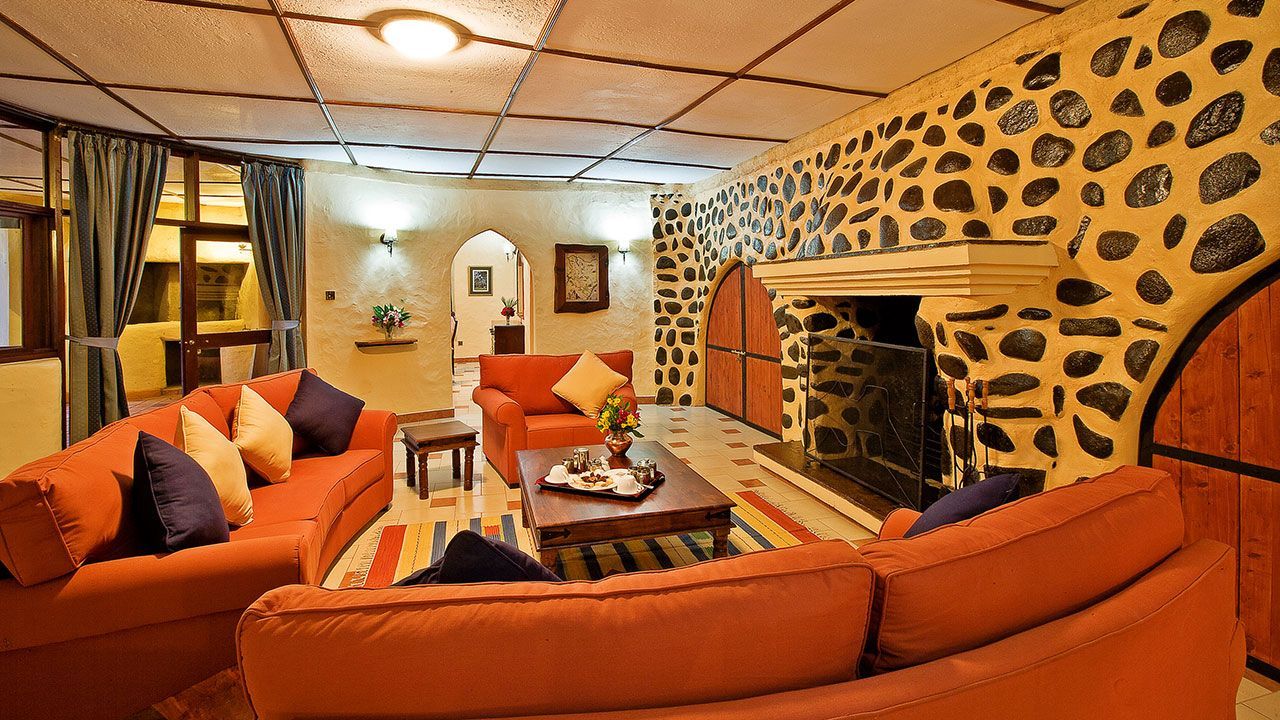
Amboseli Sopa Lodge
Just outside Amboseli National Park
Set in 200 acres of private land, and with a rustic charm all of its own, the Amboseli Sopa Lodge nestles in the foothills of Mount Kilimanjaro
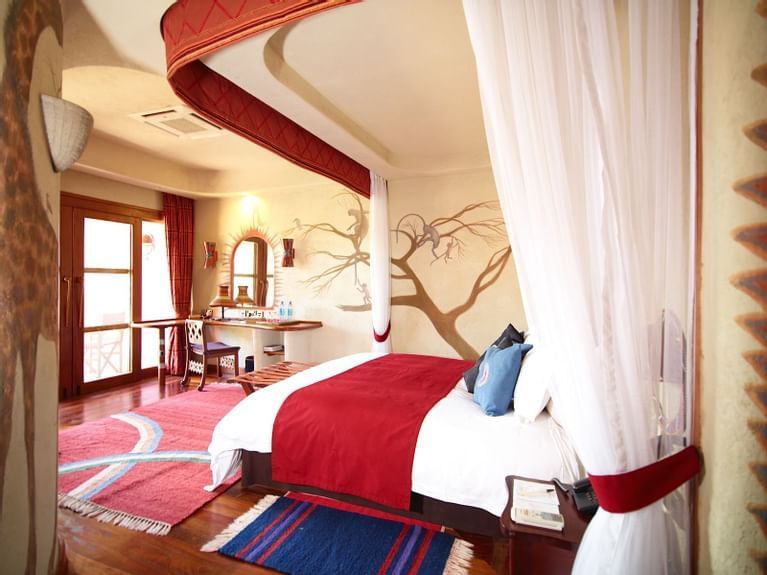
Amboseli Serena Safari Lodge
Amboseli National Park
The Amboseli Serena Safari Lodge is located within the Amboseli National Park and has great views over the plains towards Mount Kilimanjaro.
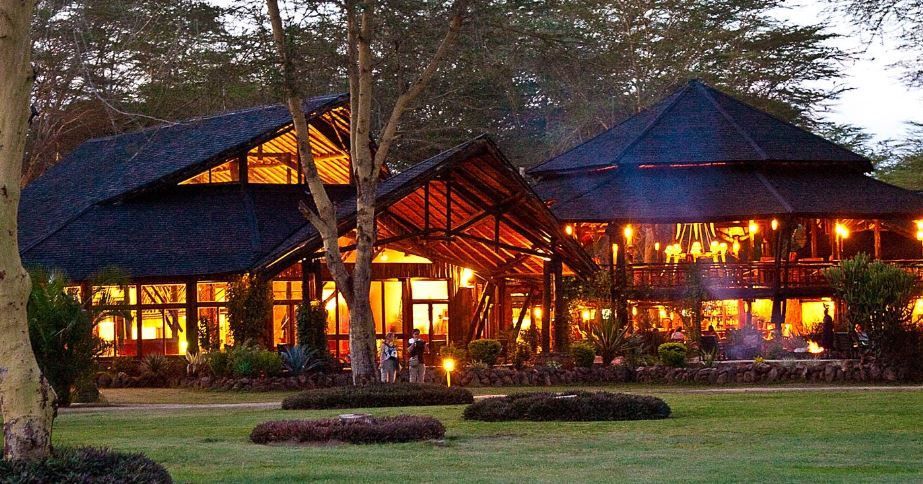
Ol Tukai Lodge
Amboseli National Park
Ol Tukai Lodges features 80 luxury chalet-style twin rooms, all with an uninterrupted view of the wetlands or the magnificent Mt. Kilimanjaro.
We have access to a wide range of handpicked accommodation options — from rustic eco-camps and authentic bush lodges to stylish tented retreats with breathtaking views. If you don’t see the exact lodge or camp you’re looking for, just let us know — we can arrange a variety of stays to suit different tastes, travel styles, and budgets.
Average Weather and Climate in Liuwa Plain National Park
Liuwa’s climate is defined by its seasonal rhythms, each bringing dramatic shifts to the plains.
The dry season (June–October) offers warm days averaging 24–28°C, with cooler nights dipping to around 10–12°C. Grasses shorten, visibility improves, and animals cluster around permanent water. These months are ideal for classic safaris and predator sightings.
The wet season (November–May) transforms Liuwa into a watery wonderland. Rainfall brings lush greenery, wildflowers, and seasonal flooding that shapes the migration. Daytime temperatures rise to 26–32°C, with humid afternoons and dramatic storms. Nights remain warm at around 18°C.
What makes Liuwa unique is the way its flooded plains create vast seasonal wetlands, drawing birdlife in dazzling numbers. The vibrant colours, reflections, and dramatic skies make this season spectacular for photography, even if travel is more challenging.
Whether you seek the wildlife concentrations of the dry season or the raw beauty of the green season, Liuwa offers extraordinary experiences shaped by its climate. Every visit feels different, but always rewarding.
Combine with Other Destinations
Liuwa Plain is a natural partner for other Zambian gems.
Combine it with Kafue National Park for predator-packed game drives, or with South Luangwa for leopard sightings and legendary walking safaris. Together, they create a safari circuit rich in variety.
Many travellers also choose to combine Liuwa with a visit to Victoria Falls, easily reached from Livingstone, for a dramatic contrast between wilderness and one of the world’s great natural wonders.
For water-based adventures, add Lower Zambezi National Park, where canoe safaris and riverfront wildlife await.
With its remote setting, Liuwa is often the highlight of an extended Zambia or Southern Africa itinerary.
Speak to us about tailoring a journey that balances adventure, comfort, and unforgettable landscapes.
Travelling from the UK to Liuwa
Travelling to Liuwa from the UK involves international and regional connections. While there are no direct flights from London to Zambia, connections are easily made via hubs such as Johannesburg, Doha, Dubai, or Addis Ababa. Flight times to Lusaka or Livingstone average around 13–15 hours including connections.
From Lusaka or Livingstone, travellers can connect via light aircraft to Kalabo airstrip, the gateway to Liuwa. From here, a short road transfer takes you into the park. Road transfers from Lusaka are also possible, though journeys can take 8–10 hours and are best suited to those seeking adventure.
UK passport holders require a visa for Zambia, available online or on arrival. Passports must be valid for at least six months beyond entry. Malaria precautions and routine vaccinations are recommended, with Awake in the Wild providing the latest advice during planning.
We handle every aspect of the journey — from international flights to regional connections — ensuring your focus remains on the extraordinary safari ahead.
Discover the Wild, Your Way: Tailor Your Liuwa Plain National Park Safari with Us
Liuwa Plain is Africa at its most authentic — a place of sweeping horizons, wildebeest thundering across the grasslands, and hyenas whooping under star-filled skies. Its solitude, its wildlife, and its raw beauty make it a safari like no other.
Talk to us about the experiences you’ve always dreamed of. We’ll match you with handpicked lodges, expert local guides, and authentic adventures that bring Liuwa Plain National Park to life.
Speak to one of our safari specialists today — call us or fill out our quick enquiry form, and let’s start planning your tailor-made adventure.
Send an Enquiry
We will get back to you as soon as possible.
Please try again later.
Frequently Asked Questions
What is the best time to visit Liuwa Plain National Park?
The best time to visit is during the dry season from June to October, when wildlife is easier to spot and predator action peaks. November is particularly special as it coincides with the wildebeest migration, one of the park’s most dramatic events.
Is Liuwa suitable for first-time safari travellers?
Liuwa is ideal for adventurous travellers or those who want a more exclusive experience. While it is slightly more remote and less developed than other parks, expert guiding and high-quality camps ensure comfort and safety. It’s perfect for travellers seeking authentic wilderness and fewer crowds.
What wildlife can I expect to see in Liuwa?
Liuwa is famous for its wildebeest migration and large hyena clans. You’ll also find cheetahs, lions, African wild dogs, and abundant antelope species. Birdwatching is outstanding, especially in the wet season, with highlights such as wattled cranes, pelicans, and rare migratory species.
How accessible is Liuwa Plain National Park?
The park is most easily reached by light aircraft to Kalabo airstrip from Lusaka or Livingstone, followed by a short transfer into the park. Road transfers are possible but long (8–10 hours) and best suited to seasoned safari-goers. Seasonal flooding can affect accessibility during the rains.
Can Liuwa be combined with other safari destinations?
Yes. Many travellers combine Liuwa with Kafue National Park, South Luangwa, or Lower Zambezi for a diverse Zambia circuit. It’s also easy to link with Victoria Falls for a spectacular contrast between wilderness and one of the world’s great natural wonders.
Is Liuwa family-friendly?
Some lodges welcome families, though Liuwa’s remote setting makes it best for older children and teenagers. Activities such as game drives, birdwatching, and cultural encounters are engaging for families, but age restrictions may apply for walking safaris.
How safe is it to travel to Liuwa Plain National Park?
Yes — travelling with Awake in the Wild ensures professional guiding and secure lodge stays. Safety protocols are strictly followed, and the park is managed by African Parks, which maintains excellent standards in conservation and visitor safety.
What types of accommodation are available in Liuwa?
Options include eco-luxury lodges, classic tented camps, boutique bush retreats, and mobile fly-camps for adventurous travellers. Properties are limited in number, which adds to the park’s exclusivity and intimate safari feel.
How do I get around within the park?
Most exploration is done by 4x4 game drives, with opportunities for guided walking safaris and camping experiences. Seasonal birding and migration-focused activities are also popular, with camps adjusting itineraries to follow wildlife highlights.
Do UK travellers need a visa for Zambia?
Yes, UK travellers require a visa for Zambia. This can be arranged online in advance or upon arrival. Passports must be valid for at least six months beyond your entry date. Malaria precautions and routine vaccinations are recommended.