Lower Zambezi National Park Safaris
Mighty river channels, elephant herds, and thrilling canoe safaris in Zambia’s pristine wilderness.
Best Time To Go
June to October (dry season)
High Season
July to September
Size
Approx 4,092 square kilometres
Altitude
350–600 metres
above sea level
Lower Zambezi National Park Safari Holidays
Where the River Breathes Life into the Wild
Lower Zambezi National Park is a jewel of Zambia, where the mighty Zambezi River shapes a world of abundance. Known for water-based safaris, close-up wildlife encounters, and serene beauty, it offers a safari experience unlike anywhere else.
This is where elephants wander the riverbanks, lions prowl nearby floodplains, and canoeists drift silently past pods of hippos under golden skies.
Why Visit Lower Zambezi National Park?
Nestled along the northern banks of the Zambezi River, directly opposite Zimbabwe’s Mana Pools, Lower Zambezi National Park is one of Africa’s most captivating safari destinations. Its location ensures thriving wildlife populations, as animals move freely across the river between two protected areas, creating a vast transboundary ecosystem.
The park’s landscapes are spectacular. From wide floodplains dotted with acacia and fig trees to thick mopane woodland and towering escarpments, the variety of habitats ensures rich biodiversity. The ever-present Zambezi River is the lifeblood of the park — a shimmering stage where elephants wade across channels, buffalo gather in their hundreds, and fish eagles cry out from riverside branches.
Unlike busier parks elsewhere, Lower Zambezi feels exclusive. Visitor numbers are tightly controlled, ensuring a sense of privacy and seclusion. This means game drives and river trips are intimate, with few other vehicles or boats in sight — the feeling of being in a true wilderness.
What sets Lower Zambezi apart is the chance to see wildlife from land and water. It is one of the best places in Africa for canoe safaris, fishing, and river cruises, making it a versatile safari destination that combines excitement with tranquillity.
Wildlife and Nature
Lower Zambezi is a park defined by water — every sight, sound, and scent is shaped by the river’s rhythms. The air hums with life: hippos grunt in the shallows, crocodiles slip silently into the water, and elephants splash as they cross channels in slow, deliberate steps.
The park is home to an extraordinary array of wildlife. Elephants are particularly iconic here, often seen in large herds grazing on the floodplains or wading through the river. Predators thrive too — lions hunt along the grassy channels, leopards prowl the riverine forests, and packs of African wild dogs roam in search of prey. Buffalo, zebra, and waterbuck are plentiful, while rarer species such as eland and samango monkeys can also be spotted.
Birdwatching is exceptional, with over 350 recorded species. African fish eagles are ever-present, while colourful bee-eaters nest in riverbanks and carmine flocks bring bursts of colour to the skies. The wetlands attract wading birds such as herons, storks, and spoonbills, making every boat trip a delight for photographers.
Seasons transform the experience. In the dry months, wildlife concentrates along the river, creating some of the most dramatic game viewing in Africa. In the wetter months, when rains swell the Zambezi, the park becomes lush and vibrant, alive with migratory birds and newborn animals.
Conservation is central to Lower Zambezi’s story. The park is supported by initiatives such as Conservation Lower Zambezi, which works tirelessly on anti-poaching and community engagement. Thanks to their efforts, wildlife populations are flourishing, offering travellers a safari that is both beautiful and meaningful.
What makes Lower Zambezi unique is the intimacy of its encounters. Watching elephants cross the Zambezi at sunset, or drifting quietly past a basking crocodile in a canoe, creates moments that simply cannot be replicated elsewhere.
Best Time to Visit Lower Zambezi
The park offers incredible experiences year-round, but each season brings a different atmosphere.
The dry season (June to October) is the prime time to visit. Days are warm (25–30°C), nights pleasantly cool, and the vegetation thins out, making wildlife easier to spot.
Animals gather in large numbers along the Zambezi’s channels, creating spectacular game-viewing opportunities. Canoe safaris and boat trips are at their best during these months, with herds of elephants and buffalo providing unforgettable scenes.
The green season (November to April) brings heavy rains that transform the park into a lush paradise. The river swells, floodplains are carpeted in greenery, and birdlife flourishes with the arrival of migratory species.
It’s a photographer’s dream, with dramatic skies, moody light, and vibrant landscapes. While some camps close due to accessibility challenges, those that remain open offer a more exclusive, tranquil safari experience.
Special highlights include the elephant crossings, often seen at the peak of the dry season, when family groups move between islands in the river.
Anglers also prize this period for excellent tiger fishing, one of the park’s signature activities.
For photography, early mornings and late afternoons in both seasons offer the most evocative light, casting golden hues across the river and floodplains. The soft reflections at dusk make for some of the most iconic Zambezi safari shots.
Travel-wise, dry season offers easier access and comfort, while the wet season is better suited for adventurous travellers seeking quiet beauty. Whichever you choose, Lower Zambezi never fails to deliver magic.
Safari Experiences in Lower Zambezi
Lower Zambezi is as much about atmosphere as it is about wildlife. Its combination of river and land safaris ensures travellers experience Africa from every perspective, with a sense of intimacy and thrill that is uniquely its own.
- Canoe Safaris on the Zambezi: Glide silently along the river, paddling past hippos, crocodiles, and elephants feeding at the water’s edge. Canoe safaris here are unrivalled, offering close encounters and breathtaking perspectives of the park’s wildlife.
- River Cruises and Sunset Drifts: Experience the magic of the Zambezi at dusk, when the sky ignites in shades of gold and crimson. Boat safaris reveal pods of hippos, flocks of birds returning to roost, and elephants silhouetted against fiery sunsets.
- Classic Game Drives: Explore the park’s floodplains and woodlands in a 4x4, tracking lions on the hunt or watching leopards lounging in the trees. Morning drives reveal the plains at their most active, while night drives uncover nocturnal creatures.
- Walking Safaris Along the Floodplains: Step into the wilderness on foot, guided by expert rangers. Walking safaris bring you close to the land’s smaller wonders — from animal tracks in the dust to the scent of wild basil and the distant call of lions.
- Birdwatching by Boat and Land: Lower Zambezi is a paradise for birders. From vibrant bee-eaters nesting along the riverbanks to the haunting cry of fish eagles, birdlife here provides colour and soundtrack to your safari.
- Catch-and-Release Tiger Fishing: Anglers will delight in the chance to battle the legendary tigerfish, renowned for its strength and speed. Fishing on the Zambezi is both thrilling and sustainable, with strict catch-and-release practices in place.
- Community and Conservation Experiences: Meet local communities supported by conservation initiatives. Learn about the vital role they play in protecting the park and preserving traditions, adding cultural depth to your safari.
Where to Stay in Lower Zambezi
Lower Zambezi National Park offers a wide range of accommodation options to suit different preferences and budgets, all set within or just outside the park boundaries. These typically include:
- Eco-Luxury Lodges: Stylish riverside lodges blend comfort and sustainability, offering spacious suites with private decks, plunge pools, and sweeping views of the Zambezi. Guests enjoy fine dining under the stars and exceptional service in serene, natural settings.
- Tented Camps: Classic safari tents combine authenticity with comfort, often perched close to the river. These camps offer ensuite bathrooms, campfire dining, and the thrill of sleeping under canvas with the sounds of hippos nearby.
- Boutique Bush Retreats: Smaller, characterful properties provide intimacy and personal hosting, often family-run. These retreats focus on authenticity, eco-friendly practices, and scenic settings ideal for a slower, more reflective safari.
- Houseboats on the Zambezi: Unique to this region, houseboats offer a floating safari experience. Guests can wake up to hippos surfacing beside their vessel, fish for tigerfish by day, and enjoy sundowners on the water.
At Awake in the Wild, we work only with lodges and camps that meet our ethical and sustainability standards. Whether you’re looking for solar-powered luxury or a simple campfire safari experience, we’ll match you to the perfect base. If you don’t see the exact lodge or camp you’re looking for, just let us know — we’re able to arrange a variety of stays to suit different tastes, travel styles, and budgets.
A Selection of our Lower Zambezi Safari Accommodation
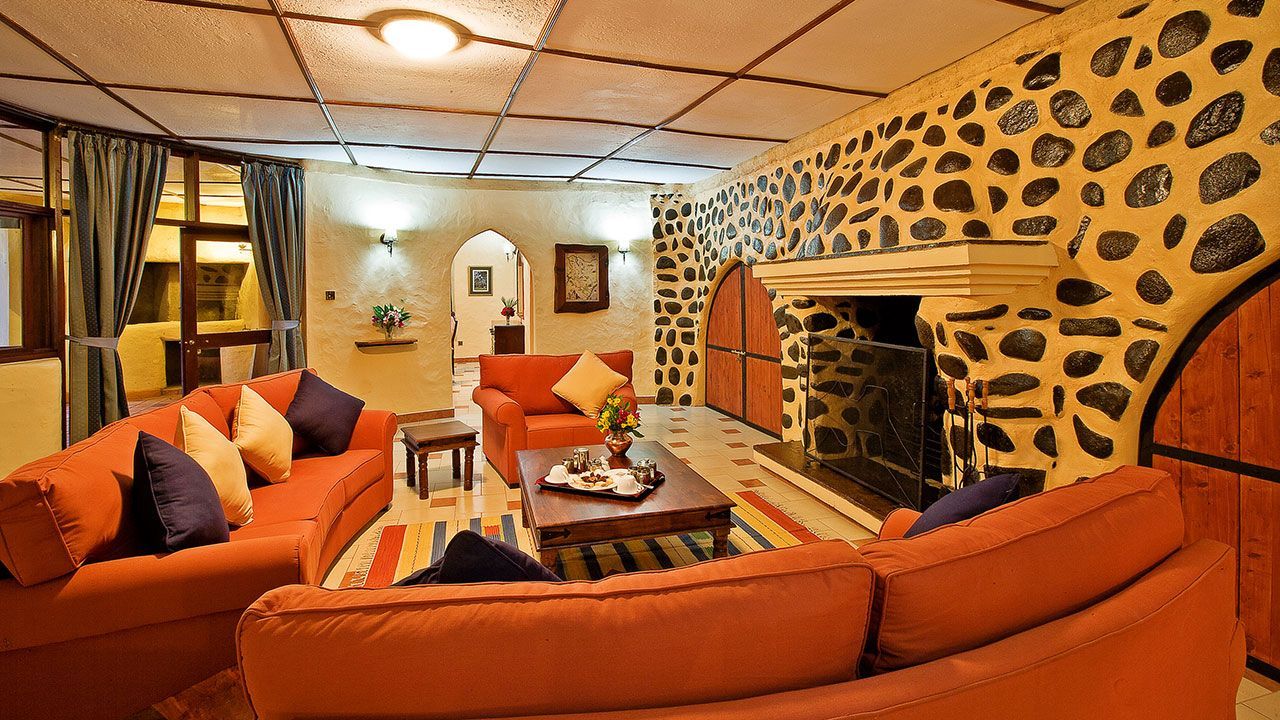
Amboseli Sopa Lodge
Just outside Amboseli National Park
Set in 200 acres of private land, and with a rustic charm all of its own, the Amboseli Sopa Lodge nestles in the foothills of Mount Kilimanjaro
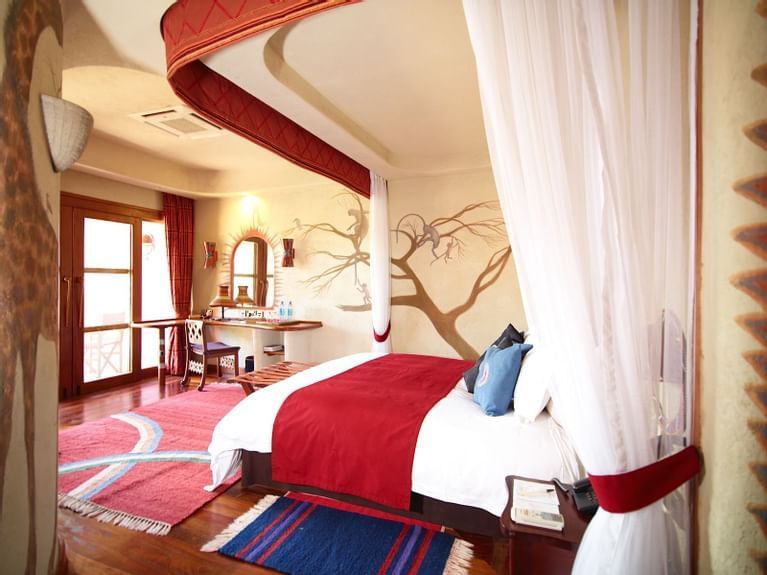
Amboseli Serena Safari Lodge
Amboseli National Park
The Amboseli Serena Safari Lodge is located within the Amboseli National Park and has great views over the plains towards Mount Kilimanjaro.
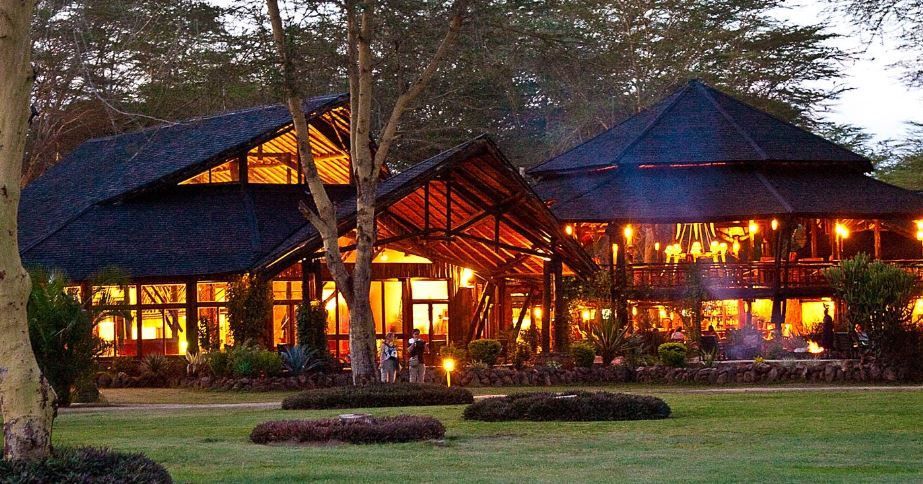
Ol Tukai Lodge
Amboseli National Park
Ol Tukai Lodges features 80 luxury chalet-style twin rooms, all with an uninterrupted view of the wetlands or the magnificent Mt. Kilimanjaro.
We have access to a wide range of handpicked accommodation options — from rustic eco-camps and authentic bush lodges to stylish tented retreats with breathtaking views. If you don’t see the exact lodge or camp you’re looking for, just let us know — we can arrange a variety of stays to suit different tastes, travel styles, and budgets.
Average Weather and Climate in Lower Zambezi
The climate in Lower Zambezi is warm and tropical, shaped by the river and seasonal rains.
The dry season (May–October) is warm and comfortable, with daytime highs of 25–30°C and cooler nights around 12–15°C. Wildlife concentrates along the Zambezi, making sightings exceptional. The air is clear, skies bright, and travel conditions easy, making this the peak safari period.
The wet season (November–April) brings rain showers that transform the park into a green wonderland. Daytime temperatures rise to 28–32°C, with higher humidity. Afternoon storms bring dramatic skies, lush growth, and an explosion of birdlife. Some lodges close during these months, but those that remain open offer a quieter, more exclusive experience.
Unique to Lower Zambezi is the river itself — always central to the climate. Even in the hottest months, breezes off the Zambezi offer respite, while its seasonal flooding sustains the wildlife and shapes the safari experience.
Each season carries its own magic. The dry months deliver predator action and spectacular river crossings, while the wet season rewards those seeking dramatic scenery, rare birds, and peaceful solitude.
Combine with Other Destinations
Lower Zambezi pairs effortlessly with South Luangwa National Park, creating a classic Zambian safari circuit that balances river-based activities with legendary walking safaris.
Together, they showcase the country’s finest wildlife and landscapes.
Travellers can also combine Lower Zambezi with Victoria Falls, only a short flight away from Livingstone, for a breathtaking natural wonder to complement their safari.
For added diversity, Kafue National Park or even Botswana’s Chobe and Okavango regions can be woven into an extended journey.
With excellent connections from Lusaka, Lower Zambezi is an ideal starting or ending point for a Southern African adventure.
Speak to us about creating a tailored itinerary that brings together the very best of the region.
Travelling from the UK to Lower Zambezi
Travelling to Lower Zambezi from the UK is straightforward. There are no direct flights from London to Lusaka, but convenient connections are available via hubs such as Johannesburg, Dubai, Doha, or Addis Ababa. Flight times average 13–15 hours including stopovers.
From Lusaka, travellers can connect via light aircraft to airstrips inside or near the park — a quick 30–45 minute flight offering stunning aerial views of the Zambezi. Road transfers are also possible, taking around 4–5 hours, with a ferry crossing adding to the sense of adventure.
UK passport holders require a visa for Zambia, available online or on arrival. Passports must be valid for at least six months beyond entry. Malaria precautions and recommended vaccinations apply, with Awake in the Wild providing up-to-date advice during planning.
We take care of every step of the journey — from flights to transfers and lodge arrangements — so you can relax and immerse yourself in the safari experience.
Discover the Wild, Your Way: Tailor Your Lower Zambezi Safari with Us
Lower Zambezi National Park is a place of water, light, and life — where elephants wade across glittering channels and sunsets turn the river into liquid gold. Its blend of thrilling canoe safaris, intimate wildlife encounters, and tranquil beauty makes it one of Africa’s most unforgettable destinations.
Talk to us about the experiences you’ve always dreamed of. We’ll match you with handpicked lodges, expert local guides, and authentic adventures that bring Lower Zambezi National Park to life.
Speak to one of our safari specialists today — call us or fill out our quick enquiry form, and let’s start planning your tailor-made adventure.
Send an Enquiry
We will get back to you as soon as possible.
Please try again later.
Frequently Asked Questions
What is the best time to visit Lower Zambezi National Park?
The best time is the dry season from June to October, when wildlife concentrates along the Zambezi River and activities like canoeing and boat safaris are at their best. November to April brings lush scenery and spectacular birdlife, though some camps close due to rains.
Is Lower Zambezi suitable for first-time safari travellers?
Yes. The park is ideal for first-timers as well as seasoned safari-goers. Its mix of game drives, walking safaris, and water-based activities provides variety, while lodges ensure comfort and safety. Smaller visitor numbers also mean a more intimate experience compared to busier parks.
What wildlife can I expect to see in Lower Zambezi?
Elephants are a signature sight, often crossing the river in herds. Lions, leopards, buffalo, and wild dogs are also frequently spotted, alongside antelope like waterbuck and eland. The river is alive with hippos and crocodiles, while over 350 bird species, including colourful bee-eaters and iconic fish eagles, add to the spectacle.
How accessible is Lower Zambezi National Park?
The park is most easily accessed from Lusaka, Zambia’s capital. Light aircraft flights to airstrips in or near the park take just 30–45 minutes. Road transfers are also possible, taking around 4–5 hours with a ferry crossing into the park.
Can Lower Zambezi be combined with other safari destinations?
Absolutely. Lower Zambezi pairs beautifully with South Luangwa National Park for a classic Zambia circuit. It’s also easily combined with Victoria Falls for a dramatic contrast. For extended journeys, Botswana’s Okavango Delta or Chobe National Park make excellent additions.
Is Lower Zambezi family-friendly?
Yes, many lodges welcome families, offering family rooms and child-friendly activities. Canoe trips may have age restrictions, but boat safaris, game drives, and gentle nature walks provide engaging experiences for children.
How safe is it to travel to Lower Zambezi?
Travelling with a reputable operator such as Awake in the Wild ensures safety. Lodges and camps follow strict safety standards, and expert guides lead all activities. The park itself is well-managed, with community and conservation efforts supporting both wildlife and visitor safety.
What types of accommodation are available in Lower Zambezi?
Accommodation options include luxury riverside lodges, classic tented camps, boutique retreats, and even unique houseboats. Properties range from ultra-exclusive to more rustic, ensuring options for every style and budget.
How do I get around within the park?
Most exploration is by 4x4 game drives, boat safaris, or canoe trips. Walking safaris provide a chance to connect with the land on foot. Transfers between lodges can be by boat or light aircraft depending on your itinerary.
Do UK travellers need a visa for Zambia?
Yes. UK travellers require a visa for Zambia, which can be obtained online through the e-Visa system or on arrival. Passports should be valid for at least six months beyond entry, and malaria precautions plus routine vaccinations are recommended.