Malawi Safaris
Malawi Safari Holidays
Tucked between better-known safari giants, Malawi is Africa’s quiet surprise — a country where rich wildlife, warm hospitality, and shimmering lakeside sunsets come together in perfect balance. Often called the “Warm Heart of Africa”, Malawi offers a more intimate safari experience, where fewer crowds and slower rhythms mean more time to connect with the land, the people, and the incredible biodiversity.
From tracking lions in Majete Wildlife Reserve to spotting sable antelope in Nyika Plateau or paddling near elephants on the edge of Lake Malawi, every day reveals something unexpected. Whether you’re a first-timer looking for something off the beaten path or a returning traveller ready for something deeper, Malawi safari holidays offer both adventure and authenticity in equal measure.
A Selection of our Malawi Safari Holidays
Safari Lodge
Location
This is paragraph text. Click it or hit the Manage Text button to change the font, color, size, format, and more. To set up site-wide paragraph and title styles, go to Site Theme.
Safari Lodge
Location
This is paragraph text. Click it or hit the Manage Text button to change the font, color, size, format, and more. To set up site-wide paragraph and title styles, go to Site Theme.
Safari Lodge
Location
This is paragraph text. Click it or hit the Manage Text button to change the font, color, size, format, and more. To set up site-wide paragraph and title styles, go to Site Theme.
When is the Best Time to Go on Malawi Safari Holidays?
The best time to enjoy a safari in Malawi is during the dry season, which runs from May to October. During this period, the weather is cooler and wildlife is easier to spot as animals gather near waterholes and rivers. This is also when most roads are accessible, making travel between parks smoother and game drives ore rewarding.
The wet season (November to April) brings lush green landscapes, stunning skies, and vibrant birdlife, though wildlife viewing can be more challenging due to thick vegetation. However, it’s a beautiful time for photography and a great option for birders and travellers looking for fewer crowds.
What Wildlife Can You See on Malawi Safari Holidays?
Malawi may be compact, but its conservation success stories are impressive — especially in recent years. You can expect to see a wide variety of species, including elephants, hippos, crocodiles, antelope, and predators such as leopards, lions, and hyenas. Majete Wildlife Reserve and Liwonde National Park are both home to the Big Five, while Nyika Plateau offers rare sightings of roan and sable antelope, as well as zebra and eland in wide open grasslands.
For birdwatchers, Malawi is a true paradise, with over 650 species recorded across its national parks, lakes, and forest reserves — including African fish eagles, bee-eaters, and the elusive Pel’s fishing owl.
Top Safari Destinations in Malawi
Though smaller than other African countries, Malawi’s national parks and reserves are incredibly diverse — offering everything from rugged plateaus to riverine wetlands and tropical lake shores.
Liwonde National Park
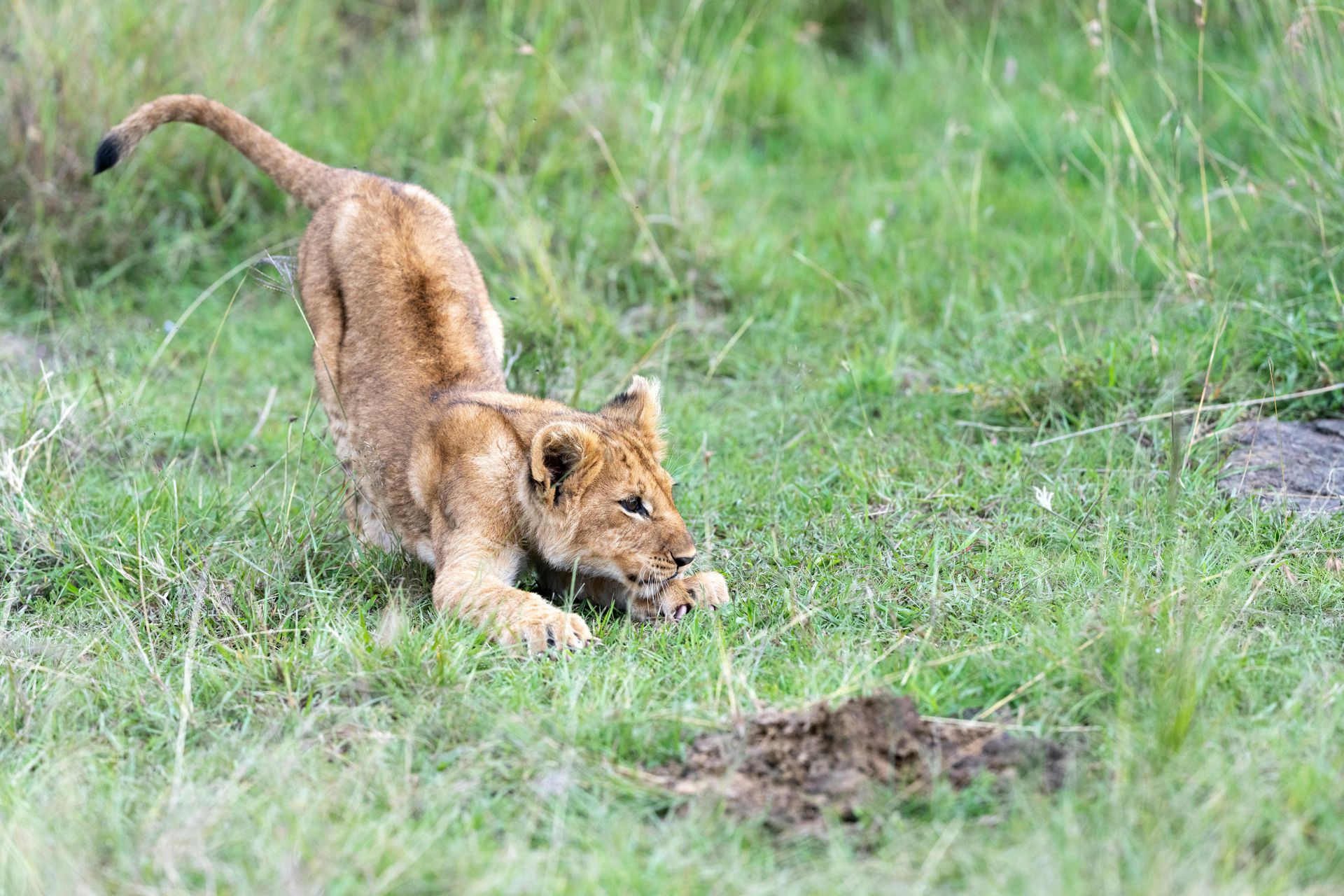
One of Malawi’s most accessible and wildlife-rich parks, Liwonde is located along the Shire River in the south. Boat safaris here offer an up-close look at elephants, hippos, crocodiles, and birdlife, while game drives and walking safaris reveal lions, leopards, and antelope.
Majete Wildlife Reserve
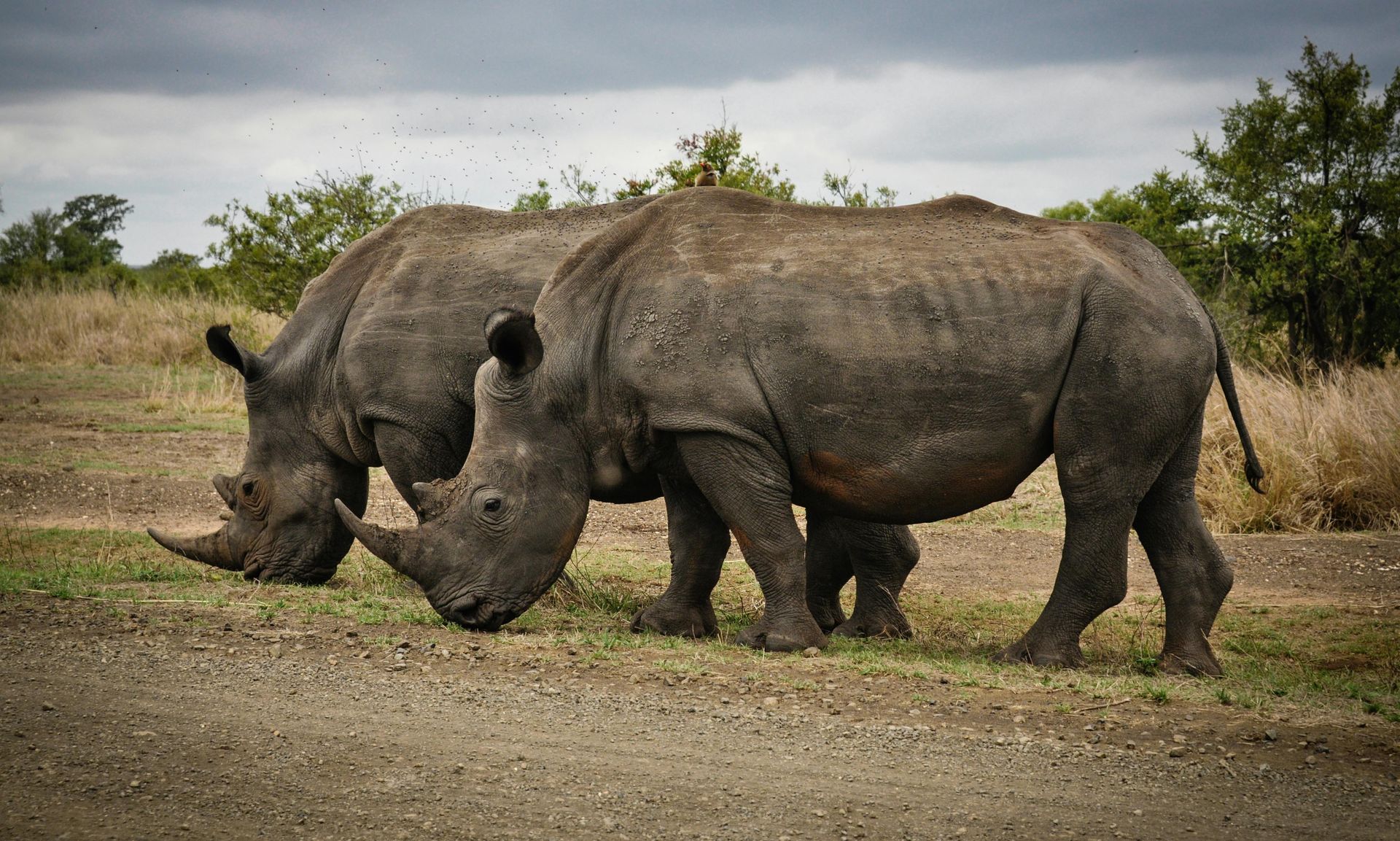
Majete is one of Africa’s most inspiring conservation stories — once nearly devoid of wildlife, it is now a thriving Big Five reserve. Located in the Lower Shire Valley, it’s known for black rhinos, lions, elephants, and buffalo, and offers a genuine wilderness experience with far fewer tourists than other safari hotspots.
Nyika National Park
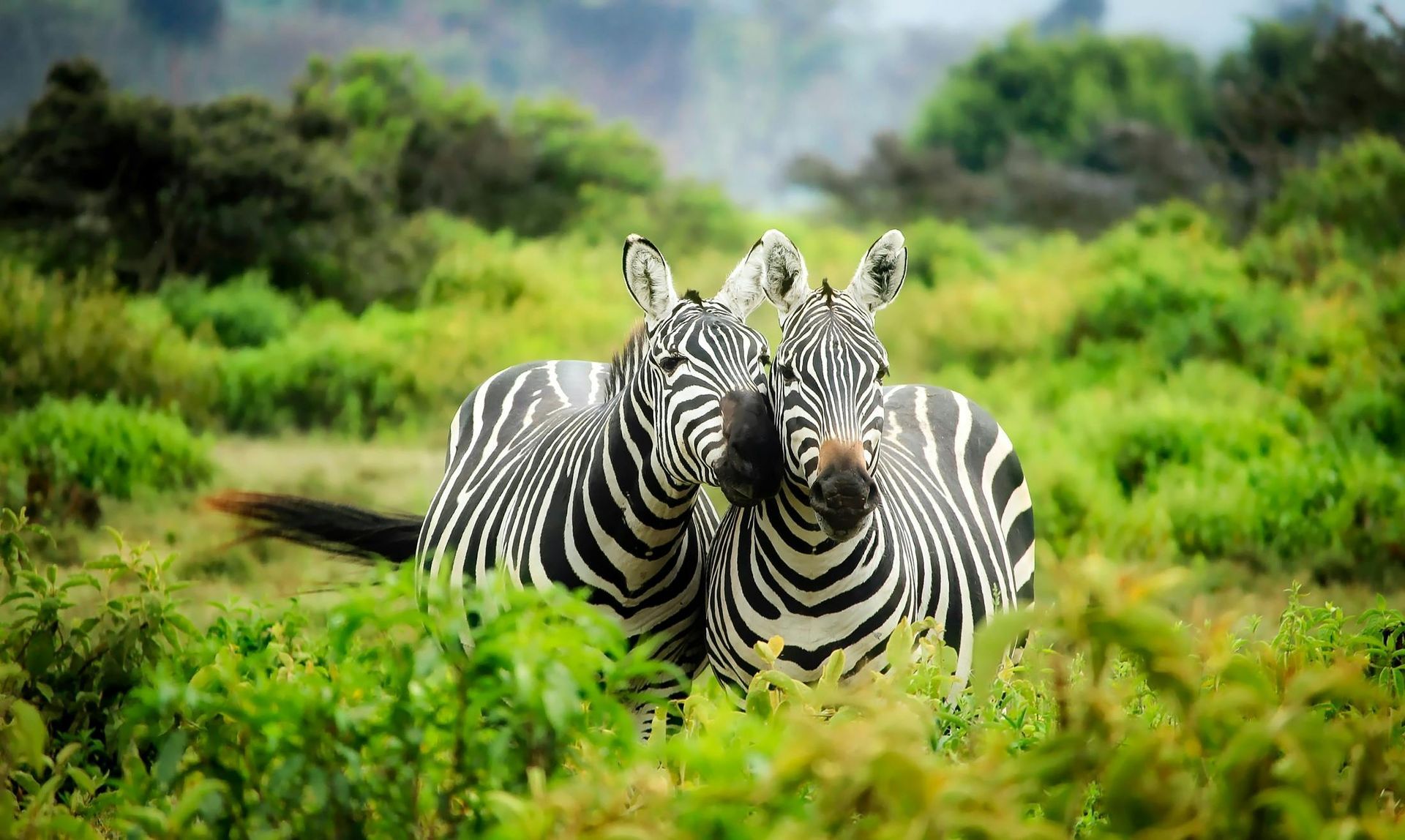
Set on a high plateau in Malawi’s north, Nyika is unlike any other safari destination. Expect rolling hills, wildflowers, and sweeping grasslands dotted with zebra, eland, roan, and bushbuck. It’s also one of the best places in Malawi for walking safaris and stunning panoramic views.
Nkhotakota Wildlife Reserve
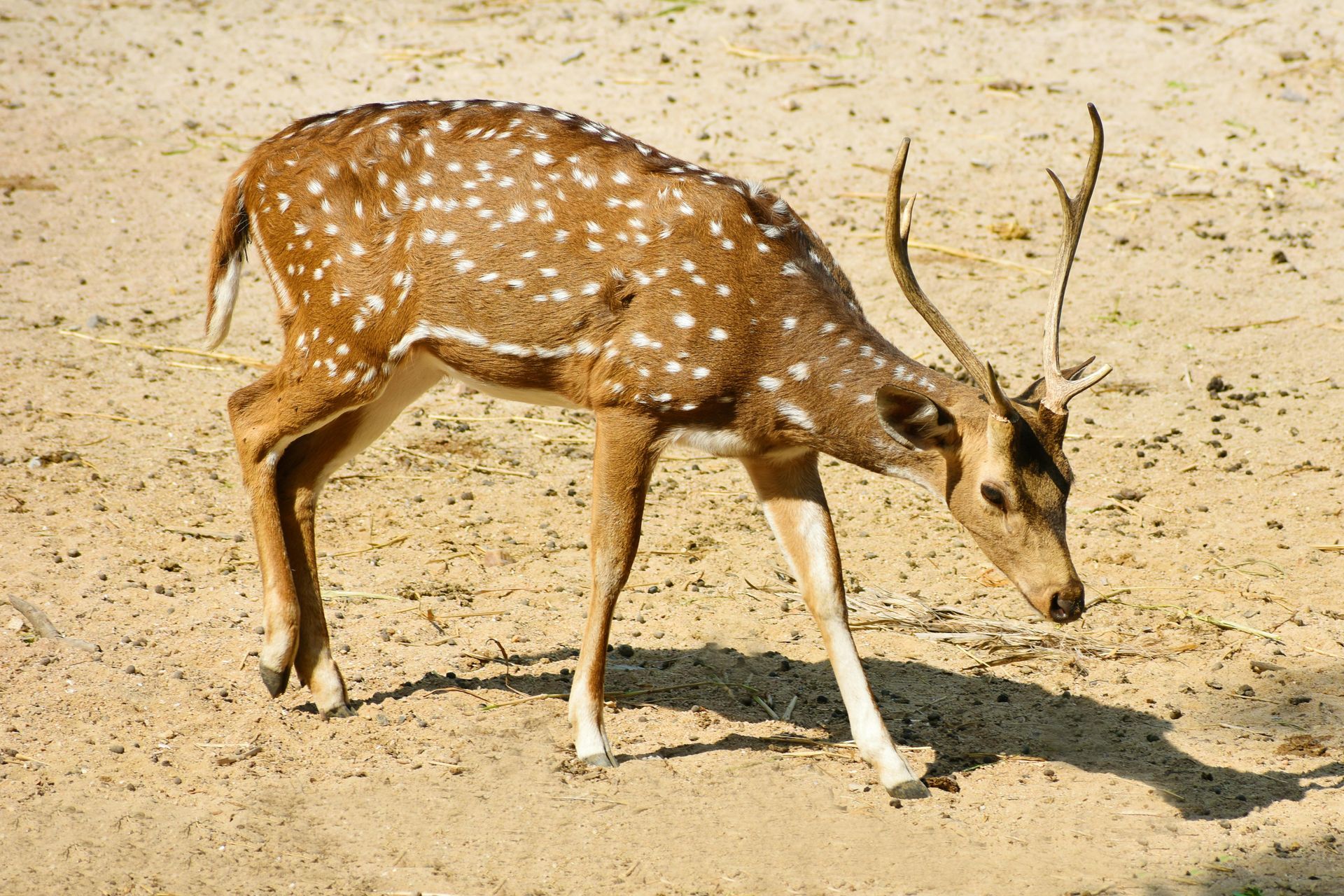
Malawi’s oldest and largest reserve is still rewilding, but its mix of miombo forest and river valleys offers scenic beauty, tranquility, and a more off-grid safari feel. It’s ideal for travellers who value seclusion and eco-tourism.
Lake Malawi National Park
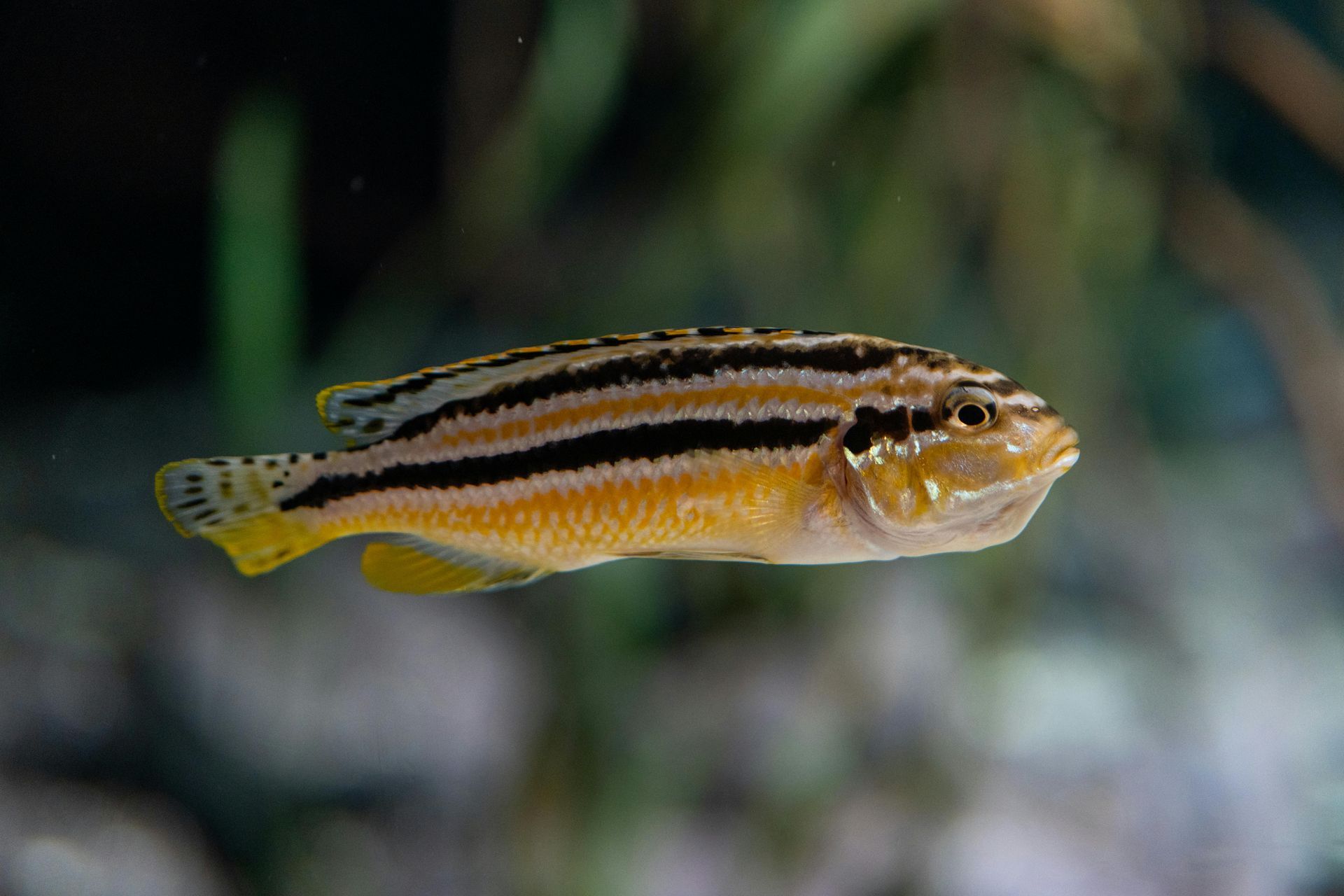
While not a traditional safari stop, Lake Malawi is home to an incredible diversity of aquatic life. The park is a UNESCO World Heritage Site and a fantastic place to snorkel, kayak, and spot colourful cichlid fish. It also makes the perfect wind-down at the end of your land-based safari adventure.
The Types of Malawi Safari Holidays That We Offer
We offer a wide range of Malawi safari holidays designed to suit all kinds of travellers — from curious solo explorers to couples, families, and wildlife enthusiasts looking for something different.
- Game Drive Safaris – Explore Malawi’s top parks like Liwonde and Majete in open 4x4 vehicles with expert local guides.
- Walking Safaris – Malawi is one of Africa’s best destinations for guided walking safaris, especially in Nyika and Nkhotakota.
- Boat Safaris – Enjoy a unique perspective from the water in Liwonde or along the shores of Lake Malawi.
- Small Group Adventures – Sociable, affordable options for those who want a well-balanced itinerary with like-minded travellers.
- Tailor-Made Trips – Build your own combination of wildlife, culture, and relaxation — whether that’s an eco-lodge trek or beach and bush combo.
Why Book Your Malawi Safari Holiday with Awake in the Wild?
Malawi is a safari destination like no other — and with Awake in the Wild, you’ll experience it with people who genuinely care about where, how, and why you travel.
We work closely with local partners and conservation-focused lodges to craft experiences that are meaningful, ethical, and personal. Whether you want a classic wildlife adventure or something a little different, our team will help you build a journey that reflects your style, your budget, and your sense of adventure.
Because we’re independent and passionate about the places we send you, you can expect honest advice, flexible planning, and full financial protection via PTS and ATOL.
Whether you’re dreaming of tracking lions in Majete, walking with zebra in Nyika, or paddling across Lake Malawi at sunset — we’ll help you wake up in the wild in the best possible way.
Where to Stay on a Malawi Safari
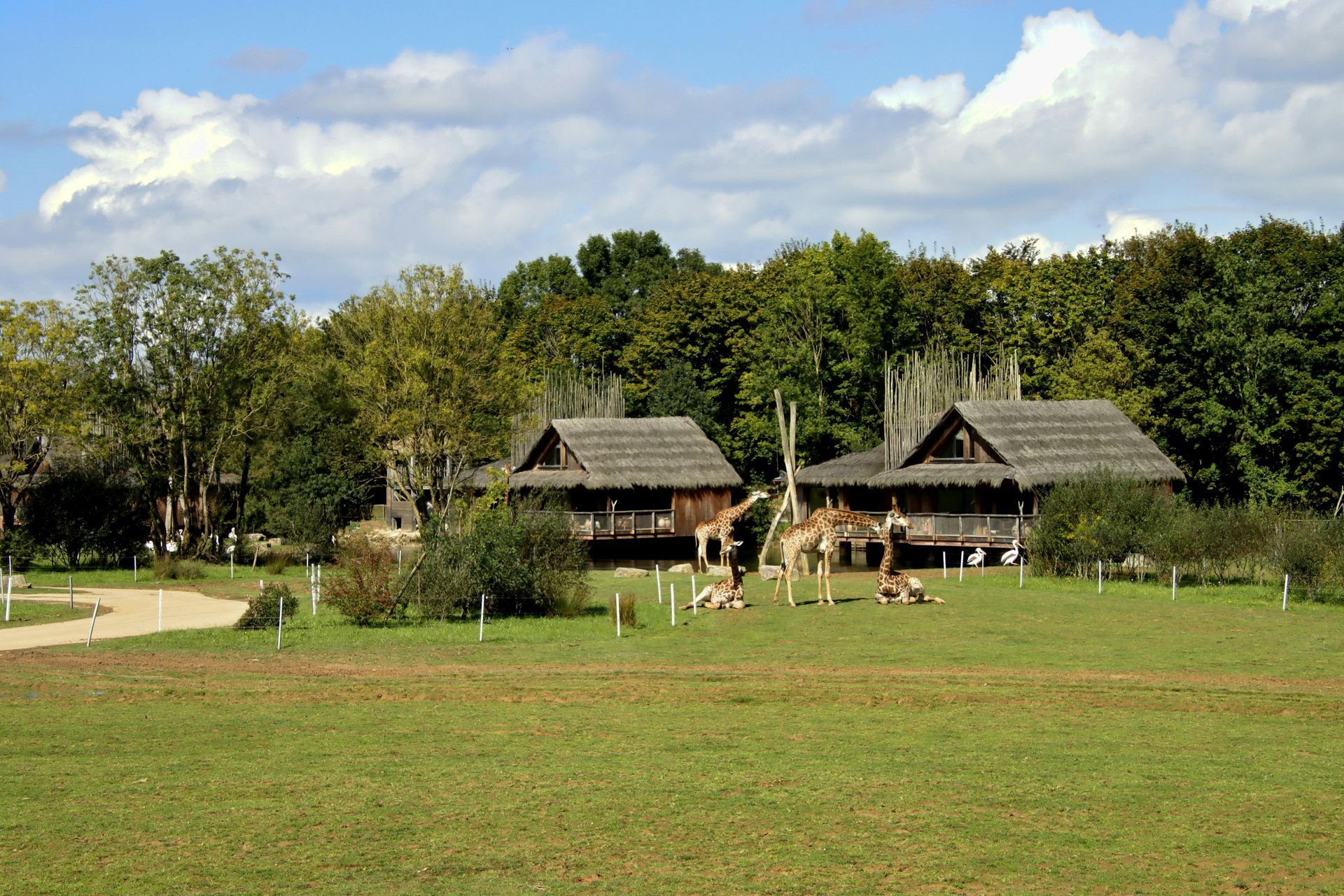
Accommodation in Malawi is as varied as its landscapes, with options ranging from rustic bush camps and riverside lodges to stylish boutique eco-retreats. What ties them together is the warm welcome and a genuine sense of place.
Many safari stays in Malawi are located in community-run reserves or conservation areas, helping you directly support local livelihoods and environmental efforts. Whether you’re sleeping in a thatched chalet overlooking the river or relaxing by a lakeside lodge after a day of wildlife spotting, your stay in Malawi will feel refreshingly grounded and real.
Some lodges offer unique touches like open-air showers, riverside dining, or guided stargazing, while others focus on sustainability through solar power and community-led experiences. Whether you're unwinding in a hammock with lake views or waking up to the sounds of the bush, Malawi's accommodation is all about atmosphere, authenticity, and unforgettable settings — without the crowds.
Combine Your Safari With...
Make your Malawi safari holiday even more memorable by combining it with one of these unique experiences:
Lake Malawi – End your safari with a few days of snorkelling, kayaking, and stargazing on the palm-lined shores of Africa’s third-largest lake.
Zambia’s South Luangwa National Park – Just across the border, this park offers superb wildlife viewing and is easy to add onto a Malawi itinerary.
Mount Mulanje – For hikers and nature lovers, this granite massif offers spectacular views, hidden waterfalls, and scenic trails.
Cape Maclear & Likoma Island – Relaxed beach vibes, boat trips, and cultural immersion on or near the lake — ideal for post-safari recovery.
Travelling from the UK to Malawi
Reaching Malawi from the UK is easier than many travellers expect. While there are no direct flights, you’ll find several convenient one-stop options from major UK airports to Lilongwe (LLW) or Blantyre (BLZ), typically connecting via hubs such as Addis Ababa (Ethiopian Airlines), Nairobi (Kenya Airways), Johannesburg (South African Airways), or Doha (Qatar Airways). Total travel time is usually around 14 to 18 hours depending on your route and layover.
Most travellers begin their Malawi safari holidays in Lilongwe, the capital, which offers good access to Liwonde, Nkhotakota, and the southern reserves. If you're starting in the north — such as Nyika Plateau — regional flights or longer transfers may be required.
UK passport holders will need to apply online for an e-visa before travel, and we’ll guide you through the process as part of your booking. With careful planning, your journey to Malawi is smooth, scenic, and well worth it.
Start Planning Your Malawi Safari Holiday
Ready to explore one of Africa’s most soulful safari destinations? Whether you want to explore Malawi’s national parks, meet the Big Five, or combine wildlife with warm water and culture, we’re here to help you plan the perfect itinerary.
Call us today or complete our enquiry form to start planning your Malawi safari holiday.
Send an Enquiry
We will get back to you as soon as possible.
Please try again later.
Frequently Asked Questions
Do I need a visa to travel to Malawi from the UK?
Yes. UK passport holders must apply for a Malawi e-visa before travelling. The process is done online and is usually quick and straightforward. We’ll provide clear instructions during your booking process to make it stress-free.
When is the best time to visit Malawi for a safari?
The dry season (May to October) is ideal for wildlife spotting, as animals gather around limited water sources. The wet season (November to April) is lush and quiet, perfect for birdwatching, photography, and travellers who prefer fewer crowds.
Can I see the Big Five on a Malawi safari?
Yes, you can see all of the Big Five in Majete Wildlife Reserve, including lions, rhinos, elephants, buffalo, and leopards. While sightings can’t be guaranteed, Malawi has made great strides in conservation and rewilding efforts.
s Malawi a safe country to travel in?
Malawi is widely regarded as one of Africa’s friendliest and safest destinations. Like any country, it’s best to travel with a trusted operator and follow local advice, especially when exploring remote areas. We only use vetted guides and accommodation partners.
What kind of accommodation is available on safari?
From rustic bush camps to lakeside lodges and eco-chic retreats, Malawi has options for every budget and style. We offer stays that prioritise comfort, location, and responsible tourism — and we’ll match you with the right one for your trip.
Is Malawi a good destination for first-time safari-goers?
Absolutely. Malawi safari holidays are ideal for those seeking a more personal, less crowded experience. The parks are well-managed, the wildlife is diverse, and the pace is often more relaxed than in busier destinations.
What should I pack for a safari in Malawi?
Neutral-coloured clothing, a wide-brimmed hat, insect repellent, binoculars, sunscreen, a lightweight rain jacket (especially in green season), and a refillable water bottle. Don’t forget your swimwear if you're heading to Lake Malawi!
Can I combine a Malawi safari with a beach holiday?
Yes — one of Malawi’s biggest draws is Lake Malawi, which offers beautiful beaches, snorkelling, kayaking, and island stays. It’s a perfect way to unwind after a safari adventure.
Are Malawi safaris suitable for families?
Yes, many lodges cater to families with children and offer child-friendly activities like nature walks, junior ranger programmes, and safe game viewing. We’ll recommend the best options based on your family’s preferences.
Are walking safaris safe in Malawi?
Walking safaris are led by trained, armed guides and are a popular way to explore Malawi’s landscapes up close, especially in Nyika Plateau and Nkhotakota. Safety protocols are followed at all times, and they’re suitable for adventurous travellers looking to connect more deeply with nature.