Damaraland Safaris
Desert-adapted elephants, ancient rock art, and vast ochre landscapes – uncover Damaraland’s untamed spirit.
Best Time To Go
May to October (dry season, prime wildlife and exploration)
High Season
June to October
Size
Approx 57,000 square kilometres
Altitude
500–2,500 metres
above sea level
Damaraland Safari Holidays
Land of desert elephants and timeless desert horizons
Damaraland is one of Namibia’s most hauntingly beautiful regions — a wilderness where rugged mountains, vast valleys, and desert plains stretch to the horizon. Home to desert-adapted elephants, black rhinos, and some of the oldest rock art in the world, it offers a safari experience that blends natural drama with cultural depth.
Remote and untamed, Damaraland is a must for travellers seeking Namibia’s raw essence.
Why Visit Damaraland?
Located in north-western Namibia, Damaraland is a land of dramatic contrasts. Its landscapes range from the towering Brandberg Mountain, Namibia’s highest peak, to endless gravel plains and the rugged gorges of the Huab and Ugab rivers. Unlike traditional safari parks defined by rivers and savannahs, Damaraland is shaped by silence, space, and shifting desert light.
The scenery alone is worth the journey. Burnt-orange mountains glow at sunrise, rocky plateaus are punctuated by solitary welwitschia plants, and ephemeral riverbeds trace lifelines through an otherwise parched environment. These “fossilised rivers” sustain a surprising abundance of wildlife in what initially appears an inhospitable desert.
This is also a land of cultural treasures. The ancient rock engravings at Twyfelfontein — a UNESCO World Heritage Site — offer a glimpse into the spiritual lives of hunter-gatherers who carved giraffes, lions, and hunting scenes into sandstone thousands of years ago.
Nearby, the petrified forest and towering basalt columns of the Organ Pipes tell of geological drama stretching back millions of years.
What sets Damaraland apart is its sense of remoteness and exclusivity. There are no fences, few roads, and little human intrusion. Wildlife roams freely across vast conservancies, and encounters feel all the more profound because of their rarity. Damaraland invites travellers to slow down, absorb the silence, and connect with wilderness on its own terms.
Wildlife and Nature
Damaraland’s wilderness is one of Africa’s most extraordinary ecological stories — a landscape where life has adapted to thrive in one of the driest environments on earth. At first glance, it may seem barren, but a closer look reveals a world full of resilience and surprise.
The region is most famous for its desert-adapted elephants, which have learned to survive in this arid land by walking vast distances between seasonal waterholes and feeding on hardy vegetation like ana trees and mopane. Watching these elephants navigate rocky valleys, their massive forms casting long shadows across the desert, is an unforgettable sight.
Equally iconic are the desert-adapted black rhinos, some of the last free-roaming rhino populations in the world. Conservancy-led initiatives, such as Save the Rhino Trust Namibia, work tirelessly to monitor and protect these critically endangered animals. Seeing one in its natural habitat here feels particularly moving — a reminder of both fragility and resilience.
Other wildlife includes giraffes stretching for acacia leaves, Hartmann’s mountain zebras negotiating steep cliffs, and lions and leopards that have adapted their hunting patterns to this unforgiving terrain. Antelope species like oryx and springbok add splashes of movement to the plains, while smaller creatures such as rock hyraxes and desert chameleons highlight the region’s surprising biodiversity.
Birdlife is equally impressive, with raptors soaring above escarpments and specials like Rüppell’s korhaan and Herero chat drawing birdwatchers to the area. Seasonal rains bring a sudden burst of green, carpets of wildflowers, and the sound of frogs singing from temporary pools.
What makes Damaraland unique is the way wildlife is seen — not in dense clusters around rivers, but as fleeting, magical encounters across open desert. Each sighting feels hard-won and precious, making it a deeply rewarding safari for travellers seeking something beyond the ordinary.
Best Time to Visit Damaraland
Damaraland’s climate is defined by dramatic seasonal contrasts that shape the traveller’s experience.
Dry Season (May to October): This is the most popular time to visit. Days are warm and clear, with temperatures averaging 20–30°C, while nights can drop to 5–10°C.
Wildlife is easier to spot as animals concentrate around scarce water sources in ephemeral riverbeds.
It’s also the best time for tracking desert elephants and rhinos, as vegetation is sparse and sightings are more reliable.
The crisp air and golden desert light make for exceptional photography.
Wet Season (November to April): Rain is infrequent but can be dramatic when it arrives, often in the form of short afternoon storms.
The parched land comes alive with fresh greenery, wildflowers, and temporary rivers.
This is when Damaraland feels most transformed, offering a striking contrast to its usual arid beauty. Wildlife disperses more widely, but birding becomes exceptional, with migratory species adding colour and sound.
Special Highlights: June to August brings clear skies and cooler temperatures, ideal for hiking and exploring cultural sites. September and October can be hot (up to 35°C), but they provide some of the most intense wildlife activity, as animals crowd dwindling waterholes.
Photography Tips: For dramatic desert vistas, early morning and late afternoon light is unbeatable.
The wet season, with its storm clouds and verdant valleys, offers a rare opportunity to capture Damaraland’s softer side.
Safari Experiences in Damaraland
Damaraland offers a safari unlike anywhere else in Africa — one defined not only by wildlife but also by landscapes, culture, and solitude. Experiences here invite you to slow down and immerse yourself in the rhythm of the desert.
- Tracking Desert Elephants: Guided drives along the Huab and Aba-Huab riverbeds provide the chance to follow herds of elephants as they traverse the desert in search of food and water. Watching them feed beneath towering ana trees is a quintessential Damaraland experience.
- Rhino Tracking on Foot: With expert trackers from Save the Rhino Trust, visitors can embark on guided rhino tracking walks. These experiences are thrilling and humbling, combining conservation insight with the unforgettable moment of seeing a rhino in the wild.
- Exploring Twyfelfontein Rock Engravings: A visit to this UNESCO World Heritage Site reveals over 2,500 engravings carved into sandstone cliffs. Guides explain their meaning and the spiritual connection between early peoples and the land, making this as much a cultural safari as a wildlife one.
- Hiking the Brandberg Mountain: Rising over 2,500 metres, Brandberg is Namibia’s highest peak and home to the famous “White Lady” rock painting. Hikes reveal spectacular desert views, unique flora, and ancient San rock art.
- Star Gazing in Remote Wilderness: With no light pollution, Damaraland offers some of Africa’s clearest night skies. Sitting by a campfire beneath the Milky Way is an experience of silence and awe that stays with you long after you leave.
- Cultural Encounters in Local Villages: Visits to Damara communities allow travellers to learn about traditional lifestyles, crafts, and farming practices. These interactions highlight the strong link between people and land in this remarkable region.
Where to Stay in Damaraland
Damaraland offers a wide range of accommodation options to suit different preferences and budgets, all set within or just outside the park boundaries. These typically include:
- Eco-Luxury Lodges: Set against striking desert backdrops, these lodges feature elegant suites with panoramic views. Infinity pools, solar-powered comfort, and fine dining make them perfect for travellers seeking style and sustainability.
- Tented Camps: Blending seamlessly with the desert environment, these camps combine the romance of canvas with modern comfort. Falling asleep to the calls of jackals under a canopy of stars is an unforgettable part of the safari.
- Boutique Bush Retreats: Smaller, characterful lodges prioritise intimacy and authenticity. With personalised hosting, locally inspired cuisine, and eco-conscious design, they offer a more private, immersive stay.
At Awake in the Wild, we work only with lodges and camps that meet our ethical and sustainability standards. Whether you’re looking for solar-powered luxury or a simple campfire safari experience, we’ll match you to the perfect base. If you don’t see the exact lodge or camp you’re looking for, just let us know — we’re able to arrange a variety of stays to suit different tastes, travel styles, and budgets.
A Selection of our Damaraland Safari Accommodation
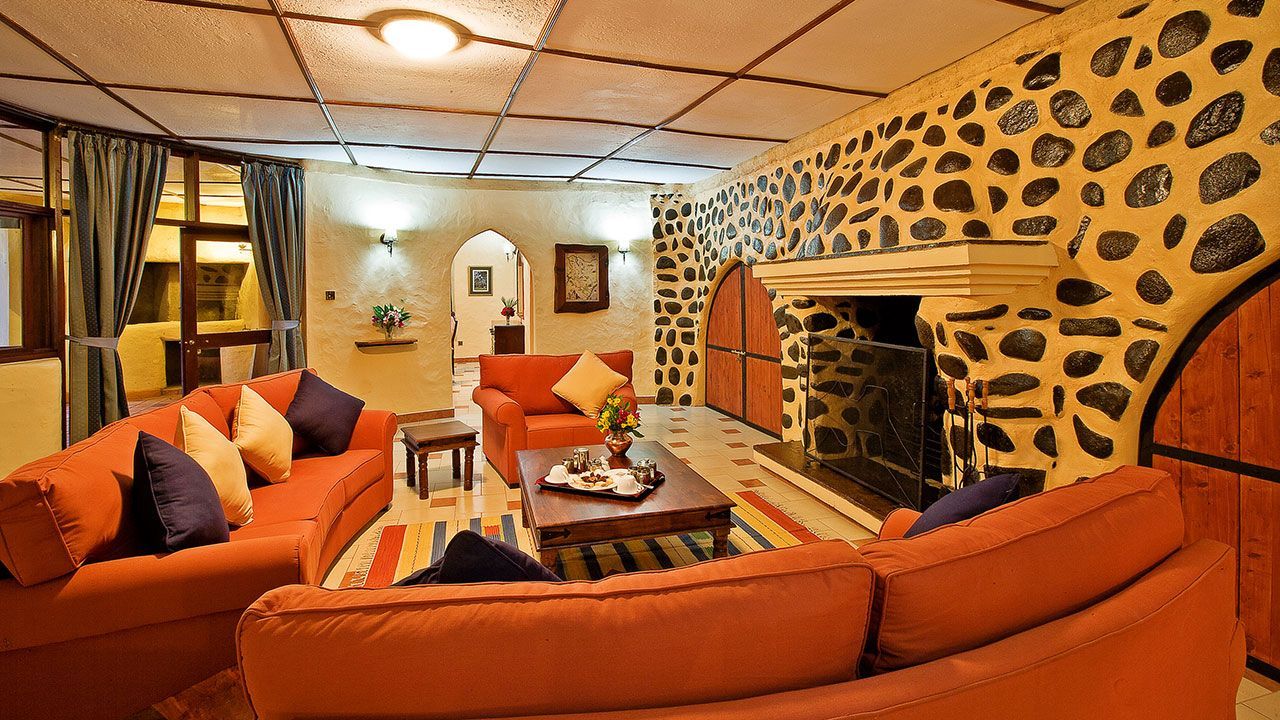
Amboseli Sopa Lodge
Just outside Amboseli National Park
Set in 200 acres of private land, and with a rustic charm all of its own, the Amboseli Sopa Lodge nestles in the foothills of Mount Kilimanjaro
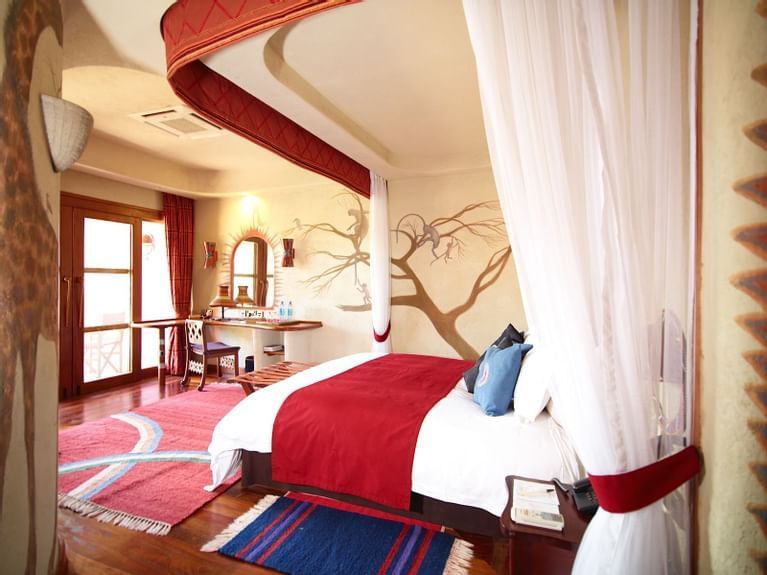
Amboseli Serena Safari Lodge
Amboseli National Park
The Amboseli Serena Safari Lodge is located within the Amboseli National Park and has great views over the plains towards Mount Kilimanjaro.
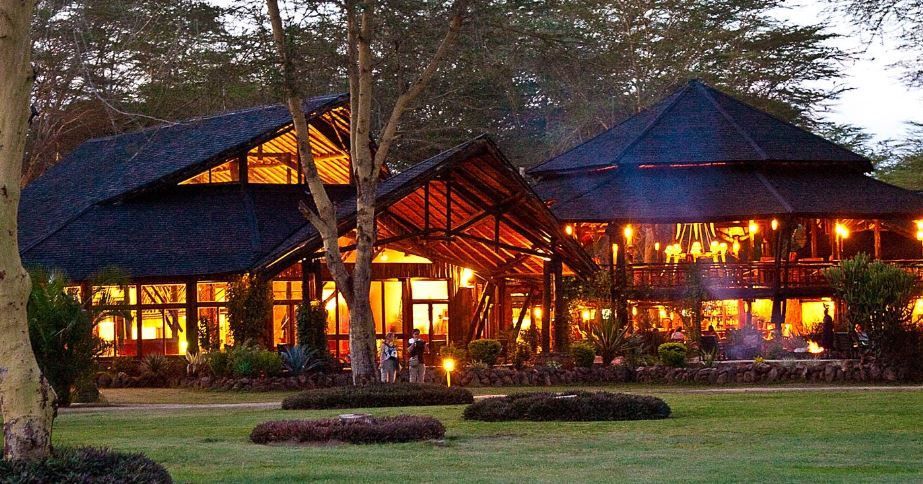
Ol Tukai Lodge
Amboseli National Park
Ol Tukai Lodges features 80 luxury chalet-style twin rooms, all with an uninterrupted view of the wetlands or the magnificent Mt. Kilimanjaro.
We have access to a wide range of handpicked accommodation options — from rustic eco-camps and authentic bush lodges to stylish tented retreats with breathtaking views. If you don’t see the exact lodge or camp you’re looking for, just let us know — we can arrange a variety of stays to suit different tastes, travel styles, and budgets.
Average Weather and Climate in Damaraland
Damaraland has a semi-arid climate, with clear seasonal patterns that define its atmosphere and wildlife encounters.
Dry Season: From May to October, expect warm, sunny days (20–30°C) and chilly nights (5–10°C). This is the best season for wildlife tracking, as elephants, rhinos, and other animals concentrate around scarce water sources. Dusty air creates soft, golden light, making it ideal for landscape photography.
Wet Season: From November to April, afternoon storms bring relief to the desert. Valleys bloom with grasses and flowers, ephemeral rivers flow, and wildlife disperses more widely. Temperatures rise to 30–35°C during the day, with higher humidity, but evenings remain cooler.
Unique Climate Features: The wide temperature range between day and night is a defining feature of Damaraland. Nights under canvas can feel surprisingly cold, while midday sun in October can be intense — a reminder of the desert’s extremes.
Throughout the year, the changing climate reshapes the experience: from the stark, raw desert of the dry months to the surprising greenery of the rains. Both offer their own rewards, making Damaraland a year-round destination for those seeking adventure.
Combine with Other Destinations
Damaraland combines beautifully with other Namibian highlights.
To the east lies Etosha National Park, offering a classic big-game safari contrast to Damaraland’s desert-adapted wildlife.
To the south, Swakopmund provides coastal adventures and a cultural stopover, while the Skeleton Coast offers shipwrecks, dunes, and roaring Atlantic waves.
For a truly immersive journey, many travellers combine Damaraland with Kaokoland, home to the semi-nomadic Himba people and some of Namibia’s wildest, least-explored landscapes.
Alternatively, linking it with Sossusvlei creates a dramatic north-to-south desert itinerary.
Its location and diversity make Damaraland a natural part of a wider Namibian adventure.
Talk to us about creating a custom itinerary that links these contrasting destinations into one seamless journey.
Travelling from the UK to Damaraland
Travelling to Damaraland begins with an international flight to Windhoek, Namibia. There are no direct flights from London, but convenient connections via Johannesburg, Doha, or Addis Ababa make the journey straightforward, with total travel times of around 14–16 hours.
From Windhoek, visitors can take a scenic light aircraft flight to Damaraland airstrips, or embark on a road transfer of 6–8 hours. Self-drive safaris are also popular in this region, with well-maintained gravel roads offering a sense of freedom and adventure.
UK passport holders currently do not require a visa for stays of up to 90 days in Namibia. Passports should be valid for at least six months beyond your return date. Malaria risk is low in most of Damaraland, though precautions may be recommended for specific areas, and Awake in the Wild will provide the latest travel health advice.
From international flights to lodge transfers, Awake in the Wild ensures every step of the journey is seamless, leaving you to focus on the extraordinary landscapes and encounters that await.
Discover the Wild, Your Way: Tailor Your Damaraland Safari with Us
In Damaraland, silence stretches for miles, broken only by the low rumble of elephants or the call of a black eagle overhead. It is a land of resilience and mystery, where wildlife, rock art, and desert landscapes combine to create a safari that is both humbling and inspiring.
Talk to us about the experiences you’ve always dreamed of. We’ll match you with handpicked lodges, expert local guides, and authentic adventures that bring Damaraland to life.
Speak to one of our safari specialists today — call us or fill out our quick enquiry form, and let’s start planning your tailor-made adventure.
Send an Enquiry
We will get back to you as soon as possible.
Please try again later.
Frequently Asked Questions
When is the best time to visit Damaraland?
The dry season from May to October is best for tracking desert-adapted elephants and rhinos, with clear skies and cooler nights. The green season (November to April) brings dramatic storms, fresh vegetation, and superb birdwatching.
Is Damaraland suitable for first-time safari travellers?
Yes, though it offers a different safari experience compared to traditional game parks. Damaraland is ideal for travellers seeking exclusivity, cultural encounters, and dramatic desert landscapes rather than dense big-game sightings.
What wildlife can I expect to see?
Expect to see desert-adapted elephants, black rhinos, giraffes, Hartmann’s mountain zebras, oryx, and predators like lions and leopards. Smaller species and remarkable birdlife add to the diversity.
How do I get to Damaraland?
Travellers usually fly into Windhoek via Johannesburg, Doha, or Addis Ababa. From there, you can take a light aircraft flight or a scenic 6–8 hour road journey to Damaraland. Self-drives are also popular in this region.
Can I combine Damaraland with other destinations?
Yes. Popular combinations include Etosha National Park, the Skeleton Coast, Swakopmund, and Sossusvlei. Each offers a striking contrast, from classic big-game safaris to towering dunes and coastal adventures.
Is Damaraland family-friendly?
Yes. Many lodges welcome children and offer activities like nature walks, cultural visits, and star-gazing. Some rhino-tracking or long hikes may have age restrictions.
Is it safe to travel in Damaraland?
Yes. The region is remote but safe, with lodges and conservancies ensuring guest security. As with all safaris, normal precautions apply — such as not walking unescorted in wildlife areas.
What types of accommodation are available?
You’ll find eco-luxury lodges, tented camps, and boutique bush retreats. Many are set in dramatic landscapes, offering panoramic views, solar-powered comfort, and authentic desert experiences.
How does the climate affect safaris in Damaraland?
The dry season makes wildlife easier to find but brings cool nights. The wet season transforms the desert into a vibrant landscape, ideal for photographers and birders. Both seasons offer unique rewards.
Do UK travellers need a visa to visit Damaraland?
No. UK passport holders currently receive visa-free entry to Namibia for up to 90 days. Passports must be valid for six months beyond travel. Awake in the Wild provides up-to-date entry and health advice.