Andasibe-Mantadia National Park Safaris
Mist-draped rainforest, haunting indri calls, and rare lemurs in Madagascar’s emerald wilderness.
Best Time To Go
April to December (dry season; clear skies, easier trekking)
High Season
July to October
Size
Approx 155 square kilometres
Altitude
800 – 1,260 metres
above sea level
Andasibe-Mantadia National Park Safari Holidays
Echoes of Lemurs in the Mist
Andasibe-Mantadia National Park is Madagascar’s most enchanting rainforest, where ancient trees drip with orchids and the call of the indri lemur reverberates like a song through the mist. Just a few hours from Antananarivo, this lush sanctuary offers one of the most accessible and rewarding wildlife experiences in the country.
A journey here immerses you in a world found nowhere else on Earth.
Why Visit Andasibe-Mantadia National Park?
Andasibe-Mantadia lies in eastern Madagascar, a lush rainforest reserve known for its dense vegetation, rich biodiversity, and one of the highest densities of lemurs anywhere. Divided into the more accessible Analamazaotra Special Reserve (often called Andasibe) and the wilder, less-visited Mantadia sector, it offers visitors the perfect balance of comfort and adventure.
The landscapes are a feast for the senses: moss-cloaked trees, hidden waterfalls, and lush valleys blanketed in morning mist. Trails wind through towering rainforest, where every step brings the possibility of a rare encounter — whether that’s a leaf-tailed gecko camouflaged on a tree trunk or a group of indri calling across the canopy.
The park’s unique ecosystems are home to species found only in Madagascar. With more than 100 bird species, 14 lemur species, and an extraordinary array of reptiles and amphibians, it is a living laboratory of evolution. Unlike the open savannahs of mainland Africa, Andasibe-Mantadia offers an intimate, immersive safari experience where sightings feel like precious discoveries.
What sets it apart is its pace and intimacy. Instead of big game drives across plains, safaris here take the form of guided treks, night walks, and deep explorations of the forest — slower, more personal, and rich in sensory details. For travellers seeking something different from traditional safari landscapes, Andasibe-Mantadia delivers encounters as rare as they are unforgettable.
Wildlife and Nature
Step into Andasibe-Mantadia and you step into a world alive with sound, scent, and colour. The rainforest hums with life: cicadas vibrate in the background, frogs sing after rain, and the haunting call of the indri lemur — a rising, wailing song — echoes through the canopy. This is Madagascar’s biodiversity at its richest and most accessible.
The indri, the largest living lemur, is the park’s star. Unlike other lemurs, it cannot survive in captivity, so Andasibe is one of the only places on Earth where you can see and hear them in the wild. Other highlights include the diademed sifaka with its golden coat, the black-and-white ruffed lemur, and tiny nocturnal mouse lemurs, often spotted on guided night walks. Chameleons, from jewel-bright Parson’s to minute leaf chameleons, dazzle at every turn, while brilliantly coloured frogs thrive in the rainy months.
Birdlife here is exceptional too: Madagascar blue pigeons, velvet asities, and the Madagascar long-eared owl make the park a must for ornithologists. Seasonal highlights abound — the dry season offers clearer views for lemur tracking, while the wet months bring out amphibians and make the forest erupt in orchids and lush undergrowth.
Conservation is central to Andasibe-Mantadia’s story. Local community associations and international NGOs such as Mitsinjo are active here, working to reforest degraded areas, monitor species, and guide eco-tourism. By visiting, travellers contribute directly to preserving one of the planet’s most threatened ecosystems.
Unlike Africa’s open savannahs, wildlife here reveals itself slowly and intimately — a flash of movement in the leaves, the glow of lemur eyes at dusk, or the glimmer of a gecko in torchlight. These unique encounters, framed by the emerald rainforest, make Andasibe-Mantadia a photographic and emotional experience unlike any other safari.
Best Time to Visit Andasibe-Mantadia
Andasibe-Mantadia has a humid, rainforest climate with no true “off-season,” but the character of the park changes dramatically through the year.
Dry Season (April – December): These months offer the best trekking conditions, with reduced rainfall and clearer trails.
Wildlife viewing is excellent — lemurs are more active in cooler conditions, and birdlife is easier to spot through the foliage.
The months from July to October are peak season, when the weather is most pleasant and visitor numbers are highest.
Wet Season (January – March): Heavy rains transform the forest into a vibrant, emerald world.
This is the best time for orchids, reptiles, and amphibians, with chameleons at their most visible.
Trails can be muddy and slippery, and access can be more challenging, but for nature enthusiasts, this is when the forest feels most alive.
Seasonal Highlights: Indri calls resonate year-round, but breeding behaviour peaks between September and December, adding extra drama to the experience.
Birdwatching is excellent after the rains, with migratory species arriving.
Photographers will find the misty mornings of May and June particularly magical, as soft light filters through the rainforest canopy.
For travellers, the dry season is more comfortable and reliable, but the wet months reward those who embrace the rain with a rainforest bursting with life and colour.
Safari Experiences in Andasibe-Mantadia
Andasibe-Mantadia is not a traditional “big game” safari destination. Instead, it offers deeply immersive rainforest experiences — slower, quieter, but filled with moments of wonder. Guided walks, cultural encounters, and night explorations make this park unforgettable.
- Guided Rainforest Treks: Expert local guides lead you through mossy trails in search of indri, sifakas, and rare reptiles. Every bend in the path holds the potential for discovery, with guides revealing hidden creatures you’d never spot alone.
- Night Walks by Torchlight: As dusk falls, the forest transforms. With a torch in hand, you’ll spot mouse lemurs darting across branches, glowing chameleon eyes, and the chorus of frogs that fills the night air. It’s a magical, otherworldly experience.
- Birdwatching Adventures: Andasibe is a paradise for birders, with over 100 recorded species. From the velvet asity’s brilliant plumage to elusive ground rollers, the diversity here is unrivalled. Guides use calls and keen eyesight to reveal treasures in the canopy.
- Waterfall and Orchid Trails: Beyond the lemurs, Mantadia’s trails lead to hidden waterfalls and glades filled with orchids. Best in the wet season, these walks highlight the park’s floral diversity and the sheer beauty of its landscapes.
- Cultural Encounters with Mitsinjo: Community-based association Mitsinjo offers visitors the chance to learn about local reforestation projects and Malagasy culture. Plant a tree, visit the nursery, or meet the villagers whose livelihoods are tied to preserving the forest.
- Macro Photography Expeditions: For those fascinated by the small wonders of nature, Andasibe is unrivalled. Leaf-tailed geckos, mantella frogs, and dazzling insects offer photographers the chance to capture rare close-up shots in their natural habitat.
Where to Stay in Andasibe-Mantadia
Andasibe-Mantadia offers a wide range of accommodation options to suit different preferences and budgets, all set within or just outside the park boundaries. These typically include:
- Eco-Luxury Lodges: Stylish rainforest retreats offer spacious chalets with forest views, blending modern comfort with eco-friendly practices. Private verandas allow you to listen to indri calls at dawn, while on-site restaurants serve fine Malagasy cuisine.
- Tented Camps: For a more adventurous experience, under-canvas stays immerse you in the sounds of the forest. These camps combine rustic charm with surprising comfort, often including ensuite bathrooms and fire-lit dining.
- Boutique Forest Retreats: Smaller, family-run lodges emphasise character and hospitality. Often built from local wood and stone, they create an intimate atmosphere where you feel truly part of the forest community.
At Awake in the Wild, we work only with lodges and camps that meet our ethical and sustainability standards. Whether you’re looking for solar-powered luxury or a simple campfire safari experience, we’ll match you to the perfect base. If you don’t see the exact lodge or camp you’re looking for, just let us know — we’re able to arrange a variety of stays to suit different tastes, travel styles, and budgets.
A Selection of our Andasibe-Mantadia Safari Accommodation
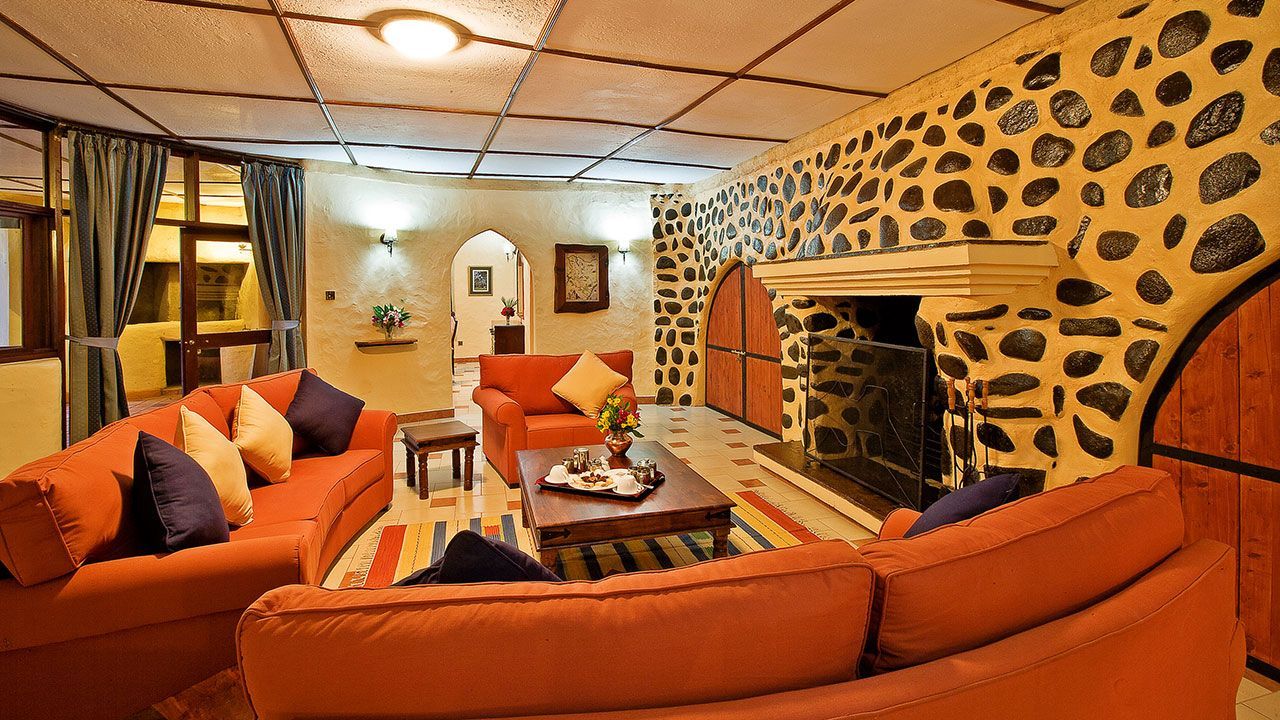
Amboseli Sopa Lodge
Just outside Amboseli National Park
Set in 200 acres of private land, and with a rustic charm all of its own, the Amboseli Sopa Lodge nestles in the foothills of Mount Kilimanjaro
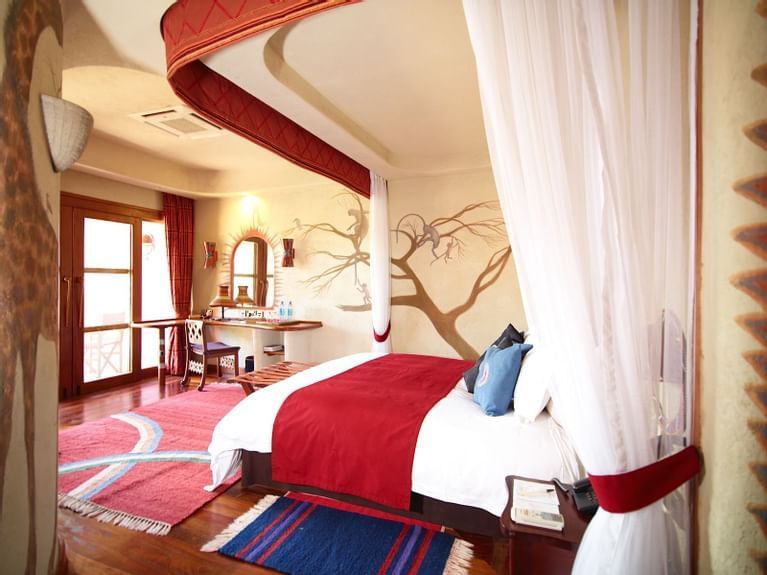
Amboseli Serena Safari Lodge
Amboseli National Park
The Amboseli Serena Safari Lodge is located within the Amboseli National Park and has great views over the plains towards Mount Kilimanjaro.
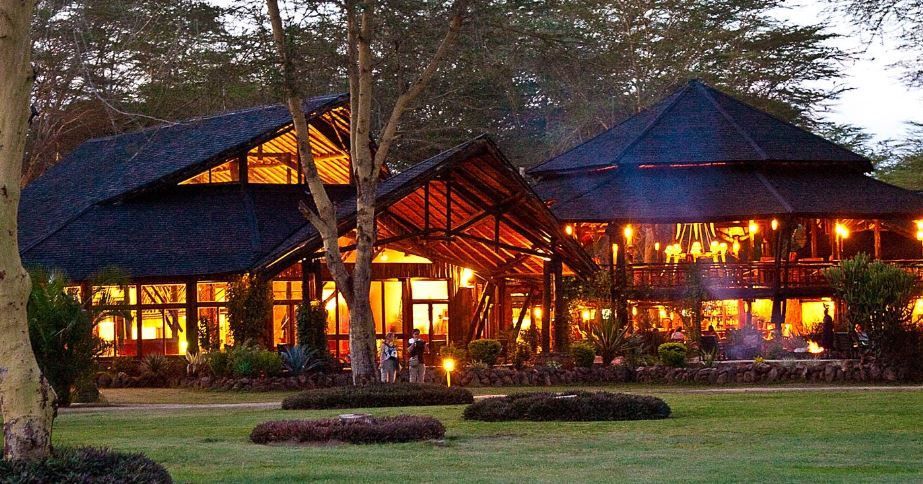
Ol Tukai Lodge
Amboseli National Park
Ol Tukai Lodges features 80 luxury chalet-style twin rooms, all with an uninterrupted view of the wetlands or the magnificent Mt. Kilimanjaro.
We have access to a wide range of handpicked accommodation options — from rustic eco-camps and authentic bush lodges to stylish tented retreats with breathtaking views. If you don’t see the exact lodge or camp you’re looking for, just let us know — we can arrange a variety of stays to suit different tastes, travel styles, and budgets.
Average Weather and Climate in Andasibe-Mantadia
The climate in Andasibe-Mantadia is tropical and humid, with rainfall throughout the year. Its altitude of around 1,000 metres means temperatures are cooler than Madagascar’s coastal regions, making it comfortable for trekking.
Dry Season (April – December): Days are warm but not hot, typically 20–25°C, with cooler nights that can dip to 10–12°C. Trails are drier and easier to navigate, making wildlife tracking more enjoyable. Clear mornings often produce magical mist rising through the trees.
Wet Season (January – March): Rainfall is heavy and frequent, with dramatic downpours that give the forest its lush vitality. Humidity is high, and trails can become muddy. Yet this is the season of orchids, frogs, and chameleons — the forest at its most vibrant.
The altitude keeps temperatures from becoming extreme, but visitors should be prepared for damp conditions and pack accordingly. A lightweight rain jacket and sturdy footwear are essentials year-round.
Overall, Andasibe-Mantadia offers rewarding safari experiences in every season — whether you prefer the clear skies of the dry months or the explosion of life that follows the rains.
Combine with Other Destinations
Andasibe-Mantadia pairs perfectly with other highlights of Madagascar.
Many travellers combine it with a visit to Ranomafana National Park in the south, another rainforest reserve with a different array of lemurs and birdlife.
For contrast, journeys often extend to the west or north for dry forest and baobab landscapes, such as Ankarafantsika National Park or the iconic Avenue of the Baobabs.
Beach extensions on Nosy Be or Île Sainte-Marie are also popular, offering relaxation after rainforest exploration.
Located just three hours’ drive from Antananarivo, Andasibe is an excellent starting point for a broader Madagascar journey.
Talk to us about creating a tailor-made itinerary that links Madagascar’s diverse ecosystems into one unforgettable adventure.
Travelling from the UK to Andasibe-Mantadia
Travelling from the UK begins with flights to Antananarivo, Madagascar’s capital. There are no direct flights from London, but convenient connections are available via Paris, Addis Ababa, Nairobi, and Istanbul. Typical journey times are around 14–16 hours with one stop.
From Antananarivo, Andasibe-Mantadia is reached by a scenic road transfer of around 3–4 hours. The drive winds through highland villages, rice paddies, and rolling hills, offering a glimpse of Malagasy life before arriving at the rainforest.
UK passport holders require a visa for entry into Madagascar, which can be obtained on arrival at the airport or in advance online. Passports must be valid for at least six months from the date of entry. Malaria precautions are recommended, along with vaccinations such as hepatitis A and typhoid.
At Awake in the Wild, we handle all arrangements — from international flights to lodge transfers — so you can focus on the experience rather than the logistics.
Discover the Wild, Your Way: Tailor Your Andasibe-Mantadia Safari with Us
Andasibe-Mantadia is a world of emerald rainforest, haunting lemur calls, and intimate encounters with creatures found nowhere else. To walk its misty trails is to step into a living Eden, where every rustle in the leaves brings a new discovery and every dawn begins with the indri’s song. Few safari experiences are so rare, so exclusive, or so deeply moving.
Talk to us about the experiences you’ve always dreamed of. We’ll match you with handpicked lodges, expert local guides, and authentic adventures that bring Andasibe-Mantadia to life.
Speak to one of our safari specialists today — call us or fill out our quick enquiry form, and let’s start planning your tailor-made adventure.
Send an Enquiry
We will get back to you as soon as possible.
Please try again later.
Frequently Asked Questions
What is the best time to visit Andasibe-Mantadia National Park?
The best time to visit is during the dry season, from April to December, when trails are easier to navigate and wildlife sightings are more comfortable. However, the wet season (January to March) is the most rewarding for orchids, frogs, and chameleons — so it depends on whether you prefer easier trekking or the rainforest at its most vibrant.
Is Andasibe-Mantadia suitable for first-time visitors to Madagascar?
Yes — in fact, it’s one of the most accessible and rewarding parks in the country. Located just three to four hours’ drive from Antananarivo, it’s often the first stop on a Madagascar itinerary. With excellent guides and accommodation options, it’s ideal for travellers new to the island.
What wildlife can I expect to see?
The park is world-famous for its indri, the largest living lemur, whose haunting call is unforgettable. Other highlights include diademed sifakas, black-and-white ruffed lemurs, mouse lemurs on night walks, dazzling chameleons, and a rich variety of birdlife such as velvet asities and ground rollers.
How physically demanding is a safari here?
Safaris here take the form of guided walks rather than vehicle drives. Trails vary from easy strolls in Analamazaotra to more challenging hikes in Mantadia. Most visitors with a reasonable level of fitness find the treks manageable, and guides tailor routes to your pace.
Can Andasibe-Mantadia be combined with other destinations?
Absolutely. Many itineraries pair it with Ranomafana National Park for more rainforest wildlife, or with drier ecosystems such as Ankarafantsika National Park for baobabs and dry forest species. It’s also popular to finish with a beach stay on Nosy Be or Île Sainte-Marie.
Is the park family-friendly?
Yes, families often find Andasibe magical. Children love spotting lemurs up close, listening to their eerie calls, and joining night walks for chameleons and frogs. Shorter trails and family-friendly lodges make it a practical option for all ages.
Is Andasibe-Mantadia safe to visit?
Yes, the park is considered safe for visitors. Experienced local guides lead all treks, and lodges provide secure accommodation. As with any rainforest, weather can affect trail conditions, but with proper footwear and guidance, most walks are safe and enjoyable.
What types of accommodation are available?
You’ll find a range of stays, from eco-luxury lodges with forest-view verandas to boutique retreats and classic tented camps. Many lodges are located just outside the park, offering easy access to the trails and early-morning indri calls right from your terrace.
How do I get to Andasibe-Mantadia from the UK?
Travellers fly to Antananarivo, Madagascar’s capital, via hubs such as Paris, Addis Ababa, or Nairobi. From there, it’s a scenic three to four-hour drive to the park. Awake in the Wild arranges all flights and transfers to ensure a seamless journey.
Do UK visitors need a visa to visit Madagascar?
Yes, UK passport holders require a visa, which can be obtained on arrival in Antananarivo or online in advance. Passports must be valid for at least six months beyond entry. Awake in the Wild provides up-to-date advice on entry requirements, health precautions, and travel essentials when planning your safari.