Kruger National Park & Private Reserves Safaris
Big Five encounters, golden savannahs, and private reserves where exclusivity meets wild Africa.
Best Time To Go
May to October (dry winter season, peak game viewing)
High Season
June to September and Christmas and Easter holidays
Size
Approx 19,485 square kilometres (Kruger) and 1,800 square kilometres (private reserves combined)
Altitude
200–840 metres
above sea level
Kruger National Park & Private Reserves Safari Holidays
Where wilderness meets world-class safari
Kruger National Park is South Africa’s most iconic safari destination — a vast wilderness of unrivalled scale, home to the legendary Big Five and an astonishing diversity of wildlife. Along its western edge, exclusive private reserves such as Sabi Sands and Timbavati offer intimate, luxury safaris where close-up encounters are a daily reality.
Together, they form one of the greatest safari landscapes on earth.
Why Visit Kruger National Park & Private Reserves?
Stretching across the northeast of South Africa, Kruger is one of the largest and most diverse game reserves in Africa. With its network of rivers, acacia-dotted plains, and rocky koppies, it supports nearly 150 mammal species, 500 bird species, and some of the most iconic safari experiences imaginable.
The landscapes shift dramatically — open grasslands where cheetahs hunt, mopane woodlands that shelter elephants, and riverbanks where hippos wallow beneath ancient fig trees. This variety ensures that every game drive feels different, each corner holding the promise of something new.
What sets Kruger apart is the option to explore both the national park itself and its adjacent private reserves. In Kruger, travellers can self-drive or join guided tours across vast distances. In the private reserves, fences have been dropped to allow wildlife to roam freely, yet guest numbers remain strictly limited. Here, off-road driving brings you within metres of a leopard, sundowners are served beneath marula trees, and night drives reveal a hidden world of nocturnal life.
Few safari destinations can match Kruger’s balance of scale and exclusivity. It’s a place where travellers can choose their style of adventure — from the independence of self-drive in the national park, to the indulgence of five-star lodges where every detail is designed to enhance your connection with the wild.
Wildlife and Nature
Kruger is a living masterpiece of biodiversity. Imagine the sound of lions roaring across the plains at dusk, the trumpet of elephants echoing through mopane woodlands, and the quiet ripple of crocodiles slipping into river shallows. This is Africa at its most vivid, a wilderness where life plays out on an epic stage.
The park is world-renowned for its Big Five — lion, leopard, elephant, buffalo, and rhino. Leopards are particularly well-sighted in the private reserves such as Sabi Sands, where generations of big cats have grown accustomed to vehicles, allowing unparalleled photographic opportunities.
Predator sightings are exceptional: prides of lions resting in the shade, wild dogs coursing through the bush, and cheetahs scanning the horizon from a termite mound. Beyond predators, Kruger thrives with giraffes, zebras, wildebeest, kudu, and smaller gems such as steenbok and civet. Birders will find paradise here, from lilac-breasted rollers to martial eagles and seasonal migrants like the European bee-eater.
Seasonal rhythms bring variety. In the dry winter months, wildlife crowds around rivers and waterholes, creating dramatic encounters. In the summer green season, the park bursts into life — newborn antelopes, migrant birds in dazzling colours, and lush landscapes ideal for photography.
Kruger’s ecosystem is supported by extensive conservation efforts, from anti-poaching initiatives to rewilding projects in its private reserves. Partnerships with organisations such as Panthera and the Endangered Wildlife Trust ensure species such as wild dogs and rhinos continue to find sanctuary here.
What makes Kruger unique is the sheer diversity of wildlife, coupled with the intimacy of the private reserves. Few places on earth allow you to witness so much — from the scale of mass elephant herds to the detail of a leopard grooming her cubs just metres away.
Best Time to Visit Kruger
Kruger is a year-round destination, but each season offers something different for travellers.
Dry Season (May–October): These cooler winter months are the peak safari season. Vegetation thins, water is scarce, and animals gather in predictable places near rivers and pans. Days are warm (around 25°C), nights cooler, and conditions perfect for long game drives. Wildlife is easier to spot, and predators are particularly active.
Green/Wet Season (November–April): Afternoon storms transform the landscape into a lush paradise, with rivers swelling and grasses turning emerald. This is calving season for antelopes, attracting predators, while migratory birds arrive in their thousands.
Though wildlife is more dispersed, the scenery is spectacular, and photographic opportunities are abundant.
Special Highlights: The private reserves often allow off-road tracking, giving you front-row seats to hunting lions or mating leopards, regardless of the season. December to February sees vibrant birdlife and young animals, while August and September are superb for concentrated predator activity.
Photography Tips: Early morning and late afternoon are prime for golden light and dramatic shots of predators. In the green season, wide-angle lenses capture the contrast of stormy skies against vivid greenery.
Practical Insights: Kruger’s public sections can get busy in high season, especially around popular camps. For exclusivity, the private reserves offer a calmer pace with guaranteed close encounters.
Summer can be hot (30–35°C), while winter mornings may be chilly.
Safari Experiences in Kruger
Safaris here are as varied as the landscapes themselves, from adventurous self-drives to intimate private encounters. Each experience immerses you in Kruger’s rhythm, leaving lasting memories of Africa’s wild heart.
- Luxury Game Drives in Private Reserves: With expert trackers and guides, private reserve game drives take you off-road and close to the action. Watching a leopard descend from a tree or lions hunt at dusk is an unforgettable privilege of these exclusive safaris.
- Self-Drive Adventures in Kruger: For independent travellers, Kruger’s vast network of roads offers the thrill of discovery at your own pace. Pack a picnic, follow your instincts, and stumble across elephants crossing the tarmac or rhinos grazing by a riverbank.
- Walking Safaris in the Bushveld: Step into the wild on foot with armed rangers, feeling the crunch of dry grass underfoot and learning to track wildlife by spoor and sound. Few experiences bring you closer to Africa’s essence.
- Night Drives Under Starlit Skies: In private reserves, night drives reveal a world most never see: aardvarks emerging, bush babies leaping, and hyenas on the prowl. The southern hemisphere’s night skies add magic to every outing.
- Cultural Encounters with Local Communities: Engage with Shangaan traditions through guided village visits, dance performances, and storytelling. These experiences reveal the cultural heritage of the region and how communities coexist with the wildlife around them.
- Photographic Safaris with Expert Guides: Some lodges specialise in photographic safaris, offering vehicles equipped with camera mounts and guides who position you perfectly for the best light and angles. For wildlife photographers, Kruger is paradise.
Where to Stay in Kruger
Kruger National Park & Private Reserves offers a wide range of accommodation options to suit different preferences and budgets, all set within or just outside the park boundaries. These typically include:
- Eco-Luxury Lodges: High-end lodges in Sabi Sands and Timbavati provide spacious suites, plunge pools, fine dining, and exceptional guiding. They combine luxury with sustainability, ensuring comfort never compromises conservation.
- Tented Camps: Under-canvas stays in both Kruger and the private reserves offer the romance of safari nights with the convenience of ensuite bathrooms and stylish furnishings. The sounds of lions roaring or hyenas calling at night are unforgettable.
- Boutique Bush Retreats: Smaller, intimate properties with a personal touch. These lodges often focus on eco-friendly design, warm hospitality, and locations that offer tranquillity away from busier areas.
- Family-Friendly Safari Lodges: Many lodges cater to families with child-friendly programmes, larger suites, and special activities to introduce young travellers to the bush safely and engagingly.
At Awake in the Wild, we work only with lodges and camps that meet our ethical and sustainability standards. Whether you’re looking for solar-powered luxury or a simple campfire safari experience, we’ll match you to the perfect base. If you don’t see the exact lodge or camp you’re looking for, just let us know — we’re able to arrange a variety of stays to suit different tastes, travel styles, and budgets.
A Selection of our Kruger Safari Accommodation
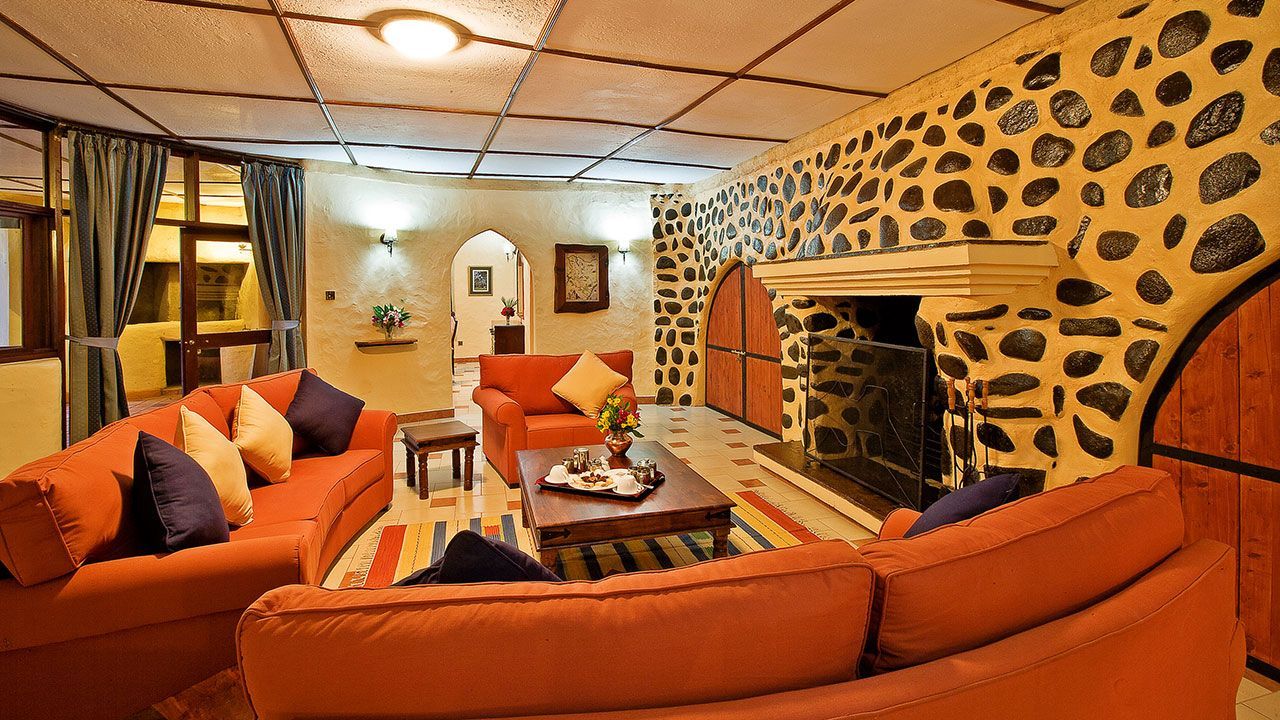
Amboseli Sopa Lodge
Just outside Amboseli National Park
Set in 200 acres of private land, and with a rustic charm all of its own, the Amboseli Sopa Lodge nestles in the foothills of Mount Kilimanjaro
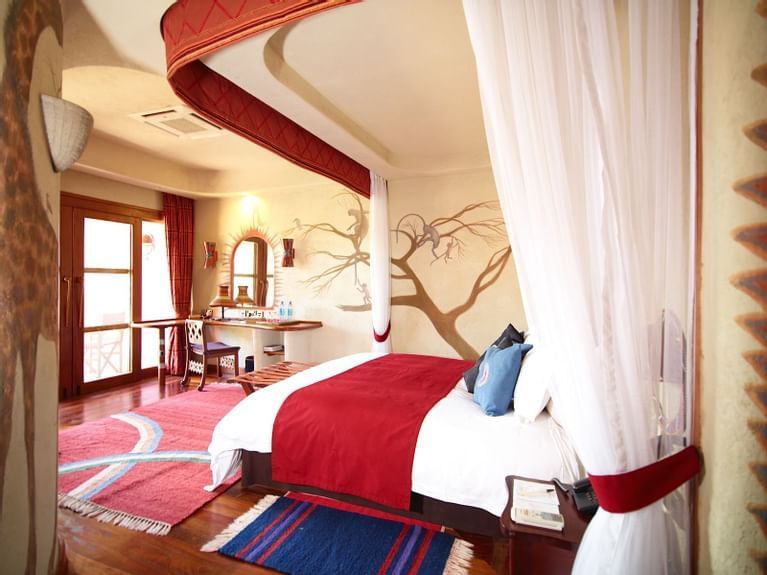
Amboseli Serena Safari Lodge
Amboseli National Park
The Amboseli Serena Safari Lodge is located within the Amboseli National Park and has great views over the plains towards Mount Kilimanjaro.
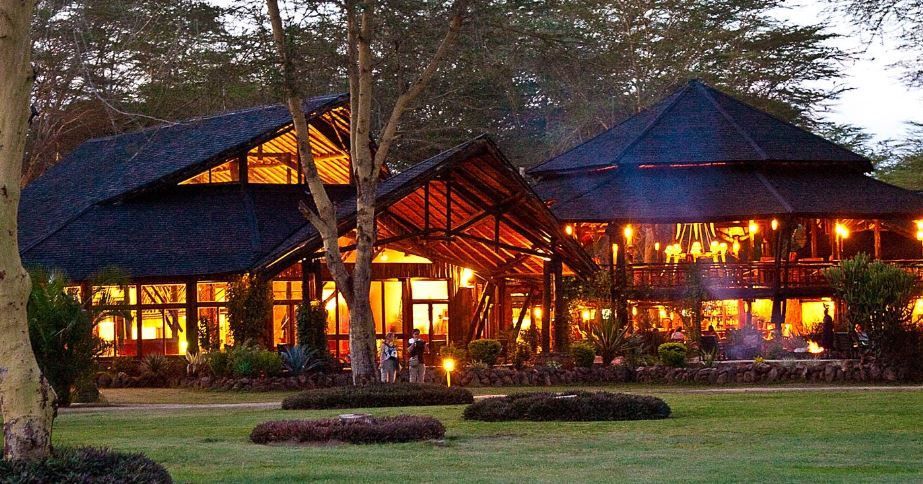
Ol Tukai Lodge
Amboseli National Park
Ol Tukai Lodges features 80 luxury chalet-style twin rooms, all with an uninterrupted view of the wetlands or the magnificent Mt. Kilimanjaro.
We have access to a wide range of handpicked accommodation options — from rustic eco-camps and authentic bush lodges to stylish tented retreats with breathtaking views. If you don’t see the exact lodge or camp you’re looking for, just let us know — we can arrange a variety of stays to suit different tastes, travel styles, and budgets.
Average Weather and Climate in Kruger
Kruger has a subtropical climate, with distinct dry and wet seasons that shape the safari experience.
Dry Winter (May–October): Mild days (20–25°C) and cool nights create ideal safari conditions. Vegetation is sparse, making wildlife easier to spot. Dusty golden landscapes give the park its iconic look.
Wet Summer (November–April): Daytime highs reach 30–35°C, with afternoon thunderstorms bringing lush greenery. This season bursts with life — young animals, colourful migrant birds, and dramatic skies perfect for photography.
Unique Climate Features: The park spans varied altitudes, meaning temperatures differ between low-lying river valleys and higher rocky outcrops. Summer storms clear the air for breathtaking sunsets.
Safari Atmosphere: Winter safaris deliver intense predator action and crisp visibility, while summer safaris offer drama, renewal, and the joy of seeing new life everywhere. Both seasons reward travellers, but in very different ways.
Combine with Other Destinations
Kruger pairs perfectly with Cape Town and the Winelands, creating South Africa’s classic safari-and-city combination.
After thrilling game drives, unwind with fine wines, Table Mountain hikes, and world-class cuisine.
It also combines well with Victoria Falls, just a short flight away, offering one of the world’s most dramatic natural wonders.
For even more safari variety, add Botswana’s Okavango Delta or Mozambique’s beaches for a safari-and-sea escape.
As a gateway to southern Africa, Kruger is often the centrepiece of multi-country itineraries.
Talk to us about creating a seamless journey that weaves together city, safari, and coastline for the ultimate adventure.
Travelling from the UK to Kruger
Travelling to Kruger from the UK is straightforward. Direct flights connect London to Johannesburg (approx. 11 hours) with onward connections to Nelspruit (Mbombela), Skukuza, or Hoedspruit — all gateways to Kruger and its private reserves.
From Johannesburg, flights to Kruger’s airports take 1–2 hours, followed by short road transfers to lodges. Self-drive options are also popular, with scenic journeys of 4–6 hours into the park.
UK passport holders do not require a visa for stays of up to 90 days. Passports should be valid for at least six months beyond travel with two blank pages. Malaria precautions are recommended, particularly in summer, but Awake in the Wild will provide up-to-date advice and reassurance before you travel.
With all logistics managed — from international flights to lodge transfers — your focus remains on the anticipation of one of the world’s greatest safari experiences.
Discover the Wild, Your Way: Tailor Your Kruger Safari with Us
Kruger is Africa at its most complete: elephants gathering at rivers, leopards melting into the shadows, and lions roaring beneath star-filled skies. It is a place where scale and intimacy coexist, offering both vast horizons and private moments of wonder.
Talk to us about the experiences you’ve always dreamed of. We’ll match you with handpicked lodges, expert local guides, and authentic adventures that bring Kruger National Park & Private Reserves to life.
Speak to one of our safari specialists today — call us or fill out our quick enquiry form, and let’s start planning your tailor-made adventure.
Send an Enquiry
We will get back to you as soon as possible.
Please try again later.
Frequently Asked Questions
What is the best time of year to visit Kruger?
The dry winter months (May–October) are best for game viewing, as animals gather around rivers and waterholes. The green summer season (November–April) is also rewarding, with lush landscapes, newborn wildlife, and fantastic birdwatching.
Are the private reserves different from Kruger National Park?
Yes. In Kruger National Park, you can self-drive or join guided tours across vast areas, while the private reserves (such as Sabi Sands or Timbavati) offer exclusive, off-road game drives with fewer vehicles and closer wildlife encounters.
What wildlife can I expect to see?
Kruger is famous for the Big Five — lion, leopard, elephant, buffalo, and rhino. You’ll also see cheetah, wild dog, giraffe, zebra, hippo, crocodile, and over 500 species of birds. Private reserves are particularly well known for close-up leopard sightings.
How accessible is Kruger from the UK?
Very accessible. Direct flights from London to Johannesburg take around 11 hours. From there, domestic flights of 1–2 hours connect you to Kruger’s gateway airports (Nelspruit, Skukuza, or Hoedspruit). Road transfers or self-drives are also popular options.
Can I combine Kruger with other destinations?
Absolutely. Many travellers pair Kruger with Cape Town and the Winelands, Victoria Falls, or Mozambique’s beaches. Its location makes it the perfect hub for a wider southern Africa adventure.
Are the safaris family-friendly?
Yes. Many lodges in the private reserves offer family suites, child-friendly activities, and junior ranger programmes. The national park is also popular for self-drive family safaris, with camps and facilities suitable for all ages.
Is it safe to go on safari in Kruger?
Yes. Safaris are conducted by highly trained guides who prioritise guest safety. Lodges and camps follow strict safety protocols, and self-drive travellers are well supported by park facilities.
What types of accommodation are available?
You can choose from luxury lodges with private plunge pools, intimate tented camps, boutique retreats, and family-friendly safari lodges. Awake in the Wild will help match you to the perfect style of stay.
Do I need malaria precautions for Kruger?
Yes, Kruger lies in a malaria area, particularly in the summer months. Malaria precautions are recommended, but risk is generally low. Awake in the Wild provides the latest health advice so you can travel with confidence.
Do UK travellers need a visa to visit Kruger?
No visa is required for UK passport holders visiting South Africa for up to 90 days. Passports must be valid for at least six months beyond travel, with two blank pages.