Lake Nakuru National Park Safaris
Experience Lake Nakuru National Park, where pink-hued shores meet wildlife-rich savannah in Kenya’s heartland.
Best Time To Go
June to March
(Dry Season & Flamingo Peak)
High Season
July to March
Size
Approx 188 square kilometres
Altitude
1,754 metres
above sea level
Lake Nakuru National Park Safari Holidays
Flamingo Skies Over the Great Rift Valley
Set in the heart of Kenya’s Great Rift Valley, Lake Nakuru National Park is a wildlife jewel famous for its shimmering pink shoreline, created by thousands of flamingos gathering in the shallows. This compact yet diverse park offers more than just birdlife — it’s also home to endangered rhinos, roaming lions, and the elusive leopard. With its dramatic escarpments, woodland, and acacia-dotted plains, Lake Nakuru is a photographer’s dream and a haven for those seeking an accessible, action-packed safari.
Why Visit Lake Nakuru?
Lake Nakuru is one of Kenya’s most accessible safari destinations, located just a few hours’ drive from Nairobi. Its compact size means wildlife sightings come quickly and frequently, making it ideal for first-time visitors and those with limited time.
The park is world-renowned for its flamingo gatherings, which, at their peak, create a vast pink fringe around the lake. Alongside this spectacle, Lake Nakuru is also a sanctuary for both black and white rhinos, offering visitors a rare opportunity to see these endangered giants up close.
Unlike some larger parks, Lake Nakuru offers a blend of landscapes — from open grasslands and rocky cliffs to lush forests — ensuring that every game drive delivers something new.
Wildlife and Nature
Lake Nakuru is an important sanctuary for wildlife conservation, particularly for rhinos, Rothschild’s giraffes, and other endangered species. Predators like lions and leopards roam the park, while troops of baboons and vervet monkeys make lively roadside encounters.
The lake itself attracts over 450 bird species, making it a global hotspot for birdwatchers. While flamingo numbers vary with water levels, pelicans, herons, and fish eagles are reliable residents.
The park’s diverse habitats — from alkaline lake shores to wooded hills — support a rich tapestry of life, ensuring visitors see a variety of species in a relatively small area.
Best Time to Visit Lake Nakuru
The best time to visit is during the dry season from June to March, when wildlife is concentrated around the lake and visibility is excellent.
The wetter months of April and May bring lush scenery and are excellent for birdwatching, though some roads may be muddy.
Flamingo numbers can fluctuate seasonally, so sightings are best during lower water levels.
For photographers, early mornings often provide glassy reflections of flamingos on the lake, while late afternoons bathe the landscape in golden light.
Safari Experiences in Lake Nakuru National Park
Lake Nakuru may be compact, but it delivers unforgettable safari adventures. From rhino tracking to bird photography, each experience offers a unique perspective on this diverse park.
- Rhino Encounters at Close Range
Witness black and white rhinos grazing in open plains or resting in the shade, often within remarkable proximity. Lake Nakuru’s rhino sanctuary offers one of Africa’s safest and most reliable places to see these endangered giants. - Flamingo and Bird Photography
Capture thousands of flamingos feeding in the shallows, framed by the dramatic Rift Valley escarpments. Even when flamingo numbers are lower, pelicans, storks, and fish eagles provide spectacular photographic subjects. - Leopard Spotting in Acacia Forests
Explore the wooded areas for a chance to spot the park’s elusive leopards. Early morning and dusk game drives offer the best opportunities. - Makalia Falls Adventure
Drive to the southern end of the park to see Makalia Falls, a serene picnic spot surrounded by lush vegetation — perfect for a break between game drives. - Scenic Viewpoints Over the Rift Valley
Climb to Baboon Cliff or Lion Hill for panoramic views of the lake, the park, and the surrounding Rift Valley — breathtaking at sunrise and sunset.
Where to Stay in Lake Nakuru
Lake Nakuru offers a range of accommodation to suit different preferences and budgets, all set within or just outside the park boundaries. Options include:
- Eco-luxury lodges – Stylish properties with panoramic lake views, solar power, and private decks for birdwatching.
- Tented camps – Under-canvas stays with ensuite comfort, bringing you closer to the wild.
- Boutique bush retreats – Small, characterful stays that focus on personal service and authentic charm.
At Awake in the Wild, we work only with lodges and camps that meet our ethical and sustainability standards. Whether you’re looking for a luxury lodge with panoramic lake views or a simple bush camp with campfire evenings, we’ll match you to the perfect base. If you don’t see the exact lodge or camp you’re looking for, just let us know — we can arrange a variety of stays to suit different tastes, travel styles, and budgets.
A Selection of our Lake Nakuru Safari Accommodation
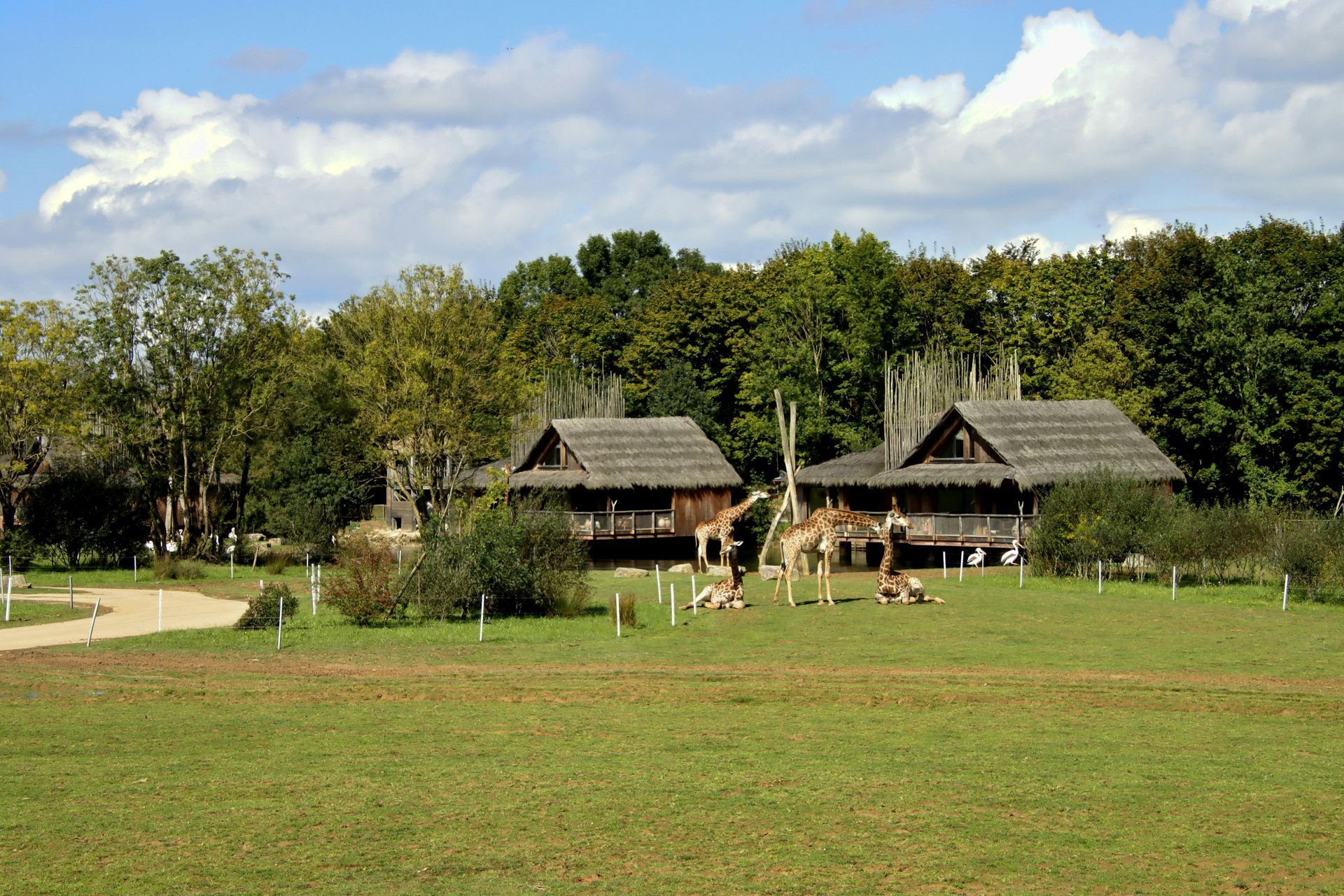
Safari Lodge
Location
This is paragraph text. Click it or hit the Manage Text button to change the font, color, size, format, and more. To set up site-wide paragraph and title styles, go to Site Theme.
Safari Lodge
Location
This is paragraph text. Click it or hit the Manage Text button to change the font, color, size, format, and more. To set up site-wide paragraph and title styles, go to Site Theme.
Safari Lodge
Location
This is paragraph text. Click it or hit the Manage Text button to change the font, color, size, format, and more. To set up site-wide paragraph and title styles, go to Site Theme.
We have access to a wide range of handpicked accommodation options — from rustic eco-camps and authentic bush lodges to stylish tented retreats with breathtaking views. If you don’t see the exact lodge or camp you’re looking for, just let us know — we can arrange a variety of stays to suit different tastes, travel styles, and budgets.
Average Weather and Climate in Lake Nakuru National Park
Lake Nakuru enjoys a temperate climate thanks to its high altitude. Days are generally warm, while mornings and evenings can be cool.
Dry Season (June to March): The park experiences little rain, making it ideal for game drives and photography. Daytime temperatures average 24–26°C, with cooler nights around 10–12°C.
Wet Season (April to May): These months bring the heaviest rainfall, transforming the park into a lush green paradise. Roads can be slippery, but birdlife flourishes, and the scenery is at its most vibrant.
The climate remains pleasant year-round, making Lake Nakuru a viable destination in any month.
Combine with Other Destinations
Lake Nakuru combines beautifully with nearby parks such as Lake Naivasha, Aberdare National Park, and the Masai Mara. Its position in the heart of the Great Rift Valley makes it an ideal stop on a wider safari circuit through central and southern Kenya.
The park also works well as part of a birdwatching-focused trip, pairing with destinations like Bogoria and Baringo. Whether you’re after dramatic flamingo flocks, rhino tracking, or a scenic route linking multiple reserves, we’ll craft a journey that flows effortlessly from one highlight to the next.
Travelling from the UK to Lake Nakuru
Travellers from the UK typically fly into Nairobi’s Jomo Kenyatta International Airport.
From Nairobi, Lake Nakuru is a 3–4 hour drive through the Great Rift Valley, offering scenic stopovers along the way.
We can arrange private road transfers or include Lake Nakuru as part of a tailored multi-park itinerary, ensuring smooth logistics from the moment you land.
Discover the Wild, Your Way: Tailor Your Lake Nakuru Safari with Us
A safari in Lake Nakuru isn’t just about flamingos — it’s a chance to see an entire ecosystem thrive in one of Kenya’s most beautiful settings. From rhinos grazing by the lakeshore to lions resting in the shade, every drive offers a new perspective.
Talk to us about the experiences you’ve always dreamed of. We’ll match you with handpicked lodges, expert local guides, and authentic adventures that bring Lake Nakuru to life.
Speak to one of our safari specialists today — call us or fill out our quick enquiry form, and let’s start planning your tailor-made adventure.
Send an Enquiry
We will get back to you as soon as possible.
Please try again later.
Frequently Asked Questions
When is the best time to visit Lake Nakuru?
June to March offers the best wildlife viewing and flamingo sightings, with dry roads and clear skies.
Is Lake Nakuru suitable for first-time safari visitors?
Yes — its compact size and high wildlife density make it ideal for first-timers.
Will I see flamingos at Lake Nakuru year-round?
Numbers vary with water levels, but pelicans and other birdlife are always present.
What other wildlife can I expect?
Rhinos, lions, leopards, giraffes, zebras, and over 450 bird species.
Can Lake Nakuru be combined with other parks?
Yes — it’s often paired with the Masai Mara, Amboseli, or Samburu.
Is the park family-friendly?
Absolutely — there are accommodations and game drives suitable for families.
How do I get to Lake Nakuru from Nairobi?
It’s a 3–4 hour scenic drive through the Rift Valley.
Are there luxury lodges in Lake Nakuru?
Yes — we work with several luxury lakeside lodges and eco-camps.
Is Lake Nakuru safe for travellers?
Yes — the park is secure and guided safaris ensure a safe experience.
Do UK travellers need a visa for Kenya?
Yes — eVisas must be obtained online before travel.