Hwange National Park Safaris
Thundering elephants, endless savannah, and teeming life on Zimbabwe’s wild frontier.
Best Time To Go
July to October
(Dry Season - peak wildlife viewing)
High Season
July to October
Size
Approx 14,651 square kilometres
Altitude
940–1,100 metres
above sea level
Hwange National Park Safari Holidays
Land of Giants and Golden Plains
Hwange National Park is Zimbabwe’s crown jewel and one of Africa’s most exhilarating safari destinations. Known for its enormous elephant herds, vast savannahs, and rich variety of predators and plains game, it offers a truly wild experience.
With remote landscapes and fewer crowds, Hwange promises authentic encounters that feel both exclusive and unforgettable.
Why Visit Hwange National Park?
Hwange lies in the west of Zimbabwe, bordering Botswana, and is the country’s largest protected area. Its sheer scale means you’ll find sweeping plains, acacia woodlands, and seasonal pans that draw wildlife in incredible numbers. It’s a place where you can drive for hours without encountering another vehicle, giving safaris here a thrilling sense of discovery.
The park is famous for its vast elephant population — estimated at more than 40,000 — one of the largest in the world. Lions, leopards, and wild dogs add to its predator drama, while buffalo herds sweep across the plains in dust-kicked spectacles. It’s this raw abundance that sets Hwange apart from many other reserves in Southern Africa.
Unlike the manicured safari experience of smaller private concessions, Hwange offers a wilder, less predictable rhythm. Waterholes fed by pumps during the dry season act as lifelines, creating dramatic wildlife congregations you won’t find elsewhere. The diversity of habitats — from arid Kalahari sands to lush mopane forests — means every corner of the park tells a different story.
Add in its location close to the iconic Victoria Falls, and Hwange becomes a perfect blend of big-game drama, off-the-beaten-track adventure, and accessibility — making it a safari that combines the best of Zimbabwe’s wild heart.
Wildlife and Nature
Step into Hwange and you step into one of Africa’s most wildlife-rich sanctuaries. The park’s landscapes stretch across semi-arid Kalahari sands, teak forests, golden grasslands, and shallow seasonal pans. As the sun burns orange across the horizon, you’ll hear the trumpeting of elephants, the cackle of hyenas, and the melodic calls of hornbills echoing through the trees.
Hwange is most celebrated for its elephants. In the dry months, herds numbering in the hundreds gather at waterholes, creating astonishing scenes of interaction — matriarchs shepherding calves, young bulls sparring, and family groups drinking in unison. Lions follow in their wake, often seen lounging nearby or stalking unsuspecting prey. The park is also one of the best places to see elusive African wild dogs, with several strong packs roaming its woodlands.
During the rains, Hwange transforms into a lush paradise. The grasslands shimmer green, seasonal pans brim with water, and migratory birds descend in their thousands. Over 400 bird species have been recorded here, from stately kori bustards to the vivid carmine bee-eaters that nest along sandy banks. Giraffes move gracefully through mopane groves, while sable and roan antelope — rare in many parks — graze the rejuvenated plains.
Conservation plays a vital role in Hwange’s identity. Waterhole pumps maintained by park rangers and conservation groups ensure wildlife survives the harsh dry months. Research projects on wild dogs and elephants contribute to understanding and protecting these keystone species. The result is a safari experience steeped in both drama and purpose — where every encounter carries the weight of a landscape truly wild and fiercely protected.
No other park combines Hwange’s scale, diversity, and atmosphere. Here, it’s not about ticking species off a list, but about feeling immersed in nature’s theatre — with elephants dominating the stage, predators providing the tension, and the vast landscapes setting a backdrop that’s both humbling and unforgettable.
Best Time to Visit Hwange
Hwange is a year-round safari destination, but the experience changes dramatically with the seasons.
The dry season (July to October) is the most popular time to visit. Rainfall is almost absent, vegetation thins, and animals flock to pumped waterholes, creating some of Africa’s most intense wildlife scenes.
This is when you’ll see massive elephant gatherings, lion prides staking out territories, and wild dogs on the hunt. Days are hot and clear, while mornings and evenings offer golden light perfect for photography.
The green season (November to March) transforms the park into a lush wonderland. Afternoon rains bring fresh grasses, wildflowers, and water-filled pans that attract migratory birds. Predator sightings can be more challenging as wildlife disperses, but the rewards lie in vibrant landscapes, new births among antelope herds, and the sheer abundance of birdlife.
This is also the best time for dramatic storm-lit skies and atmospheric photography.
The shoulder months (April to June) bring cool, comfortable conditions and fewer visitors. The bush begins to dry but retains a touch of greenery, offering excellent game drives with less dust than peak season.
It’s also an ideal time for photographers who want softer light and fewer vehicles in sight.
Whether you’re seeking concentrated wildlife drama in the dry months or the colourful vibrancy of the wet season, Hwange offers something extraordinary.
The key is choosing which version of its wild theatre you want to witness.
Safari Experiences in Hwange
Hwange offers a safari experience that feels untamed, immersive, and deeply rewarding. Its scale and diversity mean every activity offers something new — from predator-rich game drives to cultural encounters with the communities living along its borders.
- Elephant Encounters at Waterholes: Few experiences compare to watching hundreds of elephants converge on a sun-baked pan, dust swirling around them as they drink, play, and jostle for space. Hwange is one of the only places in Africa where such spectacles occur with such frequency, offering unforgettable photographic opportunities.
- Predator-Rich Game Drives: Morning and evening drives reveal Hwange’s apex predators in action. Lions patrol the plains, leopards stalk the woodlands, and wild dogs race across the savannah. Each drive brings the chance of witnessing raw wildlife drama in some of Southern Africa’s most dramatic settings.
- Walking Safaris in Remote Corners: Step beyond the vehicle and explore Hwange on foot with expert guides. The crunch of sand beneath your boots, the smell of wild sage in the air, and the thrill of tracking animals through silence brings you closer to the land and its rhythms.
- Cultural Encounters with Local Communities: Meet people from the villages bordering Hwange and learn about their traditions, crafts, and coexistence with wildlife. These encounters add human depth to the safari experience, showing how conservation and community are intertwined.
- Birdwatching in the Wet Season: From December to March, Hwange becomes a birder’s paradise. Watch flocks of migratory storks, colourful bee-eaters, and raptors circling above the plains. The park’s wetlands brim with life, making this a rewarding time for those with an eye for detail.
- Photographic Safaris at Golden Hour: Hwange’s wide horizons and glowing sunsets create magical conditions for photography. Whether it’s a dust-shrouded elephant herd or a silhouetted acacia against a stormy sky, every moment is a masterpiece waiting to be captured.
Where to Stay in Hwange
Hwange National Park offers a wide range of accommodation options to suit different preferences and budgets, all set within or just outside the park boundaries. These typically include:
- Eco-Luxury Lodges: Elegant safari retreats with expansive suites, private plunge pools, and starlit dining decks. Many lodges overlook busy waterholes, meaning wildlife often comes to you. Sustainability is central, with solar power and eco-sensitive design.
- Tented Camps: Sleep under canvas while enjoying modern comforts like ensuite bathrooms and cosy furnishings. At night, listen to lions roar in the distance and hyenas whoop nearby — an authentic safari experience that puts you in the heart of the wild.
- Boutique Bush Retreats: Smaller, character-filled lodges that combine warm hosting with eco-friendly design. Often family-run, these offer intimate stays in scenic locations, perfect for travellers who want charm and personal connection.
- Mobile Fly-Camps: For those seeking real adventure, mobile camps set deep within the park bring you as close to nature as possible. Move with the rhythms of the bush, staying in simple but comfortable canvas tents that echo the spirit of classic safaris.
At Awake in the Wild, we work only with lodges and camps that meet our ethical and sustainability standards. Whether you’re looking for solar-powered luxury or a simple campfire safari experience, we’ll match you to the perfect base. If you don’t see the exact lodge or camp you’re looking for, just let us know — we’re able to arrange a variety of stays to suit different tastes, travel styles, and budgets.
A Selection of our Hwange Safari Accommodation
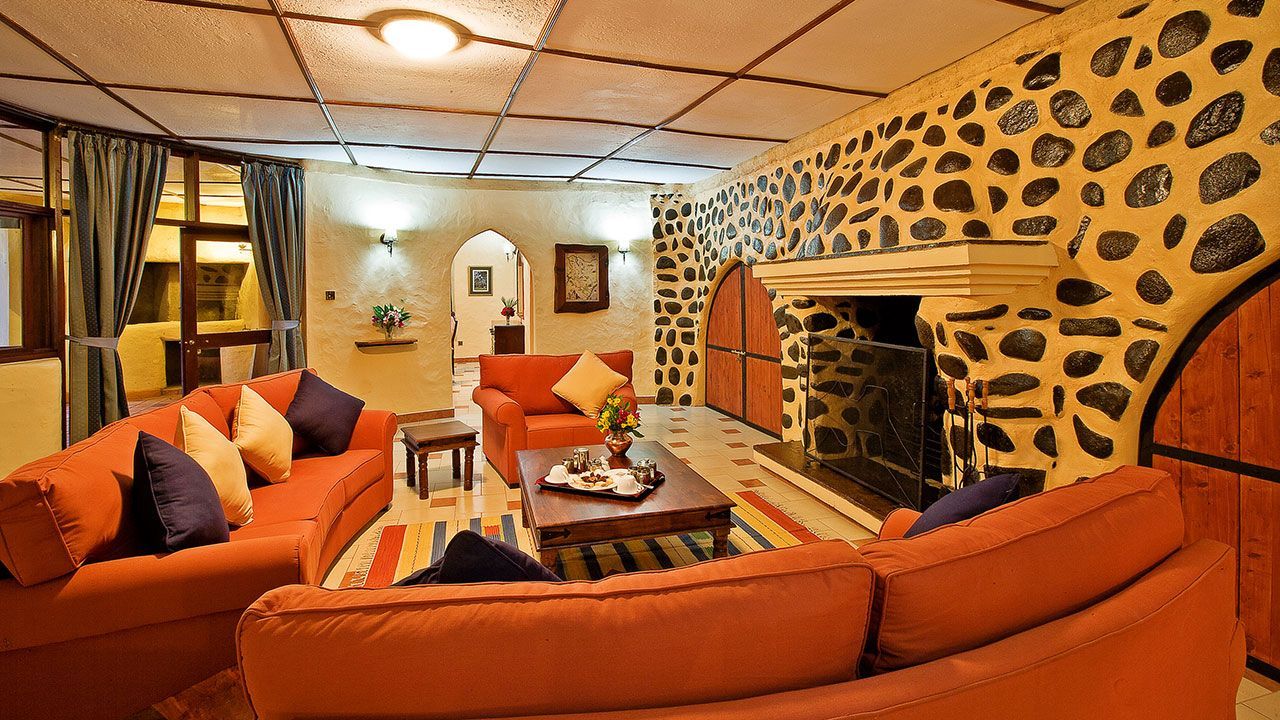
Amboseli Sopa Lodge
Just outside Amboseli National Park
Set in 200 acres of private land, and with a rustic charm all of its own, the Amboseli Sopa Lodge nestles in the foothills of Mount Kilimanjaro
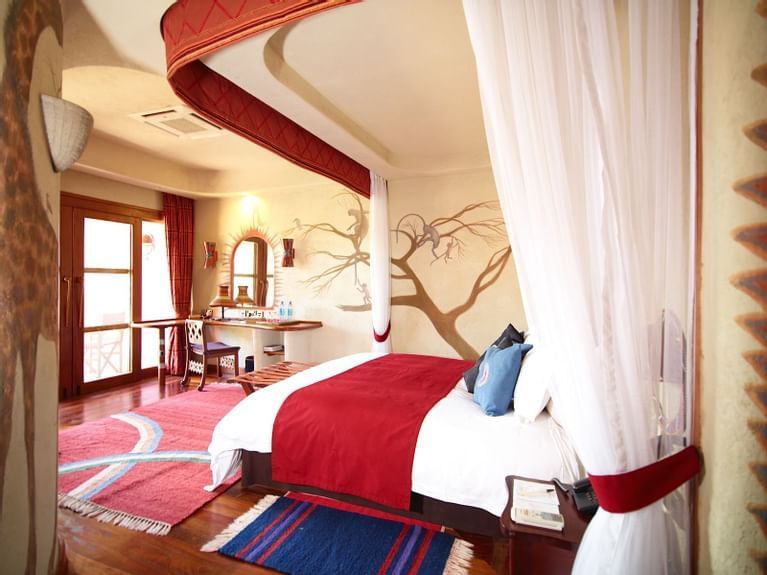
Amboseli Serena Safari Lodge
Amboseli National Park
The Amboseli Serena Safari Lodge is located within the Amboseli National Park and has great views over the plains towards Mount Kilimanjaro.
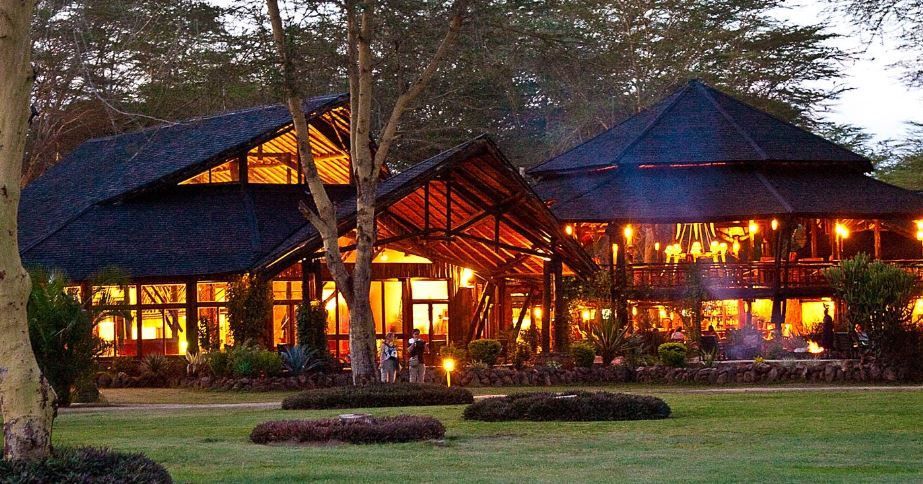
Ol Tukai Lodge
Amboseli National Park
Ol Tukai Lodges features 80 luxury chalet-style twin rooms, all with an uninterrupted view of the wetlands or the magnificent Mt. Kilimanjaro.
We have access to a wide range of handpicked accommodation options — from rustic eco-camps and authentic bush lodges to stylish tented retreats with breathtaking views. If you don’t see the exact lodge or camp you’re looking for, just let us know — we can arrange a variety of stays to suit different tastes, travel styles, and budgets.
Average Weather and Climate in Hwange
Hwange’s climate follows the rhythm of Southern Africa’s dry and wet seasons, each shaping the safari experience in different ways.
The dry season (April to October) brings clear skies, little rainfall, and cooler mornings that warm into hot afternoons. Wildlife congregates at pumped waterholes, making sightings predictable and dramatic. Nights can be surprisingly chilly from May to July, so warm clothing is essential for early game drives.
The wet season (November to March) sees afternoon thunderstorms sweep across the plains, transforming the park into a sea of green. Temperatures rise, humidity increases, and seasonal pans brim with life. Migratory birds arrive in abundance, while newborn antelope dot the savannah — a reminder of nature’s renewal.
Hwange’s altitude tempers extreme heat compared to lower-lying parks, making it comfortable year-round. However, dust can be heavy in the late dry months, while roads may become muddy in the rains — factors that only add to the adventure for many travellers.
Each season brings its own palette of colours and moods: the golden dust of August, the emerald glow of January, the crisp mornings of June. No matter when you travel, Hwange delivers a safari that feels alive, raw, and deeply connected to the natural cycles of Africa.
Combine with Other Destinations
Hwange pairs effortlessly with Victoria Falls, just a few hours away by road or light aircraft. Combining the roar of the falls with the drama of the savannah creates a safari itinerary rich in contrast and spectacle.
For those keen to extend their journey, Hwange also connects well with Botswana’s Chobe National Park, famous for its riverfront elephant herds, or the wild expanses of the Okavango Delta, offering watery contrasts to Hwange’s dry landscapes.
Within Zimbabwe, it links beautifully with Mana Pools National Park, renowned for walking safaris along the Zambezi.
Its accessibility from major hubs like Victoria Falls Airport means Hwange is a natural starting point or central highlight in a Southern African safari circuit.
Talk to us about creating a custom itinerary that combines the best of Zimbabwe and its neighbours.
Travelling from the UK to Hwange
Travelling from the UK to Hwange is straightforward with the right connections. Flights from London to Victoria Falls Airport typically route via Johannesburg, Addis Ababa, or Nairobi, with total journey times of around 14–16 hours including connections. Some travellers also choose to fly into Harare before continuing onwards.
From Victoria Falls, Hwange can be reached by a 2–3 hour road transfer or a short charter flight directly into one of the park’s airstrips. Road journeys are often scenic, passing through rural landscapes and giving a taste of Zimbabwe beyond the safari.
UK passport holders require a visa to enter Zimbabwe, which can usually be obtained on arrival. Passports must have at least six months’ validity. Malaria precautions are recommended, and vaccinations should be checked with a travel clinic. Awake in the Wild ensures you receive the most up-to-date advice and practical guidance before travel.
From booking flights to arranging lodge transfers, Awake in the Wild manages every detail, allowing you to relax and focus on the excitement of your Hwange adventure.
Discover the Wild, Your Way: Tailor Your Hwange Safari with Us
Hwange is a land of contrasts — where elephants gather in their thousands, predators roam freely, and golden plains stretch towards dramatic horizons. It’s a place where every waterhole tells a story, every sunset burns with colour, and every day brings the thrill of Africa at its most untamed.
Talk to us about the experiences you’ve always dreamed of. We’ll match you with handpicked lodges, expert local guides, and authentic adventures that bring Hwange National Park to life.
Speak to one of our safari specialists today — call us or fill out our quick enquiry form, and let’s start planning your tailor-made adventure.
Send an Enquiry
We will get back to you as soon as possible.
Please try again later.
Frequently Asked Questions
What is the best time to visit Hwange National Park?
The best time to visit Hwange is during the dry season, from July to October. Wildlife congregates around waterholes, creating spectacular sightings of elephants, predators, and large herds of plains game. The wet season (November to March) brings lush scenery, birdlife, and newborn animals, making it ideal for photographers and birders.
Is Hwange suitable for first-time safari travellers?
Yes. Hwange is a fantastic choice for first-timers, offering abundant wildlife, diverse habitats, and easy access from Victoria Falls. Game drives are highly rewarding, and the park provides a balance of remote wilderness with comfortable lodges.
What animals can I see in Hwange National Park?
Hwange is most famous for its vast elephant herds — among the largest in Africa. You’ll also find lions, leopards, cheetahs, wild dogs, buffalo, giraffes, zebras, sable, roan antelope, and over 400 bird species. Seasonal highlights include elephant gatherings at waterholes and migratory bird arrivals during the rains.
How do I get to Hwange from Victoria Falls?
Hwange is around a 2–3 hour road transfer from Victoria Falls, making it easily accessible. Alternatively, light aircraft flights can take you directly into airstrips inside the park, cutting down travel time and offering stunning aerial views.
Can Hwange be combined with other safari destinations?
Absolutely. Hwange pairs perfectly with Victoria Falls, Mana Pools, or neighbouring Botswana’s Chobe and Okavango Delta. Many travellers combine Hwange with at least one other destination to experience varied landscapes and wildlife.
Is Hwange family-friendly for children?
Yes, many lodges in Hwange welcome families and offer child-friendly activities such as junior ranger programmes or tailored game drives. However, walking safaris and certain camps may have age restrictions for safety.
How safe is it to visit Hwange National Park?
Hwange is a safe safari destination. Lodges and camps operate under strict safety protocols, guided activities are led by licensed professionals, and Awake in the Wild works only with trusted partners to ensure your security and comfort.
What types of accommodation are available in Hwange?
Accommodation ranges from luxury eco-lodges overlooking waterholes, to classic tented camps and intimate bush retreats. Mobile fly-camps are also available for those seeking a traditional safari under canvas.
How is the climate in Hwange throughout the year?
Hwange has a dry season (April–October) with clear skies, cool mornings, and hot afternoons — perfect for wildlife viewing. The wet season (November–March) brings short afternoon storms, lush greenery, and abundant birdlife. Nights can be chilly in June–July, so warm layers are essential.
Do UK travellers need a visa for Zimbabwe?
Yes, UK passport holders require a visa for Zimbabwe. It can usually be obtained on arrival at Victoria Falls or Harare airports. Passports must be valid for at least six months, and Awake in the Wild will guide you on visa procedures and entry requirements.