
Ruaha National Park Safaris
A Ruaha National Park safari offers vast, untamed wilderness, incredible predator action, and some of Africa’s most spectacular elephant herds.
Best Time To Go
June to October for game viewing; November to May for birding and lush scenery
High Season
June to October (dry season)
Size
Approx 20,226 square kilometres
Altitude
750 - 1,868 metres
above sea level
Ruaha National Park Safari Holidays
Tanzania’s Best-Kept Safari Secret
Ruaha National Park is where the wild still feels truly wild. Located in southern Tanzania, it’s the country’s largest national park — bigger than some small countries — yet far fewer travellers make it here compared to the Serengeti or Ngorongoro. The result is a safari experience with fewer vehicles, more space, and a deep sense of connection to nature.
The park’s landscapes are a striking mix of rugged hills, sweeping plains, and the lifeblood of the Great Ruaha River. Ancient baobabs stand like sentinels over the savannah, and dramatic granite kopjes rise from the grasslands. This is a park where the scenery is every bit as compelling as the wildlife.
Why Visit Ruaha National Park?
If you’re looking for a safari away from the crowds, Ruaha delivers in spades. The park is a predator hotspot — home to large prides of lions, a strong population of leopards, and packs of the endangered African wild dog. Cheetahs roam the open plains, and hyenas are a constant presence.
Ruaha is also famous for its elephants, with some of the largest herds in East Africa. Buffalo, giraffe, zebra, and a rich variety of antelope, including kudu with their spiral horns, fill the savannah. Over 570 bird species make Ruaha a paradise for birdwatchers, especially during the green season.
The sheer size of the park means every game drive feels like an exploration, with new landscapes and wildlife encounters unfolding at every turn.
Wildlife and Nature
Ruaha’s habitats are as diverse as they are beautiful. Along the Great Ruaha River, you’ll find concentrations of elephants, crocodiles, and hippos. These waters draw in wildlife from miles around, especially in the dry season when other water sources disappear.
In the open plains, predators patrol the grasslands, watching herds of impala, Grant’s gazelle, and waterbuck. The miombo woodlands provide cover for kudu, sable antelope, and roan antelope, species rarely seen in northern parks. Birdlife is astonishing — from colourful lilac-breasted rollers to the impressive martial eagle.
The park’s baobab-studded hills and granite outcrops provide a dramatic backdrop for photography, especially at sunrise and sunset when the light turns the landscape golden. Seasonal changes bring stark contrasts: the dry season’s tawny grasses give way to the green season’s lush, wildflower-dotted plains.
Best Time to Visit Ruaha National Park
The dry season from June to October is the prime time for game viewing in Ruaha.
Animals gather at the river and other permanent water sources, making sightings more predictable. Predator activity is high, and road conditions are good.
From November to May, the green season transforms the park into a lush paradise. Birdwatching peaks as migratory species arrive, and newborn animals appear.
While wildlife is more dispersed, the scenery is at its most photogenic, with dramatic skies and vibrant colours.
Both seasons offer something special — the choice depends on whether you prioritise dense wildlife sightings or the beauty and tranquillity of a greener landscape.
Safari Experiences in Ruaha
Ruaha is about space, solitude, and sightings that feel truly wild. A morning drive might bring you to a pride of lions stalking buffalo across an open plain, or a herd of elephants crossing the river in a line, trunks raised for balance. In the stillness of the miombo woodland, a leopard may melt from the shadows, or a kudu may step into a shaft of light.
Birders will be in their element, with vibrant bee-eaters, fish eagles calling over the river, and flocks of carmine bee-eaters adding splashes of colour to the scene.
Every day here is different, and because visitor numbers are low, the moments feel personal — shared only with your guide, the wildlife, and the landscape.
Where to Stay in Ruaha
We have access to a wide range of handpicked accommodation options in Ruaha National Park — from rustic eco-camps and authentic bush lodges to stylish tented retreats. If you don’t see the exact lodge or camp you’re looking for, just let us know — we’re able to arrange a variety of stays to suit different tastes, travel styles, and budgets.
Luxury Tented Lodges: Perched on riverbanks or overlooking baobab valleys, luxury tented lodges offer spacious suites, fine dining, and exceptional guiding. Private verandas make perfect spots for watching elephants at sunset.
Mid-Range Safari Camps: Comfortable and well-situated camps provide an authentic bush feel without sacrificing modern comforts. Expect hearty meals, friendly staff, and prime access to key wildlife areas.
Rustic Bush Camps: Ideal for adventurous travellers, rustic camps focus on immersion in nature. Canvas tents, campfire evenings, and close proximity to wildlife make for an unforgettable stay.
A Selection of our Ruaha Safari Accommodation
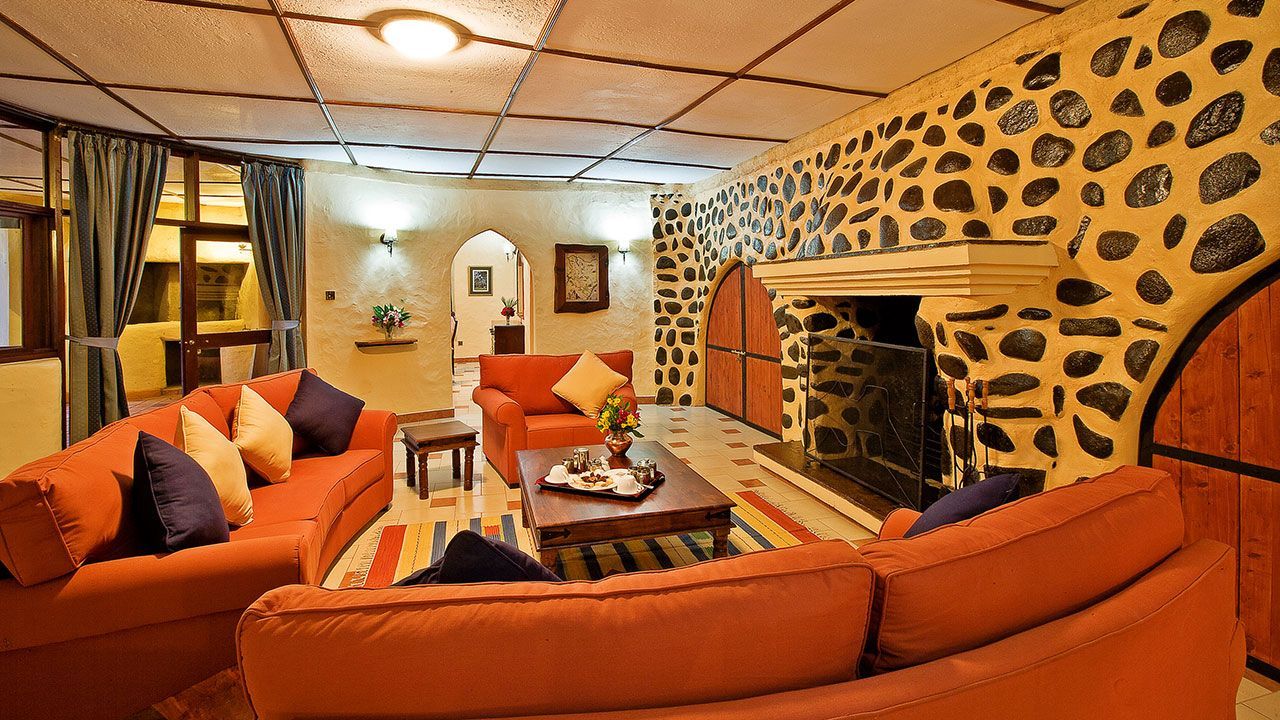
Amboseli Sopa Lodge
Just outside Amboseli National Park
Set in 200 acres of private land, and with a rustic charm all of its own, the Amboseli Sopa Lodge nestles in the foothills of Mount Kilimanjaro
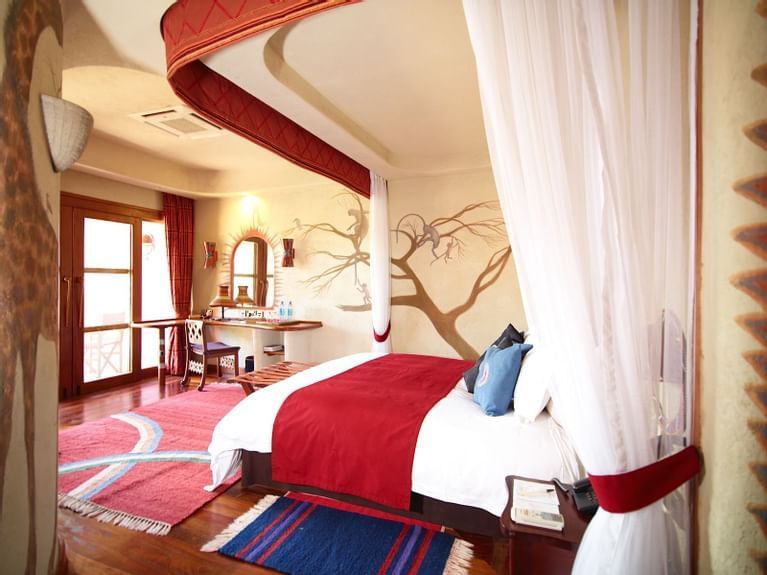
Amboseli Serena Safari Lodge
Amboseli National Park
The Amboseli Serena Safari Lodge is located within the Amboseli National Park and has great views over the plains towards Mount Kilimanjaro.
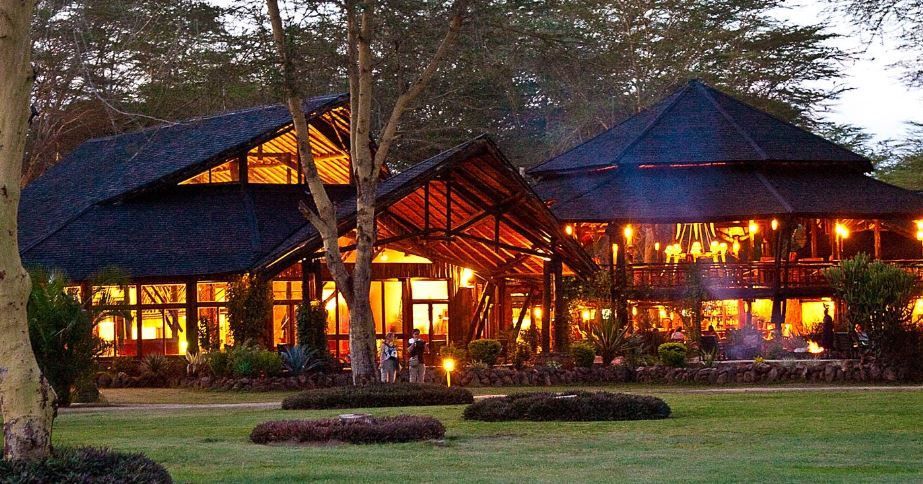
Ol Tukai Lodge
Amboseli National Park
Ol Tukai Lodges features 80 luxury chalet-style twin rooms, all with an uninterrupted view of the wetlands or the magnificent Mt. Kilimanjaro.
We have access to a wide range of handpicked accommodation options — from rustic eco-camps and authentic bush lodges to stylish tented retreats with breathtaking views. If you don’t see the exact lodge or camp you’re looking for, just let us know — we can arrange a variety of stays to suit different tastes, travel styles, and budgets.
Average Weather and Climate in Ruaha
Ruaha’s climate varies with the seasons and altitude.
- June to October: Dry, clear days, temperatures 20–30°C, cool mornings and evenings.
- November to December: Short rains bring fresh greenery and attract migrant birds.
- January to February: Warm and relatively dry, with excellent predator sightings.
- March to May: Long rains, lush landscapes, and fewer visitors.
The higher areas of the park are cooler, while the lower river valleys can feel warmer during midday. Regardless of season, mornings and evenings are the most comfortable times for game drives.
Combine with Other Destinations
Ruaha pairs perfectly with other parks in southern Tanzania, such as Nyerere National Park (Selous) for boat safaris, or Mikumi National Park for a shorter, accessible addition.
For a varied safari experience, combine Ruaha’s dry, open plains with the lush waterways of the Selous. Alternatively, follow your Ruaha adventure with time on Zanzibar’s beaches for a classic bush-and-beach holiday.
Its remote location means most travellers visit as part of a multi-stop itinerary — and we can create a route that showcases the very best of southern Tanzania.
Travelling from the UK to Ruaha
Flights from the UK typically route via Dar es Salaam, with a domestic connection to Ruaha by light aircraft.
Alternatively, you can combine Ruaha with other southern parks as part of a fly-in safari circuit.
We handle every step — from international flights and transfers to park fees and accommodation — so your journey is seamless.
With ATOL protection, Protected Trust Services membership, and included Supplier Failure Insurance and Scheduled Airline Failure Insurance, you can book knowing your holiday is fully protected.
Discover the Wild, Your Way: Tailor Your Ruaha Safari with Us
Ruaha’s magic lies in its remoteness, vastness, and abundance of wildlife. We’ll design your safari to capture that magic, with the right balance of adventure and comfort for your style of travel.
Talk to us about the experiences you’ve always dreamed of. We’ll match you with handpicked lodges, expert local guides, and authentic adventures that bring Ruaha to life.
Speak to one of our safari specialists today — call us or fill out our quick enquiry form, and let’s start planning your tailor-made adventure.
Send an Enquiry
We will get back to you as soon as possible.
Please try again later.
Frequently Asked Questions
When is the best time to visit Ruaha National Park?
June to October for concentrated wildlife sightings; November to May for birding and lush scenery.
What is Ruaha best known for?
Its large elephant herds, predator populations, and remote, crowd-free safari experience.
How do I get to Ruaha from the UK?
Fly via Dar es Salaam, then connect by light aircraft or overland as part of a safari circuit.
Are there African wild dogs in Ruaha?
Yes, Ruaha is one of the best places in Tanzania to see African wild dogs.
Is Ruaha busy like the Serengeti?
No, visitor numbers are low, making sightings feel private and unhurried.
What accommodation is available in Ruaha?
Options range from luxury tented lodges to mid-range safari camps and rustic bush camps.
Can I combine Ruaha with Zanzibar?
Yes, it’s a popular bush-and-beach combination via flights from Dar es Salaam.
What’s the weather like in Ruaha?
Dry season is warm with cool mornings; wet season is lush with occasional heavy showers.
Is Ruaha suitable for families?
Yes, some lodges welcome children and offer family-friendly activities.
Are guided walking safaris available?
Yes, some camps offer guided walks for a closer look at the landscape and wildlife.