
Akagera National Park Safaris
Rwanda’s Big Five Jewel: Savannah, Lakes, and Endless Skies.
Best Time To Go
June to September and December to February
High Season
June to September
Size
Approx 1,122 square kilometres
Altitude
1,250 to 1,825 metres
above sea level
Akagera National Park Safari Holidays
A Big Five Safari in the Land of a Thousand Hills
Akagera National Park is Rwanda’s only savannah reserve — a breathtaking contrast to the country’s famous misty mountains. Here, vast plains roll out to shimmering lakes, and the silhouettes of acacia trees mark the horizon.
Once devastated by poaching, Akagera has undergone one of Africa’s most remarkable transformations, now thriving as a secure sanctuary for the Big Five and an abundance of other wildlife.
On game drives, you’ll see giraffe gliding through the grasslands, hippos jostling in the shallows, and elephants emerging from papyrus swamps, all with the gentle hills of Rwanda as a backdrop.
Why Visit Akagera National Park?
Akagera offers the magic of a classic East African safari without the crowds, combined with Rwanda’s signature warmth and hospitality.
You’ll enjoy the thrill of seeing lion, leopard, rhino, elephant, and buffalo, all in a single reserve — something that’s rare in this region.
Its mosaic of habitats, from open savannah to wetland and woodland, means every game drive brings a new scene.
The park’s recovery is a conservation success story, driven by community engagement and careful reintroduction programmes.
For travellers looking to combine gorilla trekking in Volcanoes National Park with a traditional safari, Akagera is the perfect complement.
Wildlife and Nature
Akagera’s diversity is astonishing for its size. The park is home to healthy populations of elephants, buffalo, zebra, giraffe, hippo, crocodile, and a wide range of antelope, from impala and topi to the rare roan antelope. Lions and black rhinos have been successfully reintroduced, completing the Big Five experience, while leopards and spotted hyenas roam the night.
The lakes and wetlands are a birder’s paradise, hosting over 480 bird species including the shoebill stork, African fish eagle, and papyrus gonolek.
The interplay of grasslands, forests, and papyrus swamps creates an ever-changing backdrop for your safari.
Best Time to Visit Akagera
The dry seasons — June to September and December to February — are the best times for wildlife viewing, with animals congregating around water sources and easier access to all areas.
June to September is the high season, with warm days and cooler nights, perfect for game drives.
The green seasons (March to May and October to November) bring lush landscapes and excellent birdwatching, especially for migratory species, but can also mean heavier rains and muddier tracks.
Photography enthusiasts will appreciate the dramatic skies and vibrant colours of the rainy months.
Safari Experiences in Akagera National Park
Classic Game Drives in Search of the Big Five: Akagera is one of the few parks in East Africa where you can tick off the Big Five in a single safari. Morning drives often bring sightings of elephants grazing in the mist and lions returning from a night hunt. Midday is perfect for spotting giraffe and zebra against a backdrop of sweeping plains. In the afternoons, follow leopard tracks into the woodlands or watch herds of buffalo coming to drink. With so few vehicles in the park, every sighting feels personal and unhurried.
Boat Safaris on Lake Ihema: Lake Ihema is Akagera’s watery heart, a haven for hippos, crocodiles, and countless waterbirds. Glide along its shoreline and watch elephants and antelope come down to drink. Kingfishers dart ahead of your boat, while fish eagles call from high branches. It’s one of the best places in East Africa to spot the elusive shoebill stork. Sunset cruises offer golden light, mirror-like reflections, and a front-row seat to the park’s peaceful rhythm.
Birdwatching Across Diverse Habitats: With wetlands, savannah, and woodland all within reach, Akagera is a birding hotspot. Scan the papyrus swamps for rare species, watch bee-eaters flash like jewels above the plains, and look for raptors riding the thermals. Migratory birds arrive between November and April, adding seasonal variety. Whether you’re a seasoned birder or just curious, the sheer number of species here makes every outing rewarding.
Behind-the-Scenes Conservation Tours: Learn how Akagera went from near collapse to one of Africa’s best-managed parks. Meet rangers, visit the headquarters, and hear about anti-poaching strategies and community projects. These experiences add depth to your safari, showing the human dedication behind the wildlife resurgence. For travellers who care about conservation, it’s an inspiring highlight.
Where to Stay in Akagera
Accommodation in and around Akagera ranges from luxury lodges with sweeping savannah views to intimate tented camps that put you close to nature.
- Luxury Safari Lodges — Stylish suites, infinity pools, and gourmet dining with panoramic views of the park.
- Tented Camps — Classic safari ambiance with comfortable beds, en-suite facilities, and the sounds of the bush all around.
- Community-Run Camps — Affordable stays that support local livelihoods and offer authentic cultural connections.
We have access to a wide range of handpicked accommodation options in Akagera National Park — from rustic eco-camps and authentic bush lodges to stylish retreats. If you don’t see the exact lodge or camp you’re looking for, just let us know — we’re able to arrange a variety of stays to suit different tastes, travel styles, and budgets.
A Selection of our Akagera Safari Accommodation
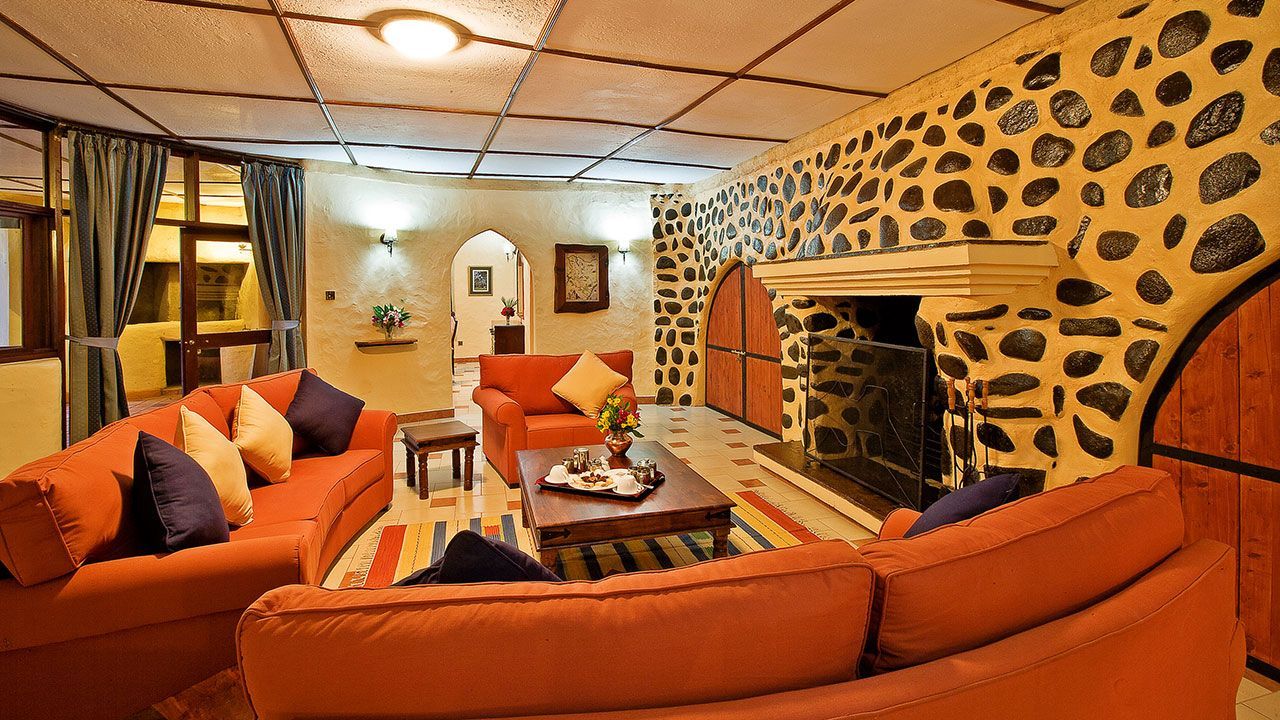
Amboseli Sopa Lodge
Just outside Amboseli National Park
Set in 200 acres of private land, and with a rustic charm all of its own, the Amboseli Sopa Lodge nestles in the foothills of Mount Kilimanjaro
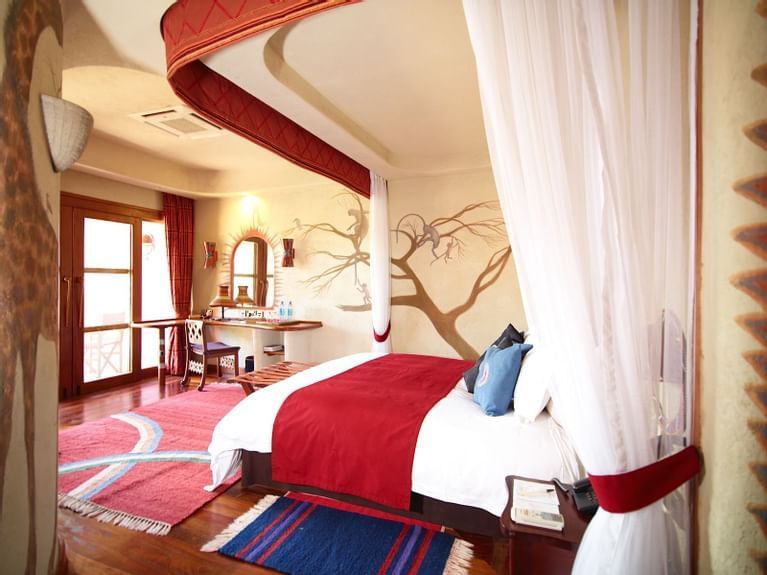
Amboseli Serena Safari Lodge
Amboseli National Park
The Amboseli Serena Safari Lodge is located within the Amboseli National Park and has great views over the plains towards Mount Kilimanjaro.
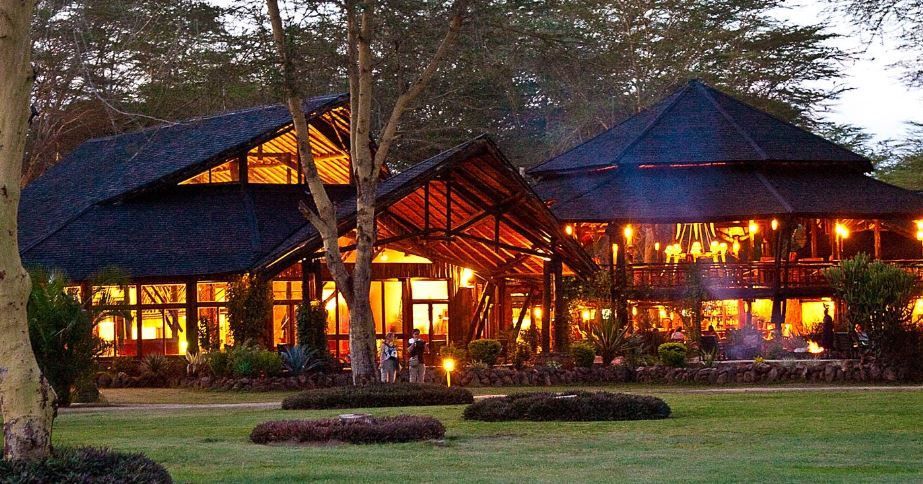
Ol Tukai Lodge
Amboseli National Park
Ol Tukai Lodges features 80 luxury chalet-style twin rooms, all with an uninterrupted view of the wetlands or the magnificent Mt. Kilimanjaro.
We have access to a wide range of handpicked accommodation options — from rustic eco-camps and authentic bush lodges to stylish tented retreats with breathtaking views. If you don’t see the exact lodge or camp you’re looking for, just let us know — we can arrange a variety of stays to suit different tastes, travel styles, and budgets.
Average Weather and Climate in Akagera
Akagera’s climate is pleasantly warm year-round, moderated by its altitude.
- January: Warm and dry; excellent wildlife visibility.
- February: Similar to January; great for game drives and birding.
- March: Start of long rains; lush scenery, fewer visitors.
- April: Peak rains; vibrant landscapes, but some tracks muddy.
- May: Rains ease; wildlife becomes easier to spot.
- June: Dry season begins; 20–28°C days, prime safari conditions.
- July: Cool mornings, warm days; excellent Big Five sightings.
- August: Dry, clear, with concentrated wildlife.
- September: End of dry season; animals still clustered near water.
- October: Short rains begin; fresh greenery, active birdlife.
- November: Continued short rains; dramatic skies for photography.
- December: Dry, warm, and perfect for combining with gorilla trekking.
Whatever the month, Akagera offers an excellent safari experience thanks to its varied habitats and well-maintained roads.
Combine with Other Destinations
Akagera pairs perfectly with Rwanda’s other natural treasures. Combine your safari with gorilla trekking in Volcanoes National Park, chimpanzee tracking in Nyungwe Forest, or a relaxing retreat on the shores of Lake Kivu.
For a multi-country adventure, it can be linked with Tanzania’s Serengeti or Kenya’s Masai Mara via regional flights. Talk to us about creating a custom itinerary.
Travelling from the UK to Akagera
From London, fly to Kigali via hubs such as Brussels, Amsterdam, or Doha, with total travel times of 11–14 hours including layovers. Akagera National Park is just a 2–3 hour drive from Kigali, making it one of East Africa’s most accessible Big Five destinations.
We can arrange private transfers, self-drive vehicles, or guided tours that combine Akagera with other Rwandan highlights.
Discover the Wild, Your Way: Tailor Your Akagera Safari with Us
From the thrill of the Big Five to the serenity of a papyrus-fringed lake at sunset, Akagera is a park that surprises at every turn. Whether you want to focus on wildlife photography, birding, or a complete Rwanda highlights tour, we’ll craft an itinerary that’s entirely yours.
Talk to us about the experiences you’ve always dreamed of. We’ll match you with handpicked lodges, expert local guides, and authentic adventures that bring Akagera to life.
Speak to one of our safari specialists today — call us or fill out our quick enquiry form, and let’s start planning your tailor-made adventure.
Send an Enquiry
We will get back to you as soon as possible.
Please try again later.
Frequently Asked Questions
When is the best time to visit Akagera?
June–September and December–February for dry-season game viewing.
Is it suitable for first-time safari travellers?
Is it suitable for first-time safari travellers?
What wildlife can I expect to see?
The Big Five, giraffe, zebra, antelope, hippos, crocodiles, and 480+ bird species.
Are boat safaris available?
Yes — Lake Ihema offers superb wildlife and birdwatching opportunities.
Can I combine Akagera with gorilla trekking?
Absolutely — it’s one of the best ways to experience Rwanda’s diversity.
Is it family-friendly?
Yes, with lodges and guides able to tailor experiences for children.
Is it safe to visit?
Yes — Akagera is well-managed and secure.
What accommodation options are there?
Luxury lodges, tented camps, and community-run stays.
How do I get there from the UK?
Fly to Kigali, then drive 2–3 hours to the park.
Do UK travellers need a visa?
Yes — Rwanda offers e-visas and visas on arrival for UK passport holders.