Nyungwe National Park Safaris
Rwanda’s Rainforest Kingdom: Chimpanzees, Canopy Walks, and Endless Green.
Best Time To Go
June to September and December to February
High Season
June to September
Size
Approx 1,019 square kilometres
Altitude
1,600 to 2,950 metres
above sea level
Nyungwe National Park Safari Holidays
Into the Heart of an Ancient African Rainforest
Nyungwe National Park is one of Africa’s oldest and most important mountain rainforests — a living, breathing wilderness that feels as timeless as it is vibrant.
In Rwanda’s southwest, it’s a world of mist-wrapped peaks, tumbling waterfalls, and emerald valleys, home to troops of playful primates and flocks of dazzling birds. Trails wind through towering trees, while the famous canopy walkway offers a bird’s-eye view over the treetops.
Nyungwe is more than a park — it’s a place where every sense is awakened, from the scent of wildflowers to the sound of chimpanzees calling at dawn.
Why Visit Nyungwe National Park?
Nyungwe offers one of the most immersive forest experiences in Africa, with an unmatched diversity of primates — 13 species in total — and over 300 bird species.
Chimpanzee tracking is a highlight, but the park also offers encounters with rare primates such as L’Hoest’s monkeys, grey-cheeked mangabeys, and large troops of colobus monkeys.
Its network of scenic trails ranges from short walks to multi-day treks, making it perfect for hikers, birders, and photographers.
As one of the best-preserved montane rainforests in the region, Nyungwe is also a crucial water catchment and a conservation success story supported by local communities.
Wildlife and Nature
The park’s dense forest shelters a thriving population of chimpanzees, often encountered feeding in fig trees or racing through the canopy.
Colobus monkeys gather in large groups, their black-and-white coats flowing as they leap between branches. Birdlife is exceptional, with Albertine Rift endemics such as the Ruwenzori turaco, red-collared mountain babbler, and handsome francolin.
Orchids bloom along the trails, and butterflies add flickers of colour to the forest’s green palette.
Waterfalls cascade into mossy pools, and clear mountain streams crisscross the terrain, creating a serene soundtrack to every trek.
Best Time to Visit Nyungwe National Park
The dry seasons — June to September and December to February — offer the most comfortable trekking conditions, with firmer trails and better visibility.
These months also coincide with good fruiting cycles for primates, improving your chances of close encounters.
The wetter seasons (March to May and October to November) transform the park into a lush wonderland with spectacular waterfalls and peak bird activity, but trails can be muddy and more challenging.
For photographers, the rainy months bring dramatic light and misty atmospheres perfect for forest landscapes.
Safari Experiences in Nyungwe
Chimpanzee Tracking in the Rainforest: Set off at first light with experienced trackers to locate Nyungwe’s chimpanzee groups. As you follow their calls deeper into the forest, you might see them foraging, grooming, or playfully swinging through the canopy. The thrill of meeting these intelligent primates face-to-face is unforgettable. Groups are limited, ensuring each trek is intimate and respectful. Every encounter is different, adding to the sense of adventure.
Canopy Walkway Adventure: Suspended 50 metres above the forest floor, Nyungwe’s canopy walkway offers an unparalleled perspective of the rainforest. From this vantage point, you can look across rolling hills of green and spot monkeys and birds at eye level. The walkway sways gently with each step, adding an exhilarating edge to the experience. Early mornings and late afternoons provide the most magical light for photography. It’s a must for anyone visiting the park.
Colobus Monkey Encounters: Nyungwe is home to one of the largest troops of colobus monkeys in Africa, sometimes numbering over 300 individuals. Watching them move in synchrony through the trees is mesmerising. Their contrasting black-and-white fur stands out vividly against the forest canopy. Guided treks take you to their favourite feeding spots, offering incredible photo opportunities. Their playful behaviour and expressive faces make them a joy to observe.
Hiking to Waterfalls and Scenic Lookouts: Nyungwe’s trail network includes paths to dramatic waterfalls like Kamiranzovu and Isumo. Along the way, you’ll pass through varied habitats — from fern-lined gullies to wildflower meadows — each with its own wildlife. Some trails lead to panoramic viewpoints where the forest stretches endlessly to the horizon. These hikes are as much about the journey as the destination, offering moments of solitude and wonder.
Where to Stay in Nyungwe National Park
Staying near Nyungwe means waking up to birdsong and forest views, with accommodation options to suit every style.
Luxury Forest Lodges — Elegant suites with panoramic views, gourmet dining, and guided activities included.
Mid-Range Eco-Lodges — Comfortable rooms or cottages set close to park gates, offering great value.
Community Guesthouses — Authentic, locally run stays that support conservation and cultural exchange.
We have access to a wide range of handpicked accommodation options in Nyungwe National Park — from rustic eco-camps and authentic forest lodges to stylish retreats. If you don’t see the exact lodge or camp you’re looking for, just let us know — we’re able to arrange a variety of stays to suit different tastes, travel styles, and budgets.
A Selection of our Nyungwe Safari Accommodation
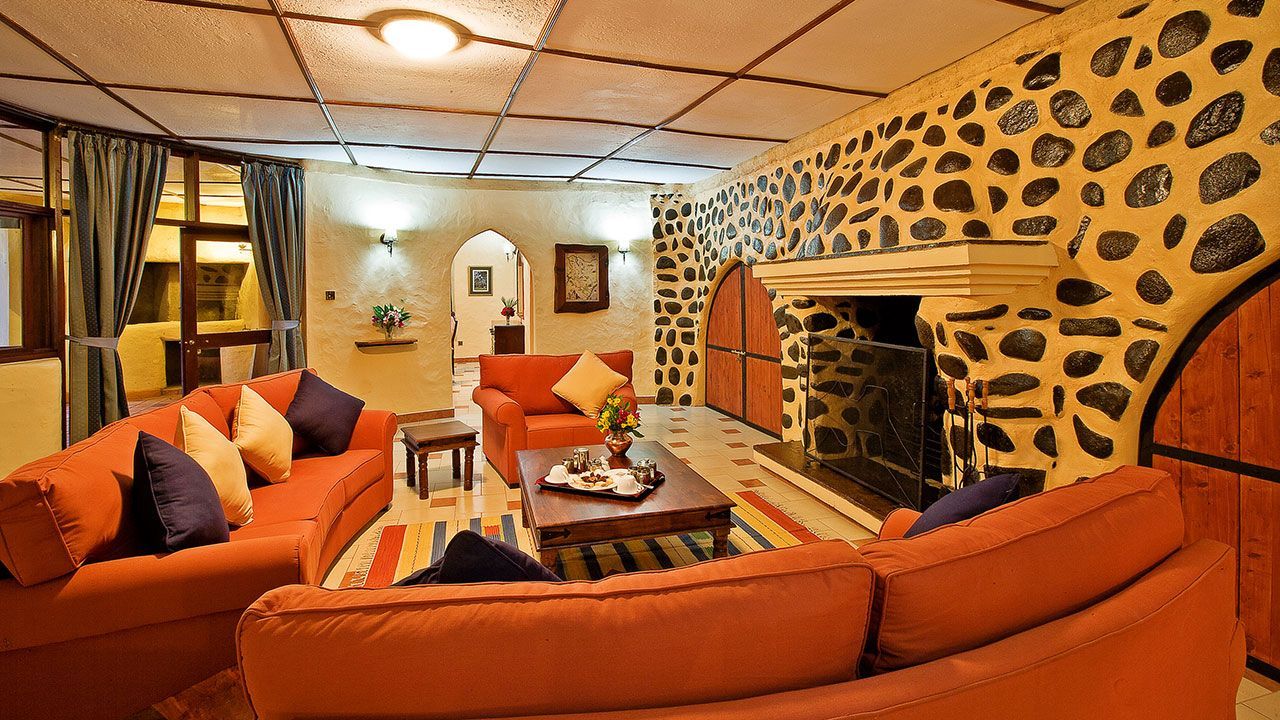
Amboseli Sopa Lodge
Just outside Amboseli National Park
Set in 200 acres of private land, and with a rustic charm all of its own, the Amboseli Sopa Lodge nestles in the foothills of Mount Kilimanjaro
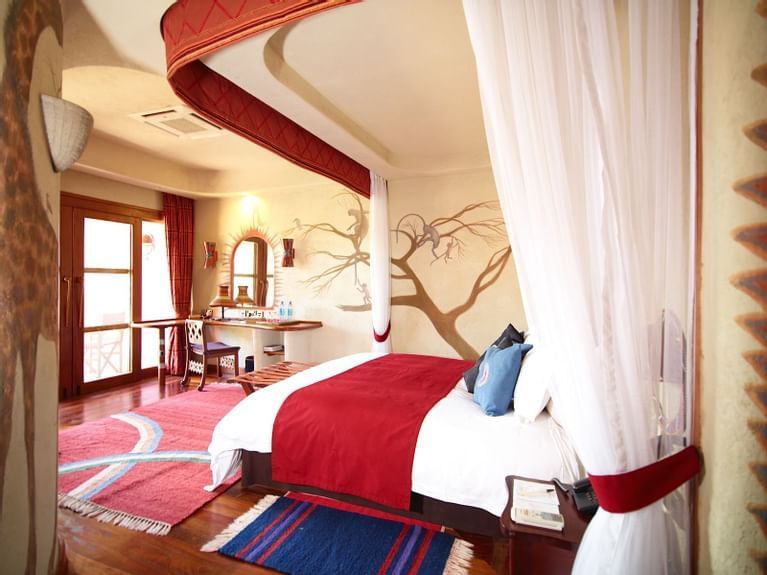
Amboseli Serena Safari Lodge
Amboseli National Park
The Amboseli Serena Safari Lodge is located within the Amboseli National Park and has great views over the plains towards Mount Kilimanjaro.
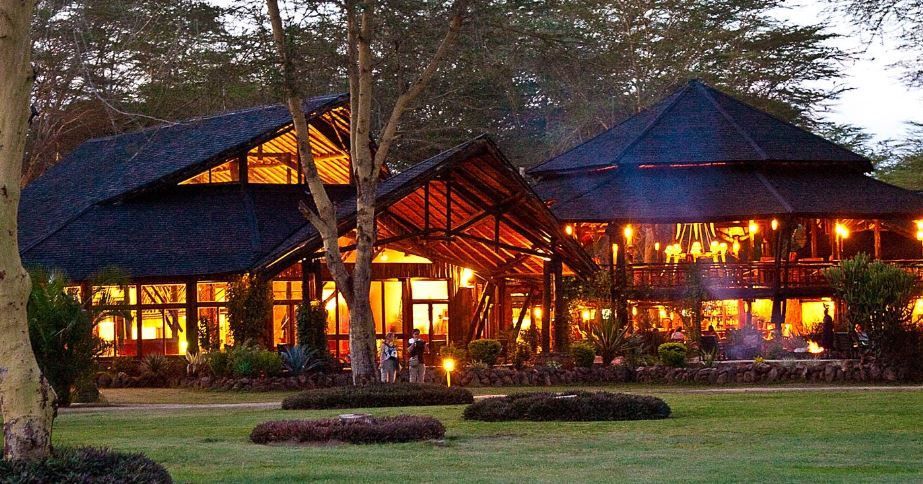
Ol Tukai Lodge
Amboseli National Park
Ol Tukai Lodges features 80 luxury chalet-style twin rooms, all with an uninterrupted view of the wetlands or the magnificent Mt. Kilimanjaro.
We have access to a wide range of handpicked accommodation options — from rustic eco-camps and authentic bush lodges to stylish tented retreats with breathtaking views. If you don’t see the exact lodge or camp you’re looking for, just let us know — we can arrange a variety of stays to suit different tastes, travel styles, and budgets.
Average Weather and Climate in Nyungwe
Nyungwe’s high elevation keeps temperatures cool and pleasant year-round, though rainfall is frequent due to its rainforest climate.
- January: Dry, cool mornings; excellent trekking conditions.
- February: Similar to January; great for primate tracking and birding.
- March: Start of long rains; vibrant greenery, active waterfalls.
- April: Peak rains; lush forest, muddy trails.
- May: Rains ease; crisp air and rejuvenated scenery.
- June: Dry season begins; 15–25°C days, ideal hiking weather.
- July: Cool, clear, and perfect for canopy walks.
- August: Dry, sunny spells with great visibility.
- September: End of dry season; primates still easy to track.
- October: Short rains return; fresh vegetation and lively birdlife.
- November: Continued short rains; waterfalls at their best.
- December: Dry, bright, and ideal for outdoor activities.
Even during the wet months, showers are often short-lived, allowing for rewarding treks in between.
Combine with Other Destinations
Nyungwe pairs beautifully with Rwanda’s other parks.
Begin with gorilla trekking in Volcanoes National Park, enjoy a Big Five safari in Akagera, and finish with relaxation on Lake Kivu.
Alternatively, cross into Burundi for cultural exploration or link with Uganda for further primate tracking adventures.
Talk to us about creating a custom itinerary.
Travelling from the UK to Nyungwe
Fly from London to Kigali via hubs such as Brussels, Amsterdam, or Doha, with total travel times of 11–14 hours including layovers.
From Kigali, it’s a 5–6 hour drive to Nyungwe through some of Rwanda’s most scenic landscapes, with options to break the journey at Lake Kivu.
We can arrange private transfers or guided tours to make the journey part of the experience.
Discover the Wild, Your Way: Tailor Your Nyungwe Safari with Us
Nyungwe is a place of deep beauty and deeper connection — where every step reveals another layer of life in the forest. Whether you’re here for chimpanzees, birds, or the simple joy of walking beneath ancient trees, we’ll create an itinerary that brings the rainforest to life.
Talk to us about the experiences you’ve always dreamed of. We’ll match you with handpicked lodges, expert local guides, and authentic adventures that bring Nyungwe to life.
Speak to one of our safari specialists today — call us or fill out our quick enquiry form, and let’s start planning your tailor-made adventure.
Send an Enquiry
We will get back to you as soon as possible.
Please try again later.
Frequently Asked Questions
When is the best time to visit Nyungwe?
June–September and December–February for dry trekking conditions.
Is it suitable for first-time safari travellers?
Yes — it’s an accessible and rewarding forest experience.
What wildlife can I expect to see?
Chimpanzees, colobus monkeys, L’Hoest’s monkeys, mangabeys, and 300+ bird species.
Are guided treks available?
Yes — all treks are led by experienced trackers.
Can I combine Nyungwe with other Rwanda parks?
Absolutely — Volcanoes and Akagera make ideal companions.
Is it family-friendly?
Yes, for older children; treks can be adapted to ability.
Is it safe to visit?
Yes — well-managed and secure for visitors.
What’s the accommodation style?
Luxury forest lodges, eco-lodges, and community guesthouses.
How do I get there from the UK?
Fly to Kigali, then drive 5–6 hours to the park.
Do UK travellers need a visa?
Yes — Rwanda offers e-visas and visas on arrival for UK citizens.