Namib-Naukluft & Sossusvlei Safaris
Towering red dunes, shifting desert light, and surreal salt pans — discover Namibia’s Namib-Naukluft & Sossusvlei.
Best Time To Go
May to October (dry, cooler, best for exploration)
High Season
June to September
Size
Approx 49,768 square kilometres (Namib-Naukluft National Park)
Altitude
450–2,000 metres
above sea level
Namib-Naukluft & Sossusvlei Safari Holidays
Dunes of fire and timeless desert silence
Namib-Naukluft National Park, home to the world-famous Sossusvlei, is Namibia at its most iconic. Here, giant red dunes rise hundreds of metres high, salt and clay pans shimmer white against cobalt skies, and the desert’s stark beauty feels almost otherworldly.
This is a place of silence, scale, and shifting light — a safari destination where the landscapes themselves are as unforgettable as the wildlife.
Why Visit Namib-Naukluft & Sossusvlei?
Stretching across nearly 50,000 km², Namib-Naukluft is one of the largest conservation areas in Africa, encompassing part of the world’s oldest desert — the Namib. Its crown jewel, Sossusvlei, is a vast clay pan surrounded by some of the tallest sand dunes on earth, glowing deep red at sunrise and sunset. These dunes are among the most photographed landscapes in Africa, and for good reason.
The park is also home to Deadvlei, a surreal white pan dotted with the skeletal remains of ancient camelthorn trees — preserved by the arid climate for over 600 years. The combination of red sand, white clay, and blackened trees under vivid blue skies makes it one of the most striking sights on the continent.
Beyond the dunes, the Namib-Naukluft is a land of surprising variety. Rugged mountains, gravel plains, and ephemeral river valleys create habitats for desert-adapted wildlife. Oryx, springbok, and ostrich stride across the open sands, while smaller creatures such as geckos, chameleons, and beetles reveal the desert’s hidden life.
What sets Namib-Naukluft apart from traditional safari parks is the focus on landscapes as much as wildlife. This is a destination for those who want to feel the drama of earth’s extremes — to climb a dune at dawn, watch the desert shift with the wind, and experience silence so profound it’s almost tangible.
Wildlife and Nature
Though the Namib Desert may appear lifeless at first glance, Namib-Naukluft & Sossusvlei reveal a world of extraordinary adaptations. Here, survival is an art form, and every species tells a story of resilience.
The iconic oryx (gemsbok) is the park’s emblem, perfectly adapted with pale coats that reflect heat and the ability to survive long stretches without water. Springbok leap gracefully across the plains, while ostriches stride the dunes, their black-and-white feathers stark against the sand.
Predators exist here too, though sightings are rare and thrilling — brown hyenas, bat-eared foxes, and even leopards roam the more rugged areas. Smaller life abounds: tok-tokkie beetles collect dew from morning fog, geckos dart across the sand, and desert chameleons change colour to regulate heat. The Namib Desert’s fog — carried inland from the cold Atlantic — is a critical lifeline, sustaining plants and animals in this parched environment.
Birdlife is surprisingly rich, with over 200 species recorded. Raptors soar above cliffs, while the endemic Dune Lark sings among the sands. Along the Kuiseb River canyon, acacia trees host bee-eaters and hornbills.
Seasonal changes bring subtle transformations. After rare rains, ephemeral rivers flow briefly, and grasses sprout across the plains, attracting herbivores and triggering bursts of life. The harsh beauty of the dry months, meanwhile, offers stark contrasts and clear skies ideal for stargazing.
What makes the wildlife experience here unique is the juxtaposition of animals against surreal landscapes. A lone oryx on a dune ridge, a jackal silhouetted at sunset, or an ostrich striding across a salt pan — these images define Namib-Naukluft as a safari like no other.
Best Time to Visit Sossusvlei
Namib-Naukluft’s seasons shape the visitor experience dramatically, from cool desert mornings to scorching midday heat.
Dry Season (May to October): This is the most popular time to visit. Days are mild (20–25°C), nights are cold (5–10°C), and skies are clear. It’s the best season for hiking dunes, photography, and stargazing. Wildlife sightings are steady, with oryx and springbok often visible near pans and riverbeds.
Hot Season (September to November): Temperatures climb above 30°C, especially in the dunes. The heat can be intense, but the light is spectacular, with longer golden hours for photography.
Wet Season (December to April): Rain is rare but when it comes, it transforms the desert. Ephemeral rivers may flow, grasses sprout, and wildflowers bloom briefly. Temperatures can reach 35–40°C, and humidity increases slightly. It’s also the best time for birding, as migratory species arrive.
Special Highlights: Sunrise and sunset are magical year-round, when the dunes glow red and shadows carve dramatic patterns. Stargazing is exceptional in all seasons, thanks to clear desert skies and minimal light pollution.
Photography Tips: Early mornings offer soft light and cooler conditions for dune climbs. Late afternoons provide dramatic contrasts, especially in Deadvlei.
The wet season offers rare opportunities to capture desert in bloom.
Practical considerations: The park is accessible year-round, though mid-summer heat can be challenging. Roads are well-maintained, but 4x4 access is required for some areas, including Sossusvlei itself.
Safari Experiences in Namib-Naukluft & Sossusvlei
Namib-Naukluft offers experiences that are as much about emotion as adventure. From climbing iconic dunes to exploring desert wildlife, every activity connects you with the timeless spirit of the Namib.
- Climbing Big Daddy Dune: One of the tallest dunes in the world, Big Daddy towers over Deadvlei at 325 metres. The climb is challenging but rewarding, with panoramic views of the dune sea and the eerie white pan below.
- Sunrise at Sossusvlei: Watching the first light ignite the red dunes is an unforgettable experience. The desert shifts from deep crimson to burnt orange, creating a photographer’s dream.
- Exploring Deadvlei: This clay pan, with its 600-year-old dead trees, is one of the most surreal landscapes in Africa. The contrast of blackened trees, white clay, and red dunes makes it a must-see.
- Guided Desert Ecology Walks: Led by expert naturalists, these walks reveal the hidden life of the desert — from beetles that harvest fog to plants that survive decades without rain. It’s a fascinating glimpse into survival against the odds.
- Hot Air Balloon Safari: Floating silently above the dunes at dawn, with the desert stretching endlessly below, is one of the most magical ways to experience Sossusvlei. Champagne breakfasts in the sand cap off the adventure.
- Cultural Encounters: Nearby, Damara and Nama communities share traditions of desert living, from ancient tracking skills to crafts passed down through generations. These visits provide a cultural counterpoint to the stark wilderness.
Where to Stay in Namib-Naukluft & Sossusvlei
Namib-Naukluft & Sossusvlei offers a wide range of accommodation options to suit different preferences and budgets, all set within or just outside the park boundaries. These typically include:
- Eco-Luxury Lodges: Blending seamlessly with the desert, these lodges offer stunning architecture, infinity pools with views of the dunes, and gourmet dining under star-filled skies. Sustainability is a core principle, with solar energy and water conservation central to operations.
- Tented Camps: Canvas camps capture the romance of the desert, with modern comforts like ensuite bathrooms and shaded plunge pools. Falling asleep to the silence of the Namib is an experience like no other.
- Boutique Desert Retreats: Small and intimate, these retreats focus on personalised hosting and authentic design. Many use natural stone and timber to blend into the landscape, offering peace and exclusivity.
At Awake in the Wild, we work only with lodges and camps that meet our ethical and sustainability standards. Whether you’re looking for solar-powered luxury or a simple campfire safari experience, we’ll match you to the perfect base. If you don’t see the exact lodge or camp you’re looking for, just let us know — we’re able to arrange a variety of stays to suit different tastes, travel styles, and budgets.
A Selection of our Namib-Naukluft & Sossusvlei Safari Accommodation
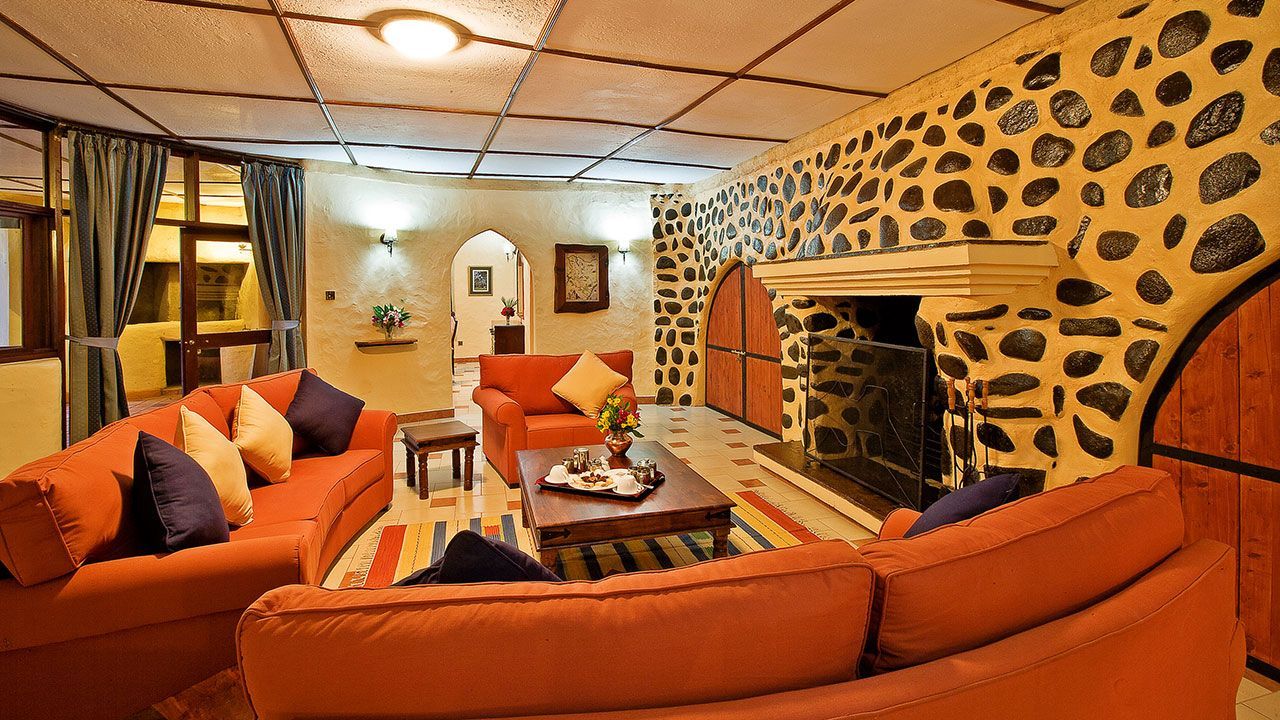
Amboseli Sopa Lodge
Just outside Amboseli National Park
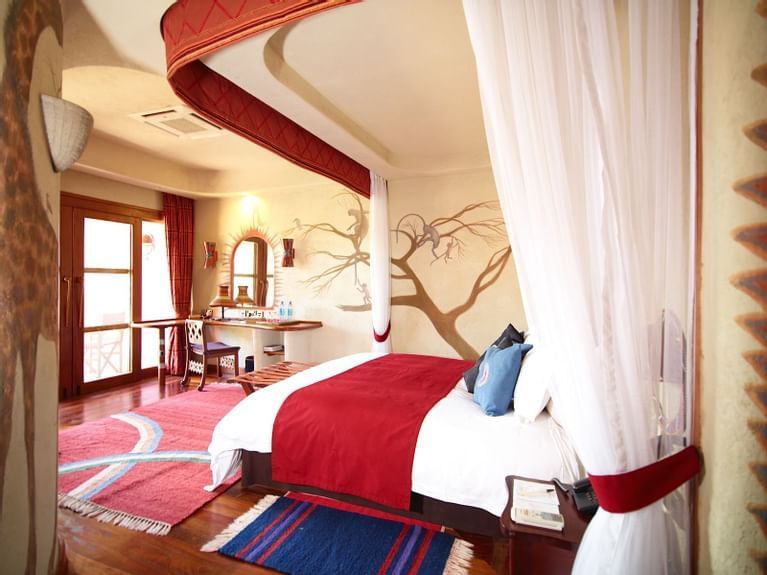
Set in 200 acres of private land, and with a rustic charm all of its own, the Amboseli Sopa Lodge nestles in the foothills of Mount Kilimanjaro
Amboseli Serena Safari Lodge
Amboseli National Park
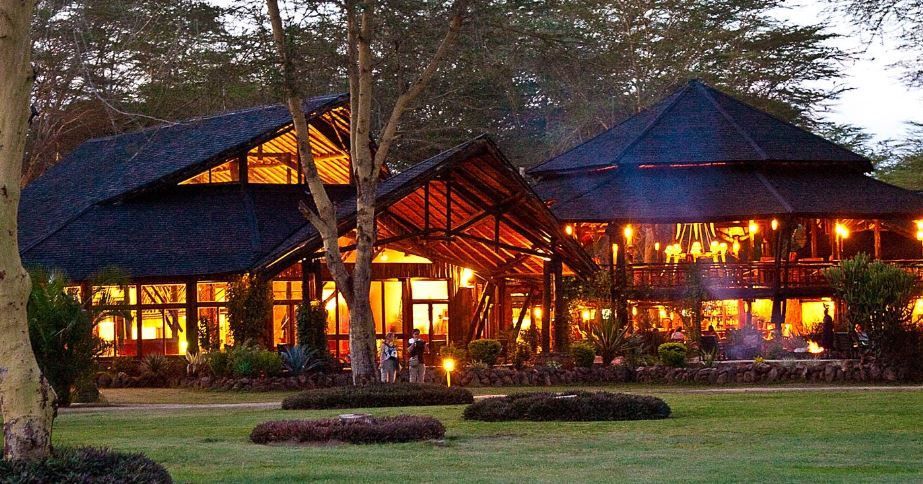
The Amboseli Serena Safari Lodge is located within the Amboseli National Park and has great views over the plains towards Mount Kilimanjaro.
Ol Tukai Lodge
Amboseli National Park
Ol Tukai Lodges features 80 luxury chalet-style twin rooms, all with an uninterrupted view of the wetlands or the magnificent Mt. Kilimanjaro.
We have access to a wide range of handpicked accommodation options — from rustic eco-camps and authentic bush lodges to stylish tented retreats with breathtaking views. If you don’t see the exact lodge or camp you’re looking for, just let us know — we can arrange a variety of stays to suit different tastes, travel styles, and budgets.
Average Weather and Climate in Namib-Naukluft & Sossusvlei
The Namib is one of the driest places on earth, yet its climate is more varied than it first appears.
Dry Season: From May to October, expect mild days (20–25°C), cold nights (5–10°C), and almost no rainfall. The air is crisp, skies are clear, and conditions are perfect for dune climbing and stargazing.
Hot Season: September to November can be very hot, with daytime highs over 30°C. Climbing dunes is best done at sunrise to avoid the heat.
Wet Season: December to April brings rare rains, transforming the desert. Wildflowers bloom briefly, ephemeral rivers flow, and grasses attract wildlife. Temperatures rise (30–40°C), and afternoons may bring dramatic storms.
Unique Features: Fog drifting in from the Atlantic sustains much of the desert’s life, providing vital moisture even when rain is absent. At night, the desert sky is among the clearest on the planet, making this a prime stargazing destination.
Overall, Namib-Naukluft & Sossusvlei offer year-round rewards. Whether you prefer the golden clarity of the dry season or the fleeting magic of the rains, the desert delivers unforgettable experiences.
Combine with Other Destinations
Namib-Naukluft combines beautifully with other Namibian highlights.
To the north lies Etosha National Park, where desert pans give way to wildlife-rich savannahs.
To the west, Swakopmund offers a coastal contrast with adventure sports, culture, and marine encounters.
Further south, the Fish River Canyon provides another geological marvel, while Damaraland adds desert elephants, rock art, and dramatic mountains to the itinerary.
Its central location and accessibility make Namib-Naukluft an ideal anchor for a Namibian journey.
Talk to us about creating a tailor-made itinerary that combines Sossusvlei’s dunes with Namibia’s other natural wonders.
Travelling from the UK to Namib-Naukluft
Travelling to Namib-Naukluft usually begins with an international flight to Windhoek, Namibia. There are no direct flights from London, but easy connections via Johannesburg, Doha, or Addis Ababa make the journey straightforward. Travel times are typically 14–16 hours.
From Windhoek, it’s a scenic 5–6 hour drive to Sossusvlei, with changing landscapes along the way. Alternatively, light aircraft flights to nearby airstrips offer a quicker and breathtaking aerial view of the desert.
UK passport holders do not currently need a visa for stays of up to 90 days in Namibia. Passports should be valid for at least six months beyond travel. Malaria risk is minimal in this region, but Awake in the Wild will provide up-to-date health and travel guidance.
From flights to lodge transfers, Awake in the Wild ensures every detail of your journey is seamless, so you can focus on the beauty of the desert.
Discover the Wild, Your Way: Tailor Your Namib-Naukluft & Sossusvlei Safari with Us
Namib-Naukluft & Sossusvlei is a land of extremes — where the tallest dunes on earth glow at dawn, ancient trees stand frozen in time, and silence stretches endlessly across the desert. It is a place that humbles and inspires, offering a safari experience unlike any other in Africa.
Talk to us about the experiences you’ve always dreamed of. We’ll match you with handpicked lodges, expert local guides, and authentic adventures that bring Namib-Naukluft & Sossusvlei to life.
Speak to one of our safari specialists today — call us or fill out our quick enquiry form, and let’s start planning your tailor-made adventure.
Send an Enquiry
We will get back to you as soon as possible.
Please try again later.
Frequently Asked Questions
When is the best time to visit Sossusvlei?
The dry season, from May to October, offers cooler temperatures, clear skies, and ideal conditions for climbing dunes. The hot season (Sept–Nov) has dramatic light, while the wet season (Dec–Apr) transforms the desert with brief greenery.
Is Namib-Naukluft suitable for first-time safari travellers?
Yes. While wildlife densities are lower than Etosha, the landscapes are among Africa’s most iconic. It’s a great introduction for those who want to combine photography, hiking, and desert exploration with unique wildlife encounters.
What wildlife can I see in Namib-Naukluft?
Expect desert-adapted oryx, springbok, ostrich, and smaller creatures like geckos and chameleons. Predators such as brown hyenas and leopards are present but elusive. Birders can look out for the endemic Dune Lark.
How do I get to Sossusvlei?
Most travellers fly into Windhoek via Johannesburg, Doha, or Addis Ababa. From there, it’s a 5–6 hour scenic drive or a short light aircraft flight to lodges near the dunes.
Can I combine Sossusvlei with other destinations?
Yes. Popular combinations include Etosha National Park, Swakopmund, Damaraland, and the Skeleton Coast. Many itineraries feature Sossusvlei as the central highlight in a broader Namibian journey.
Is it family-friendly?
Yes. Many lodges welcome children and offer shorter nature walks and stargazing. However, dune climbs and long hikes may be more suited to older children.
Is it safe to travel in Namib-Naukluft?
Yes. The park is safe, with well-marked routes and experienced guides. Visitors should be prepared for extreme heat and carry plenty of water when exploring independently.
What accommodation options are available?
You’ll find eco-luxury lodges, tented camps, and boutique retreats — many with sweeping dune views, plunge pools, and open-air dining under desert skies.
How does the climate affect my safari?
The dry season is cool and ideal for hiking, while the wet season brings rare flowers and grasses. Summer heat can be intense (up to 40°C midday), so mornings and evenings are best for activities.
Do UK travellers need a visa?
No. UK passport holders can enter Namibia visa-free for up to 90 days. Passports must be valid for at least six months beyond your travel dates.