Safari Holidays to Lake Malawi National Park
Crystal waters, golden beaches, and vibrant life beneath Africa’s third-largest lake.
Best Time To Go
June to October
(Dry Season)
High Season
July to October and January to February
Size
Approx 392 square kilometres
Altitude
1,180 metres
above sea level
Lake Malawi National Park Safari Holidays
Where the Mountains Meet the Inland Sea
Lake Malawi National Park is a UNESCO World Heritage Site that blends the drama of rugged hills with the serenity of an endless freshwater horizon.
Known locally as the “Lake of Stars,” its shoreline shimmers under the African sun while beneath the surface lies one of the richest arrays of freshwater fish species anywhere in the world.
The park’s warm, clear waters lap golden beaches, dotted with fishing villages where life has changed little in generations. It’s a place where you can relax on the sand one moment, snorkel among colourful cichlids the next, and watch the sunset paint the lake in shades of gold and crimson.
Why Visit Lake Malawi National Park?
Lake Malawi National Park is a haven for nature lovers, water sports enthusiasts, and those seeking tranquillity in an unspoiled setting.
The park protects the southern end of the lake, its rocky islands, and surrounding hills, ensuring the conservation of hundreds of endemic fish species.
On land, trails lead to viewpoints offering sweeping vistas, while the villages along the shore offer a warm welcome and insight into Malawi’s culture.
Whether you want to kayak between islands, hike to panoramic lookouts, or simply unwind in a hammock, Lake Malawi delivers a rare mix of adventure and relaxation.
Wildlife and Nature
The lake’s underwater world is its crown jewel — over 1,000 species of fish, many found nowhere else on Earth. Brightly coloured cichlids dart among the rocks, creating a living kaleidoscope for snorkellers and divers. Above the surface, fish eagles patrol the shoreline, while kingfishers and herons hunt in the shallows.
The surrounding hills are home to baboons, vervet monkeys, and occasional antelope. The park’s islands, such as Mumbo and Domwe, provide nesting grounds for waterbirds and offer secluded escapes for eco-conscious travellers.
Best Time to Visit Lake Malawi
Lake Malawi can be enjoyed year-round, but the experience changes with the seasons:
- May–October: Dry season with clear skies, calm waters, and excellent visibility for snorkelling and diving.
- November–April: Warm and wetter season; the lake remains warm and swimmable, with lush landscapes and dramatic storms over the water.
Safari Experiences in Lake Malawi National Park
Lake Malawi offers a different kind of safari — one focused on water, culture, and relaxation:
- Snorkelling & Scuba Diving: Explore the lake’s famous cichlid colonies in crystal-clear water.
- Kayaking & Canoeing: Paddle along the coast or between islands for a peaceful adventure.
- Hiking Trails: Trek to viewpoints for sweeping views over the lake and islands.
- Island Escapes: Spend a night or two on private islands like Mumbo for total seclusion.
- Cultural Encounters: Visit fishing villages to learn about traditional life and local crafts.
This is safari without the dust — a place to slow down, savour, and soak in the beauty of both land and water.
Where to Stay in Lake Malawi
Accommodation at Lake Malawi ranges from boutique lodges to island eco-retreats:
- Eco-Luxury Island Lodges: Secluded and sustainable, offering water-based activities and stunning views.
- Beachfront Retreats: Relaxed comfort right on the sand, perfect for combining with local culture.
- Rustic Camps: For adventurous travellers wanting a simple, close-to-nature experience.
We have access to a wide range of handpicked accommodation options in Lake Malawi National Park — from rustic eco-camps and authentic bush lodges to stylish tented retreats. If you don’t see the exact lodge or camp you’re looking for, just let us know — we’re able to arrange a variety of stays to suit different tastes, travel styles, and budgets.
A Selection of our Lake Malawi Safari Accommodation
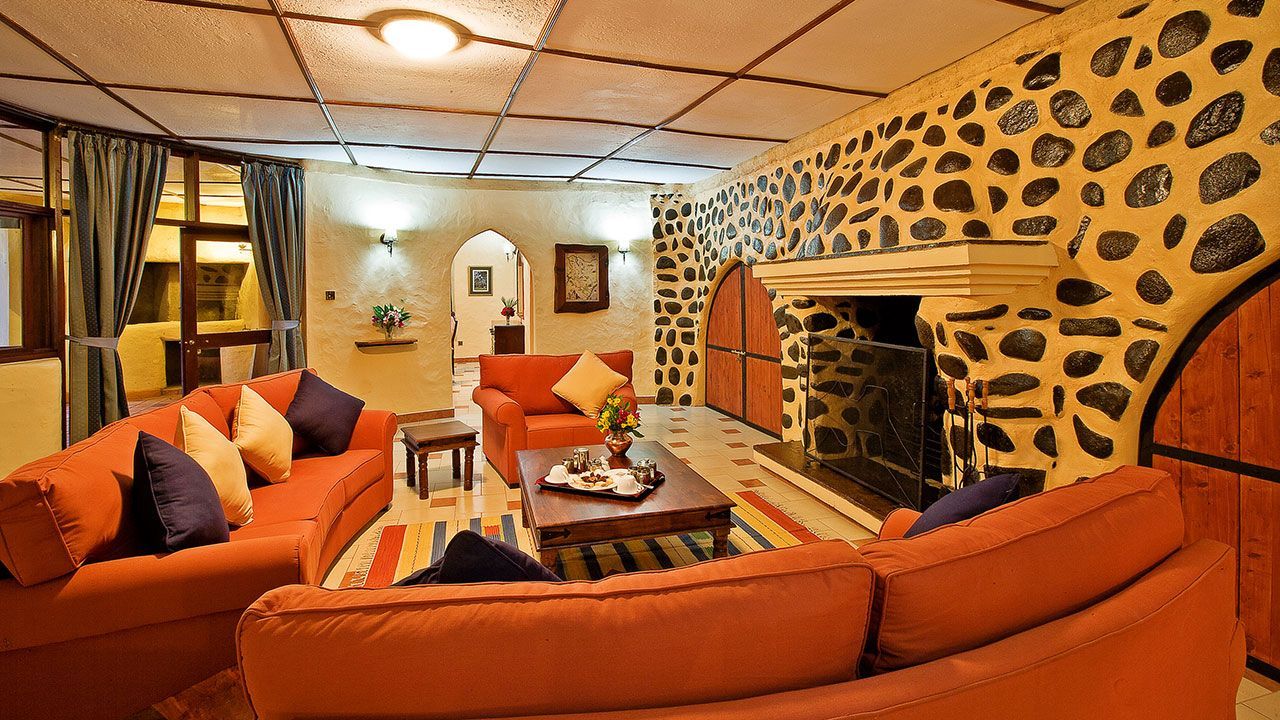
Amboseli Sopa Lodge
Just outside Amboseli National Park
Set in 200 acres of private land, and with a rustic charm all of its own, the Amboseli Sopa Lodge nestles in the foothills of Mount Kilimanjaro
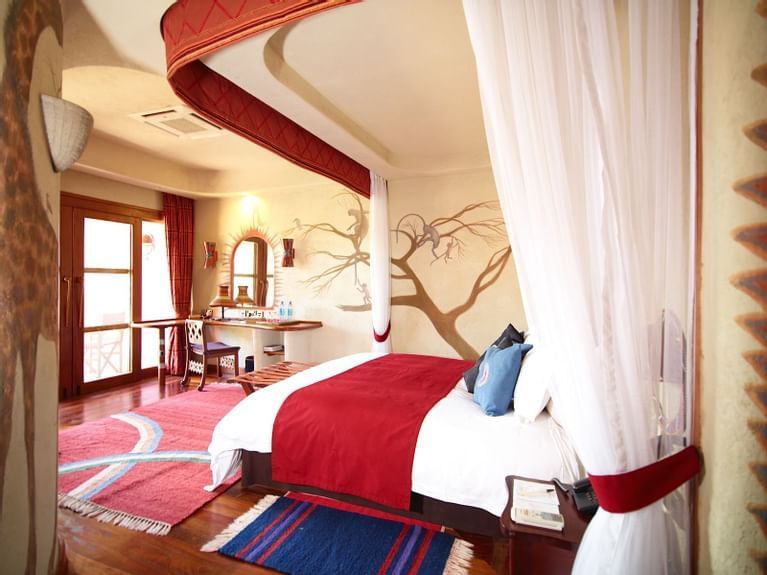
Amboseli Serena Safari Lodge
Amboseli National Park
The Amboseli Serena Safari Lodge is located within the Amboseli National Park and has great views over the plains towards Mount Kilimanjaro.
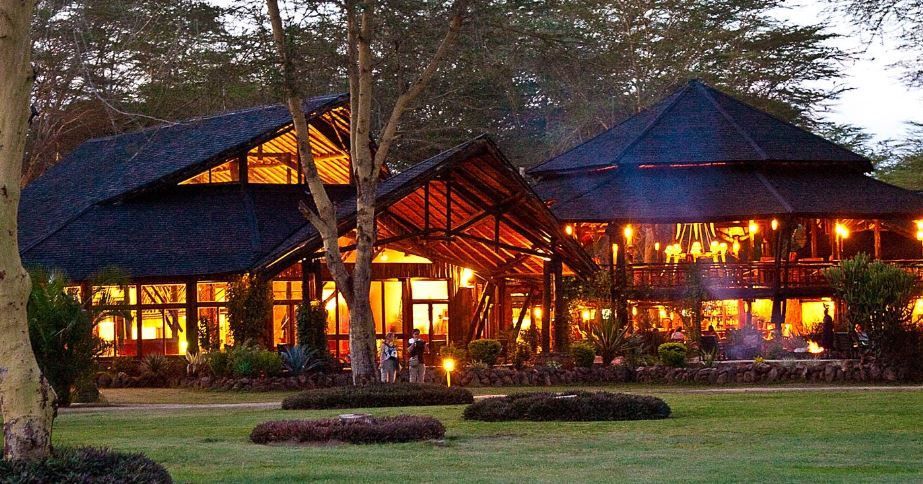
Ol Tukai Lodge
Amboseli National Park
Ol Tukai Lodges features 80 luxury chalet-style twin rooms, all with an uninterrupted view of the wetlands or the magnificent Mt. Kilimanjaro.
We have access to a wide range of handpicked accommodation options — from rustic eco-camps and authentic bush lodges to stylish tented retreats with breathtaking views. If you don’t see the exact lodge or camp you’re looking for, just let us know — we can arrange a variety of stays to suit different tastes, travel styles, and budgets.
Average Weather and Climate in Lake Malawi
- Dry Season (May–October): Daytime temperatures of 20–28°C, cooler nights, and calm lake conditions.
- Wet Season (November–April): Warmer temperatures of 25–32°C, higher humidity, and occasional tropical storms.
Water temperatures stay warm year-round, averaging 23–28°C.
Combine with Other Destinations
Lake Malawi is the perfect complement to Malawi’s inland wildlife parks. Combine it with Liwonde National Park for big game and river safaris, or Majete Wildlife Reserve for a full Big Five experience. For more highland scenery, add the Nyika Plateau, or cross into Zambia for a safari in South Luangwa National Park.
Its location also makes it an ideal ending point for a Malawi safari, offering rest and relaxation after time in the bush. Talk to us about creating a custom itinerary.
Travelling from the UK to Lake Malawi
Flights from the UK to Lilongwe or Blantyre connect via hubs like Nairobi, Addis Ababa, or Johannesburg.
From Lilongwe, it’s around a 4–5 hour scenic drive to the southern shores of Lake Malawi.
We can arrange private transfers, domestic flights, or boat transfers for island stays, ensuring a smooth journey from arrival to lakeside.
Discover the Wild, Your Way: Tailor Your Lake Malawi Safari with Us
Lake Malawi offers a different rhythm — one shaped by gentle waves, vibrant fish, and the laughter of children playing by the shore. It’s a place to explore, to breathe, and to truly unwind.
Talk to us about the experiences you’ve always dreamed of. We’ll match you with handpicked lodges, expert local guides, and authentic adventures that bring Lake Malawi to life.
Speak to one of our safari specialists today — call us or fill out our quick enquiry form, and let’s start planning your tailor-made adventure.
Send an Enquiry
We will get back to you as soon as possible.
Please try again later.
Frequently Asked Questions
Is Lake Malawi National Park safe for swimming?
Yes, the water is warm and clear, though we recommend swimming near lodges where conditions are monitored.
Can I snorkel without experience?
Absolutely — many lodges provide equipment and guides for beginners.
Are there dangerous animals in the lake?
Crocodiles are rare within the park boundaries, and hippos are usually found in sheltered bays away from swimming areas.
Is Lake Malawi good for families?
Yes, with calm swimming areas and activities for all ages.
When is the best time for diving?
May–October offers the clearest water and calmest conditions.
What wildlife can I see on land?
Monkeys, baboons, antelope, and a variety of waterbirds.
Do I need a visa for Malawi?
Yes, UK citizens require a visa, which can be obtained online or on arrival.
How long should I stay?
At least 3–4 nights to enjoy the lake and surrounding area fully.
Is it easy to combine with a safari?
Yes — it’s often added to itineraries including Liwonde, Majete, or Zambia’s South Luangwa.
What is the water temperature?
Warm year-round, averaging 23–28°C.