Nyika National Park Safaris
Rolling Highland Plateaus and Wildflower Meadows in Malawi’s North.
Best Time To Go
May to September
High Season
July to September
Size
Approx 3,200 square kilometres
Altitude
1,800–2,500 metres
above sea level
Nyika National Park Safari Holidays
Where the Sky Meets the Grasslands
High in Malawi’s remote northern highlands, Nyika National Park is a landscape unlike any other in Africa. Its rolling grass-covered hills stretch endlessly into the distance, dotted with pockets of evergreen forest and cut by crystal-clear streams. Here, the air is cool and crisp, carrying the scent of wild herbs and damp earth. In summer, the plateau becomes a tapestry of colour as wildflowers bloom in their thousands — a spectacular display that sweeps across the open plains like a living quilt.
There is a sense of freedom in Nyika’s vastness, a quiet that invites you to pause and listen — to the wind sighing through pine groves, the distant call of a Denham’s bustard, or the splash of a trout in a shaded pool. This is a place for both the adventurous and the contemplative; a park where every path leads to a new horizon, and every horizon feels like the top of the world.
Why Visit Nyika National Park?
Nyika is Malawi’s largest national park and one of Africa’s most unique highland wildernesses. It offers a safari experience far removed from the traditional image of savannah and acacia — instead, you’ll find vast montane grasslands, rolling ridges, and valleys shrouded in mist. It’s a haven for species adapted to cooler climates, including eland, roan antelope, and the rare side-striped jackal.
For nature lovers, Nyika offers more than wildlife alone. The park is home to over 400 bird species, many found only in these high-altitude environments, as well as a dazzling variety of orchids that bloom between December and March. The clear, unpolluted air and high vantage points also make it one of the best places in Africa for stargazing.
Wildlife and Nature
Nyika’s landscapes are a study in contrasts. Expansive grasslands roll away to the horizon, interspersed with forested valleys, sparkling streams, and rocky outcrops.
In the dry months, the grasses glow gold under the sun, while the green flush of the rains transforms the park into a painter’s palette of emeralds, yellows, and purples. Herds of eland — the largest of the antelope — graze alongside roan, reedbuck, and zebra, their silhouettes striking against the open plains.
Predators are more elusive but still present; spotted hyena and leopard roam the plateau, their presence betrayed by tracks in the dust or the echo of a call in the night. Birdlife is extraordinary, with montane species such as the wattled crane, bar-tailed trogon, and red-winged francolin finding sanctuary here.
Seasonal changes bring their own spectacles. In the wet months, the park bursts into bloom, with wildflowers carpeting the hills and rare orchids peeking from shaded glades. During the dry season, the open grasslands make for exceptional game viewing, while the cool climate ensures comfortable conditions for walking, cycling, and horseback safaris.
Best Time to Visit Nyika National Park
Nyika’s cool, high-altitude climate makes it a comfortable destination year-round, but each season offers a distinct experience.
- May – June (Early Dry Season): Clear skies, lush grasslands, and cool temperatures make this a perfect time for walking and cycling safaris. Wildlife is visible but still enjoys plentiful water and grazing.
- July – August (Mid Dry Season): The grass shortens, improving visibility for game drives. Herds of eland and roan gather in greater numbers, and the cooler air makes for refreshing daytime excursions.
- September – October (Late Dry Season): The warmest part of the dry season, with wildlife concentrated around permanent water sources. Exceptional for photography with golden light over the plateau.
- November – December (Early Wet Season): The first rains bring a flush of green and the start of the wildflower season. Birdlife is abundant, with migratory species arriving.
- January – April (Mid Wet Season): Peak wildflower bloom and orchid displays. The landscape is at its most colourful, but access may be trickier due to rain. Excellent for photography and botanical interest.
Safari Experiences in Nyika National Park
Nyika is a park made for exploration, and its variety of activities offers something for every kind of traveller. Guided game drives traverse the plateau, revealing sweeping vistas and wildlife encounters at every turn. Walking safaris allow you to immerse yourself in the park’s subtler wonders — the scent of crushed wild mint underfoot, the shimmer of dew on the grass, or the iridescent flash of a sunbird in the morning light.
The park is also one of the few places in Africa to offer horseback safaris, an unforgettable way to move quietly among herds of antelope and enjoy the wide-open landscapes without the sound of an engine. For keen birders, Nyika is a year-round treasure, and specialist birding tours can be arranged to seek out the park’s rarer species.
Fishing for trout in the park’s cool streams is another unique experience, while night drives reveal the plateau’s nocturnal side — from bush pigs and serval cats to the mysterious calls of owls drifting through the dark.
Where to Stay in Nyika National Park
Nyika’s highland setting offers some of the most atmospheric safari stays in Malawi, with accommodation that makes the most of its cool climate, sweeping views, and unique plateau landscapes. Whether you want fireside comfort, the romance of canvas, or a back-to-nature escape, you’ll find options here that perfectly complement the park’s sense of space and tranquillity.
Plateau Lodges: Perched high on the grasslands with sweeping views, these lodges offer a cosy escape from the cool evenings, with roaring fireplaces, hearty meals, and verandas perfect for watching the sunrise. Interiors often blend stone, timber, and local craftwork for a warm, inviting feel.
Tented Camps: Set in sheltered valleys or overlooking scenic waterholes, tented camps in Nyika combine the romance of canvas with the comforts of modern amenities. Nights here are accompanied by the sounds of the plateau — the rustle of wind through the grass and the distant whoop of hyena.
Rustic Mountain Chalets: For those seeking an even more intimate connection to the park, simple chalets offer a back-to-nature experience. Self-catering options are available, and the highland setting is ideal for travellers looking for solitude and self-paced exploration.
We have access to a wide range of handpicked accommodation options in Nyika National Park — from rustic eco-camps and authentic bush lodges to stylish tented retreats. If you don’t see the exact lodge or camp you’re looking for, just let us know — we’re able to arrange a variety of stays to suit different tastes, travel styles, and budgets.
A Selection of our Nyika National Park Safari Accommodation
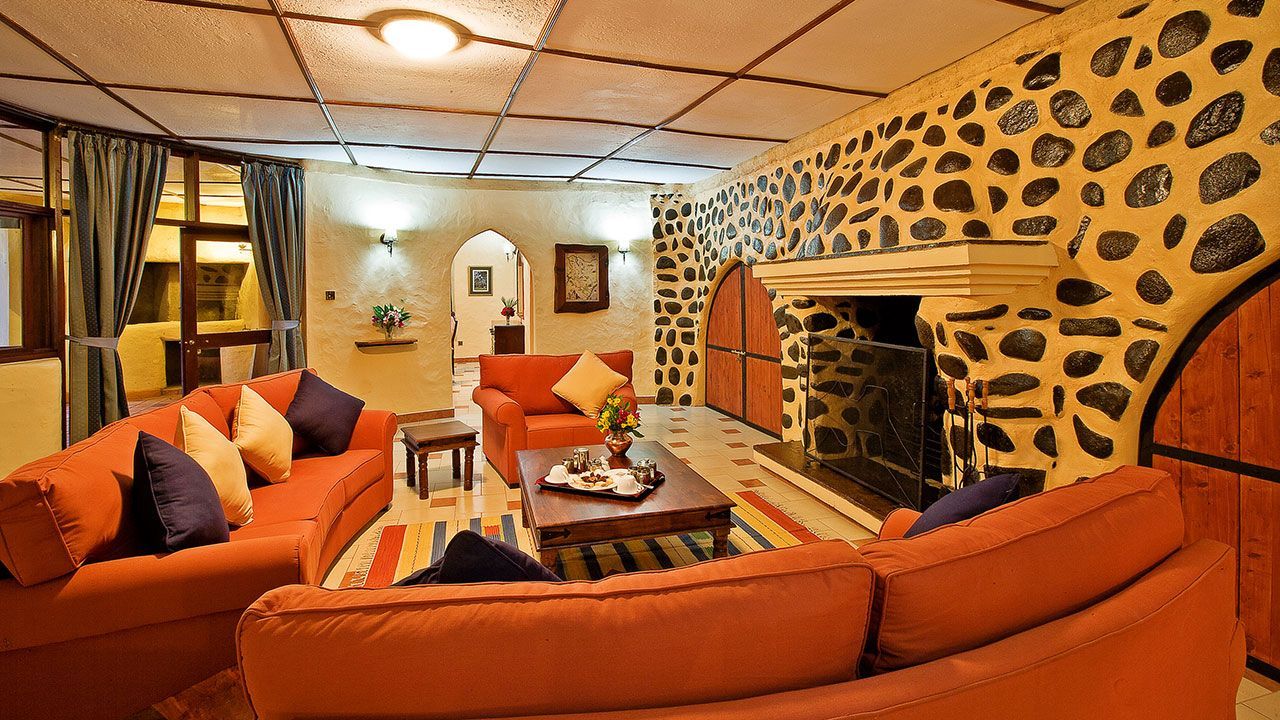
Amboseli Sopa Lodge
Just outside Amboseli National Park
Set in 200 acres of private land, and with a rustic charm all of its own, the Amboseli Sopa Lodge nestles in the foothills of Mount Kilimanjaro
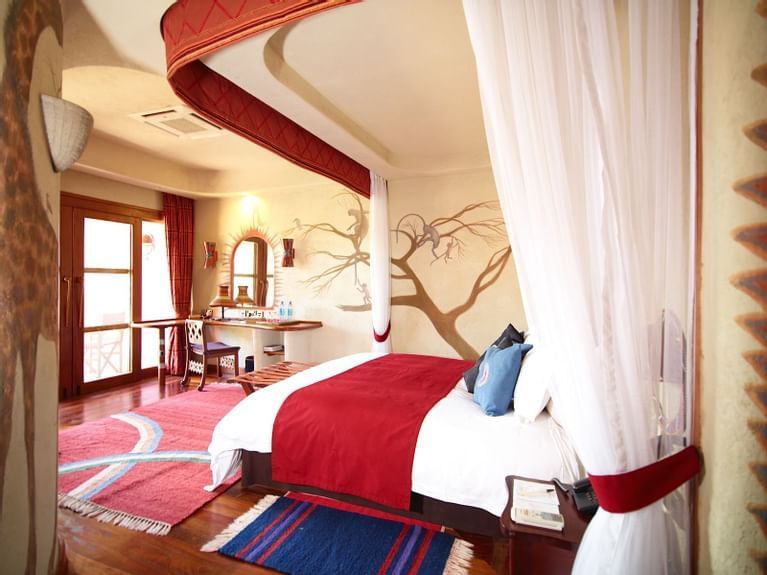
Amboseli Serena Safari Lodge
Amboseli National Park
The Amboseli Serena Safari Lodge is located within the Amboseli National Park and has great views over the plains towards Mount Kilimanjaro.
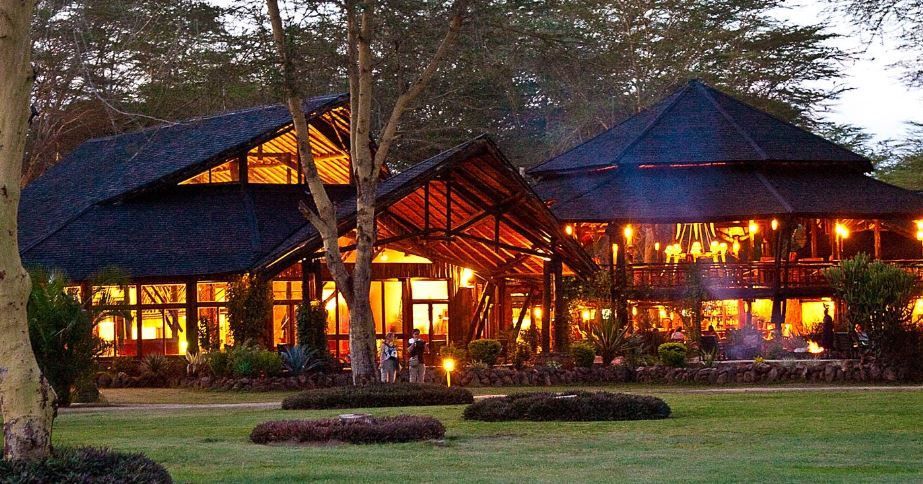
Ol Tukai Lodge
Amboseli National Park
Ol Tukai Lodges features 80 luxury chalet-style twin rooms, all with an uninterrupted view of the wetlands or the magnificent Mt. Kilimanjaro.
We have access to a wide range of handpicked accommodation options — from rustic eco-camps and authentic bush lodges to stylish tented retreats with breathtaking views. If you don’t see the exact lodge or camp you’re looking for, just let us know — we can arrange a variety of stays to suit different tastes, travel styles, and budgets.
Average Weather and Climate in Nyika National Park
Perched high on its rolling plateau, Nyika National Park enjoys a climate unlike most other African safari destinations. The air here is fresh and crisp, often carrying the scent of wildflowers in the summer months and the cool tang of mist in the mornings. Temperatures remain pleasantly mild throughout the year, making it one of Malawi’s most comfortable parks to explore on foot or horseback.
- Dry season (May–October): Expect cool mornings and evenings with warm, sunny days. Skies are clear, and the landscape gradually shifts from lush green to golden grasslands, creating perfect conditions for game drives and walking safaris.
- Wet season (November–April): Mild daytime temperatures and frequent afternoon showers keep the park vibrant and green. This is when wildflowers and orchids bloom in spectacular profusion, and birdlife is at its peak.
Thanks to its elevation, Nyika offers a year-round safari experience with comfortable temperatures, making it just as inviting for adventurous summer treks as it is for cosy fireside evenings in the dry season.
Combine with Other Destinations
Nyika pairs beautifully with the lakeshore beauty of Lake Malawi National Park, offering a contrast between cool highlands and warm beaches.
It also combines well with Liwonde National Park or Majete Wildlife Reserve for travellers seeking a mix of highland and lowland safari experiences.
Travelling from the UK to Nyika
Flights from the UK arrive into Lilongwe or Mzuzu via Johannesburg, Addis Ababa, or Nairobi.
From Lilongwe, the park is reached by a scenic drive of 7–8 hours, or by a combination of flight and road transfer.
The journey takes you through rural Malawi, with glimpses of village life and changing landscapes.
Discover the Wild, Your Way: Tailor Your Nyika National Park Safari with Us
Nyika’s open skies, rolling grasslands, and unique wildlife encounters make it one of Africa’s most distinctive safari destinations. Its cool climate, rare species, and endless horizons create a safari experience like no other.
Talk to us about the experiences you’ve always dreamed of. We’ll match you with handpicked lodges, expert local guides, and authentic adventures that bring Nyika National Park to life.
Speak to one of our safari specialists today — call us or fill out our quick enquiry form, and let’s start planning your tailor-made adventure.
Send an Enquiry
We will get back to you as soon as possible.
Please try again later.
Frequently Asked Questions
When is the best time to visit Nyika?
July to September for peak game viewing; December to March for wildflowers.
Is Nyika suitable for first-time safari travellers?
Yes — its cool climate and scenic beauty make it ideal for beginners and seasoned safari-goers alike.
What wildlife will I see?
Eland, roan antelope, zebra, leopard, hyena, and over 400 bird species.
Is it accessible for travellers with mobility challenges?
Some lodges have adapted facilities — check with us for the best options.
Can Nyika be combined with other destinations?
Yes — popular combinations include Lake Malawi, Liwonde, and Majete.
Is it family-friendly?
Yes, though younger children may find long drives challenging.
Is it safe to visit?
Yes — guided activities and secure accommodations ensure safety.
What types of accommodation are available?
Plateau lodges, tented camps, and rustic mountain chalets.
How do I get there from the UK?
Fly to Lilongwe or Mzuzu, then travel by road or air transfer.
Do UK travellers need a visa?
Yes — visas can be obtained on arrival or online in advance.