Masoala National Park Safaris
Untamed rainforests, coral-fringed bays, and rare lemurs where Madagascar’s wildest frontier meets the Indian Ocean.
Best Time To Go
September to December (dry, calm seas, best wildlife)
High Season
September – November
Size
Approx 2,300 square kilometres (plus 100 km² of marine parks)
Altitude
0 – 1,322 metres
above sea level
Masoala National Park Safari Holidays
Where Rainforest Meets the Reef
Masoala National Park is Madagascar’s largest protected area — a vast rainforest peninsula where towering canopies tumble into coral-fringed bays. It is a place of unrivalled biodiversity, home to rare wildlife on land and vibrant marine life beneath the waves.
A journey here is an expedition into Madagascar’s wildest frontier, where every step feels like discovery.
Why Visit Masoala National Park?
Located in the remote northeast, Masoala is Madagascar’s crown jewel of conservation. Stretching from highland forests down to pristine beaches, it offers a rare blend of terrestrial and marine ecosystems. Few places on Earth hold such ecological richness within a single destination.
The park is a stronghold for many of Madagascar’s most endangered species. It is the only place where the red-ruffed lemur thrives, alongside the elusive aye-aye and the Madagascar serpent eagle. Offshore, coral reefs and seagrass beds teem with tropical fish, turtles, and humpback whales during their seasonal migrations.
The landscapes are dramatic and varied — dense rainforest, wild rivers, mangroves, and golden beaches backed by jungle. Trails weave through towering trees draped in orchids and lianas, while the sound of waves breaks against hidden coves. This is wilderness in its purest form.
Unlike smaller parks, Masoala demands time and immersion. Its scale and remoteness create a sense of true adventure, rewarding travellers with solitude, exclusivity, and a chance to explore both rainforest and reef in a single journey.
Wildlife and Nature
The air in Masoala is alive with the hum of cicadas, the chatter of parrots, and the distant calls of lemurs. The forest floor is carpeted in ferns and fungi, while shafts of sunlight reveal scarlet fodies and blue couas darting through the canopy.
Lemurs are the park’s stars. Red-ruffed lemurs, with their deep russet fur, leap between trees in noisy groups. The aye-aye, a nocturnal lemur with eerie elongated fingers, emerges at night to tap on wood in search of grubs. White-fronted brown lemurs and sportive lemurs add to the diversity, alongside mouse lemurs scurrying through undergrowth after dark.
Birdlife is equally spectacular. Masoala is the last refuge of the Madagascar serpent eagle, a critically endangered raptor. Other highlights include helmet vangas, Madagascar red owls, and paradise flycatchers flashing long trailing tails in dappled light.
The marine side is just as rich. Three marine parks protect coral reefs, mangroves, and seagrass beds alive with angelfish, parrotfish, and reef sharks. From July to September, humpback whales migrate through Antongil Bay, their haunting songs carrying across the water. Dolphins, turtles, and dugongs are also occasionally seen.
Conservation is at the heart of Masoala. The park is supported by NGOs such as Madagascar National Parks and the Wildlife Conservation Society, which work with local communities to balance preservation with sustainable livelihoods.
By visiting, travellers directly support the survival of this irreplaceable ecosystem.
What makes Masoala unique is the combination of rainforest and reef. Few safari destinations on Earth allow you to spot lemurs in the morning, snorkel with turtles by afternoon, and fall asleep to the sound of waves crashing against rainforest shores.
Best Time to Visit Masoala
Masoala’s climate is tropical, with high rainfall year-round, but there are windows of calmer, drier weather that make visits more comfortable and rewarding.
Dry Season (September to December): This is the best time to visit. Rainfall decreases, trails are easier to walk, and wildlife is active. Lemurs give birth in October, making sightings of mothers with young particularly special. The seas are calmer, making snorkelling and whale-watching more reliable. Temperatures average 24–28°C with high humidity.
Wet Season (January to March): Heavy rains make access difficult, and many lodges close. Trails can flood, and cyclones occasionally affect the coast. While birdlife and amphibians thrive, this is not an ideal time for most travellers.
Transitional Months (April to June): The forest is lush and vibrant after the rains, with waterfalls at their fullest. Wildlife sightings remain rewarding, but seas can still be rough, making marine excursions less predictable.
Seasonal Highlights: Humpback whales arrive in Antongil Bay from July to September, making these months incredible for marine safaris. October to December is prime for lemur sightings, particularly with newborns. Orchids bloom in December, adding bursts of colour to the rainforest.
Photography Tips: Sunrise brings golden light through misty canopies, while afternoons highlight the rainforest against bright blue seas. Underwater photography is best in the calmer months of September–December, when visibility peaks.
Practical Notes: Masoala’s remoteness means access is always an adventure. Visitors should expect humidity, wet trails, and rustic conditions at times, but the rewards are immense. Good walking shoes, lightweight rain gear, and waterproof bags are essentials.
Safari Experiences in Masoala
Masoala offers some of the most diverse and immersive safari experiences in Madagascar, blending rainforest trekking with marine exploration.
- Rainforest Lemur Treks: Guided walks through towering forests reveal red-ruffed lemurs, aye-ayes on night walks, and dazzling birds like vangas. The air is thick with humidity and sound, making each step feel like true exploration.
- Whale-Watching in Antongil Bay: From July to September, humpback whales arrive to calve and breed. Seeing them breach against rainforest backdrops is one of Madagascar’s most powerful wildlife spectacles.
- Snorkelling and Diving Adventures: Masoala’s marine parks protect coral reefs teeming with life. Snorkel among angelfish, turtles, and reef sharks, or dive deeper for encounters with colourful corals and schools of barracuda.
- Kayaking Through Mangroves: Glide silently through mangrove channels, spotting crabs, kingfishers, and herons. The stillness contrasts with the rainforest’s intensity, offering a slower pace and unique perspective.
- Cultural Encounters in Local Villages: Meet communities who live on the edge of the forest, learning about fishing traditions, medicinal plants, and conservation projects. These interactions bring human depth to the Masoala story.
- Beachfront Forest Walks: Few places offer the chance to walk along golden beaches fringed by rainforest. These coastal trails reveal hermit crabs, nesting turtles, and hidden coves ideal for quiet reflection.
Where to Stay in Masoala
Masoala National Park offers a wide range of accommodation options to suit different preferences and budgets, all set within or just outside the park boundaries. These typically include:
- Eco-Luxury Lodges: Scattered along rainforest-fringed beaches, eco-lodges provide spacious bungalows with ocean views. Expect solar power, gourmet Malagasy cuisine, and the luxury of remoteness.
- Tented Camps: For those who want immersion, tented stays bring you closer to the rainforest. Canvas walls allow the sounds of lemurs and waves to merge into a true wilderness soundtrack.
- Boutique Bush Retreats: Smaller, family-run retreats provide intimacy and authenticity, often blending local architecture with sustainable practices. They offer a warm welcome and cultural immersion alongside nature.
At Awake in the Wild, we work only with lodges and camps that meet our ethical and sustainability standards. Whether you’re looking for solar-powered luxury or a simple campfire safari experience, we’ll match you to the perfect base. If you don’t see the exact lodge or camp you’re looking for, just let us know — we’re able to arrange a variety of stays to suit different tastes, travel styles, and budgets.
A Selection of our Masoala Safari Accommodation
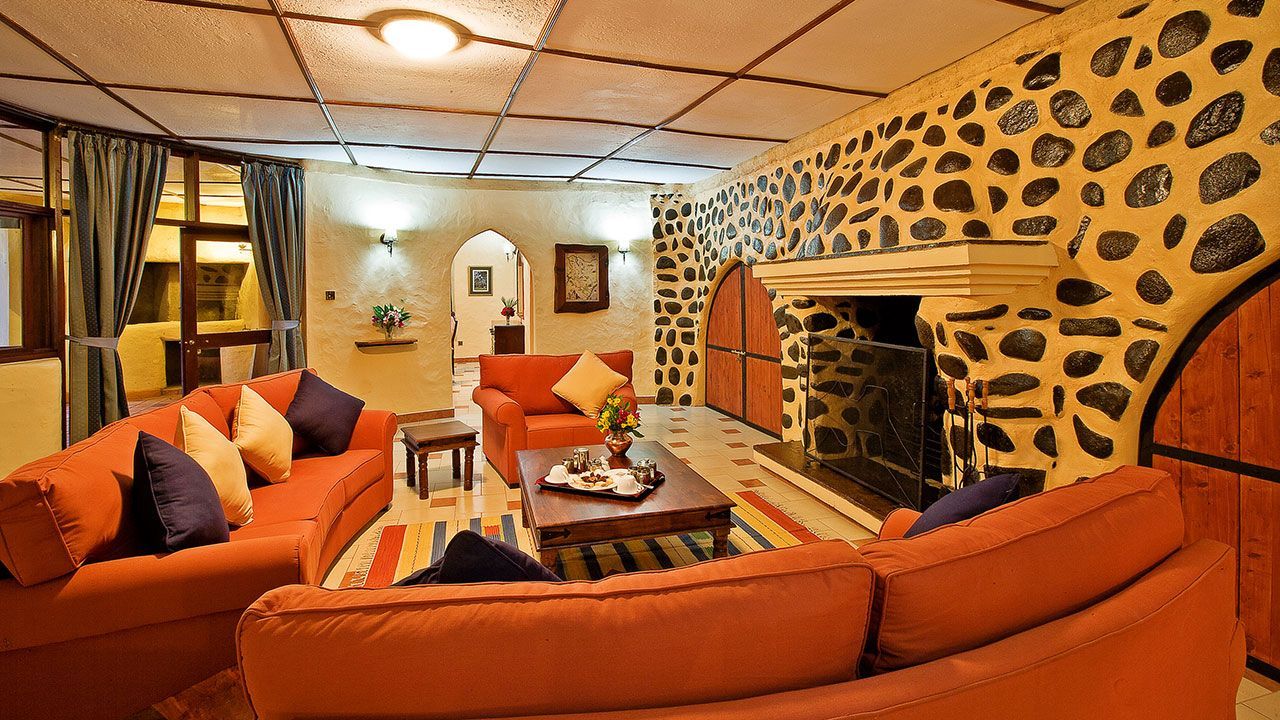
Amboseli Sopa Lodge
Just outside Amboseli National Park
Set in 200 acres of private land, and with a rustic charm all of its own, the Amboseli Sopa Lodge nestles in the foothills of Mount Kilimanjaro
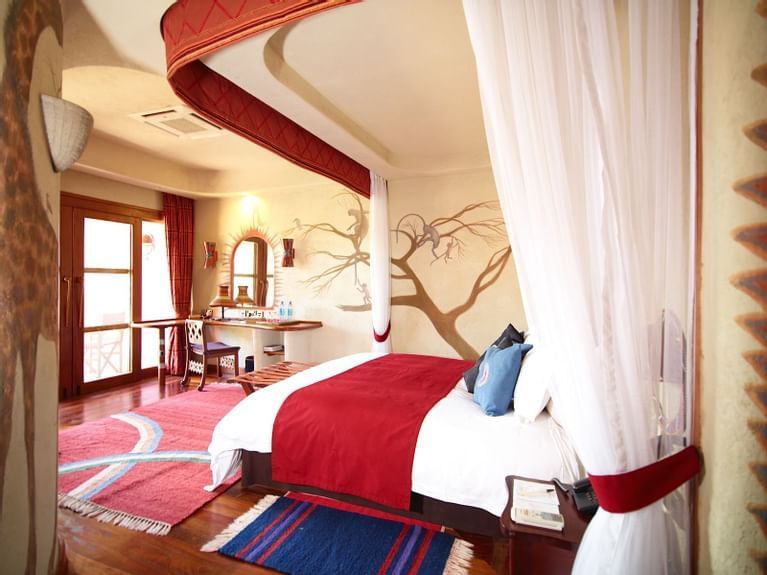
Amboseli Serena Safari Lodge
Amboseli National Park
The Amboseli Serena Safari Lodge is located within the Amboseli National Park and has great views over the plains towards Mount Kilimanjaro.
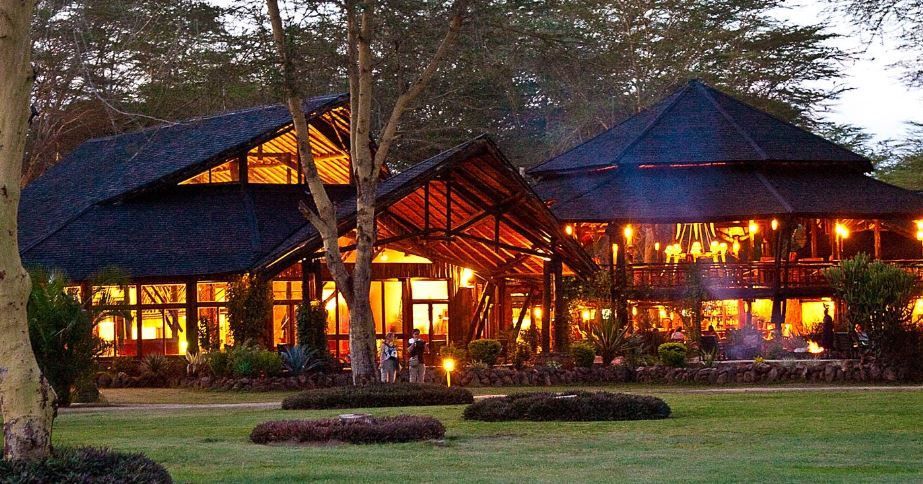
Ol Tukai Lodge
Amboseli National Park
Ol Tukai Lodges features 80 luxury chalet-style twin rooms, all with an uninterrupted view of the wetlands or the magnificent Mt. Kilimanjaro.
We have access to a wide range of handpicked accommodation options — from rustic eco-camps and authentic bush lodges to stylish tented retreats with breathtaking views. If you don’t see the exact lodge or camp you’re looking for, just let us know — we can arrange a variety of stays to suit different tastes, travel styles, and budgets.
Average Weather and Climate in Masoala
Masoala is one of Madagascar’s wettest regions, with a tropical rainforest climate that sustains its incredible biodiversity.
Dry Season (September to December): The best conditions for most travellers. Rainfall decreases, though humidity remains high. Days average 24–28°C, and nights are cooler but never cold. Trails are passable, and seas are calm enough for snorkelling and whale-watching.
Wet Season (January to March): Heavy tropical rains dominate, with occasional cyclones. Trails can become impassable, and many lodges close. Wildlife thrives, but access is difficult.
April to June: The forest is at its greenest and most alive, with waterfalls roaring and birdlife abundant. Seas can remain rough, limiting marine excursions, but land-based safaris are rich and rewarding.
The interplay of rainforest and reef makes weather part of the adventure. Mist hangs in the trees, rain nourishes orchids, and the ocean changes colour with the skies. Visitors should expect some rain in any season — but also unforgettable encounters shaped by this raw, elemental climate.
Combine with Other Destinations
Masoala combines beautifully with Nosy Mangabe, a small offshore island known for black-and-white ruffed lemurs, aye-ayes, and historic pirate legends. Together they create a rewarding rainforest and island contrast.
It can also be paired with Andasibe-Mantadia National Park, offering a different rainforest experience with indri lemurs and easier access. For a coastal finale, Nosy Be or Île Sainte-Marie provide idyllic beaches to relax after rainforest adventures.
Though remote, Masoala is well worth the effort. It serves as a fitting climax or starting point for a Madagascar safari loop, showcasing both land and sea in one of the planet’s great wildernesses.
Speak to us about designing an itinerary that brings these destinations together seamlessly.
Travelling from the UK to Masoala
Travellers from the UK fly into Antananarivo via Paris, Addis Ababa, or Nairobi (journey around 14–16 hours). From there, domestic flights connect to Maroantsetra, the gateway to Masoala.
From Maroantsetra, access is usually by boat (2–3 hours across Antongil Bay) or occasionally by charter flight to remote lodges. The journey itself is part of the adventure, with sweeping rainforest views and coastal vistas along the way.
UK visitors require a visa for Madagascar, obtainable on arrival or online. Passports must be valid for six months beyond entry. Malaria precautions and recommended vaccinations apply, and Awake in the Wild provides personalised health guidance.
We manage all travel logistics — from flights to transfers and guiding — so you can focus on the thrill of discovery rather than the complexity of getting there.
Discover the Wild, Your Way: Tailor Your Masoala Safari with Us
Masoala is Madagascar at its most dramatic — red-ruffed lemurs in the trees, humpback whales in the bay, and golden beaches where rainforest meets reef. It is wild, untamed, and unforgettable.
Talk to us about the experiences you’ve always dreamed of. We’ll match you with handpicked lodges, expert local guides, and authentic adventures that bring Masoala National Park to life.
Speak to one of our safari specialists today — call us or fill out our quick enquiry form, and let’s start planning your tailor-made adventure.
Send an Enquiry
We will get back to you as soon as possible.
Please try again later.
Frequently Asked Questions
What is the best time to visit Masoala National Park?
The best time is September to December, when the rainforest is drier, trails are easier to navigate, and seas are calmer for snorkelling and whale-watching. July–September is also excellent for humpback whale sightings in Antongil Bay.
Is Masoala suitable for first-time visitors to Madagascar?
Yes, though it’s more remote than parks like Andasibe. For adventurous travellers, it’s a once-in-a-lifetime introduction to Madagascar’s rainforests and marine life, offering a true expedition feel.
What wildlife is Masoala famous for?
It’s the only stronghold of the red-ruffed lemur and a key refuge for the aye-aye. You may also spot white-fronted brown lemurs, Madagascar serpent eagles, helmet vangas, and, in the sea, turtles, dolphins, and humpback whales.
How physically demanding is a safari here?
Most safaris involve guided forest walks, which can be humid and muddy, plus optional snorkelling or kayaking excursions. A reasonable level of fitness is recommended, but experiences can be tailored to your pace.
Can Masoala be combined with other destinations?
Yes. Popular combinations include Nosy Mangabe (for aye-aye and pirate history), Andasibe-Mantadia (for indri lemurs), and beach escapes in Nosy Be or Île Sainte-Marie.
Is Masoala family-friendly?
It can be, especially for older children interested in wildlife and nature. The remoteness may be challenging for younger families, but lemur sightings, whale-watching, and snorkelling are magical for children.
Is it safe to visit Masoala?
Yes, with experienced guides and lodge support. Trails can be slippery in the wet season, but risks are minimal with proper preparation. Marine activities are conducted with professional safety standards.
What accommodation is available in Masoala?
Eco-lodges and boutique retreats are the main options, often set on remote beaches or forest edges. Most are small, sustainably run, and blend comfort with immersion in nature.
How do I get to Masoala from the UK?
Flights connect London to Antananarivo via Paris, Addis Ababa, or Nairobi. From the capital, a domestic flight to Maroantsetra followed by a 2–3 hour boat transfer takes you into the park. Awake in the Wild arranges all logistics.
Do UK visitors need a visa for Madagascar?
Yes. UK passport holders require a visa, available online or on arrival at Antananarivo. Passports must be valid for six months beyond entry. Awake in the Wild provides up-to-date entry and health guidance.