Banhine National Park Safaris
Vast Seasonal Wetlands and Remote Savannah in Southern Mozambique.
Best Time To Go
May to October
High Season
July to October
Size
Approx 7,000 square kilometres
Altitude
200-500 metres
above sea level
Safari Holidays in Banhine National Park
A Land of Pans, Plains, and Quiet Horizons
Banhine National Park is a place of shifting horizons, where the seasons paint two very different faces across its sprawling landscape. In the dry months, a golden sea of grass stretches unbroken to the horizon, dotted with the silhouettes of antelope and the occasional lone tree bending in the wind. When the rains arrive, the heart of the park transforms into a shimmering mosaic of seasonal pans and floodplains, reflecting the sky and teeming with life.
There’s a profound stillness here — a remoteness that makes every sighting feel like a private moment shared only with the wild. The air carries the scent of sun-warmed grass and damp earth, mingling with the faint cries of waterbirds carried across the plains. Banhine’s beauty lies in its quiet, understated drama — it is a place to witness nature’s cycles and to feel the slow, timeless pulse of Africa.
Why Visit Banhine National Park?
Banhine is a sanctuary for the rare and the resilient. Its wetlands are an important stopover for migratory birds, making it a dream for dedicated birdwatchers. Sable and reedbuck graze the open plains, while ostrich stride across the savannah with effortless grace. It’s a park for travellers who crave solitude and authenticity — far from the crowds, where encounters are measured in quality, not quantity.
As part of the Great Limpopo Transfrontier Conservation Area, Banhine plays a key role in linking vast wilderness regions across Mozambique, South Africa, and Zimbabwe. A visit here supports ongoing conservation efforts, from habitat restoration to anti-poaching patrols that protect its rare and endangered species.
Wildlife and Nature
Banhine’s landscape is defined by its seasonal extremes. In the wet season, shallow pans swell with rainwater, creating a rich wetland ecosystem that draws thousands of waterbirds — flamingos, pelicans, storks, and herons form living patterns across the water. The air hums with insect life, and the grasslands become alive with wildflowers and fresh grazing for antelope.
During the dry season, the pans recede, revealing cracked earth and open expanses. This is when large herbivores become more visible, venturing to the remaining water sources. Sable and reedbuck are common sights, while eland, duiker, and oribi browse quietly at the edges of the bush. Birdlife remains exceptional year-round, with species like the wattled crane and crowned crane adding elegance to the landscape.
Predators are elusive but present — spotted hyena leave their tracks in the dust, and the occasional cheetah has been sighted patrolling the plains. Even without a dense predator population, Banhine’s ecological richness offers a unique and peaceful wildlife experience, particularly for those who delight in the interplay between land, water, and sky.
Best Time to Visit Banhine National Park
Banhine offers something unique in every season, but your experience will be shaped by its dramatic environmental changes.
- May – June (Early Dry Season): The rains have ended, leaving behind green grasslands and scattered waterholes. Wildlife is still dispersed, but the scenery is fresh and vibrant, and birdlife remains abundant.
- July – August (Mid Dry Season): Cooler mornings and warm, sunny days make for comfortable game drives. Vegetation begins to thin, and wildlife sightings become more frequent around permanent water sources.
- September – October (Late Dry Season/Peak Game Viewing): The driest time of year concentrates animals at the remaining pans. This is the best period for larger mammal sightings, though temperatures rise in the afternoons.
- November – December (Early Wet Season): The first rains breathe life back into the land. Migratory birds arrive in vast numbers, and wildflowers begin to bloom.
- January – April (Mid Wet Season): The wetlands are at their fullest, creating spectacular birding opportunities. The landscape is lush and green, though some areas may be inaccessible due to flooding.
Safari Experiences in Banhine National Park
Guided Game Drives take you across the park’s varied habitats, from the open pans to the denser bushlands on its fringes. The vastness means you can drive for hours without encountering another vehicle, creating a feeling of true wilderness exploration.
Birdwatching Safaris are a highlight in Banhine, particularly in the wet season. Specialist guides can help you spot both common and rare species, from vibrant bee-eaters to the impressive martial eagle.
For a slower pace, Walking Safaris offer an intimate look at the park’s smaller wonders — the tracks of an antelope imprinted in damp soil, a cluster of wildflowers emerging after the rains, or the intricate nests of weaver birds swaying in the breeze.
Cultural visits to nearby communities can also be arranged, providing insight into the traditions and livelihoods of those who live alongside the park’s boundaries.
Where to Stay in Banhine National Park
Banhine’s accommodation options are limited but perfectly in keeping with its remote and wild nature, offering a rare sense of exclusivity.
Community-Run Lodges: Stay in simple but comfortable lodges operated by local communities, where your visit directly supports conservation and livelihoods. Expect warm hospitality, hearty meals, and the chance to learn about the region’s culture.
Basic Safari Camps: These offer a rustic but immersive experience, with canvas tents or reed chalets that bring you close to the sounds and scents of the bush. Nights are often accompanied by the distant calls of nocturnal wildlife.
Self-Sufficient Camping: For experienced safari-goers, designated camping areas allow you to sleep under vast, starlit skies with little more than the whisper of the wind for company. This is as close to nature as it gets.
We have access to a wide range of handpicked accommodation options in Banhine National Park — from rustic eco-camps and authentic bush lodges to stylish tented retreats. If you don’t see the exact lodge or camp you’re looking for, just let us know — we’re able to arrange a variety of stays to suit different tastes, travel styles, and budgets.
A Selection of our Banhine National Park Safari Accommodation
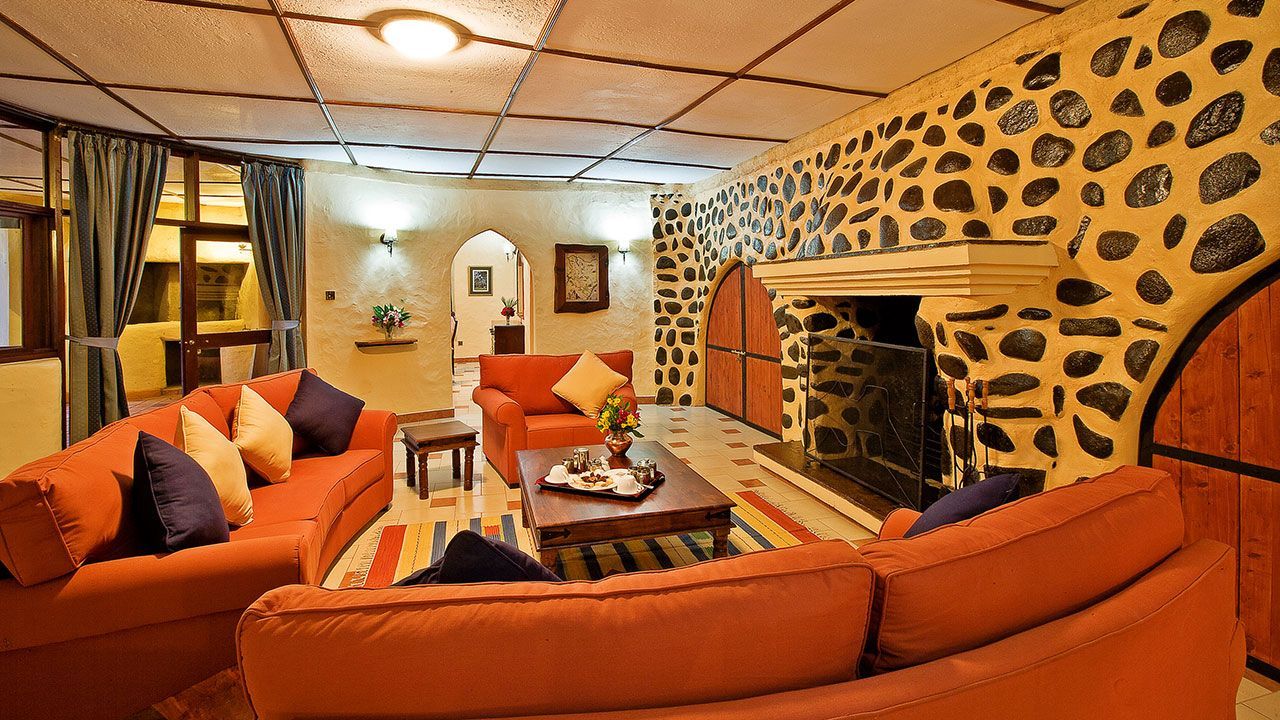
Amboseli Sopa Lodge
Just outside Amboseli National Park
Set in 200 acres of private land, and with a rustic charm all of its own, the Amboseli Sopa Lodge nestles in the foothills of Mount Kilimanjaro
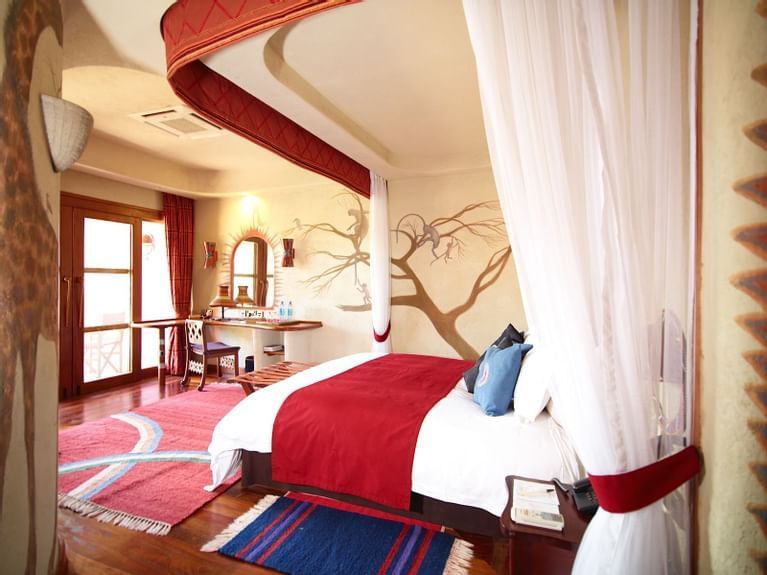
Amboseli Serena Safari Lodge
Amboseli National Park
The Amboseli Serena Safari Lodge is located within the Amboseli National Park and has great views over the plains towards Mount Kilimanjaro.
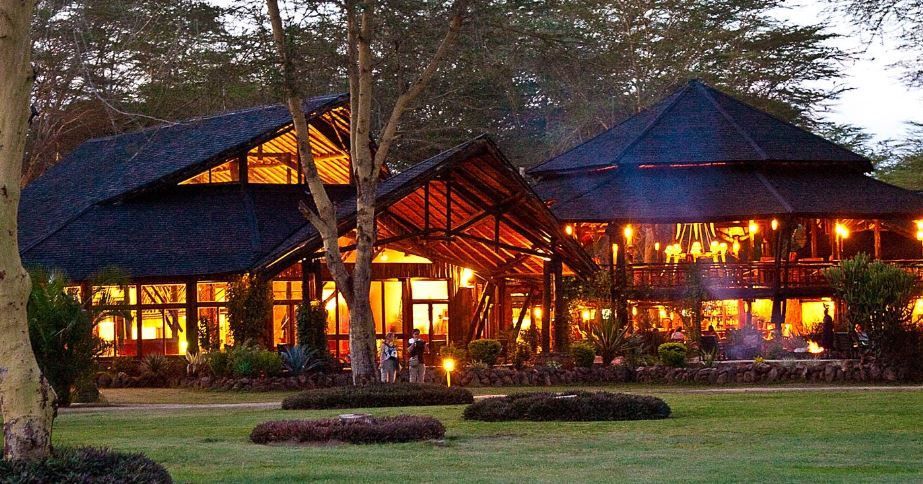
Ol Tukai Lodge
Amboseli National Park
Ol Tukai Lodges features 80 luxury chalet-style twin rooms, all with an uninterrupted view of the wetlands or the magnificent Mt. Kilimanjaro.
We have access to a wide range of handpicked accommodation options — from rustic eco-camps and authentic bush lodges to stylish tented retreats with breathtaking views. If you don’t see the exact lodge or camp you’re looking for, just let us know — we can arrange a variety of stays to suit different tastes, travel styles, and budgets.
Average Weather and Climate in Banhine National Park
Banhine has a warm, semi-arid climate that shifts dramatically between its wet and dry seasons. In the dry months, clear skies dominate, with warm days and cooler nights, particularly in June and July. The air is crisp and dry, making for comfortable safari conditions.
- Dry season (May–October): Little to no rainfall, with daytime temperatures between 20–28°C and cooler nights.
- Wet season (November–April): Daytime temperatures range from 25–35°C, with higher humidity and afternoon thunderstorms bringing the landscape to life.
These seasonal shifts create two very different experiences — a golden, open savannah in the dry months, and a shimmering wetland paradise during the rains.
Combine with Other Destinations
Banhine combines beautifully with Zinave National Park, offering a fascinating contrast between seasonal wetlands and the Save River woodlands. For a complete bush-and-beach itinerary, pair Banhine with the Bazaruto Archipelago, where you can swap game drives for snorkelling among coral reefs.
Its location within the Great Limpopo Transfrontier Conservation Area also makes it a strategic stop on longer overland journeys linking Mozambique with South Africa’s Kruger National Park or Zimbabwe’s Gonarezhou National Park. Talk to us about crafting an itinerary that blends multiple ecosystems and cultures into one unforgettable journey.
Travelling from the UK to Banhine
Fly from the UK to Maputo via Johannesburg or Addis Ababa.
From Maputo, connect to Vilanculos or Inhambane, then travel by 4x4 into the park.
The journey is part of the adventure, taking you through rural Mozambique and into the heart of this remote wilderness.
Discover the Wild, Your Way: Tailor Your Banhine National Park Safari with Us
Banhine is a park for the purist — a place where nature moves at its own pace, and where the absence of crowds allows you to experience true wilderness. Its vast horizons, seasonal transformations, and extraordinary birdlife make it an unforgettable part of any Mozambique safari.
Talk to us about the experiences you’ve always dreamed of. We’ll match you with handpicked lodges, expert local guides, and authentic adventures that bring Banhine National Park to life.
Speak to one of our safari specialists today — call us or fill out our quick enquiry form, and let’s start planning your tailor-made adventure.
Send an Enquiry
We will get back to you as soon as possible.
Please try again later.
Frequently Asked Questions
When is the best time to visit Banhine?
July to October for game viewing; January to April for peak birdlife.
Is Banhine suitable for first-time safari travellers?
Yes, if you’re seeking a remote, authentic experience with fewer crowds.
What wildlife will I see?
Sable, reedbuck, eland, ostrich, flamingos, pelicans, and more.
Is it accessible for travellers with mobility challenges?
Facilities are basic; contact us for the most suitable options.
Can Banhine be combined with other destinations?
Yes — Zinave and Bazaruto Archipelago are ideal combinations.
Is it family-friendly?
Older children with a taste for adventure will enjoy the experience.
Is it safe to visit?
Yes — guided activities and safe camps ensure a secure visit.
What types of accommodation are available?
Community lodges, basic safari camps, and camping areas.
How do I get there from the UK?
Fly to Maputo, connect to Vilanculos or Inhambane, then travel by 4x4.
Do UK travellers need a visa?
Yes — visas can be obtained online or on arrival.