Chobe National Park Safaris
Mighty elephant herds, winding riverfronts, and unforgettable sunsets over Botswana’s great wilderness.
Best Time To Go
May to October (dry season, prime game viewing)
High Season
June to October
Size
Approx 10,700 square kilometres
Altitude
900–1,200 metres
above sea level
Chobe National Park Safari Holidays
Kingdom of Elephants and Endless Waterways
Chobe National Park is one of Africa’s most iconic safari destinations, famed for its immense elephant herds and spectacular Chobe River. This northern Botswana gem blends lush floodplains, sweeping savannah, and tranquil waterways into a landscape alive with wildlife drama.
For travellers seeking variety, abundance, and breathtaking scenery, Chobe is a safari dream.
Why Visit Chobe National Park?
Chobe lies in northern Botswana, bordering Zimbabwe, Zambia, and Namibia, making it one of the most accessible safari destinations in Southern Africa. The park is renowned as the land of giants — it is home to over 120,000 elephants, the largest concentration on the planet. Watching them gather along the riverbanks at sunset is an experience that defines Botswana.
The park’s landscapes are diverse, ranging from the fertile Chobe Riverfront to the dry hinterlands of Savuti and Linyanti. Each area tells a different story: riverfront floodplains teeming with wildlife, the mysterious Savuti Marsh with its shifting waters, and remote woodlands where rare antelope thrive. This variety makes Chobe one of the few places where every game drive feels new and distinctive.
Unique habitats ensure a rich ecosystem. The Chobe River sustains countless species, from buffalo and hippos to crocodiles and birdlife numbering in the hundreds. Inland, grasslands and woodlands are hunting grounds for predators such as lion, leopard, wild dog, and hyena. With its blend of density and diversity, Chobe offers both the excitement of prolific sightings and the space to breathe in its raw beauty.
Unlike many reserves, Chobe is easily combined with cultural and natural wonders. Its location close to Victoria Falls means travellers can balance safari adventure with one of the world’s most famous natural landmarks. It’s a park that caters equally to first-time safari-goers and seasoned wildlife enthusiasts.
Wildlife and Nature
The first impression of Chobe is the river — broad, shimmering, and life-giving. Along its banks, elephants wade into the water, splashing and drinking, while pods of hippos grunt in the shallows and crocodiles bask in the sun. As you drift on a boat safari, you’ll hear the haunting call of African fish eagles, see bee-eaters flash through the reeds, and smell the sweet, earthy scent of river grasses.
Chobe’s wildlife is legendary. Elephants dominate the scene, their sheer numbers creating unforgettable encounters as herds cross the river in synchrony. Buffalo move in vast herds, often numbering in the thousands, drawing predators in their wake.
Lions are a frequent sight, and in Savuti, they have been known to hunt elephants — an extraordinary and rare behaviour that few places on earth can rival. Leopards haunt the woodlands, while packs of wild dogs roam the fringes.
Seasonality adds to the spectacle. In the dry months (May–October), animals converge on the river, creating dense concentrations that guarantee dramatic sightings. During the green season (November–April), the landscape transforms into lush green expanses. Migratory bird species arrive in their thousands, and the Savuti Marsh comes alive with zebra migration, followed by predators in pursuit.
Conservation efforts ensure Chobe remains a thriving sanctuary. Projects monitor elephant populations, protect endangered wild dogs, and maintain balance in this vital ecosystem. For photographers, Chobe is a dream: golden light bathes herds at dusk, storm clouds build over Savuti in the rains, and river reflections turn ordinary wildlife scenes into masterpieces.
Nowhere else offers such a blend of abundance, diversity, and sheer spectacle.
Best Time to Visit Chobe
Chobe offers rewarding safaris year-round, but the experience shifts with the seasons.
Dry Season (May–October): This is the prime safari season. Clear skies, mild temperatures, and low vegetation make for excellent wildlife viewing. Elephants and buffalo gather in massive numbers along the Chobe River, creating some of the most iconic safari scenes in Africa.
This is also peak tourist season, so expect a busier atmosphere along the riverfront.
Green Season (November–April): The rains bring renewal. Grasslands flourish, waterholes fill, and migratory birds arrive. The landscape becomes vibrant and photogenic, with excellent opportunities for dramatic storm-light photography. The zebra migration into the Savuti Marsh peaks during this period, drawing lions and other predators.
While animals are more dispersed, the park feels quieter and more exclusive, with fewer visitors.
Shoulder Months (April and November): These transitional months combine elements of both seasons. November can be hot and humid but teeming with wildlife, while April blends greenery with cooler, comfortable conditions.
Photography Tips: For iconic elephant shots, late afternoons in the dry season along the Chobe River are unbeatable. In the wet season, early mornings offer soft light on green floodplains, while dramatic skies during storms create unforgettable backdrops.
Travel-wise, dry season roads are generally easier, while wet season journeys may require more robust 4x4 logistics. Either way, Awake in the Wild ensures your safari runs seamlessly.
Safari Experiences in Chobe
Chobe is a park that offers variety, immersion, and drama in equal measure. Its landscapes and wildlife ensure that every experience feels fresh, authentic, and unforgettable.
- Riverfront Boat Safaris: There is nothing like drifting along the Chobe River as elephants swim across your bow, buffalo graze the banks, and hippos surface nearby. Sunsets on the river are among the most romantic and memorable experiences in all of Africa.
- Game Drives in Savuti: The Savuti area is legendary for predator action. Lions here have been documented hunting elephants, while cheetahs and wild dogs roam the plains. The shifting Savuti Channel adds mystery to this ever-changing landscape.
- Birding Adventures in the Wetlands: Chobe is a paradise for birders, with over 450 species. From lilac-breasted rollers to soaring raptors, the park brims with colour and sound. The green season amplifies this spectacle with the arrival of migratory species.
- Cultural Encounters in Kasane: The town of Kasane, on the edge of Chobe, offers opportunities to engage with local communities. Markets, craft centres, and cultural performances provide insight into Botswana’s traditions and daily life.
- Zebra Migration in Savuti: During the green season, thousands of zebras sweep into the Savuti Marsh, followed closely by predators. Witnessing this migration is one of Africa’s lesser-known but truly spectacular wildlife events.
- Photographic Safaris on the River:
Specialist photographic boats offer 360-degree swivel seats and low angles for dramatic shots. Whether capturing elephants silhouetted at sunset or close-ups of crocodiles, Chobe is a photographer’s dream.
Where to Stay in Chobe
Chobe National Park offers a range of accommodation to suit different preferences and budgets, all set within or just outside the park boundaries. Options include:
- Eco-luxury lodges – Lavish riverfront lodges with panoramic decks, private plunge pools, and fine dining, combining sustainability with indulgence.
- Tented camps – Classic safari charm under canvas, blending intimacy with modern comforts like ensuite bathrooms and attentive hosting.
- Boutique bush retreats – Intimate hideaways offering personalised service and authentic character, often set in secluded wilderness settings.
At Awake in the Wild, we work only with lodges and camps that meet our ethical and sustainability standards. Whether you’re looking for solar-powered luxury or a simple campfire safari experience, we’ll match you to the perfect base. If you don’t see the exact lodge or camp you’re looking for, just let us know — we’re able to arrange a variety of stays to suit different tastes, travel styles, and budgets.
A Selection of our Chobe Safari Accommodation
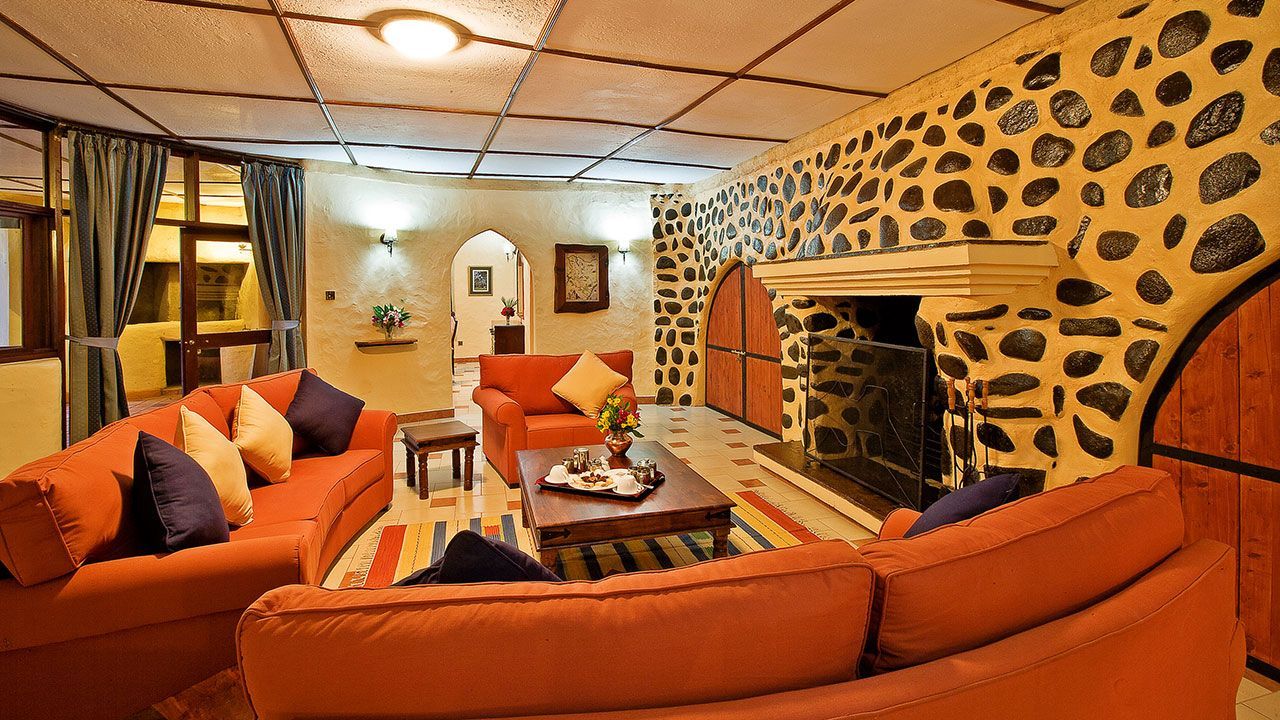
Amboseli Sopa Lodge
Just outside Amboseli National Park
Set in 200 acres of private land, and with a rustic charm all of its own, the Amboseli Sopa Lodge nestles in the foothills of Mount Kilimanjaro
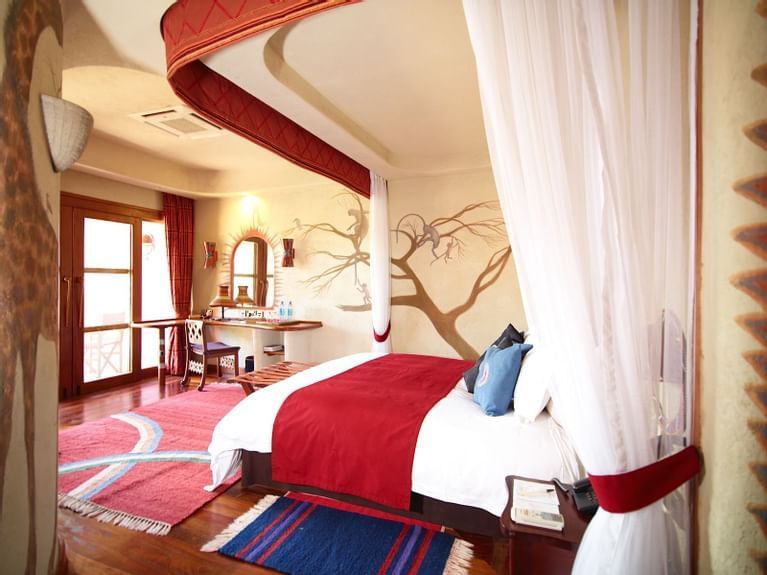
Amboseli Serena Safari Lodge
Amboseli National Park
The Amboseli Serena Safari Lodge is located within the Amboseli National Park and has great views over the plains towards Mount Kilimanjaro.
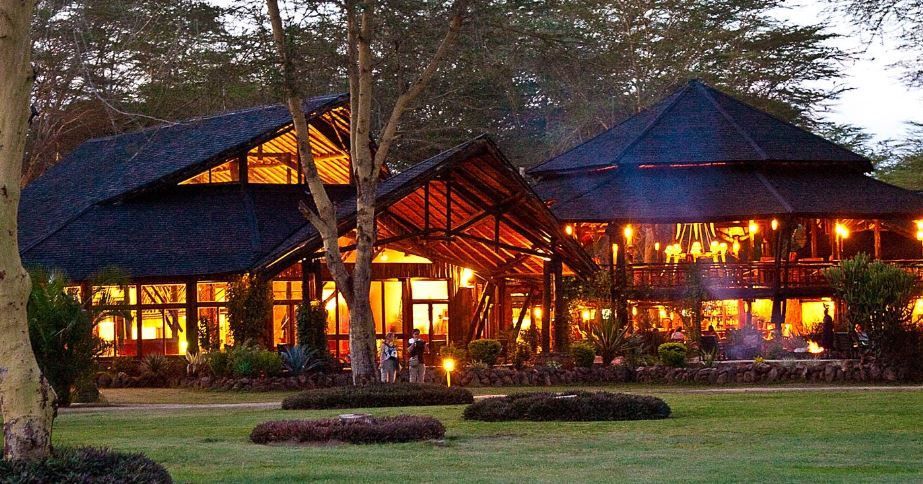
Ol Tukai Lodge
Amboseli National Park
Ol Tukai Lodges features 80 luxury chalet-style twin rooms, all with an uninterrupted view of the wetlands or the magnificent Mt. Kilimanjaro.
We have access to a wide range of handpicked accommodation options — from rustic eco-camps and authentic bush lodges to stylish tented retreats with breathtaking views. If you don’t see the exact lodge or camp you’re looking for, just let us know — we can arrange a variety of stays to suit different tastes, travel styles, and budgets.
Average Weather and Climate in Chobe
Chobe enjoys a subtropical climate with distinct dry and wet seasons.
From May to October, the dry season dominates. Days are warm and pleasant, nights cool, and skies clear. Vegetation thins out, making wildlife easier to spot as animals cluster around the river. This is the most comfortable season for travellers.
November to April brings the rains. Short but intense downpours transform the landscape into a lush paradise, rich in birdlife and young animals. Humidity rises, and temperatures climb, but the reward is vivid greenery and fewer tourists.
October is typically the hottest month, with temperatures often exceeding 35°C. While challenging, it creates dramatic wildlife spectacles as thirsty animals gather along the river.
No matter the season, Chobe remains photogenic and rewarding, offering a safari tailored to your appetite for adventure and atmosphere.
Combine with Other Destinations
Chobe’s location makes it one of the best parks to combine with other highlights in Southern Africa. Just an hour’s drive from Victoria Falls, it’s easy to add a visit to one of the world’s greatest natural wonders.
Pairing Chobe with the Okavango Delta creates a perfect contrast — riverfront drama here, tranquil mokoro channels there. For those with time, adding Moremi Game Reserve or the Makgadikgadi Pans offers even more diversity.
Chobe is also a gateway to regional exploration. Its proximity to Zimbabwe, Zambia, and Namibia makes it a natural part of cross-border itineraries. Talk to us about creating a custom journey that links Chobe to Africa’s most remarkable landscapes.
Travelling from the UK to Chobe
Travelling from the UK usually involves an overnight flight to Johannesburg, followed by a short onward flight to Kasane or Victoria Falls.
From there, transfers by road or river bring you directly into Chobe.
The total journey typically takes 15–18 hours.
Awake in the Wild ensures every step, from international flights to lodge transfers, is seamlessly arranged.
Discover the Wild, Your Way: Tailor Your Chobe Safari with Us
Chobe National Park is a place of abundance and drama — where elephants gather in their thousands, predators stalk floodplains, and sunsets paint the river in fire. It’s a safari that combines spectacle with serenity, offering unforgettable encounters on land and water.
Talk to us about the experiences you’ve always dreamed of. We’ll match you with handpicked lodges, expert local guides, and authentic adventures that bring Chobe National Park to life.
Speak to one of our safari specialists today — call us or fill out our quick enquiry form, and let’s start planning your tailor-made adventure.
Send an Enquiry
We will get back to you as soon as possible.
Please try again later.
Frequently Asked Questions
What is Chobe National Park famous for?
Chobe is world-renowned for its huge elephant population — the largest concentration of elephants on the planet. It’s also famous for its boat safaris along the Chobe River and predator action in Savuti.
When is the best time to visit Chobe National Park?
The dry season (May–October) is best for dense wildlife sightings along the river, while the green season (November–April) brings lush landscapes, migratory birds, and the zebra migration in Savuti.
Is Chobe National Park good for first-time safari travellers?
Absolutely. Chobe offers some of the easiest and most rewarding game viewing in Africa, particularly along the riverfront. Its proximity to Victoria Falls makes it a perfect introduction to safari.
What animals can I see in Chobe?
Expect to see elephants in large numbers, as well as buffalo, hippos, crocodiles, lions, leopards, and wild dogs. The Savuti region is especially known for predator drama, while birders will delight in over 450 species.
How do you get to Chobe National Park?
Most travellers fly into Kasane or Victoria Falls after an international flight to Johannesburg. Road and river transfers connect easily into the park, and Awake in the Wild arranges all logistics.
Can I combine Chobe with other destinations?
Yes — it’s ideally located for combining with the Okavango Delta, Moremi Game Reserve, Makgadikgadi Pans, and Victoria Falls. It also works well as part of a cross-border safari circuit.
Is Chobe suitable for families?
Yes, many lodges and camps cater to families with children. Boat safaris in particular are great for younger travellers, while older children will love the excitement of game drives.
Is it safe to travel to Chobe?
Yes. Botswana is one of Africa’s safest safari destinations, and lodges follow strict safety protocols. All activities are guided by experienced professionals who ensure your well-being in the wild.
What types of accommodation are available in Chobe?
Accommodation ranges from luxury riverfront lodges with every comfort to classic tented camps and intimate boutique retreats. Awake in the Wild partners only with properties that meet high ethical and sustainability standards.
Do UK travellers need a visa for Botswana?
No. UK passport holders can visit Botswana for up to 90 days without a visa. Your passport must be valid for at least six months beyond your trip. Awake in the Wild can provide up-to-date travel advice before you depart.