Samburu National Reserve Safaris
Golden savannah, rare wildlife, and the untamed heart of northern Kenya.
Best Time To Go
June–October and December–March
High Season
July–October and December–March
Size
Approx 165 square kilometres
Altitude
800 - 1230 metres
above sea level
Safari Holidays to Samburu National Reserve
Land of the Samburu Special Five
Samburu National Reserve is where Kenya’s wild spirit runs free under vast skies. Situated along the banks of the Ewaso Ng’iro River, its rugged semi-arid landscapes are alive with an incredible mix of rare species found only in northern Kenya. Here, acacia-dotted plains give way to rocky outcrops and palm-fringed riverbanks where elephants gather to drink.
This is the home of the Samburu people, whose vibrant traditions and deep connection to the land add cultural richness to every visit.
In Samburu, you’ll find wildlife you won’t see in the southern parks, dramatic scenery that glows in the setting sun, and an atmosphere of raw, untamed beauty.
Why Visit Samburu National Reserve?
Samburu offers a safari experience unlike anywhere else in Kenya. Its drier climate and unique geography mean it’s home to the “Samburu Special Five” — Grevy’s zebra, reticulated giraffe, Somali ostrich, gerenuk, and beisa oryx — species not found together in the south.
The park’s small size makes wildlife encounters intimate and rewarding, while the Ewaso Ng’iro River draws elephants, lions, and leopards to its life-giving waters.
Samburu’s remoteness means fewer crowds, giving you a sense of exclusivity and connection with the land.
Add in the chance to visit local Samburu communities and learn about their pastoralist traditions, and you have a safari destination that’s as much about people as it is about wildlife.
Wildlife and Nature
Samburu is a haven for rare and dryland-adapted wildlife. The iconic Samburu Special Five headline every game drive — the elegant reticulated giraffe, stripy Grevy’s zebra, blue-skinned Somali ostrich, long-necked gerenuk standing on hind legs to feed, and sturdy beisa oryx. The reserve is also home to elephants, buffalo, cheetahs, lions, and leopards, along with over 450 bird species, from the vivid vulturine guineafowl to the martial eagle.
The landscapes are equally captivating: riverine forests of doum palms, rugged volcanic hills, and open savannah dotted with termite mounds. This blend of unique wildlife and striking scenery makes Samburu a photographer’s paradise and a naturalist’s dream.
Best Time to Visit Samburu
Samburu can be enjoyed year-round, but seasonal changes affect both the scenery and wildlife movements:
- June–October: The long dry season concentrates wildlife at the river, offering exceptional sightings and golden landscapes.
- November: Short rains bring a burst of green, making for stunning photography and active birdlife.
- December–March: Another dry window with warm temperatures and fantastic wildlife viewing.
- April–May: Long rains can make some tracks challenging, but the reserve is lush and peaceful, with fewer visitors.
Safari Experiences in Samburu
Samburu offers an adventurous and immersive safari:
- Game Drives Along the River: Follow the Ewaso Ng’iro’s winding course for prime sightings of elephants, lions, and leopards.
- Spot the Samburu Special Five: Seek out rare species with the help of expert guides who know their behaviours and habitats.
- Guided Nature Walks: Explore the smaller details — from medicinal plants to the tracks of elusive animals.
- Cultural Visits: Spend time in a Samburu manyatta (village) to learn about traditions, beadwork, and pastoral life.
- Golden Hour Photography: Capture the reserve’s warm light and dramatic backdrops at sunrise and sunset.
Every safari here feels personal — you’re not just spotting wildlife, you’re part of the rhythm of this remote and beautiful land.
Where to Stay in Samburu
Samburu’s accommodation options are as unique as the reserve itself:
- Luxury Tented Camps: Riverside locations with elegant furnishings, fine dining, and exceptional guiding.
- Mid-Range Lodges: Comfortable stays with great access to game drive areas and community-led experiences.
- Eco-Camps: Intimate, sustainable retreats that blend into the landscape and support conservation efforts.
We have access to a wide range of handpicked accommodation options in Samburu National Reserve — from rustic eco-camps and authentic bush lodges to stylish tented retreats. If you don’t see the exact lodge or camp you’re looking for, just let us know — we’re able to arrange a variety of stays to suit different tastes, travel styles, and budgets.
A Selection of our Samburu Safari Accommodation
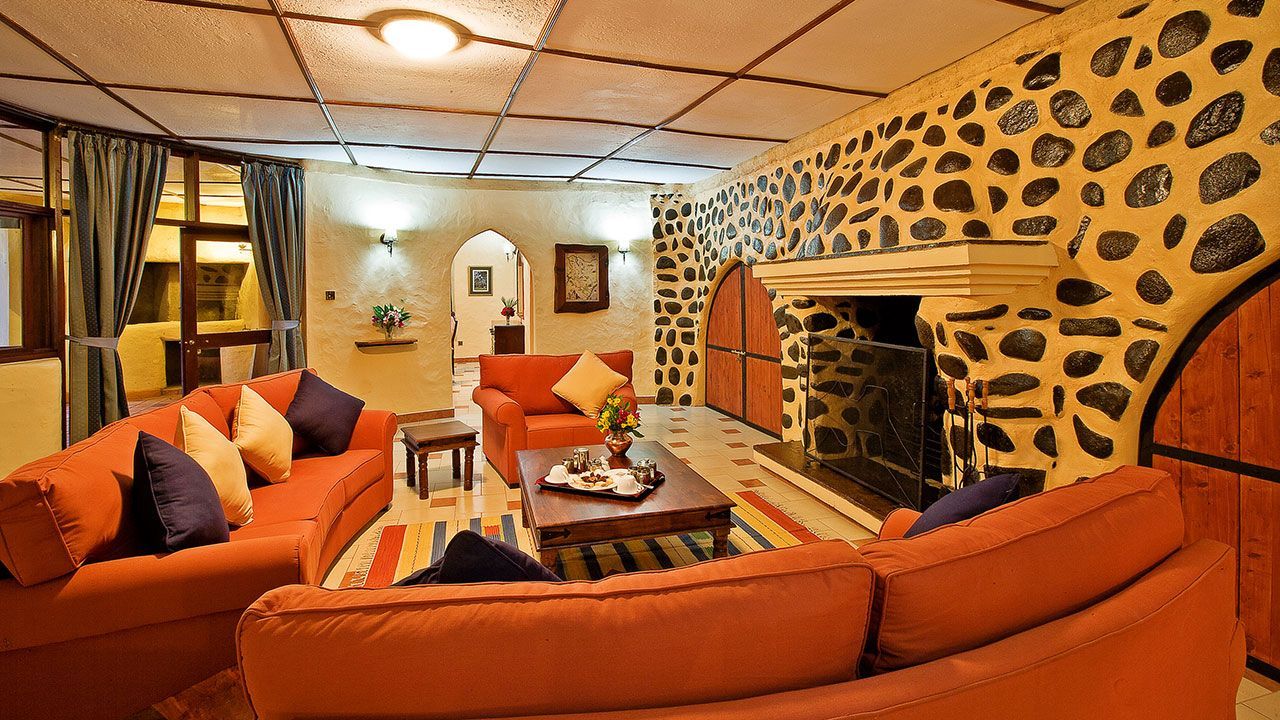
Amboseli Sopa Lodge
Just outside Amboseli National Park
Set in 200 acres of private land, and with a rustic charm all of its own, the Amboseli Sopa Lodge nestles in the foothills of Mount Kilimanjaro
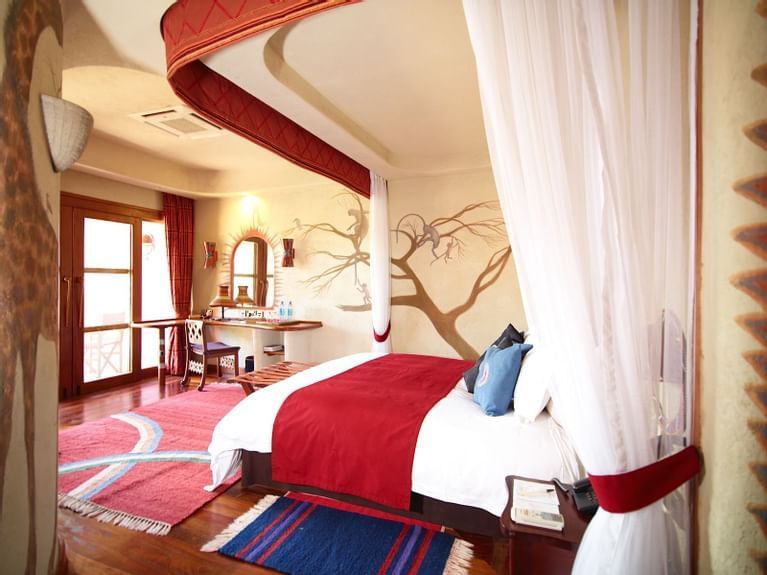
Amboseli Serena Safari Lodge
Amboseli National Park
The Amboseli Serena Safari Lodge is located within the Amboseli National Park and has great views over the plains towards Mount Kilimanjaro.
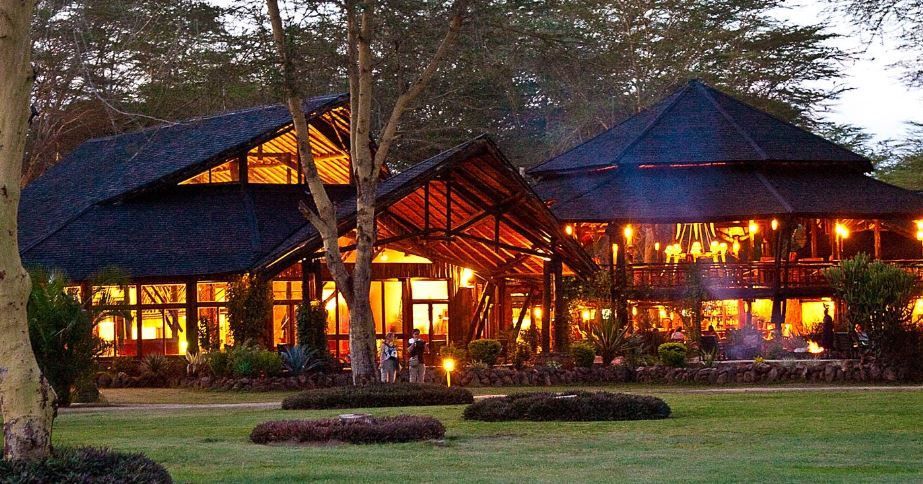
Ol Tukai Lodge
Amboseli National Park
Ol Tukai Lodges features 80 luxury chalet-style twin rooms, all with an uninterrupted view of the wetlands or the magnificent Mt. Kilimanjaro.
We have access to a wide range of handpicked accommodation options — from rustic eco-camps and authentic bush lodges to stylish tented retreats with breathtaking views. If you don’t see the exact lodge or camp you’re looking for, just let us know — we can arrange a variety of stays to suit different tastes, travel styles, and budgets.
Average Weather and Climate in Samburu
Samburu’s climate is generally warm and dry due to its location north of the equator:
- Daytime temperatures: Typically range between 24–35°C, with cooler nights.
- Dry seasons: June–October and December–March — best for concentrated wildlife viewing.
- Rainy seasons: April–May (long rains) and November (short rains), bringing fresh greenery and a boost in birdlife.
Even in the wet months, rainfall tends to be in short, heavy bursts rather than prolonged downpours.
Combine with Other Destinations
Samburu pairs perfectly with Mount Kenya National Park for a contrasting mountain and dryland safari. It’s also an ideal partner for Ol Pejeta Conservancy, known for rhino conservation and classic Big Five encounters. For those wanting to add the drama of the Great Migration, connect Samburu with the Masai Mara.
Thanks to its northern location, Samburu can also be combined with Buffalo Springs and Shaba National Reserve — two adjacent protected areas with similar wildlife and landscapes but their own distinct character. Talk to us about creating a custom itinerary.
Travelling from the UK to Amboseli
Fly from London to Nairobi’s Jomo Kenyatta International Airport (NBO), then take a short domestic flight to Samburu’s airstrips such as Buffalo Springs or Kalama.
Alternatively, travel by road — a scenic 5–6 hour drive through Kenya’s central highlands and past Mount Kenya.
We can arrange private transfers, scheduled flights, or combine Samburu with other destinations in a seamless itinerary.
Discover the Wild, Your Way: Tailor Your Samburu Safari with Us
Samburu is a place where every game drive brings a new story — from the elegance of the reticulated giraffe to the quiet strength of elephants at the riverbank. It’s as much about the people and culture as it is about wildlife.
Talk to us about the experiences you’ve always dreamed of. We’ll match you with handpicked lodges, expert local guides, and authentic adventures that bring Samburu to life.
Speak to one of our safari specialists today — call us or fill out our quick enquiry form, and let’s start planning your tailor-made adventure.
Send an Enquiry
We will get back to you as soon as possible.
Please try again later.
Frequently Asked Questions
What is the Samburu Special Five?
Grevy’s zebra, reticulated giraffe, Somali ostrich, gerenuk, and beisa oryx.
Is Samburu suitable for first-time safari travellers?
Yes, it’s small and easy to navigate, with excellent guiding and unique wildlife.
What other wildlife can I see?
Elephants, lions, leopards, cheetahs, buffalo, and over 450 bird species.
How do I get there from Nairobi?
By air in about 1 hour or by road in 5–6 hours via Mount Kenya.
Is Samburu safe to visit?
Yes, with standard travel precautions and guided safaris.
Is it family-friendly?
Absolutely — many lodges offer family tents and child-friendly activities.
When is the best time to visit?
June–October and December–March for the best wildlife concentrations.
What types of accommodation are available?
Luxury tented camps, mid-range lodges, and eco-camps.
Can I combine Samburu with other reserves?
Yes, popular options include Mount Kenya, Ol Pejeta, and the Masai Mara.
Do UK travellers need a visa?
Yes, UK citizens require an eVisa for Kenya, obtained online before travel.