Caprivi Strip (Zambezi Region) Safaris
Rushing rivers, secret lagoons, and elephants on the move – uncover Caprivi’s wild Zambezi magic.
Best Time To Go
May to October (dry season, prime wildlife viewing)
High Season
July to October
Size
Approx 20,000 square kilometres (entire Zambezi Region)
Altitude
950–1,000 metres
above sea level
Caprivi Strip (Zambezi Region) Safari Holidays
Where rivers meet, wildlife thrives
Stretching like a green ribbon between Namibia, Botswana, Angola, and Zambia, the Caprivi Strip — officially known as the Zambezi Region — is one of southern Africa’s most unique safari destinations. Defined by its great rivers, lush wetlands, and thriving wildlife, it offers a safari experience unlike anywhere else in Namibia.
This is where water transforms the landscape into a haven for elephants, hippos, and birdlife, creating an unforgettable contrast to the country’s arid deserts.
Why Visit the Caprivi Strip (Zambezi Region)?
The Caprivi Strip is a world away from the stark deserts of Etosha and the Namib. Here, four mighty rivers — the Zambezi, Okavango, Chobe, and Kwando — breathe life into floodplains and wetlands that shimmer with bird calls and the splash of hippos. Its unique geography makes it a corridor for wildlife movement, with elephants in particular using it as a migratory pathway between Botswana, Angola, and Zambia.
The scenery is equally striking. Instead of open desert plains, you’ll find papyrus-lined lagoons, baobab-dotted islands, and riverine forests alive with monkeys, kingfishers, and crocodiles basking on sandy banks. This lushness gives Caprivi a completely different rhythm — softer, wetter, and more intimate than Namibia’s other safari regions.
The region is also rich in cultural character. Remote villages still practise traditional fishing and basket-weaving, while community conservancies play a vital role in protecting both people and wildlife. Safaris here often blend cultural encounters with wilderness exploration, giving visitors a deeper appreciation of the land and its people.
What truly sets Caprivi apart is the sense of discovery. It remains far less visited than Botswana’s Chobe or Zambia’s South Luangwa, making safaris here quieter and more personal. It is a place for those who seek adventure off the beaten track, with the reward of exclusive river safaris, dramatic sunsets, and game drives without the crowds.
Wildlife and Nature
The Caprivi Strip feels alive in a way that contrasts powerfully with Namibia’s arid landscapes. The moment you arrive, the air is heavy with the scent of river reeds, the sound of fish eagles calling, and the sight of elephants wading through flooded grasslands. This water-rich environment nurtures an incredible diversity of ecosystems: riverine forests, swamps, floodplains, and savannah, each supporting its own web of life.
Elephants dominate here, with the Zambezi Region forming one of Africa’s great elephant corridors. Herds numbering in the hundreds cross between Botswana’s Chobe, Angola’s highlands, and Zambia’s national parks. Watching them swimming across a river channel, trunks raised like snorkels, is one of Caprivi’s defining safari moments. Alongside them, hippos grunt from lagoons, crocodiles bask on mud banks, and buffalo congregate in large numbers.
Predators are equally present. Lions and spotted hyenas stalk the floodplains, while wild dogs — increasingly rare in southern Africa — still roam some of the region’s conservancies. Leopard sightings are possible in forested areas, particularly near Kongola and Bwabwata National Park. Birding is exceptional: over 400 recorded species include the carmine bee-eater, African skimmer, and Pel’s fishing owl, each a photographer’s dream.
The seasons shape Caprivi’s wildlife encounters. In the dry months (May–October), animals are drawn to shrinking water sources, making sightings concentrated and dramatic. During the wet season, the landscape transforms into a vibrant paradise — rivers swell, wildflowers bloom, and migratory birds arrive in dazzling flocks. It’s a time for birdwatchers and photographers seeking vibrant colours and dramatic skies.
What makes Caprivi truly different is the opportunity for water-based safaris. Unlike the dusty plains of Etosha, here you can drift silently along channels, watching elephants swim or spotting malachite kingfishers darting over the water. These unique perspectives, combined with the absence of heavy tourist traffic, create an intimacy with nature that feels both privileged and unforgettable.
Best Time to Visit the Caprivi Strip
The Caprivi Strip’s climate is shaped by its rivers, giving it a distinct rhythm compared to Namibia’s deserts.
Dry Season (May to October): This is the prime safari season. Days are warm and sunny, with little rain, while nights are cool but comfortable. Rivers shrink back to their channels, concentrating wildlife along their banks.
Elephants, buffalo, and predators are most easily seen now, and boat safaris reveal scenes of animals jostling for water. It’s also the best time for dramatic sunsets, with clear skies casting a golden glow over the floodplains.
Wet Season (November to April): Rainfall transforms the region into a lush, emerald paradise. Thunderstorms roll across the horizon, filling lagoons and creating new grazing areas for antelope. While wildlife disperses, birdwatching becomes spectacular, with migratory species arriving in huge numbers.
The wet season also creates stunning photographic opportunities, from reflections in flooded plains to moody storm-lit skies.
Special Highlights: September and October see large elephant movements as herds follow ancient migratory paths.
Birding peaks between December and March.
Water levels and river safaris are most impressive from February to May, when channels are full and boating offers access to hidden lagoons.
Photography lovers will find different advantages in each season: the dry months for crisp animal encounters in golden light, and the green season for rich contrasts and dramatic skies.
Roads can become muddy in the rains, but the sense of wilderness is heightened.
Safari Experiences in the Caprivi Strip (Zambezi Region)
The Caprivi Strip offers a rare blend of water- and land-based safaris, making every day a new adventure. Its rivers, forests, and floodplains create opportunities you won’t find elsewhere in Namibia.
- Drifting Along the Kwando River: A boat safari at sunset reveals the magic of Caprivi. Elephants bathe in golden light, hippos snort in chorus, and fish eagles call across the water. The gentle pace allows for close encounters and extraordinary photographs.
- Game Drives Through Bwabwata National Park: Bwabwata is at the heart of Caprivi’s conservation success. Here, you can track lions across sandy floodplains, watch buffalo herds kick up dust, and discover shy antelope species such as sable and roan. The park feels wild and undiscovered.
- Birding in the Lush Floodplains: With over 400 species, the Caprivi is a birder’s paradise. Seasonal highlights include carmine bee-eaters nesting in colonies and African skimmers gliding low over the water. Guided bird walks reveal a quieter side of the safari experience.
- Cultural Encounters in Local Villages: Community conservancies are central to Caprivi’s identity. Visitors can meet basket-weavers, hear traditional stories, and learn about local fishing practices that have sustained families for generations. These encounters add cultural richness to the safari journey.
- Fishing the Mighty Zambezi: Anglers are drawn here for the legendary tigerfish, known for their acrobatic leaps and fierce fight. Fishing safaris combine the thrill of the catch with time spent immersed in some of the region’s most scenic waterways.
- Cross-Border Day Trips: Caprivi’s location makes it easy to combine experiences. Some lodges offer day excursions into Chobe National Park or even Victoria Falls, allowing travellers to blend multiple world-class highlights into one trip.
Where to Stay in the Caprivi Strip
Caprivi Strip offers a wide range of accommodation options to suit different preferences and budgets, all set within or just outside the park boundaries. These typically include:
- Eco-Luxury Lodges: Stylish riverside retreats offer spacious suites with sweeping views over the water. Many feature infinity pools, gourmet dining, and solar-powered comfort, combining exclusivity with sustainability.
- Tented Camps: Set beneath towering trees or on the banks of quiet channels, these camps provide the romance of canvas with modern conveniences. Falling asleep to the sound of hippos grunting nearby is a quintessential Caprivi experience.
- Houseboats and Floating Lodges: Unique to the rivers of the Zambezi Region, houseboats let you wake to sunrise over the water, drift between islands, and fish directly from your deck. They are ideal for slow-paced exploration.
- Boutique Bush Retreats: Small, character-rich lodges emphasise authenticity and intimacy. With warm hosting, traditional meals, and locally inspired design, they feel like an extension of the landscape itself.
At Awake in the Wild, we work only with lodges and camps that meet our ethical and sustainability standards. Whether you’re looking for solar-powered luxury or a simple campfire safari experience, we’ll match you to the perfect base. If you don’t see the exact lodge or camp you’re looking for, just let us know — we’re able to arrange a variety of stays to suit different tastes, travel styles, and budgets.
A Selection of our Caprivi Strip Safari Accommodation
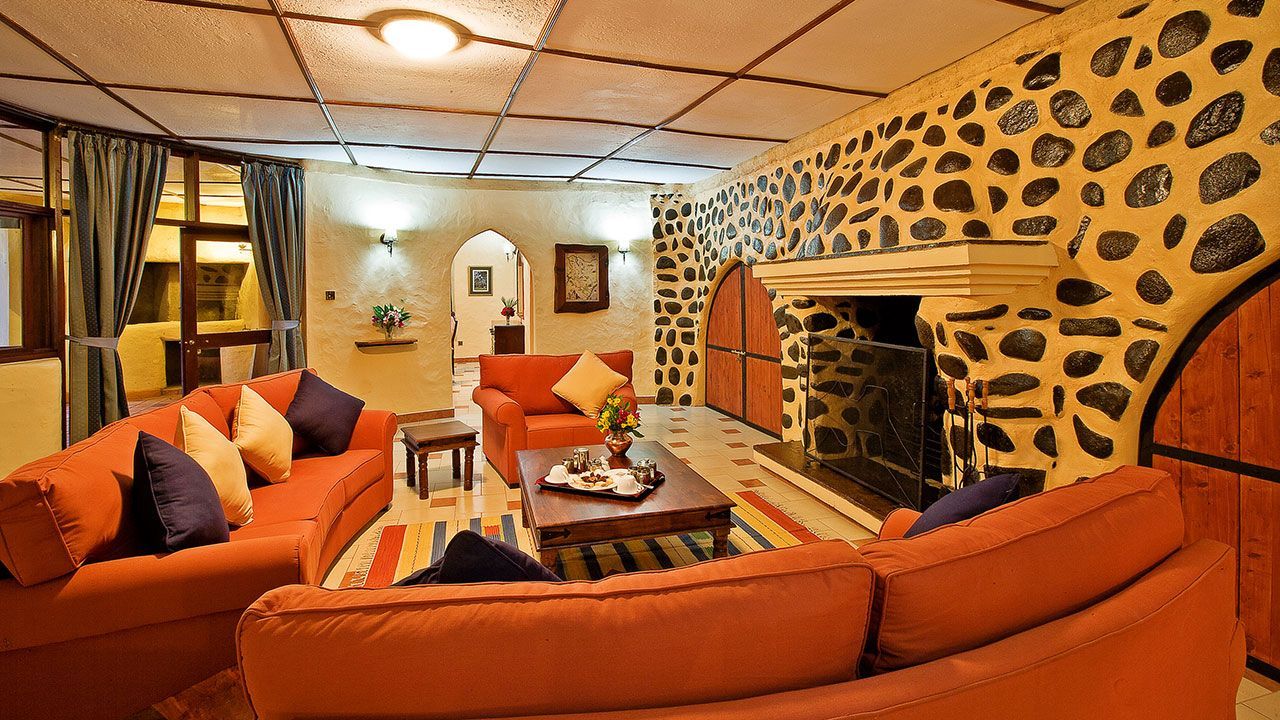
Amboseli Sopa Lodge
Just outside Amboseli National Park
Set in 200 acres of private land, and with a rustic charm all of its own, the Amboseli Sopa Lodge nestles in the foothills of Mount Kilimanjaro
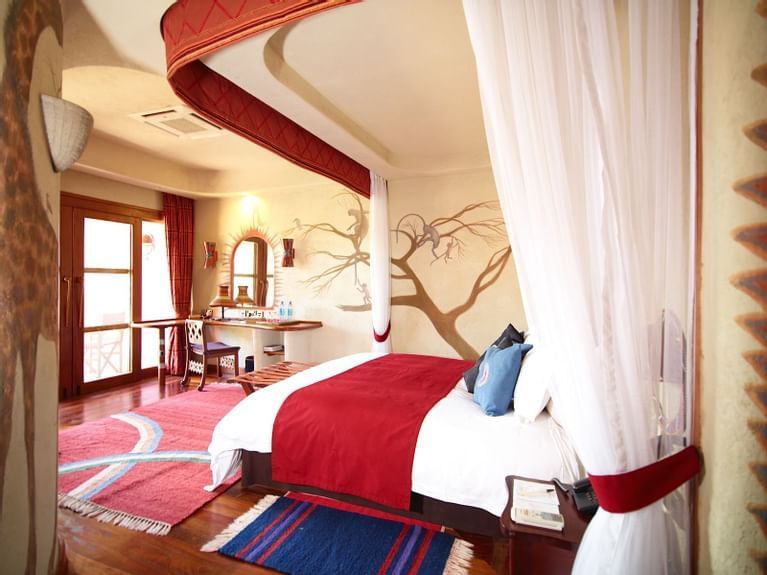
Amboseli Serena Safari Lodge
Amboseli National Park
The Amboseli Serena Safari Lodge is located within the Amboseli National Park and has great views over the plains towards Mount Kilimanjaro.
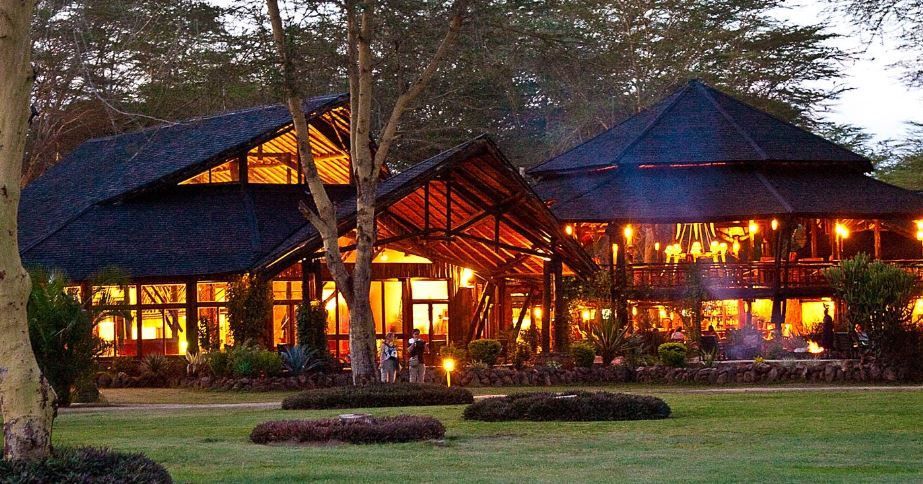
Ol Tukai Lodge
Amboseli National Park
Ol Tukai Lodges features 80 luxury chalet-style twin rooms, all with an uninterrupted view of the wetlands or the magnificent Mt. Kilimanjaro.
We have access to a wide range of handpicked accommodation options — from rustic eco-camps and authentic bush lodges to stylish tented retreats with breathtaking views. If you don’t see the exact lodge or camp you’re looking for, just let us know — we can arrange a variety of stays to suit different tastes, travel styles, and budgets.
Average Weather and Climate in the Caprivi Strip (Zambezi Region)
The Caprivi Strip’s climate is subtropical, shaped by its rivers and relatively low altitude compared to much of Namibia.
Dry Season: From May to October, the region enjoys clear skies, warm days (around 25–30°C), and cooler nights (10–15°C). Wildlife concentrates along the rivers, making this the best time for game viewing. Dust levels rise as the season progresses, but this also contributes to golden, atmospheric light for photography.
Wet Season: From November to April, heavy rains transform the landscape into a lush oasis. Temperatures rise to 30–35°C with higher humidity, but the reward is dramatic thunderstorms and a surge of birdlife. Rivers swell, creating lagoons and new channels to explore.
Unique Climate Features: Seasonal flooding is part of Caprivi’s rhythm. Between February and May, water levels peak, turning the region into a labyrinth of waterways perfect for boat exploration. This seasonal pulse defines both the wildlife and the safari experiences available.
Throughout the year, the Caprivi Strip offers something unique. Whether it’s the concentrated wildlife of the dry season or the lush vibrancy of the green months, each brings its own atmosphere and rewards.
Combine with Other Destinations
The Caprivi Strip is perfectly positioned for a multi-country safari adventure.
To the south, Botswana’s Chobe National Park is just a short drive away, famous for its vast elephant herds. To the east, Zambia’s Livingstone provides access to the thundering spectacle of Victoria Falls — a natural wonder that pairs beautifully with Caprivi’s waterways.
Travellers can also combine Caprivi with Namibia’s Etosha National Park, experiencing the contrast between Etosha’s arid pans and Caprivi’s lush wetlands.
For those seeking a cross-border loop, the Caprivi is an excellent starting or ending point for journeys into Botswana’s Okavango Delta or Zambia’s Kafue National Park.
Thanks to its strategic location and excellent lodge connections, Caprivi is an ideal hub for exploring southern Africa’s most iconic safari landscapes.
Talk to us about creating a custom itinerary that links them together seamlessly.
Travelling from the UK to the Caprivi Strip
Travelling to the Caprivi Strip from the UK typically begins with an international flight to Windhoek, Namibia, or alternatively to Victoria Falls (Zimbabwe/Zambia) or Kasane (Botswana). There are no direct flights from London to Windhoek, but connections via Johannesburg, Doha, or Addis Ababa make the journey smooth, with total travel times of around 14–16 hours.
From Windhoek, it’s a scenic domestic flight or a longer road transfer (over 10 hours) to reach Caprivi lodges. Many travellers choose to fly into Kasane or Victoria Falls, which places them just a few hours from the region’s main safari areas. Lodge transfers often include river journeys, adding to the sense of adventure.
UK passport holders currently receive visa-free entry into Namibia for up to 90 days, but visas may be required for neighbouring countries if combining with Botswana, Zambia, or Zimbabwe. Passports must be valid for at least six months beyond travel. Malaria precautions are recommended year-round, and Awake in the Wild will provide the latest guidance on vaccinations and travel health.
With Awake in the Wild, every detail — from international flights to lodge transfers — is arranged with care, leaving you free to enjoy the journey into this extraordinary part of Africa.
Discover the Wild, Your Way: Tailor Your Caprivi Strip Safari with Us
The Caprivi Strip is where rivers define the rhythm of life, elephants carve ancient paths through wetlands, and sunsets turn the horizon into liquid gold. It is a safari of contrasts — peaceful lagoons one day, roaring lions the next — and an experience that immerses you in both wilderness and culture.
Talk to us about the experiences you’ve always dreamed of. We’ll match you with handpicked lodges, expert local guides, and authentic adventures that bring Caprivi Strip to life.
Speak to one of our safari specialists today — call us or fill out our quick enquiry form, and let’s start planning your tailor-made adventure.
Send an Enquiry
We will get back to you as soon as possible.
Please try again later.
Frequently Asked Questions
When is the best time to visit the Caprivi Strip?
The best time for game viewing is during the dry season from May to October, when animals gather along the rivers and sightings are most concentrated. The wet season from November to April is equally rewarding for birdwatchers and photographers, with lush green landscapes, migratory species, and dramatic skies.
Is the Caprivi Strip a good choice for first-time safari travellers?
Yes. Its combination of boat and land safaris, cultural encounters, and fewer crowds make it an excellent introduction to Africa. While not as famous as the Serengeti or Kruger, Caprivi’s quieter atmosphere appeals to those looking for a more intimate safari.
What wildlife can I expect to see?
Expect large herds of elephants, buffalo, and antelope, alongside predators such as lion, leopard, and wild dog. Hippos and crocodiles dominate the waterways, while birding highlights include African skimmers, carmine bee-eaters, and Pel’s fishing owl.
How accessible is the Caprivi Strip?
The region is remote but well-connected. Travellers usually arrive via Windhoek (Namibia), Kasane (Botswana), or Victoria Falls (Zambia/Zimbabwe), followed by a short domestic flight or lodge transfer. Scenic boat rides often form part of the journey, adding to the adventure.
Can I combine a Caprivi safari with other destinations?
Absolutely. Caprivi is ideally located near Chobe National Park, Victoria Falls, and Namibia’s own Etosha National Park. It’s also part of the wider Kavango-Zambezi Transfrontier Conservation Area, making it a natural hub for multi-country safaris.
Is the Caprivi Strip family-friendly?
Yes. Many lodges welcome families and offer child-friendly activities such as boat trips, cultural village visits, and guided nature walks. Do note, however, that some lodges may have age restrictions for boat safaris or game drives.
Is it safe to travel in the Caprivi Strip?
Yes, the region is safe for visitors. Lodges and camps operate within community conservancies and national parks, with security and guides ensuring guest safety. Normal safari precautions apply, such as not walking alone at night in wildlife areas.
What types of accommodation are available?
You’ll find eco-luxury lodges, tented safari camps, boutique retreats, and even houseboats. Whether you want riverside elegance, a classic under-canvas adventure, or the novelty of sleeping on the water, Caprivi has a style to suit.
How do I get around once I’m there?
Most exploration is done on game drives, boat safaris, and guided walks. Transfers between lodges may involve a mix of light aircraft flights, road journeys, and river crossings, all of which add to the sense of adventure.
Do UK travellers need a visa to visit?
For Namibia, UK passport holders do not currently need a visa for stays of up to 90 days. If combining with Botswana, Zambia, or Zimbabwe, separate entry requirements may apply. Awake in the Wild will guide you through all travel documents and health advice before you go.