Safari Holidays in the Masai Mara National Reserve
Thundering herds, golden horizons, and predator-filled plains – witness the Masai Mara’s untamed spectacle
Best Time To Go
July to October (for the Great Migration) and January to February (dry season wildlife viewing)
High Season
July to October and January to February
Size
Approx 1,510 square kilometres
Altitude
1,500–2,170 metres
above sea level
Masai Mara Safari Holidays
Where the Great Migration Meets Endless Horizons
The Masai Mara National Reserve is Kenya’s crown jewel — a land of sweeping golden plains, acacia-dotted savannahs, and one of the greatest wildlife spectacles on Earth.
Every year, over 1.5 million wildebeest thunder across the Mara River in a life-and-death struggle that defines the Great Migration, while resident wildlife ensures unforgettable encounters all year round.
Why Visit the Masai Mara?
The Masai Mara is more than a safari — it’s a cinematic stage where Africa’s wildlife drama unfolds daily.
Here, predators stalk the grasslands, elephants traverse ancient paths, and cheetahs sprint across the open plains. The Great Migration is a spectacle like no other, but even outside this period, the reserve teems with life: big cats on the hunt, giraffes silhouetted against glowing sunsets, and dazzling birdlife in every direction.
Bordering Tanzania’s Serengeti, the Mara forms part of a vast ecosystem that sustains some of the planet’s most iconic wildlife. With its rich Maasai culture, year-round wildlife, and unrivalled photo opportunities, it’s a destination that lingers in your memory long after you’ve left.
Wildlife and Nature
The Masai Mara is a living tapestry of life, where endless golden savannahs ripple under the African sun, dotted with acacia trees and laced with winding rivers that nourish this world-famous ecosystem. Here, the horizon seems infinite, the air carries the scent of dry grass and rain, and the soundtrack is a blend of distant lion roars, grunting hippos, and the rustle of wildebeest on the move.
This reserve is home to one of the most spectacular concentrations of wildlife anywhere on Earth. The “Big Five” — lion, leopard, buffalo, elephant, and rhinoceros — all roam here, alongside cheetahs, hyenas, giraffes, and vast herds of plains game such as zebra, Thomson’s gazelle, and topi. Birdlife is equally impressive, with over 450 recorded species, from iridescent lilac-breasted rollers to soaring martial eagles.
Seasonal shifts bring dramatic changes. Between July and October, the Mara hosts the Great Migration — a staggering natural phenomenon where over 1.5 million wildebeest, zebra, and gazelle surge across the plains and plunge into crocodile-infested rivers in their quest for fresh grazing. During the calving season in January and February, the grasslands erupt with life as thousands of young animals take their first steps, closely shadowed by predators seeking opportunity.
The Mara’s habitats are as diverse as its wildlife: riverine forests that shelter leopards, marshlands favoured by elephants, and open plains where cheetahs sprint at breathtaking speed. It’s also a hub for conservation, with dedicated projects like the Mara Predator Conservation Programme and community-led wildlife corridors ensuring the survival of species for generations to come.
What makes the Masai Mara truly special is the intimacy of its encounters. It’s one thing to see a lion on television; it’s another to watch a pride wake at sunrise, cubs tumbling over one another as adults scan the horizon for the day’s hunt.
These are moments you can only truly experience here — and they’re the reason travellers return again and again.
Best Time to Visit the Masai Mara
The Masai Mara is a year-round safari destination, but its magic shifts with the seasons — each offering a unique and unforgettable experience.
Dry Season (July to October)
This is the peak safari season and for good reason: it’s the time of the Great Wildebeest Migration, one of the world’s most spectacular wildlife events. Millions of wildebeest, zebra, and gazelle cross the Mara River, pursued by predators like lions, crocodiles, and hyenas. The dry weather means shorter grass, making wildlife easier to spot, and sunny skies give perfect light for photography. Expect vibrant energy, drama at the river crossings, and world-class game viewing.
Short Dry Season (January to February)
A quieter alternative to the migration months, this period still offers excellent sightings. Predator activity remains high, young animals from the November–December birthing season are finding their feet, and the weather is warm and pleasant.
Green Season (November to mid-December, and March to June)
The rains transform the Mara into a lush, green paradise. Wildflowers bloom, migratory birds arrive in their thousands, and the park is less crowded. November’s short rains are often brief showers in the late afternoon, while the longer rains from April to May can make some tracks muddy — but this is also when you’ll find the lowest lodge rates, fewer vehicles, and ethereal photographic conditions with dramatic skies.
Photography Tip
For the most iconic Mara images — think lions silhouetted against golden grass or wildebeest kicking up dust in a crimson sunset — aim for early morning and late afternoon drives in the dry season. In the green season, prepare for dramatic cloudscapes, rainbows, and rich, painterly colours.
No matter when you go, the Masai Mara promises an extraordinary safari — the only question is which version of its beauty you want to experience.
Safari Experiences in the Masai Mara
The Masai Mara offers some of the most immersive safari activities in Africa, including:
- Great Migration viewing: Witness wildebeest and zebra braving crocodile-infested rivers in a timeless survival story.
- Big cat tracking: Follow experienced guides to find lions, leopards, and cheetahs in their natural habitat.
- Hot air balloon safaris: Drift above the plains at sunrise for breathtaking views and a champagne breakfast.
- Cultural encounters: Visit Maasai villages to learn about traditions, crafts, and the community’s role in conservation.
- Scenic sundowners: Enjoy a drink as the sun sets over the savannah, painting the sky in shades of gold and crimson.
Every experience can be tailored — whether you’re an avid photographer, a first-time safari guest, or an adventurer seeking something unique.
Where to Stay in the Masai Mara
The Masai Mara offers a range of accommodation to suit different preferences and budgets, all set within or adjacent to the reserve:
- Luxury tented camps: Seamlessly blend adventure with indulgence, offering spacious canvas suites, gourmet dining, and prime wildlife locations.
- Eco-conscious lodges: Solar-powered retreats that combine comfort with sustainable practices, often supporting local Maasai communities.
- Classic safari camps: Intimate, authentic, and perfect for travellers seeking the romance of traditional under-canvas living.
At Awake in the Wild, we work only with lodges and camps that meet our ethical and sustainability standards. Whether you're after high-end luxury, an eco-adventure, or a rustic bush retreat, we’ll match you to the perfect base.
A Selection of our Masai Mara Safari Accommodation
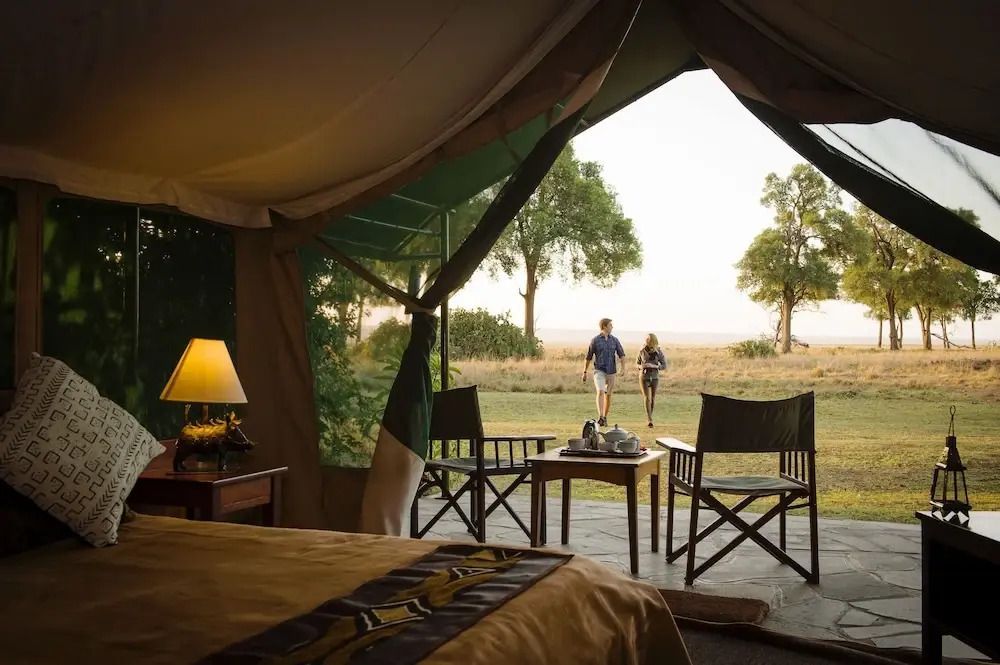
Governors' Camp
Masai Mara Nature Reserve
Governors’ Camp stands as a distinguished and historic safari destination within the heart of Kenya’s Maasai Mara Reserve.
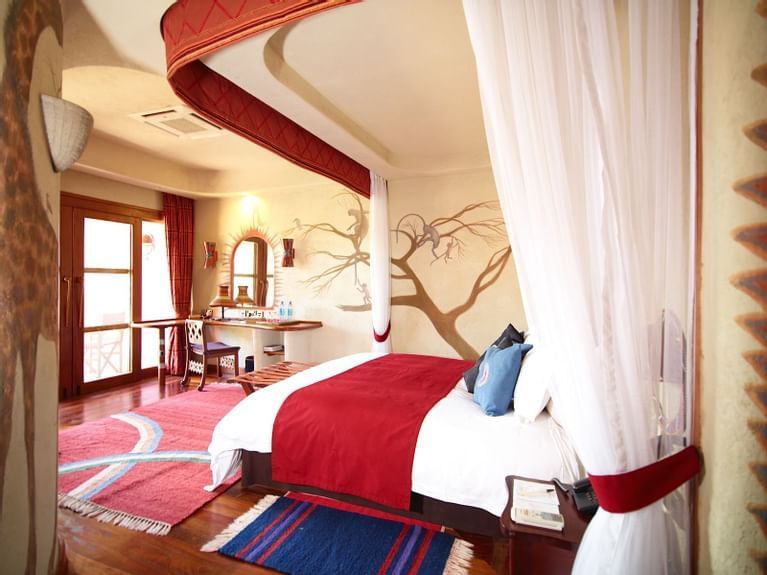
Amboseli Serena Safari Lodge
Amboseli National Park
The Amboseli Serena Safari Lodge is located within the Amboseli National Park and has great views over the plains towards Mount Kilimanjaro.
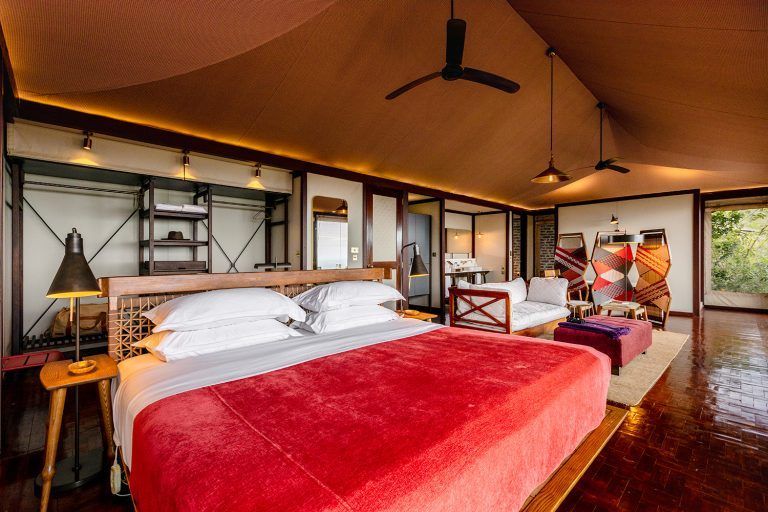
Angama Mara
Masai Mara National Reserve
Angama Mara is a design-centric luxury safari lodge perched 300 m above the Maasai Mara, offering sweeping views
We have access to a wide range of handpicked accommodation options — from rustic eco-camps and authentic bush lodges to stylish tented retreats with breathtaking views. If you don’t see the exact lodge or camp you’re looking for, just let us know — we can arrange a variety of stays to suit different tastes, travel styles, and budgets.
Average Weather and Climate in the Masai Mara
The Masai Mara enjoys a mild climate year-round due to its elevation:
- Dry season (June to October): Warm days (around 25°C) and cool nights (10–12°C), ideal for game drives.
- Short rains (November to December): Brief, refreshing showers with vibrant green landscapes.
- Long rains (March to May): Heaviest rainfall; some areas can be muddy, but the scenery is spectacular.
Pack layers, as early mornings can be chilly, and bring rain gear if visiting during the green seasons.
Combine with Other Destinations
The Masai Mara pairs seamlessly with Kenya’s other top safari areas, such as Amboseli, Lake Naivasha, and Samburu National Reserve. For those seeking a cross-border adventure, it’s also the perfect follow-on from Tanzania’s Serengeti — especially during the Great Migration, when wildlife flows between the two parks.
Thanks to its location in southwest Kenya, the Mara can be easily combined with a few days exploring Nairobi or even the coastal beaches of Diani and Mombasa for a bush-and-beach holiday. Talk to us about creating a custom itinerary that balances big game encounters with unique cultural and scenic highlights.
Travelling from the UK to Amboseli
Most UK travellers fly into Nairobi’s Jomo Kenyatta International Airport.
From there, you can take a one-hour domestic flight directly to one of the Mara’s airstrips or enjoy a 5–6 hour scenic road transfer.
We arrange all flights, transfers, and logistics, ensuring a smooth journey from your doorstep to the savannah.
Discover the Wild, Your Way: Tailor Your Masai Mara Safari with Us
A safari in the Masai Mara is a front-row seat to Africa’s most awe-inspiring wildlife encounters — from the thundering hooves of the Great Migration to the quiet majesty of a leopard at dusk.
Whether you want an action-packed photography safari, a romantic escape, or a family-friendly adventure, we’ll craft an itinerary as unique as you are.
Speak to one of our safari specialists today — call us or fill out our quick enquiry form, and let’s start planning your tailor-made adventure.
Send an Enquiry
We will get back to you as soon as possible.
Please try again later.
Frequently Asked Questions
When is the best time to visit the Masai Mara?
July to October for the Great Migration, or January to February for excellent predator sightings and fewer visitors.
Is the Masai Mara good for first-time safari travellers?
Yes — it’s one of the best reserves for first-timers thanks to its abundant wildlife and diverse landscapes.
What wildlife can I expect to see?
The Big Five (lion, leopard, elephant, buffalo, rhino), cheetahs, giraffes, zebras, wildebeest, hippos, and over 470 bird species.
Can I combine the Masai Mara with other destinations?
Absolutely — it pairs perfectly with Amboseli, Lake Nakuru, or Tanzania’s Serengeti for an extended safari.
Is the Masai Mara suitable for families?
Yes, many lodges offer family tents, child-friendly game drives, and educational activities.
How far is the Masai Mara from Nairobi?
About an hour’s flight or 5–6 hours by road.
Are there luxury safari options?
Yes — from exclusive tented camps to high-end lodges with private guides.
Is it safe to visit?
Yes, when travelling with reputable operators. We work only with trusted guides and accommodations.
Do I need a visa from the UK?
Yes — most UK passport holders require an eVisa for Kenya, which is simple to apply for online.