Zinave National Park Safaris
A Wilderness Reborn: From Forgotten Land to Thriving Sanctuary.
Best Time To Go
May to October
High Season
June to September
Size
Approx 4,000 square kilometres
Altitude
150 - 350 metres
above sea level
Zinave National Park Safari Holidays
The Quiet Heart of Mozambique’s Conservation Story
Zinave National Park is proof that even the most forgotten wilderness can be reborn. Once a shadow of its former self after years of neglect, it now thrives as a core part of the Great Limpopo Transfrontier Park, linking Mozambique, South Africa, and Zimbabwe.
Here, mopane woodlands and sweeping floodplains are once again alive with elephant herds, towering giraffe, and graceful antelope, thanks to one of the most ambitious rewilding projects in Africa.
Visiting Zinave is like stepping into a story of hope, where every sighting feels like a glimpse of nature reclaiming its place.
Why Visit Zinave National Park?
Zinave offers the rare thrill of exploring a park in the midst of an extraordinary revival. You’ll witness wildlife returning to landscapes where they’ve been absent for decades, with each species reintroduced carefully to ensure ecological balance.
The park’s remoteness means a safari here feels deeply personal — no traffic jams at sightings, no noise but the wind in the grass and the call of a fish eagle. It’s also an important conservation corridor, connecting ecosystems across borders.
For travellers seeking an off-the-beaten-path safari with genuine purpose, Zinave is a destination that rewards curiosity and supports lasting change.
Wildlife and Nature
Thanks to ongoing reintroductions, Zinave now hosts elephants, giraffe, buffalo, zebra, wildebeest, and numerous antelope species including kudu, impala, and waterbuck.
Predators such as lions, leopards, and hyenas are gradually returning, restoring the park’s natural balance.
The Save River runs along the park’s western edge, attracting hippos, crocodiles, and a variety of birdlife.
Mopane and miombo woodlands dominate the landscape, interspersed with grassy plains and seasonal wetlands that explode with life after the rains.
Birdwatchers will delight in spotting species like lilac-breasted rollers, bateleurs, and ground hornbills.
Best Time to Visit Zinave
The dry season from May to October offers the best game viewing, as animals congregate near water sources and the vegetation thins for better visibility.
Temperatures are comfortable, making for pleasant game drives and walking safaris.
June to September is the high season, combining excellent wildlife sightings with cooler mornings and evenings.
The green season (November to April) transforms the park into a lush paradise with vibrant birdlife and newborn animals, though some areas can become inaccessible due to flooding.
For those seeking solitude and dramatic scenery, the transitional months of April and May are particularly rewarding.
Safari Experiences in Zinave National Park
Tracking Wildlife in a Rewilded Landscape: Every drive in Zinave is a reminder of nature’s resilience. Watch giraffe browsing in the woodlands, buffalo moving in powerful herds, and elephants splashing at the river. Your guide will share the park’s reintroduction stories, adding depth to each sighting. Mornings bring golden light on the plains, while late afternoons offer that magical hush before nightfall. Each day reveals more signs of a park reclaiming its wild identity.
Birdwatching Along the Save River: The Save River is a lifeline for Zinave’s wildlife, and a magnet for birdlife. Spend hours spotting kingfishers darting over the water, fish eagles scanning from high perches, and herons stalking the shallows. In the green season, migratory species join the mix, adding flashes of colour and song. Sunrise here is unforgettable, with mist lifting from the water and the park slowly coming to life. For photographers, it’s a place to linger.
Walking Safaris Through Mopane and Miombo: Step away from the vehicle and immerse yourself in Zinave’s wild textures and sounds. Guided walks reveal tracks, plants, and smaller creatures you’d miss from a car. Learn about the medicinal uses of trees, follow the spoor of antelope, and listen for the calls of distant hornbills. The slower pace brings a deeper connection to the landscape. As the sun rises higher, you’ll appreciate the park’s vast, untamed beauty.
Community and Conservation Encounters: Meet the people who are helping to restore Zinave’s biodiversity, from rangers patrolling its boundaries to community members involved in sustainable tourism. Hear stories of wildlife relocations, anti-poaching successes, and how conservation benefits local livelihoods. These encounters add a powerful human dimension to your safari. You’ll leave with a greater understanding of what it takes to bring a wilderness back to life.
Where to Stay in Zinave
Staying in or near Zinave means being part of its rewilding journey, with accommodation designed to complement the park’s natural rhythm.
- Tented Safari Camps — Canvas tents with en-suite facilities, offering comfort and a close-to-nature feel.
- Rustic Bush Lodges — Simple, welcoming lodges with easy access to prime wildlife areas.
- Community-Run Eco-Stays — Accommodation that supports local livelihoods while offering an authentic experience.
We have access to a wide range of handpicked accommodation options in Zinave National Park — from rustic eco-camps and authentic bush lodges to simple tented retreats. If you don’t see the exact lodge or camp you’re looking for, just let us know — we’re able to arrange a variety of stays to suit different tastes, travel styles, and budgets.
A Selection of our Zinave Safari Accommodation
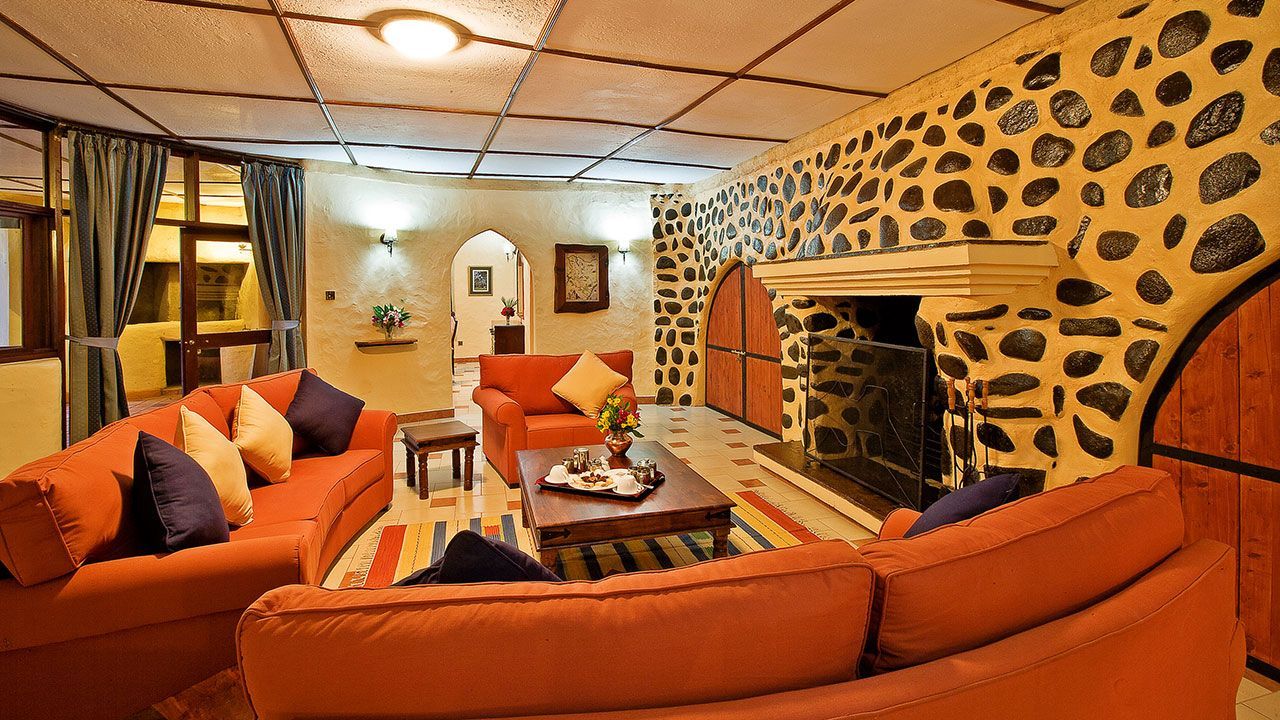
Amboseli Sopa Lodge
Just outside Amboseli National Park
Set in 200 acres of private land, and with a rustic charm all of its own, the Amboseli Sopa Lodge nestles in the foothills of Mount Kilimanjaro
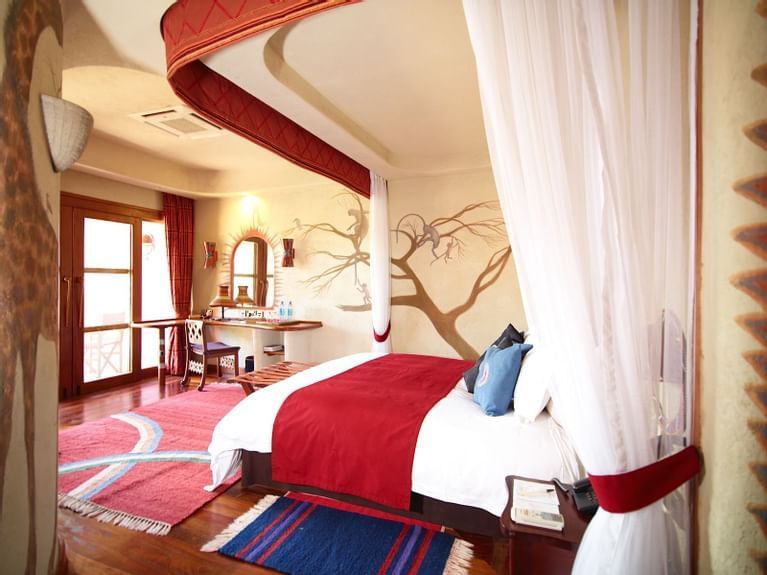
Amboseli Serena Safari Lodge
Amboseli National Park
The Amboseli Serena Safari Lodge is located within the Amboseli National Park and has great views over the plains towards Mount Kilimanjaro.
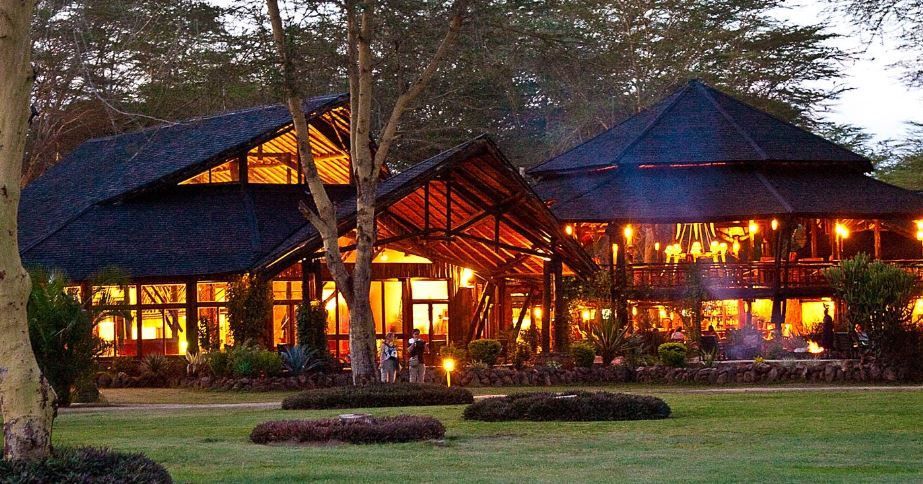
Ol Tukai Lodge
Amboseli National Park
Ol Tukai Lodges features 80 luxury chalet-style twin rooms, all with an uninterrupted view of the wetlands or the magnificent Mt. Kilimanjaro.
We have access to a wide range of handpicked accommodation options — from rustic eco-camps and authentic bush lodges to stylish tented retreats with breathtaking views. If you don’t see the exact lodge or camp you’re looking for, just let us know — we can arrange a variety of stays to suit different tastes, travel styles, and budgets.
Average Weather and Climate in Zinave National Park
Zinave’s climate is warm and generally dry for much of the year, with distinct wet and dry seasons shaping the safari experience.
- January: Hot, humid, heavy rains; lush greenery and excellent birding.
- February: Similar to January; fewer visitors, vibrant landscapes.
- March: Rains ease; newborn wildlife and rich predator activity.
- April: Transitional; cooler, clear skies, and receding floodwaters.
- May: Start of dry season; mild days, wildlife congregates near rivers.
- June: Cool, dry, and clear; peak predator sightings.
- July: Crisp mornings, warm days, superb game viewing.
- August: Ideal safari conditions; concentrated wildlife, low humidity.
- September: Warmer days, excellent sightings, golden light.
- October: Hot and dry; dramatic activity at shrinking waterholes.
- November: First rains arrive; fresh grazing and migratory birds return.
- December: Green season in full swing; calves, chicks, and vibrant vegetation.
Whether you prefer the drama of the dry or the abundance of the green season, Zinave offers beauty year-round.
Combine with Other Destinations
Zinave connects seamlessly with Mozambique’s Bazaruto Archipelago for a bush-and-beach experience, or with Gorongosa National Park for a journey through two of the country’s great conservation stories.
As part of the Great Limpopo Transfrontier Park, it can also be combined with South Africa’s Kruger National Park and Zimbabwe’s Gonarezhou for a multi-country safari.
Talk to us about creating a custom itinerary.
Travelling from the UK to Zinave
Reaching Zinave typically involves flying from London to Johannesburg or Maputo, then connecting to Vilankulo.
From Vilankulo, it’s a scenic overland drive or a charter flight into the park.
The journey can take 14–18 hours including layovers, and we recommend combining Zinave with other Mozambican parks or coastal destinations for a varied itinerary.
Discover the Wild, Your Way: Tailor Your Zinave Safari with Us
Zinave is a place of rebirth, resilience, and raw beauty — perfect for travellers who value both the thrill of wildlife and the meaning behind the journey. Whether you dream of spotting elephants at the Save River, walking through mopane woodland at dawn, or hearing a lion call in a park where silence once reigned, we’ll make it happen.
Talk to us about the experiences you’ve always dreamed of. We’ll match you with handpicked lodges, expert local guides, and authentic adventures that bring Zinave to life.
Speak to one of our safari specialists today — call us or fill out our quick enquiry form, and let’s start planning your tailor-made adventure.
Send an Enquiry
We will get back to you as soon as possible.
Please try again later.
Frequently Asked Questions
When is the best time to visit Zinave?
May–October for dry-season wildlife viewing; November–April for green-season birding.
Is Zinave suitable for first-time safari travellers?
Yes, especially for those who want a remote, uncrowded experience.
What wildlife can I expect to see?
Elephants, giraffe, buffalo, zebra, antelope, predators, hippos, crocs, and diverse birdlife.
How do I get there from the UK?
Fly to Johannesburg or Maputo, connect to Vilankulo, then transfer overland or by charter.
Can I combine Zinave with other destinations?
Absolutely — Bazaruto, Gorongosa, Kruger, and Gonarezhou are all great options.
Is it family-friendly?
Yes, with properties offering family accommodation and private activities.
Is it safe to visit?
Yes, with reputable guides and operators managing logistics.
What’s the accommodation style?
Tented camps, rustic lodges, and community-run eco-stays.
Do UK travellers need a visa?
Yes, most require a visa for Mozambique — check current regulations before travel.
Are walking safaris available?
Yes, in designated areas with armed, experienced guides.