Etosha National Park Safaris
Salt pans shimmering with mirages, vast herds of wildlife, and dramatic desert skies — Etosha’s spectacle awaits.
Best Time To Go
May to October (dry season, peak game viewing)
High Season
July to October
Size
Approx 22,270 square kilometres
Altitude
1,030–1,350 metres
above sea level
Etosha National Park Safari Holidays
Where salt pans meet Namibia’s greatest wildlife gatherings
Etosha National Park is Namibia’s most iconic safari destination — a vast wilderness where desert, savannah, and shimmering salt pans converge. Renowned for its dramatic landscapes and abundant wildlife, Etosha offers some of the most thrilling game viewing in southern Africa.
Here, elephants march across white plains, lions patrol waterholes, and black rhinos emerge at dusk, creating moments that feel almost cinematic.
Why Visit Etosha National Park?
Situated in northern Namibia, Etosha is unlike any other safari destination. At its heart lies the Etosha Pan — a vast, 4,800 km² salt flat so large it can be seen from space. During the dry season, this stark expanse reflects the sky in dazzling shades of white and silver, creating an otherworldly backdrop for wildlife encounters.
The park’s waterholes are legendary. Scattered across the landscape, they act as lifelines during the dry months, drawing immense gatherings of wildlife. Watching elephants, zebras, giraffes, lions, and antelope congregate around the same pool is a quintessential Etosha experience — one that feels as raw as it is unforgettable.
Etosha is also a park of contrasts. While the pan dominates the centre, the surrounding landscapes include mopane woodlands, grassy plains, and thorny acacia scrub. Each habitat supports its own cast of wildlife, making game drives a constant surprise. The scale of the park allows for both epic vistas and intimate encounters.
Unlike Botswana’s waterways or Kenya’s rolling savannahs, Etosha’s drama lies in its starkness — in the shimmering mirages, dust trails, and golden light that seem to stretch forever. For those seeking a safari that feels truly unique, Etosha delivers landscapes and wildlife spectacles that exist nowhere else.
Wildlife and Nature
Etosha National Park is one of Africa’s most wildlife-rich destinations, home to over 100 mammal species and more than 340 bird species. Its defining feature — the vast, shimmering Etosha Pan — creates an environment where life clings to waterholes, producing some of the continent’s most dramatic wildlife encounters.
Elephants are a highlight here, with Etosha’s herds among the largest in Africa. Their sheer size and dusty grey forms moving across the plains are unforgettable. Lions are equally iconic, often seen lounging near waterholes or stalking zebra herds across open ground. Etosha is also one of the best places in Africa to see black rhinos, particularly during evening visits to floodlit waterholes near certain lodges.
Predators thrive in this landscape. In addition to lions, visitors may encounter leopards resting in mopane thickets and cheetahs sprinting across open plains. Hyenas are frequently heard at night, their eerie calls echoing across the salt flats. Plains game is abundant — herds of springbok, oryx, wildebeest, and hartebeest roam the savannah, providing a constant spectacle and prey for the park’s carnivores.
Etosha also offers rarities. The black-faced impala, found only in northern Namibia and southern Angola, is a conservation success story here. Birdlife is equally rich, with raptors soaring above the pan and seasonal flocks of flamingos and pelicans arriving when rains create shallow lagoons. Migratory species swell the bird list during the summer months, delighting birdwatchers with flashes of colour and song.
The wildlife experience here is shaped by season. In the dry months, animals gather in extraordinary numbers at waterholes, creating intense and often multi-species encounters. In the green season, wildlife disperses but the landscapes transform — wildflowers bloom, the air is rich with birdsong, and newborn antelope dot the plains.
Etosha’s uniqueness lies in the combination of stark beauty and abundance. Nowhere else can you photograph a rhino silhouetted against a white pan at sunset, or watch elephants raise dust clouds that glow in the golden light. This is wildlife viewing distilled to its rawest form — unforgettable, unscripted, and uniquely Etosha.
Best Time to Visit Etosha National Park
Etosha’s climate is defined by two distinct seasons, each offering its own rewards.
Dry Season (May to October): This is the peak safari season. With little to no rain, vegetation is sparse and wildlife congregates at waterholes. Temperatures range from 25–30°C during the day, with cooler nights between 8–12°C.
This is the best time to see large gatherings of animals, particularly elephants, lions, and rhinos. Photography is superb, with golden light and clear skies.
Wet/Green Season (November to April): The rains return, turning the plains into a lush green carpet. Afternoon thunderstorms are common, filling pans and creating temporary lakes. This is when flamingos arrive in their thousands, transforming the Etosha Pan into a pink spectacle. Wildlife disperses, making sightings less concentrated, but birdwatching becomes exceptional and the scenery more dramatic.
Temperatures climb higher, reaching up to 35°C with increased humidity.
Special Highlights: September and October offer intense wildlife action as animals crowd shrinking waterholes, while January to March is prime for birdwatching and newborn antelope. Flamingo breeding events are among the park’s most striking seasonal phenomena.
Photography Tips: For sharp wildlife encounters, dry season mornings and late afternoons provide perfect light. In the wet season, storm clouds and reflections in the pan create dramatic backdrops. Evening waterhole visits at floodlit hides can also yield outstanding rhino and elephant shots.
Practical considerations: Etosha is easily accessible by road, and infrastructure is excellent. The dry season sees higher visitor numbers, particularly in July and August, but the park’s size ensures space and variety.
In the wet months, occasional heavy rains may make some roads muddy, but they rarely affect access to main areas.
Safari Experiences in Etosha National Park
Etosha offers more than just game drives — it is a park of diverse and immersive experiences that showcase both wildlife and landscape in unforgettable ways.
- Waterhole Game Viewing: Etosha is famous for its waterholes. Some lodges and camps have floodlit waterholes that allow guests to watch elephants, lions, and rhinos at night — an extraordinary, almost theatre-like experience unique to this park.
- Classic Game Drives Across the Pan: Daytime drives reveal the stark drama of Etosha. Herds move across shimmering salt flats, giraffes browse on acacia trees, and predators prowl the open plains. Each drive feels like stepping into a natural documentary.
- Birdwatching in the Green Season: For birders, Etosha is a paradise from November to March. Migratory species join local residents, flamingos paint the pan pink, and colourful bee-eaters dart across the skies. Guided birding drives highlight these seasonal treasures.
- Cultural Encounters Beyond the Park: Just outside Etosha, local communities offer cultural visits where travellers can learn about Himba traditions, crafts, and farming practices. These encounters provide a deeper connection between people, wildlife, and land.
- Photography Safaris: Etosha’s light is legendary. From golden sunrises to the stark contrasts of midday, photographers will find endless inspiration. Specialist guides can help capture everything from lion hunts to atmospheric storm clouds over the pan.
- Walking Safaris in Conservancies: In private conservancies adjoining the park, guided bush walks reveal the smaller details — tracks in the sand, medicinal plants, and the chance to spot game on foot, adding another dimension to the safari.
Where to Stay in Etosha National Park
Etosha National Park offers a wide range of accommodation options to suit different preferences and budgets, all set within or just outside the park boundaries. These typically include:
- Eco-Luxury Lodges: Positioned on the edge of the park or in adjoining conservancies, these lodges combine comfort with breathtaking views. Expect spacious suites, infinity pools, fine dining, and solar-powered design.
- Tented Camps: The romance of sleeping under canvas comes alive in Etosha. Modern amenities like ensuite bathrooms and cosy furnishings pair with the sounds of wildlife just beyond the canvas walls.
- Boutique Bush Retreats: Smaller, intimate lodges focus on authenticity, often blending traditional Namibian architecture with warm hospitality. They’re perfect for travellers seeking a quieter, personalised safari base.
At Awake in the Wild, we work only with lodges and camps that meet our ethical and sustainability standards. Whether you’re looking for solar-powered luxury or a simple campfire safari experience, we’ll match you to the perfect base. If you don’t see the exact lodge or camp you’re looking for, just let us know — we’re able to arrange a variety of stays to suit different tastes, travel styles, and budgets.
A Selection of our Etosha Safari Accommodation
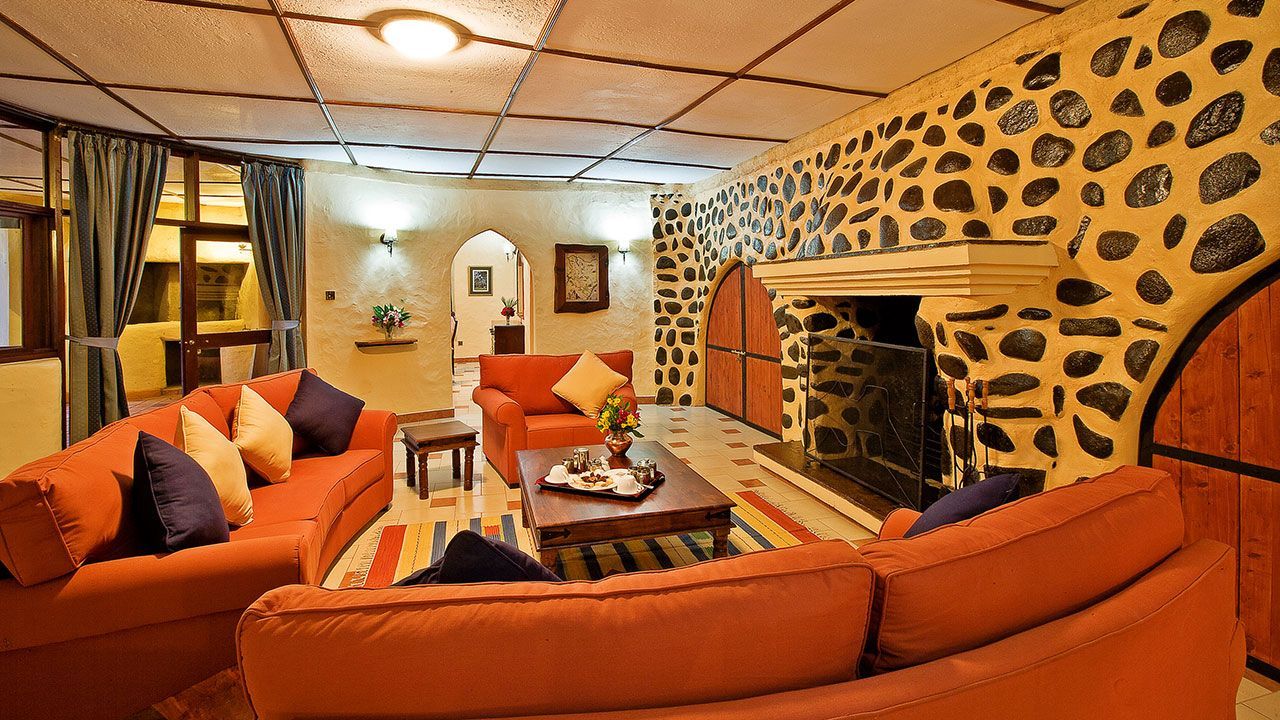
Amboseli Sopa Lodge
Just outside Amboseli National Park
Set in 200 acres of private land, and with a rustic charm all of its own, the Amboseli Sopa Lodge nestles in the foothills of Mount Kilimanjaro
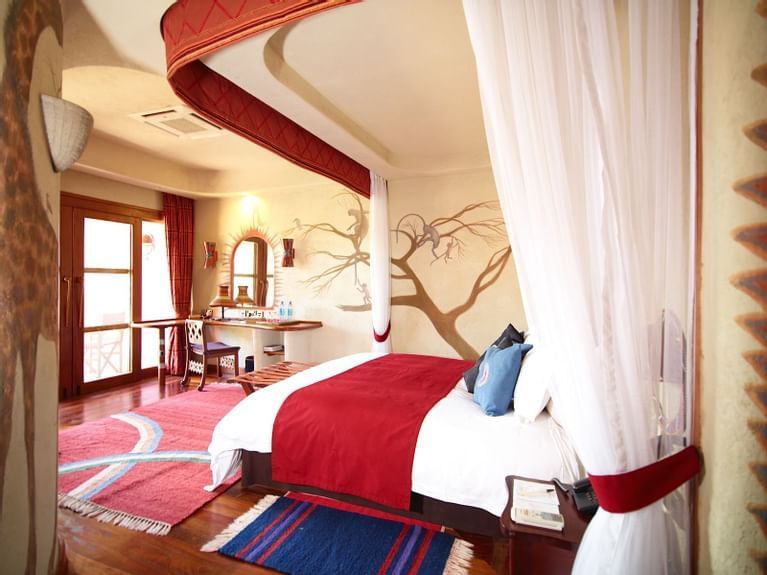
Amboseli Serena Safari Lodge
Amboseli National Park
The Amboseli Serena Safari Lodge is located within the Amboseli National Park and has great views over the plains towards Mount Kilimanjaro.
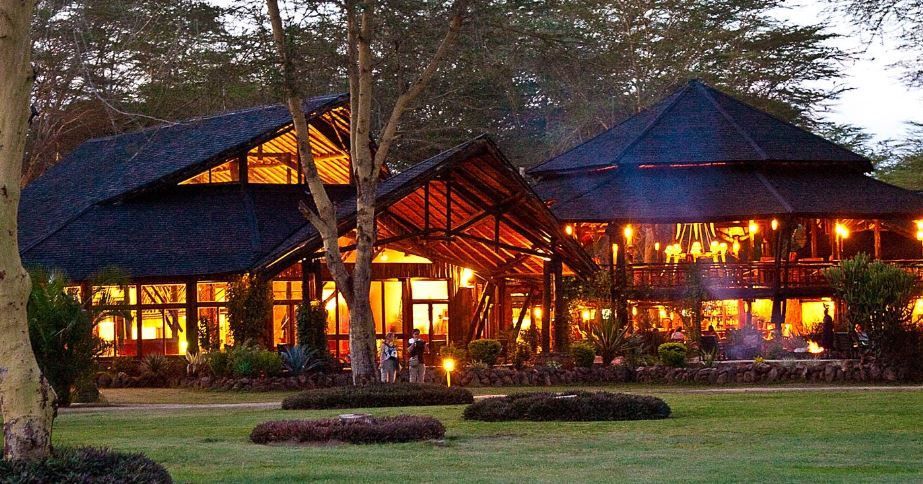
Ol Tukai Lodge
Amboseli National Park
Ol Tukai Lodges features 80 luxury chalet-style twin rooms, all with an uninterrupted view of the wetlands or the magnificent Mt. Kilimanjaro.
We have access to a wide range of handpicked accommodation options — from rustic eco-camps and authentic bush lodges to stylish tented retreats with breathtaking views. If you don’t see the exact lodge or camp you’re looking for, just let us know — we can arrange a variety of stays to suit different tastes, travel styles, and budgets.
Average Weather and Climate in Etosha National Park
Etosha’s climate is semi-arid, with a marked distinction between dry and wet seasons.
Dry Season: From May to October, days are warm (25–30°C) and nights cool (8–12°C). The lack of rainfall means clear skies and crisp conditions, but also dusty air, which adds to the golden, hazy quality of photographs. Wildlife is concentrated and easier to track, making this the most popular safari season.
Wet Season: November to April brings rain and higher humidity. Daytime highs can reach 35°C, with spectacular afternoon storms rolling across the horizon. The park’s vegetation transforms, newborn animals arrive, and migratory birds flood in. Roads remain accessible, though some can be muddy after heavy rains.
Unique Features: The Etosha Pan itself undergoes a dramatic seasonal shift — from a dry, cracked expanse in the dry months to a shallow lake that attracts flamingos and pelicans after heavy rains. This transformation is one of Africa’s great natural spectacles.
Etosha’s weather shapes not only its landscapes but also its experiences. Whether you’re drawn to the concentrated drama of the dry season or the lush vibrancy of the rains, each visit reveals a different side of the park.
Combine with Other Destinations
Etosha combines effortlessly with other Namibian highlights. To the south lies Damaraland, with its desert-adapted elephants and ancient rock engravings.
Further south, the iconic dunes of Sossusvlei offer a striking desert contrast.
For a coastal twist, Swakopmund provides a mix of culture, adventure sports, and Atlantic ocean breezes. To the north-west, the remote wilderness of Kaokoland allows for cultural encounters with the Himba people and some of Namibia’s wildest landscapes.
Etosha also works well as part of a wider southern African safari, linking with Botswana’s Okavango Delta or Zambia’s Victoria Falls. Its accessibility by road and air makes it a flexible centrepiece for itineraries.
Talk to us about creating a custom journey that combines Etosha’s drama with other iconic destinations.
Travelling from the UK to Etosha
Travelling to Etosha usually begins with an international flight to Windhoek, Namibia. There are no direct flights from London, but connections via Johannesburg, Doha, or Addis Ababa make the journey straightforward, with a total travel time of 14–16 hours.
From Windhoek, visitors can take a domestic flight to airstrips near Etosha, or embark on a road journey of 4–6 hours. Many travellers opt for self-drive itineraries, as Namibia’s roads are well-maintained and scenic. Guided transfers are also available for a more relaxed approach.
UK passport holders currently do not need a visa for stays of up to 90 days in Namibia. Passports must be valid for at least six months beyond the date of entry. Malaria precautions may be recommended in some areas, and Awake in the Wild will provide up-to-date health and travel advice.
With Awake in the Wild, every aspect — from flights to transfers — is arranged seamlessly, so you can focus on experiencing the magic of Etosha.
Discover the Wild, Your Way: Tailor Your Etoshsa Safari with Us
Etosha National Park is where elephants stir the dust of the salt pans, lions prowl the waterholes, and flamingos transform the desert into a sea of pink. It is a place of raw drama and stark beauty — a safari experience that feels vast, wild, and utterly unforgettable.
Talk to us about the experiences you’ve always dreamed of. We’ll match you with handpicked lodges, expert local guides, and authentic adventures that bring Etosha National Park to life.
Speak to one of our safari specialists today — call us or fill out our quick enquiry form, and let’s start planning your tailor-made adventure.
Send an Enquiry
We will get back to you as soon as possible.
Please try again later.
Frequently Asked Questions
When is the best time to visit Etosha?
The dry season, from May to October, is best for game viewing as wildlife gathers at waterholes. The wet season, November to April, is lush and excellent for birdwatching, with flamingos often arriving in huge numbers.
Is Etosha suitable for first-time safari travellers?
Yes. Etosha is one of Africa’s most accessible and rewarding parks, with excellent infrastructure, abundant wildlife, and a wide choice of accommodation. It’s a great introduction to safari.
What wildlife can I expect to see in Etosha?
Etosha is home to elephants, lions, leopards, cheetahs, giraffes, and black rhinos. Herds of springbok, zebra, and oryx are common, while rarities include black-faced impala and seasonal flamingos on the pan.
How do I get to Etosha National Park?
Most travellers fly into Windhoek, Namibia’s capital, via Johannesburg, Doha, or Addis Ababa. From there, it’s a 4–6 hour drive or a short domestic flight to Etosha.
Can I combine Etosha with other destinations?
Absolutely. Etosha combines well with Damaraland, Sossusvlei, Swakopmund, the Skeleton Coast, and even Victoria Falls or the Okavango Delta for longer trips.
Is Etosha family-friendly?
Yes. Many lodges welcome children, and self-drive safaris give families flexibility. Some activities, like walking safaris, may have age restrictions.
Is it safe to visit Etosha?
Yes. The park is well managed, and lodges prioritise guest safety. Normal safari guidelines apply, such as staying in your vehicle during game drives and not walking unaccompanied in wildlife areas.
What types of accommodation are available?
You’ll find eco-luxury lodges, tented camps, and boutique retreats, both inside the park and in nearby conservancies. Options suit a wide range of budgets and preferences.
How does the climate affect safaris in Etosha?
The dry season provides concentrated game at waterholes, while the green season brings lush scenery, migratory birds, and newborn wildlife. Each offers distinct rewards.
Do UK travellers need a visa to visit Etosha?
No. UK passport holders can enter Namibia visa-free for up to 90 days. Passports must be valid for at least six months beyond the date of entry.