Ankarana & Montagne d’Ambre Safaris
Towering amber forests, hidden waterfalls, and dramatic limestone tsingy alive with rare lemurs and chameleons.
Best Time To Go
April to November (dry season; clear skies, comfortable trekking)
High Season
July to October
Size
Approx 182 square kilometres
Altitude
50 – 1,475 metres
above sea level
Ankarana & Montagne d’Ambre Safari Holidays
Rainforests, Canyons, and Stone Forests
Northern Madagascar holds two of its most spectacular treasures: Ankarana and Montagne d’Ambre. These sister parks combine rainforest-cloaked highlands and surreal limestone tsingy formations, offering a safari experience that feels both adventurous and otherworldly.
Together they deliver a rare mix of landscapes and wildlife encounters that cannot be found anywhere else.
Why Visit Ankarana & Montagne d’Ambre?
Montagne d’Ambre National Park, set around an extinct volcano, is a cool, misty rainforest alive with waterfalls, crater lakes, and towering trees. Its altitude makes it refreshingly different from Madagascar’s hotter lowlands, creating a sanctuary for chameleons, lemurs, and rare birds. It’s an oasis of green and a welcome escape into cooler, fresher air.
Just a few hours’ drive away, Ankarana Reserve offers a complete contrast. Here, razor-sharp limestone pinnacles known as tsingy rise dramatically from the ground, interspersed with canyons, underground rivers, and hidden caves. The landscapes feel almost alien, yet they are teeming with life — from crowned lemurs to crocodiles lurking in subterranean pools.
The combination of these two parks is what makes them so special. Visitors can move from misty rainforest trails to sun-baked limestone labyrinths in a single journey, experiencing the full diversity of Madagascar’s northern ecosystems. Few destinations deliver such a striking juxtaposition of scenery and wildlife.
Unlike the vast savannahs of mainland Africa, Ankarana and Montagne d’Ambre safaris are intimate and exploratory. Walks through shaded rainforest, torchlit cave expeditions, and careful steps across limestone ridges offer a slower, more adventurous pace of discovery — one where every corner hides a surprise.
Wildlife and Nature
The forests of Montagne d’Ambre hum with life. Verdant moss carpets the ground, orchids bloom from branches, and the air is filled with the drip of waterfalls and the calls of lemurs. Crowned lemurs are the park’s icons, alongside Sanford’s brown lemurs and ring-tailed mongooses. This is also chameleon paradise — from the giant Parson’s chameleon to the world’s tiniest, Brookesia tuberculata, found scuttling among fallen leaves. Bird enthusiasts will marvel at species like the Madagascar crested ibis and amber mountain rock thrush.
Ankarana’s landscapes are equally rich, though strikingly different. Its labyrinth of tsingy shelters unique dry forest species such as crowned lemurs, sportive lemurs, and the Madagascar striped civet. Bats fill its caves, crocodiles inhabit subterranean rivers, and fossas — Madagascar’s top predator — occasionally appear in the rocky valleys. In the dry season, waterholes attract diverse wildlife, making sightings more reliable.
Seasonal changes shape both parks. The wet months bring a burst of greenery to Montagne d’Ambre, awakening amphibians and orchids, while Ankarana’s caves and forests offer shelter from the rains. In the dry months, animals gather around fewer water sources, concentrating wildlife activity in both reserves.
Conservation organisations such as Madagascar National Parks and local community groups play a key role in preserving these fragile ecosystems. Their efforts ensure visitors not only witness rare wildlife but also contribute to the survival of species that exist nowhere else on Earth.
Together, Ankarana and Montagne d’Ambre deliver an unforgettable natural spectacle: rainforest mist rising at dawn, crowned lemurs leaping through canopies, and sharp tsingy pinnacles glowing in golden evening light. These are moments only possible here, captured in a landscape that defies comparison.
Best Time to Visit Ankarana
The climate of northern Madagascar offers two distinct seasons, each shaping the parks in unique ways.
Dry Season (April – November): This is the best time for most visitors. Trails in Montagne d’Ambre are more accessible, waterfalls flow steadily, and lemur activity peaks in cooler conditions. In Ankarana, wildlife concentrates around caves and waterholes, making sightings more predictable. Days are sunny and comfortable, with average temperatures of 18–28°C, though nights in Montagne d’Ambre can be refreshingly cool at higher altitudes.
Wet Season (December – March): Heavy rains bring the rainforest to life. Montagne d’Ambre becomes a lush paradise of orchids, frogs, and insects, and chameleons are at their most visible. Ankarana’s caves and underground rivers become harder to access, and some trails may close due to flooding, but the landscapes feel raw and dramatic. Birdwatchers particularly enjoy this season for migratory species and vibrant plumage displays.
Seasonal Highlights: September and October are excellent for lemur sightings, as young are often seen clinging to their mothers.
Photographers love May and June, when early morning mists create atmospheric rainforest shots.
In Ankarana, the late dry season (August–October) offers the best chances to spot crocodiles in the underground rivers.
Practical Travel Tips: The dry months are easier for hiking and more comfortable for those unaccustomed to heat and humidity. Rainy season travellers should expect slippery trails and bring waterproof gear, but the rewards include fewer crowds and a forest bursting with colour and sound.
Safari Experiences in Ankarana & Montagne d’Ambre
Together, these parks offer some of Madagascar’s most unique safari experiences — from rainforest walks to cave explorations. They are immersive, physical, and unforgettable, bringing travellers face to face with landscapes and creatures found nowhere else.
- Rainforest Lemur Treks in Montagne d’Ambre: Guided walks through the park reveal crowned lemurs, Sanford’s brown lemurs, and rare birds. The cool air and towering trees create a refreshing trek, with waterfalls and crater lakes along the way.
- Chameleon Encounters: Montagne d’Ambre is the world capital of chameleons, with more species here than almost anywhere else. Guides help you spot both giants and tiny leaf chameleons, each a marvel of adaptation and colour.
- Tsingy Exploration in Ankarana: Walking among Ankarana’s limestone pinnacles is unlike any other safari experience. Razor-sharp ridges, hidden canyons, and suspension bridges reveal a surreal world where crowned lemurs leap between rocky outcrops.
- Cave Adventures and Underground Rivers: Ankarana is home to some of Madagascar’s most fascinating caves. Guided tours unveil bat colonies, crocodile-inhabited pools, and stalactite formations, making for thrilling underground expeditions.
- Birdwatching Excursions: Both parks are superb for birding. Montagne d’Ambre’s rainforest shelters endemics like the Madagascar crested ibis, while Ankarana’s dry forest attracts vanga species and owls. Photographers will relish the vibrant colours against contrasting landscapes.
- Cultural Encounters with Local Communities: Near the parks, Malagasy villages welcome visitors with insight into traditional life. Visits may include tasting local cuisine, learning about medicinal plants, or hearing stories of the land, adding cultural depth to your wildlife journey.
Where to Stay in Ankarana & Montagne d’Ambre
Ankarana & Montagne d’Ambre offer a wide range of accommodation options to suit different preferences and budgets, all set within or just outside the park boundaries. These typically include:
- Eco-Luxury Lodges: Nestled in forested hills, these lodges offer private chalets with sweeping views. Expect solar power, fresh Malagasy cuisine, and the chance to hear lemurs calling from your veranda at dusk.
- Tented Camps: Some reserves around Ankarana feature classic tented stays, where canvas walls immerse you in the sounds of the bush. These combine rustic charm with comfort, including ensuite bathrooms and fire-lit dining.
- Boutique Forest Retreats: Family-run guesthouses and intimate retreats provide a warm welcome. Often built from local wood and stone, they prioritise sustainability and authenticity, with a focus on connecting visitors to nature.
At Awake in the Wild, we work only with lodges and camps that meet our ethical and sustainability standards. Whether you’re looking for solar-powered luxury or a simple campfire safari experience, we’ll match you to the perfect base. If you don’t see the exact lodge or camp you’re looking for, just let us know — we’re able to arrange a variety of stays to suit different tastes, travel styles, and budgets.
A Selection of our Ankarana & Montagne d’Ambre Safari Accommodation
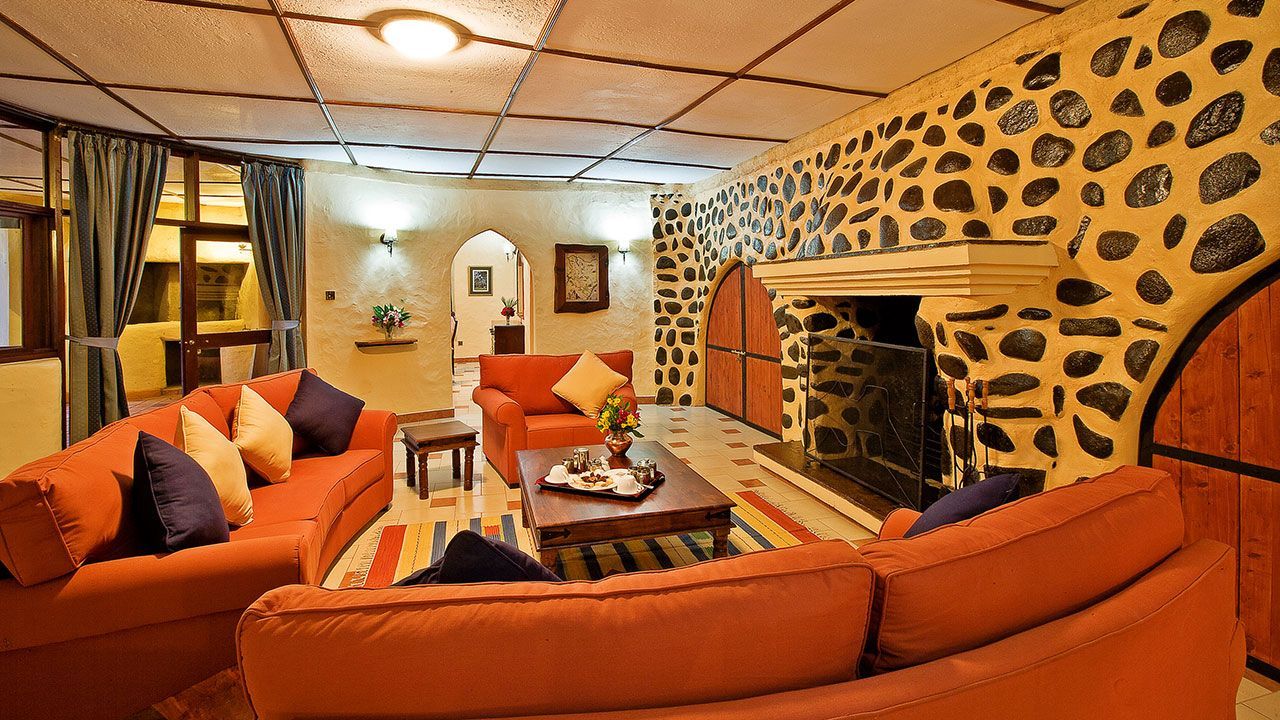
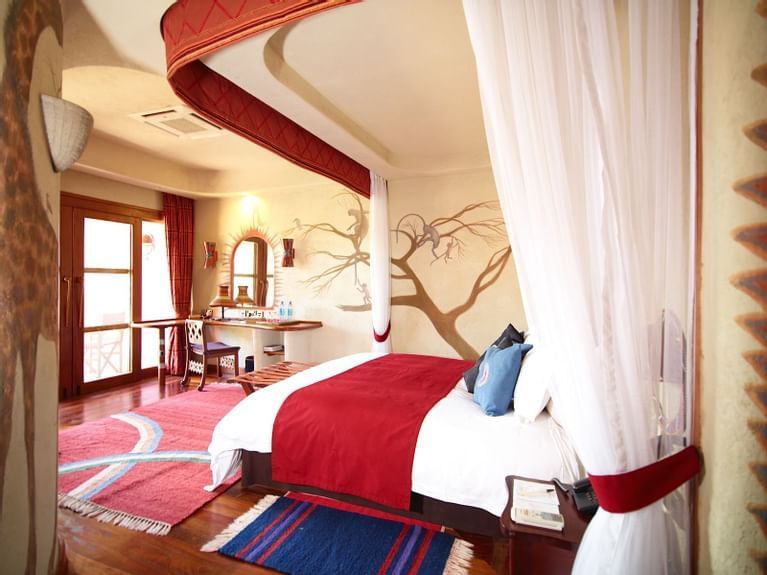
Amboseli Sopa Lodge
Just outside Amboseli National Park
Set in 200 acres of private land, and with a rustic charm all of its own, the Amboseli Sopa Lodge nestles in the foothills of Mount Kilimanjaro
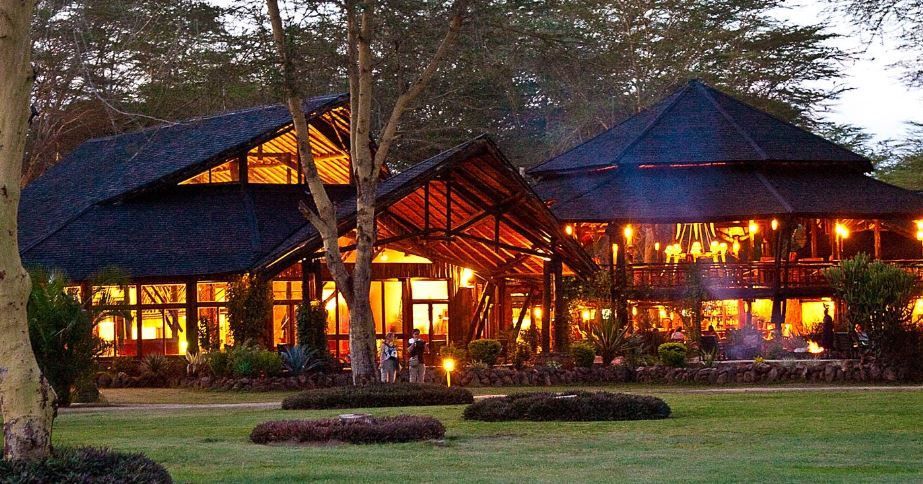
Amboseli Serena Safari Lodge
Amboseli National Park
The Amboseli Serena Safari Lodge is located within the Amboseli National Park and has great views over the plains towards Mount Kilimanjaro.
Ol Tukai Lodge
Amboseli National Park
Ol Tukai Lodges features 80 luxury chalet-style twin rooms, all with an uninterrupted view of the wetlands or the magnificent Mt. Kilimanjaro.
We have access to a wide range of handpicked accommodation options — from rustic eco-camps and authentic bush lodges to stylish tented retreats with breathtaking views. If you don’t see the exact lodge or camp you’re looking for, just let us know — we can arrange a variety of stays to suit different tastes, travel styles, and budgets.
Average Weather and Climate in Ankarana & Montagne d’Ambre
Montagne d’Ambre’s higher altitude (up to 1,475 metres) means cooler conditions than much of Madagascar, with daytime highs around 18–24°C and chilly nights that may drop to 10°C. This makes trekking comfortable year-round, though mist and rain are common.
Ankarana, at lower altitudes, is hotter and drier. Daytime temperatures reach 28–32°C during the dry months, dropping only slightly at night. In the wet season, intense downpours can cause flooding in caves and rivers, while vegetation becomes lush and green.
The dry season (April to November) is the most comfortable for visitors, with clearer skies and easier trail access. The wet season (December to March) transforms Montagne d’Ambre into a vivid rainforest spectacle, ideal for those who don’t mind rain and mud.
Both parks offer unique rewards depending on the season: cool rainforest treks under misty canopies in Montagne d’Ambre, or surreal dry-season explorations among Ankarana’s tsingy pinnacles.
Combine with Other Destinations
Ankarana and Montagne d’Ambre combine beautifully with Nosy Be, Madagascar’s island paradise known for beaches and marine life.
After rainforest treks and tsingy adventures, Nosy Be offers snorkelling, diving, and relaxation.
They also link well with Amber Mountain’s neighbouring reserves and the Red Tsingy formations near Diego Suarez, adding striking geological variety. For those with more time, a journey south to Ankarafantsika National Park provides a dry forest contrast with baobabs and unique birdlife.
Easily accessed from Diego Suarez, these parks are perfect as the northern anchor of a Madagascar adventure.
Speak to us about weaving them into a tailor-made itinerary that captures the best of Madagascar’s wild north.
Travelling from the UK to Ankarana
Travellers from the UK typically fly into Antananarivo with connections via Paris, Addis Ababa, or Nairobi (journeys take around 14–16 hours). From the capital, domestic flights connect to Diego Suarez (Antsiranana), the nearest hub for both parks.
From Diego Suarez, Montagne d’Ambre is just an hour’s drive, while Ankarana lies around four to five hours away by road. The transfers themselves are scenic, passing through villages, plantations, and striking landscapes.
UK visitors need a visa for Madagascar, available on arrival or online. Passports should be valid for at least six months beyond entry. Malaria precautions and recommended vaccinations apply, and Awake in the Wild provides tailored health guidance during trip planning.
We manage all logistics, from international flights to domestic transfers, ensuring your journey is seamless and stress-free.
Discover the Wild, Your Way: Tailor Your Ankarana & Montagne d’Ambre Safari with Us
Few destinations offer contrasts as dramatic as Ankarana and Montagne d’Ambre: rainforest mist and waterfalls one day, jagged tsingy and hidden caves the next. Together they showcase the wild north of Madagascar in all its diversity — intimate, adventurous, and utterly unforgettable.
Talk to us about the experiences you’ve always dreamed of. We’ll match you with handpicked lodges, expert local guides, and authentic adventures that bring Ankarana & Montagne d’Ambre to life.
Speak to one of our safari specialists today — call us or fill out our quick enquiry form, and let’s start planning your tailor-made adventure.
Send an Enquiry
We will get back to you as soon as possible.
Please try again later.
Frequently Asked Questions
What is the best time to visit Ankarana & Montagne d’Ambre?
The dry season, from April to November, is the most comfortable time to visit. Trails are easier to navigate, skies are clearer, and wildlife sightings are more predictable. The wet season (December–March) brings heavy rains but also orchids, amphibians, and vibrant rainforest scenery, particularly in Montagne d’Ambre.
Are these parks suitable for first-time visitors to Madagascar?
Yes — they’re among the most accessible reserves in northern Madagascar. Montagne d’Ambre is only an hour’s drive from Diego Suarez, while Ankarana can be reached in around four to five hours. Both parks offer excellent guiding and rewarding wildlife encounters, making them ideal for first-time travellers.
What wildlife can I expect to see?
Montagne d’Ambre is famous for crowned lemurs, Sanford’s brown lemurs, and an incredible diversity of chameleons — from giant Parson’s to tiny Brookesia species. Birdlife includes the Madagascar crested ibis and amber mountain rock thrush. In Ankarana, expect crowned lemurs, sportive lemurs, civets, fossas, bat-filled caves, and crocodiles lurking in subterranean rivers.
How physically demanding are the activities?
Both parks are best explored on foot. Montagne d’Ambre has well-marked rainforest trails that range from gentle to moderate. Ankarana is more demanding, with rugged tsingy landscapes, suspension bridges, and cave explorations. A reasonable level of fitness and sturdy footwear are recommended.
Can Ankarana & Montagne d’Ambre be combined with other destinations?
Yes — they combine perfectly with Nosy Be for beaches and marine life, the Red Tsingy near Diego Suarez for dramatic geology, or Ankarafantsika National Park further south for contrasting dry forest and baobab landscapes. They’re excellent as the northern highlights of a longer Madagascar itinerary.
Are the parks family-friendly?
Yes, families often enjoy both parks, though Ankarana’s rugged landscapes may be more challenging for younger children. Montagne d’Ambre is particularly suitable, with cooler weather, shorter trails, and exciting wildlife like lemurs and chameleons that captivate kids.
Are the parks safe to visit?
Yes — both are considered safe for visitors. Treks are always guided, lodges are secure, and the main risks are environmental (slippery trails in the wet season, sharp tsingy formations in Ankarana). With proper footwear and guidance, most travellers find the experience safe and enjoyable.
What accommodation options are available nearby?
You’ll find eco-lodges, boutique retreats, and tented camps around both parks. Lodges near Montagne d’Ambre are often set in forested hills with cooler climates, while options near Ankarana offer easy access to tsingy trails and caves. Properties range from simple and rustic to comfortable eco-luxury.
How do I get there from the UK?
Travellers fly to Antananarivo with connections via Paris, Addis Ababa, or Nairobi (around 14–16 hours). From there, a domestic flight connects to Diego Suarez, the gateway to both parks. Montagne d’Ambre is just an hour’s drive, and Ankarana around four to five hours away. Awake in the Wild arranges all flights and transfers.
Do UK visitors need a visa for Madagascar?
Yes, UK passport holders require a visa, available on arrival in Antananarivo or online in advance. Passports must be valid for at least six months after entry. Awake in the Wild provides up-to-date visa, health, and travel guidance to ensure a smooth journey.