Skeleton Coast Safaris
Shipwreck-strewn beaches, ocean fog, and roaming elephants—embrace Skeleton Coast’s raw, untamed beauty.
Best Time To Go
June to October
(Dry Season)
High Season
July to October and January to February
Size
Approx 392 square kilometres
Altitude
1,180 metres
above sea level
Skeleton Coast Safari Holidays
Where desert dunes meet the restless Atlantic
The Skeleton Coast is one of the most dramatic and mysterious safari destinations in Africa — a place where towering ochre dunes crash into the wild Atlantic Ocean, and shipwrecks litter fog-shrouded beaches. Remote, haunting, and staggeringly beautiful, it’s a landscape like no other, offering an unforgettable combination of wilderness, adventure, and exclusivity.
For travellers seeking the extraordinary, a Skeleton Coast safari delivers awe at every turn.
Why Visit the Skeleton Coast?
The Skeleton Coast stretches along Namibia’s north-western shoreline, a place where the desert meets the sea in a spectacle of shifting dunes, rugged cliffs, and untamed surf. It’s often called the “Land God Made in Anger” — a name earned from its shipwreck-strewn shores, dense fogs, and sense of raw power.
This is a safari destination defined not by abundance, but by rarity. Desert-adapted elephants, lions, and hyenas roam dunes and dry riverbeds, surviving in one of the harshest environments on Earth. The landscapes are unlike anywhere else — bleached whale bones on desolate beaches, rusting hulls stranded in the sand, and endless horizons that seem to dissolve into the sky.
The Skeleton Coast is also about solitude and scale. Unlike Etosha or the Serengeti, you won’t encounter crowds here. Instead, you’ll discover a frontier where silence is broken only by the crash of waves, the call of seabirds, or the crunch of your footsteps on sand. It’s this remoteness that makes the Skeleton Coast one of the most exclusive safari experiences in Africa.
Adding a cultural element, the Himba people of Kaokoland live not far inland, their semi-nomadic traditions offering insight into desert survival and resilience. Visiting the Skeleton Coast is as much a journey into human endurance as it is into wilderness.
Wildlife and Nature
Step onto the Skeleton Coast and you step into a paradox — a desert alive with improbable life. Along the shore, Cape fur seals gather in vast colonies, their barks and bellows echoing over the surf. In the skies above, thousands of cormorants and flamingos drift, contrasting the stark backdrop of sand and fog.
Venture inland, and you enter the realm of desert-adapted elephants. These extraordinary animals roam dry riverbeds in search of water, their wide-ranging journeys a testament to resilience. Alongside them, elusive desert lions prowl, known for their unique ability to hunt along the dunes and even scavenge marine carrion — a behaviour found nowhere else in the world.
The Skeleton Coast is also home to brown hyenas, oryx, springbok, jackals, and the occasional giraffe, all thriving against the odds. Seasonal rains bring unexpected transformations: dry riverbeds burst into life with greenery, attracting herds and birds. During cooler months, dense coastal fogs roll inland, providing essential moisture that sustains both plant and animal life.
Conservation plays a key role here. Organisations like the Desert Lion Project study predator behaviour in this extreme environment, while Namibia’s community conservancy model ensures tourism benefits local people. Every encounter in this stark wilderness is precious, because survival here is never guaranteed.
Photographers find the Skeleton Coast irresistible: a lion padding across orange dunes, elephants dwarfed by canyon walls, or rusting shipwrecks half-swallowed by sandstorms. The interplay of wildlife and wasteland creates images found nowhere else in Africa.
Best Time to Visit the Skeleton Coast
The Skeleton Coast is shaped by the clash of desert heat and cold Atlantic currents, creating a unique climate of fog, wind, and shifting light.
Dry Season (May – October): This is the best time for exploration. Days are mild, skies are clear, and wildlife gathers more predictably along riverbeds. Foggy mornings make for moody, atmospheric photography, while evenings bring spectacular sunsets over the dunes. July to October is peak season, with comfortable temperatures and the best chance of seeing desert-adapted lions and elephants.
Green Season (November – April): Rainfall is sparse but transformative. Short rains in December and January create bursts of desert bloom, with ephemeral grasses feeding antelope herds. Birdwatching peaks, with migratory species arriving along the coast. Photography is exceptional in this season, with striking contrasts of green against the red dunes and silver fog.
Special Highlights: The Skeleton Coast is less about mass migrations and more about rare moments — lions feeding on a seal carcass, fog enveloping a shipwreck, or elephants silhouetted against crimson dunes.
Each season brings its own surprises, making the park rewarding year-round.
Travel Insights: Coastal winds can be strong and mornings chilly due to fog, so layered clothing is essential. Road access is limited, and many areas are accessible only by fly-in safaris, which add to the exclusivity.
Safari Experiences in Skeleton Coast
The Skeleton Coast offers adventures found nowhere else in Africa — wild, dramatic, and unforgettable.
- Fly-In Scenic Safari: Arrive by small aircraft and witness one of the world’s most breathtaking landscapes from the sky. Shipwrecks scattered across endless sand, whale bones glistening on beaches, and dunes plunging straight into the sea — this flight sets the stage for your journey.
- Tracking Desert-Adapted Lions: Join expert guides in search of the Skeleton Coast’s legendary desert lions. Unlike any other population on earth, these lions have adapted to hunt in sandy riverbeds and even scavenge along the shore. Each sighting is a story of resilience.
- Seal Colony Encounters: Stand at the edge of Cape Cross or Möwe Bay, where tens of thousands of Cape fur seals bark, bellow, and dive into the surf. The noise, smell, and sheer scale of the colony create a raw, sensory experience you’ll never forget.
- Dune Drives and Desert Walks: Climb towering sand dunes for panoramic views of the desert colliding with the ocean. Guided walks reveal hidden desert life: beetles harvesting fog, lizards skittering across the sand, and hardy plants clinging to life in shifting sands.
- Shipwreck and Skeleton Discoveries: Explore the haunting remains of rusted trawlers and whaling stations, half-buried by sand. These relics tell tales of survival and loss, adding cultural depth to the safari. Photographers, in particular, find them spellbinding.
- Himba Cultural Encounters: Travel inland to meet the Himba people, one of Namibia’s most iconic tribes. Learn about their traditions, ochre body adornments, and survival strategies in one of the harshest environments on earth.
- Night Sky Stargazing: With no light pollution, the Skeleton Coast reveals the Milky Way in dazzling clarity. Evenings by the fire, under starlit skies, create some of the most moving memories of the safari.
Where to Stay in the Skeleton Coast
Skeleton Coast offers a wide range of accommodation options to suit different preferences and budgets, all set within or just outside the park boundaries. These typically include:
- Eco-Luxury Lodges: Exclusive lodges offer modern comfort in the heart of the wilderness. Expect private villas with floor-to-ceiling views, fine dining, and sustainable design that blends seamlessly with the desert.
- Tented Camps: For those seeking the romance of canvas, tented camps provide under-the-stars experiences with all the necessary comforts — ensuite bathrooms, campfire dining, and the thrill of hearing the Atlantic surf from your tent.
- Boutique Bush Retreats: Smaller, characterful retreats offer personalised service, eco-friendly practices, and authentic desert charm, often in remote locations where exclusivity is guaranteed.
- Mobile Fly-Camps: For true adventurers, mobile fly-camps immerse you in the raw wilderness, offering flexible itineraries and nights under a canopy of stars.
At Awake in the Wild, we work only with lodges and camps that meet our ethical and sustainability standards. Whether you’re looking for solar-powered luxury or a simple campfire safari experience, we’ll match you to the perfect base. If you don’t see the exact lodge or camp you’re looking for, just let us know — we’re able to arrange a variety of stays to suit different tastes, travel styles, and budgets.
A Selection of our Skeleton Coast Safari Accommodation
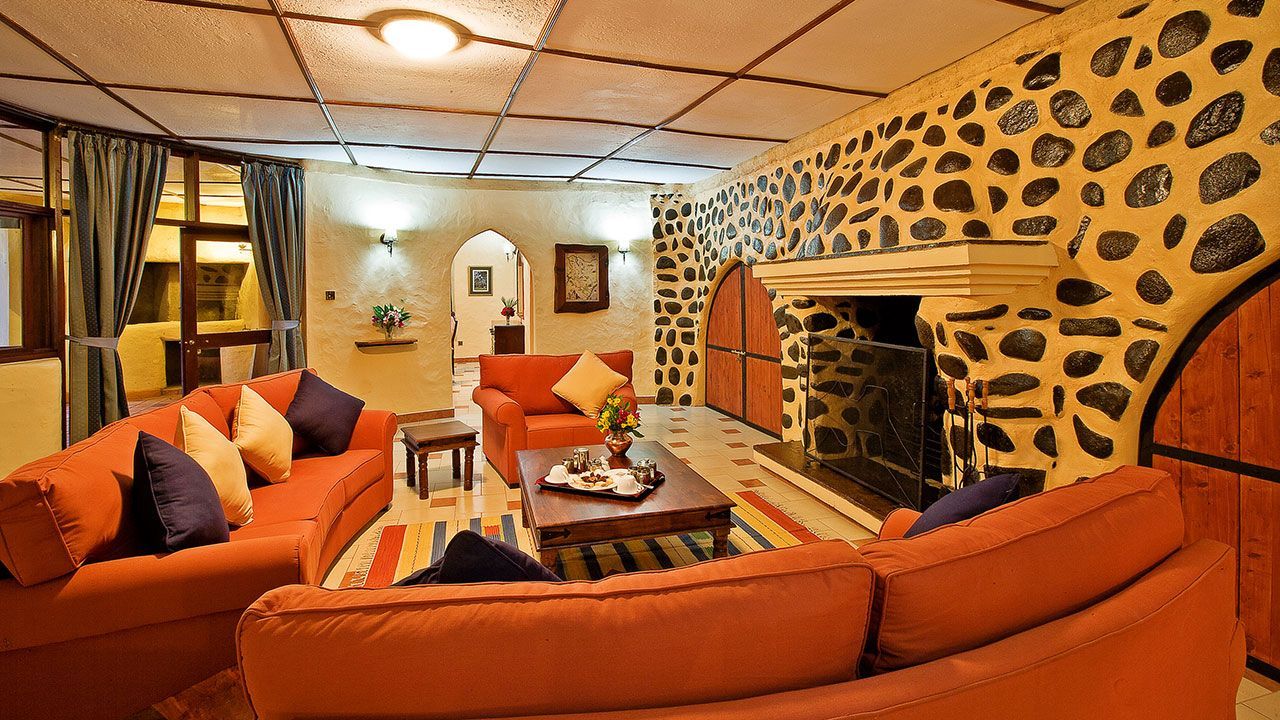
Amboseli Sopa Lodge
Just outside Amboseli National Park
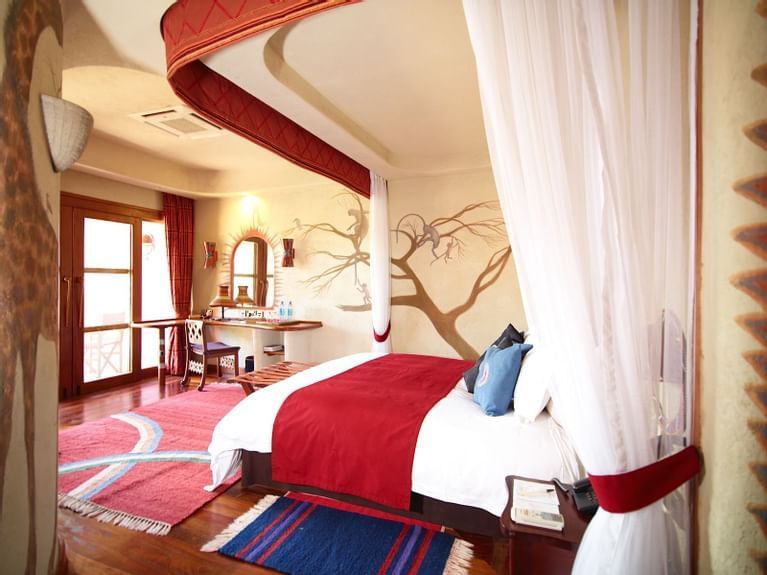
Set in 200 acres of private land, and with a rustic charm all of its own, the Amboseli Sopa Lodge nestles in the foothills of Mount Kilimanjaro
Amboseli Serena Safari Lodge
Amboseli National Park
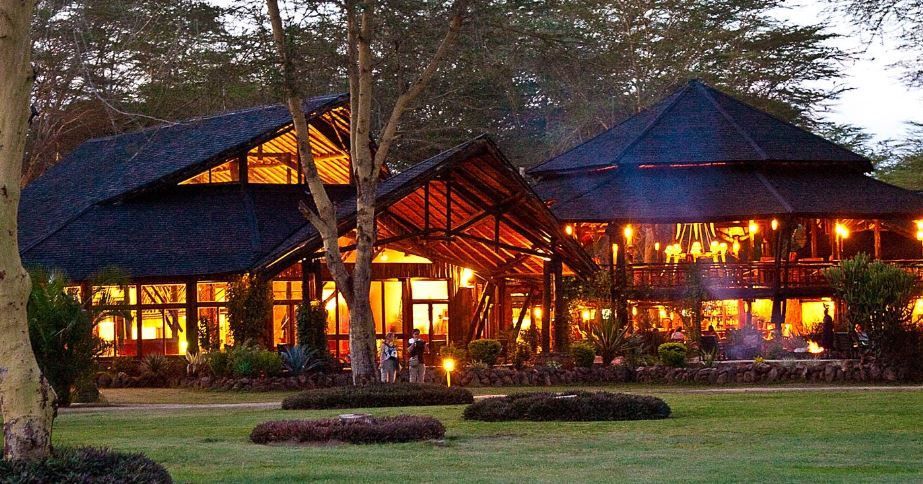
The Amboseli Serena Safari Lodge is located within the Amboseli National Park and has great views over the plains towards Mount Kilimanjaro.
Ol Tukai Lodge
Amboseli National Park
Ol Tukai Lodges features 80 luxury chalet-style twin rooms, all with an uninterrupted view of the wetlands or the magnificent Mt. Kilimanjaro.
We have access to a wide range of handpicked accommodation options — from rustic eco-camps and authentic bush lodges to stylish tented retreats with breathtaking views. If you don’t see the exact lodge or camp you’re looking for, just let us know — we can arrange a variety of stays to suit different tastes, travel styles, and budgets.
Average Weather and Climate in the Skeleton Coast
The Skeleton Coast’s climate is defined by extremes — hot desert air colliding with cold Atlantic currents.
Dry Season (May – October): Days are cool and clear, averaging 15–25°C. Nights can be chilly, dropping below 10°C with fog rolling inland. This is the best season for predictable wildlife viewing, comfortable exploration, and atmospheric photography.
Green Season (November – April): Occasional rains bring surprising greenery to riverbeds. Daytime temperatures rise above 30°C inland, but coastal breezes keep conditions bearable. Wildlife disperses more widely, but birdwatching peaks.
Unique Features: Fog is a defining characteristic here, providing vital moisture for plants and insects. Expect surreal landscapes where ghostly shipwrecks loom through mist and dunes glow orange beneath silver skies.
Despite its remoteness, the Skeleton Coast offers rewarding experiences year-round, with each season providing its own character — from foggy, moody mornings to blooming desert scenes.
Combine with Other Destinations
The Skeleton Coast pairs perfectly with Etosha National Park, offering travellers a contrast between wildlife-dense savannahs and haunting desert seascapes.
It also combines well with Damaraland, known for its rock art, desert elephants, and dramatic landscapes.
For a broader Namibian journey, link the Skeleton Coast with Sossusvlei’s red dunes, Swakopmund’s adventure sports, or even cross into Botswana’s Okavango Delta for lush wetlands after desert silence.
Its location makes it an ideal stop in a fly-in safari circuit, with many itineraries beginning in Windhoek and combining desert, wildlife, and coast.
Talk to us about creating a custom itinerary that brings Namibia’s contrasts to life.
Travelling from the UK to Skeleton Coast
Travellers from the UK typically fly into Windhoek (Hosea Kutako International Airport) via Johannesburg, Doha, or Addis Ababa. Flight times from London to Windhoek are around 13–15 hours, depending on connections.
From Windhoek, the Skeleton Coast is best accessed via scenic light aircraft flights, which take 2–3 hours and offer breathtaking views of the desert meeting the ocean. Road transfers are possible but long (8–10 hours), making fly-in safaris the preferred option.
UK passport holders do not require a visa for stays up to 90 days. Passports must be valid for at least six months beyond travel dates. Malaria risk is low, but standard travel vaccinations are recommended. Awake in the Wild provides up-to-date health and travel guidance as part of your booking.
From flights to lodge transfers, we handle all the details, ensuring a seamless journey so you can focus on the adventure ahead.
Discover the Wild, Your Way: Tailor Your Skeleton Coast Safari with Us
The Skeleton Coast is where dunes collapse into ocean, lions stalk along the shore, and shipwrecks lie frozen in time. It’s a destination of mystery, beauty, and extremes — a place that makes you feel small, yet profoundly alive. To stand on this remote shoreline is to experience one of Africa’s last true frontiers.
Talk to us about the experiences you’ve always dreamed of. We’ll match you with handpicked lodges, expert local guides, and authentic adventures that bring Skeleton Coast to life.
Speak to one of our safari specialists today — call us or fill out our quick enquiry form, and let’s start planning your tailor-made adventure.
Send an Enquiry
We will get back to you as soon as possible.
Please try again later.
Frequently Asked Questions
When is the best time to visit the Skeleton Coast?
The best time is during the dry, cooler months from May to October. Clear skies, manageable temperatures, and dramatic coastal fog create the perfect conditions for exploring. The green season (Nov–Apr) offers unique photography, flowering desert plants, and quieter visitor numbers.
Is the Skeleton Coast suitable for first-time safari travellers?
Yes, though it’s more suited to adventurous travellers. While wildlife densities are lower than Etosha or Chobe, the Skeleton Coast offers rare desert-adapted species, haunting landscapes, and a sense of isolation that makes it ideal for those looking for something unique.
What wildlife can I see on the Skeleton Coast?
Expect desert lions, elephants, and brown hyenas, all adapted to the harsh environment. Thousands of Cape fur seals line the beaches, while jackals and rare birds of prey patrol the skies. It’s also one of the best places to see the endangered black-backed jackal and occasional roaming oryx.
How do I get to the Skeleton Coast?
Most travellers fly into Windhoek, Namibia’s capital. From there, you can connect via a domestic flight to Swakopmund or Damaraland, or take a scenic overland drive. Many choose to combine the Skeleton Coast with Etosha or Sossusvlei on a wider itinerary.
Can I combine the Skeleton Coast with other destinations?
Yes. It pairs perfectly with Damaraland, Etosha National Park, and Sossusvlei. Each region offers contrasting experiences, from desert elephants to towering red dunes and salt pans teeming with wildlife.
Is the Skeleton Coast family-friendly?
Yes, though families should be prepared for long drives and remote settings. Children often love the shipwrecks, seal colonies, and sand dunes, but activities like long hikes or fly-in expeditions may suit older children best.
Is it safe to travel to the Skeleton Coast?
Yes. While remote, the Skeleton Coast is safe for visitors travelling with guides or organised tours. Its remoteness means it’s best visited with experts who know the terrain, weather patterns, and local wildlife.
What accommodation options are available?
Accommodation ranges from eco-luxury desert lodges and fly-in tented camps to more intimate, character-filled retreats. Many lodges offer stunning views over dunes, shipwrecks, or the wild Atlantic surf.
How does the climate affect safaris on the Skeleton Coast?
The coast is famous for its cool ocean fog, created where the Atlantic meets desert air. This provides life-giving moisture for both wildlife and plant life. Inland, days can be hot and dry, while nights are cool, making for a truly distinctive safari atmosphere.
Do UK travellers need a visa to visit the Skeleton Coast?
No. UK passport holders can enter Namibia visa-free for up to 90 days. Passports must be valid for at least six months after entry.