Gishwati–Mukura National Park Safaris
Rwanda’s Forest Gem: Primates, Birdsong, and Conservation Rebirth.
Best Time To Go
June to September and December to February
High Season
June to September
Size
Approx 34 square kilometres (Gishwati) + 16 square kilometres (Mukura)
Altitude
2,000m to 2,900 metres
above sea level
Gishwati–Mukura National Park Safari Holidays
Two Forests, One Extraordinary Comeback
Gishwati–Mukura National Park is a story of survival against the odds.
Once heavily degraded, these two ancient forests in Rwanda’s western highlands have been brought back from the brink, linked by a reforestation corridor that is reconnecting wildlife populations.
Here, mist curls through dense canopies alive with the calls of chimpanzees, golden monkeys, and a rainbow of birds.
Trails wind past giant tree ferns and tumbling streams, revealing a world that feels far removed from the modern pace. Visiting is like stepping into a conservation laboratory — intimate, biodiverse, and brimming with hope.
Why Visit Gishwati–Mukura National Park?
This park offers something entirely different from Rwanda’s savannahs and volcanoes: a deep-immersion forest experience focused on primates, birdlife, and rare montane ecosystems.
It’s one of the few places where you can trek for both chimpanzees and golden monkeys in the same day.
The relatively small size means low visitor numbers, so encounters feel private and unhurried.
Beyond wildlife, your visit supports ongoing habitat restoration and community projects that are reversing decades of environmental damage. It’s a chance to witness conservation in action while enjoying the raw beauty of Rwanda’s highlands.
Wildlife and Nature
Gishwati–Mukura shelters a remarkable diversity of life in a compact area.
The primate highlight is its chimpanzee group, often seen feeding in fruiting trees or calling across the forest. Golden monkeys add flashes of colour to the canopy, while L’Hoest’s and blue monkeys roam in playful troops.
Birdlife is prolific, with over 230 recorded species, including Albertine Rift endemics such as the red-throated alethe and the Ruwenzori turaco.
The forest floor is dotted with orchids and medicinal plants, while butterflies drift through shafts of light in this lush montane world.
Best Time to Visit Gishwati–Mukura
The dry seasons — June to September and December to February — are the most comfortable for trekking, with firmer trails and clearer skies.
These months also coincide with good fruiting cycles for primates, increasing sighting chances.
The wetter months (March to May and October to November) transform the forest into a shimmering green paradise, with waterfalls in full flow and an uptick in bird activity.
However, rain can make trails slippery, so good boots and a flexible attitude are essential.
Safari Experiences in Gishwati–Mukura National Park
Chimpanzee Trekking in Gishwati Forest: Join expert trackers to follow the park’s habituated chimpanzee group through the dense forest. Along the way, you’ll learn to read the forest’s signs — feeding remains, calls, and nests — that reveal where the chimps have moved. The moment you first spot them, whether feeding high in the canopy or crossing the trail ahead, is unforgettable. Trek lengths vary depending on the chimps’ location, so every outing is a true adventure. Encounters are intimate, with only a handful of visitors allowed each day.
Golden Monkey Encounters: These striking primates, with their golden-orange fur and expressive faces, are a delight to watch. Trekking to find them takes you deeper into the forest, where they leap between bamboo stands and pull leaves from tender shoots. They are more playful and less shy than chimpanzees, often giving extended viewing opportunities. Photographers love their vivid colouring against the green backdrop. Seeing them in the wild is an experience that feels both rare and joyful.
Birding in the Albertine Rift: Gishwati–Mukura’s position in the Albertine Rift makes it a magnet for endemic bird species. Guided birding walks reveal species like the regal sunbird, stripe-breasted tit, and handsome francolin. The chorus begins at dawn, with turacos calling from the treetops and flycatchers flitting through the undergrowth. Even casual birders will be struck by the variety of colour, song, and movement. Bring binoculars and patience — you’ll be rewarded.
Exploring the Forest Restoration Corridor: Walk the reforestation corridor that links Gishwati and Mukura, a living bridge between two ecosystems. Rangers explain how the land was reclaimed from farming, planted with native trees, and now serves as a wildlife highway. Along the way, you might see fresh chimpanzee tracks or hear the rustle of monkeys moving between forests. It’s conservation made visible, and a reminder of what’s possible with time and commitment.
Where to Stay in Gishwati–Mukura National Park
Accommodation is limited but charming, ensuring a peaceful stay in keeping with the park’s quiet appeal.
- Forest Lodges — Comfortable rooms or cottages near the park edge, with sweeping views over the canopy.
- Eco-Camps — Tented stays offering immersion in nature with minimal environmental footprint.
- Community Guesthouses — Locally run stays that offer cultural insight and direct benefits to surrounding villages.
We have access to a wide range of handpicked accommodation options in Gishwati–Mukura National Park — from rustic eco-camps and authentic forest lodges to community-run guesthouses. If you don’t see the exact lodge or camp you’re looking for, just let us know — we’re able to arrange a variety of stays to suit different tastes, travel styles, and budgets.
A Selection of our Gishwati–Mukura National Park Safari Accommodation
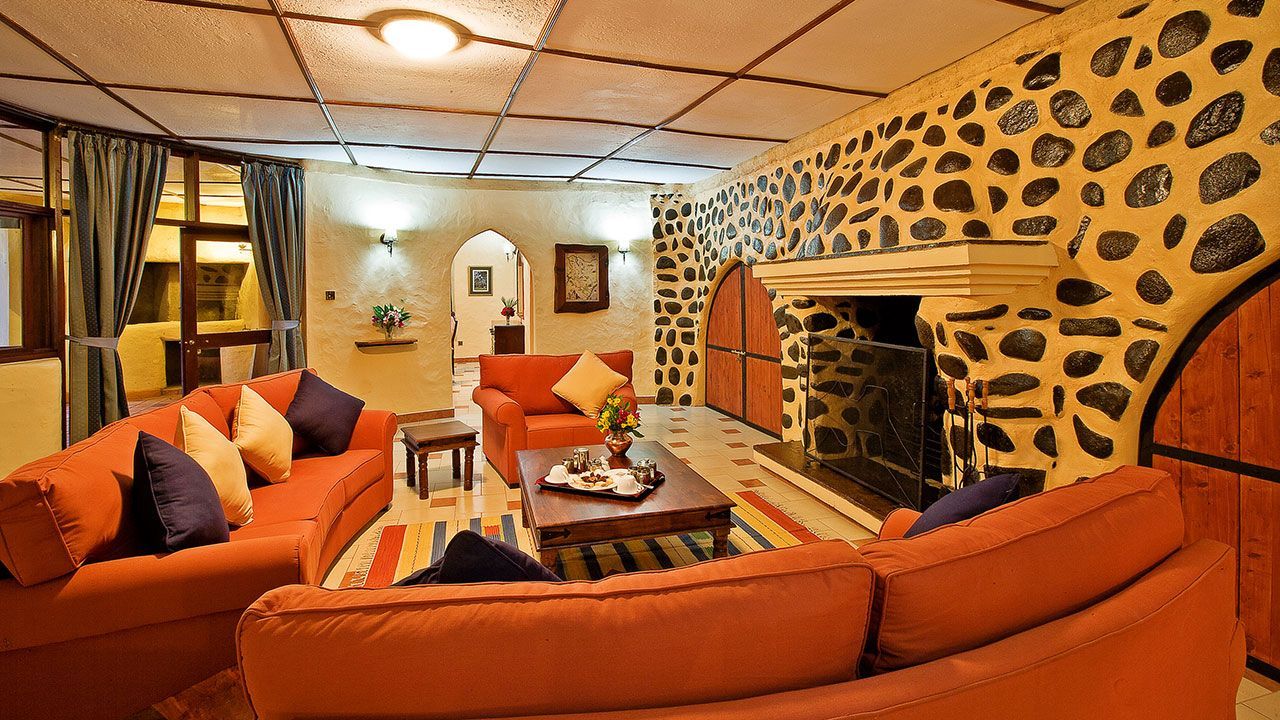
Amboseli Sopa Lodge
Just outside Amboseli National Park
Set in 200 acres of private land, and with a rustic charm all of its own, the Amboseli Sopa Lodge nestles in the foothills of Mount Kilimanjaro
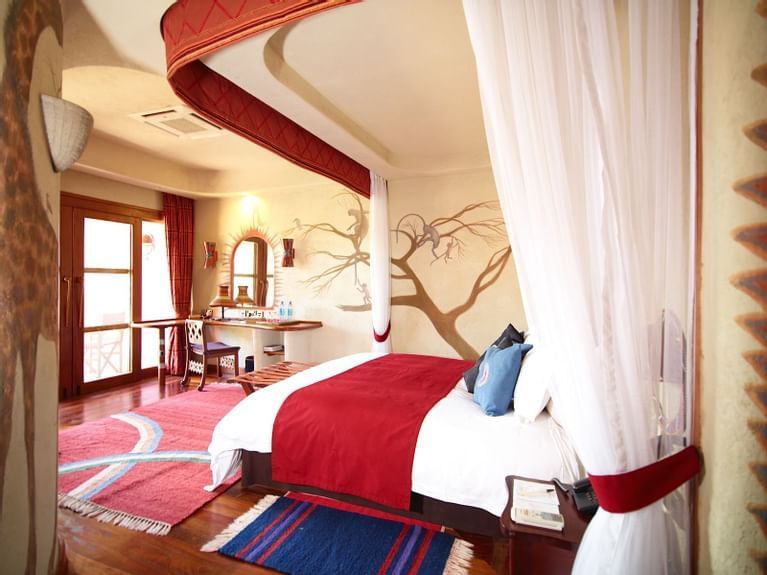
Amboseli Serena Safari Lodge
Amboseli National Park
The Amboseli Serena Safari Lodge is located within the Amboseli National Park and has great views over the plains towards Mount Kilimanjaro.
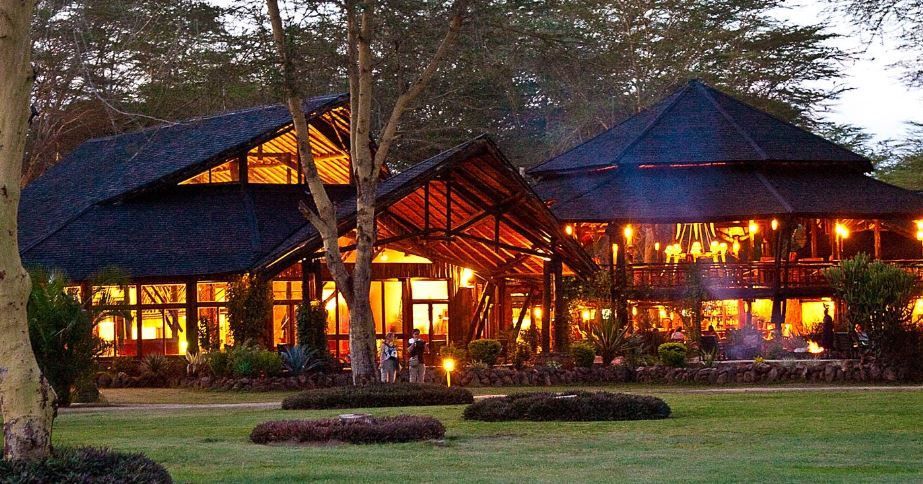
Ol Tukai Lodge
Amboseli National Park
Ol Tukai Lodges features 80 luxury chalet-style twin rooms, all with an uninterrupted view of the wetlands or the magnificent Mt. Kilimanjaro.
We have access to a wide range of handpicked accommodation options — from rustic eco-camps and authentic bush lodges to stylish tented retreats with breathtaking views. If you don’t see the exact lodge or camp you’re looking for, just let us know — we can arrange a variety of stays to suit different tastes, travel styles, and budgets.
Average Weather and Climate in Gishwati–Mukura National Park
The park’s high elevation keeps temperatures pleasantly cool, even in the warmer months.
- January: Dry, cool mornings; excellent trekking conditions.
- February: Similar to January; primates active in fruiting trees.
- March: Start of long rains; lush foliage, great birding.
- April: Peak rains; forest at its most vibrant, trails muddy.
- May: Rains ease; fresh, clear post-rain views.
- June: Dry season begins; 15–23°C days, firm trails.
- July: Cool, crisp mornings; great visibility for photography.
- August: Dry, sunny spells; high wildlife activity.
- September: End of dry season; primates still easy to find.
- October: Short rains start; fresh greenery, active birds.
- November: Continued short rains; waterfalls in full flow.
- December: Dry, bright, and excellent for trekking.
Whatever the month, the forest’s magic remains constant — a lush, intimate world teeming with life.
Combine with Other Destinations
Gishwati–Mukura is ideally combined with Rwanda’s other national parks.
Begin with gorilla trekking in Volcanoes National Park, continue to Nyungwe Forest for chimpanzee tracking and canopy walks, and finish with a Big Five safari in Akagera.
For an even richer journey, add Lake Kivu for lakeside relaxation or cross into Uganda for further primate encounters.
Talk to us about creating a custom itinerary.
Travelling from the UK to Gishwati–Mukura
Fly from London to Kigali via hubs such as Brussels, Amsterdam, or Doha, with travel times of 11–14 hours including layovers.
From Kigali, it’s a 3–4 hour drive to the park, with scenic views of Rwanda’s rolling hills and rural life along the way.
Transfers can be arranged by private vehicle or as part of a guided itinerary.
Discover the Wild, Your Way: Tailor Your Gishwati–Mukura Safari with Us
Gishwati–Mukura offers a safari of a different kind — slower, quieter, and deeply rewarding. Whether you dream of locking eyes with a chimpanzee, following the playful leaps of golden monkeys, or simply listening to the forest’s layered soundtrack, we’ll make it happen.
Talk to us about the experiences you’ve always dreamed of. We’ll match you with handpicked lodges, expert local guides, and authentic adventures that bring Gishwati–Mukura to life.
Speak to one of our safari specialists today — call us or fill out our quick enquiry form, and let’s start planning your tailor-made adventure.
Send an Enquiry
We will get back to you as soon as possible.
Please try again later.
Frequently Asked Questions
When is the best time to visit?
June–September and December–February for dry, comfortable trekking.
Is it suitable for first-time safari travellers?
Yes — it’s an easy extension to a Rwanda itinerary, especially for primate lovers.
What wildlife can I expect to see?
Chimpanzees, golden monkeys, L’Hoest’s monkeys, blue monkeys, and 230+ bird species.
Are guided treks available?
Yes — all primate treks are guided by experienced trackers.
Can I combine this with other Rwanda parks?
Absolutely — it works perfectly with Volcanoes, Nyungwe, and Akagera.
Is it family-friendly?
Older children with an interest in nature will enjoy it; treks can be tailored for ability.
Is it safe to visit?
Yes — well-managed and accompanied by trained guides.
What’s the accommodation style?
Small lodges, eco-camps, and community-run guesthouses.
Do UK travellers need a visa?
Yes — Rwanda offers e-visas and visas on arrival for UK citizens.
Title or Question
Describe the item or answer the question so that site visitors who are interested get more information. You can emphasize this text with bullets, italics or bold, and add links.