Okavango Delta Safaris
A living Eden of shimmering waterways, rich wildlife, and untamed wilderness.
Best Time To Go
July to October (dry season, peak wildlife viewing)
High Season
June to October
Size
Approx 22,000 square kilometres (floodplains, lagoons, and channels)
Altitude
940 metres
above sea level
Okavango Delta Safari Holidays
Where Floodplains Bloom and Lions Roam
The Okavango Delta is one of Africa’s most extraordinary safari destinations — a vast inland oasis where the Kalahari Desert meets life-giving water. Seasonal floods transform this wilderness into a shimmering paradise of lagoons, islands, and channels, drawing some of the continent’s richest concentrations of wildlife.
For travellers seeking an iconic safari experience unlike anywhere else on earth, the Okavango Delta is utterly unmissable.
Why Visit The Okavango Delta?
The Okavango Delta lies in northern Botswana, formed by the Okavango River spilling into the sands of the Kalahari rather than the sea. This unique setting creates one of the world’s largest inland deltas, a landscape of floodplains, papyrus-fringed channels, and palm-dotted islands that feels almost dreamlike in its beauty.
What sets the Okavango apart is its dramatic seasonal rhythm. Each year, floodwaters arrive from Angola, spilling across the delta’s fan-shaped basin and breathing life into its channels. This contrast between dry desert and lush waterways attracts astonishing numbers of animals, particularly during the dry winter months when water sources elsewhere are scarce.
Unlike classic savannah destinations, the Okavango is defined by diversity. Here, you’ll experience everything from tranquil mokoro journeys along reed-lined streams to thrilling big cat sightings on the floodplain. It’s also home to the endangered African wild dog, a species thriving in these rich hunting grounds.
A safari in the Okavango Delta is also an immersion in wilderness at its purest. Many camps are only accessible by light aircraft, ensuring exclusivity and intimacy. Days begin with the calls of fish eagles and end with the glow of lanterns reflected on quiet lagoons — an experience that sets it apart from any other safari in Africa.
Wildlife and Nature
The Okavango Delta is a mosaic of habitats, each offering its own wildlife encounters. From papyrus swamps and lily-filled lagoons to mopane forests and open floodplains, the scenery shifts constantly, and so too does the wildlife.
Elephants dominate here in immense numbers, moving gracefully between islands and channels. Buffalo herds gather on the plains, while giraffes pick their way through acacia groves. Predators are in their element — lions stalk the floodplains, leopards lurk in riverine woodlands, and wild dogs hunt with breathtaking speed.
Cheetahs, hyenas, and smaller carnivores add to the drama.
Seasonality adds to the magic. During the dry season (July–October), floodwaters concentrate animals along shrinking channels, creating some of Africa’s most reliable game viewing. In the green season (November–March), the delta bursts into colour, with migratory birds arriving in their thousands and antelope giving birth in synchrony, filling the floodplains with new life.
The birdlife alone is world-class — over 400 species thrive here, from lilac-breasted rollers and wattled cranes to the haunting call of the African fish eagle. Conservation is also central: projects like the Okavango Wilderness Project safeguard this UNESCO World Heritage Site as one of the planet’s most pristine ecosystems.
What makes the Okavango different is the intimacy of its encounters. Imagine drifting silently in a mokoro as a pod of hippos surfaces nearby, or photographing lions reflected in golden floodwaters.
The sheer variety and abundance of wildlife, set against the surreal landscapes of a living delta, makes this one of the world’s greatest natural theatres.
Best Time to Visit The Okavango Delta
The Okavango Delta is a year-round safari destination, but the experience changes dramatically with the seasons.
Dry Season (July–October): This is the classic time to visit. Days are warm, skies clear, and animals gather in huge numbers along the shrinking floodplains. Game drives are at their most rewarding, with predators highly active and the floodwaters at their fullest.
It’s also the peak season for mokoro journeys, boating safaris, and iconic photography with dramatic reflections and sunsets.
Green Season (November–March): With the rains comes renewal. Grasses turn emerald, flowers bloom, and migratory birds arrive in force. It’s calving season for antelope, drawing predators and offering thrilling predator-prey interactions.
While some areas can be harder to reach, this season rewards photographers with vibrant colours, fewer crowds, and lower lodge rates.
Shoulder Seasons (April–June): These months mark the arrival of floodwaters from Angola, transforming the landscape into a glittering mosaic of lagoons and channels.
It’s a spectacular time for scenic flights and mokoro excursions, as wildlife begins to shift toward the newly inundated areas.
Whichever season you choose, the Okavango Delta promises exceptional safari moments.
For travellers seeking drama and density, the dry months excel; for those drawn to lush scenery and birdlife, the green season is magical.
Safari Experiences in The Okavango Delta
The Okavango Delta offers some of Africa’s most iconic safari activities, each shaped by its unique landscapes of water and floodplain. Every day brings a new perspective, whether from a canoe, vehicle, or the air.
- Mokoro Safaris: A Journey into Silence: Glide through narrow channels in a traditional dugout canoe, poled silently by expert guides. You’ll drift past water lilies, reed frogs, and kingfishers, with the chance of seeing elephants and antelope at the water’s edge. The stillness and intimacy of a mokoro safari make it one of the most unforgettable ways to experience the delta.
- Game Drives Across the Floodplains: Open 4x4 vehicles bring you close to the delta’s predators — lions resting in the shade, leopards stalking through riverine woodland, and packs of wild dogs on the hunt. Game drives here are dynamic and varied, with landscapes shifting from savannah to swamp within minutes.
- Scenic Flights Over a Living Mosaic: Few experiences compare to a flight over the Okavango. From above, you’ll see the labyrinth of waterways glinting in the sun, elephants moving between islands, and herds of buffalo stretching across the floodplain. It’s a perspective that captures the scale and beauty of this UNESCO World Heritage Site.
- Walking Safaris on Remote Islands: Guided walks offer an intimate, ground-level perspective of the bush. Track wildlife through the sand, learn about medicinal plants, and encounter smaller creatures often missed on drives. Walking the delta’s islands brings a sense of connection and adventure that’s uniquely rewarding.
- Boating Safaris at Sunset: Motorboat excursions explore the broader channels and lagoons, where hippos snort, crocodiles bask, and birdlife abounds. At sunset, the water turns molten gold — a magical backdrop for sundowners on the water.
- Cultural Encounters with the Bayei and Hambukushu: The delta is also home to communities who have lived with its waters for generations. Meeting local people, hearing their stories, and learning about traditional mokoro building adds depth and meaning to your safari.
Where to Stay in The Okavango Delta
The Okavango Delta offers a wide range of accommodation options to suit different preferences and budgets, all set within or just outside the reserve. These typically include:
- Eco-luxury lodges: Positioned on islands or overlooking lagoons, these lodges offer spacious suites, private plunge pools, and gourmet dining. Many are solar-powered and blend sustainability with indulgence, perfect for travellers seeking refined comfort in the wild.
- Tented camps: The quintessential Okavango experience, these under-canvas retreats combine romance with practicality. Expect ensuite bathrooms, cosy furnishings, and the sound of hippos grunting nearby as you fall asleep under canvas.
- Boutique bush retreats: Intimate, character-rich stays where personalised hosting and authentic touches create a sense of exclusivity. Often family-owned or community-run, these camps offer a strong sense of place.
- Mobile fly-camps: For adventurous travellers, mobile camps move with the seasons, offering raw yet comfortable immersion in the wild. Nights by the campfire, under star-filled skies, provide some of the delta’s most authentic safari moments.
- Houseboats: Unique to the Okavango’s channels, houseboats allow guests to wake up surrounded by water and wildlife, with fishing, birdwatching, and sunset decks right on the doorstep.
At Awake in the Wild, we work only with lodges and camps that meet our ethical and sustainability standards. Whether you’re looking for solar-powered luxury or a simple campfire safari experience, we’ll match you to the perfect base. If you don’t see the exact lodge or camp you’re looking for, just let us know — we’re able to arrange a variety of stays to suit different tastes, travel styles, and budgets.
A Selection of our Okavango Delta Safari Accommodation
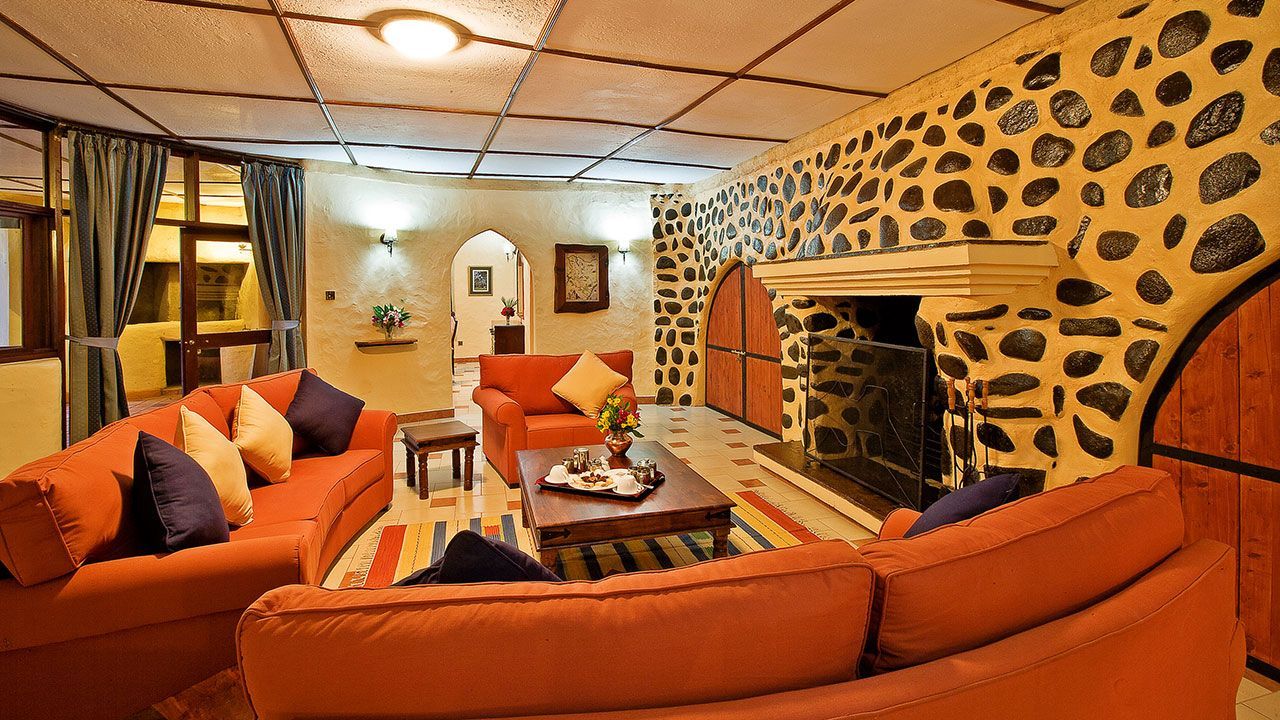
Amboseli Sopa Lodge
Just outside Amboseli National Park
Set in 200 acres of private land, and with a rustic charm all of its own, the Amboseli Sopa Lodge nestles in the foothills of Mount Kilimanjaro
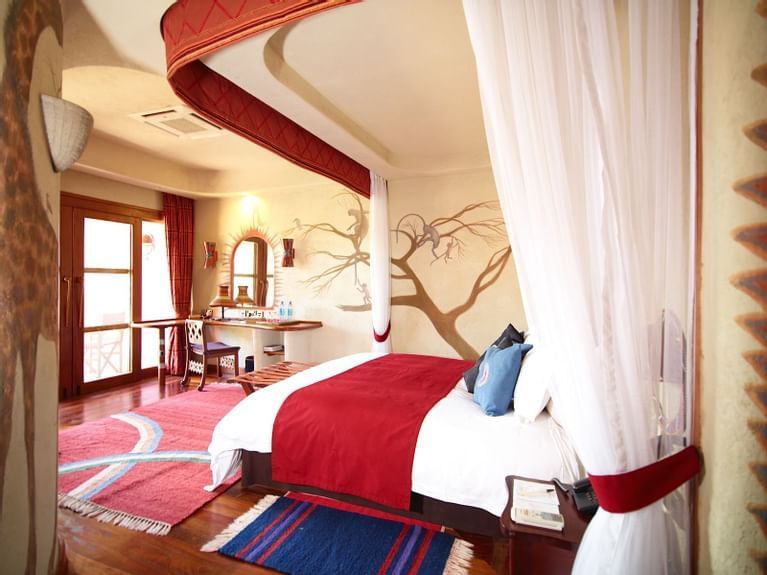
Amboseli Serena Safari Lodge
Amboseli National Park
The Amboseli Serena Safari Lodge is located within the Amboseli National Park and has great views over the plains towards Mount Kilimanjaro.
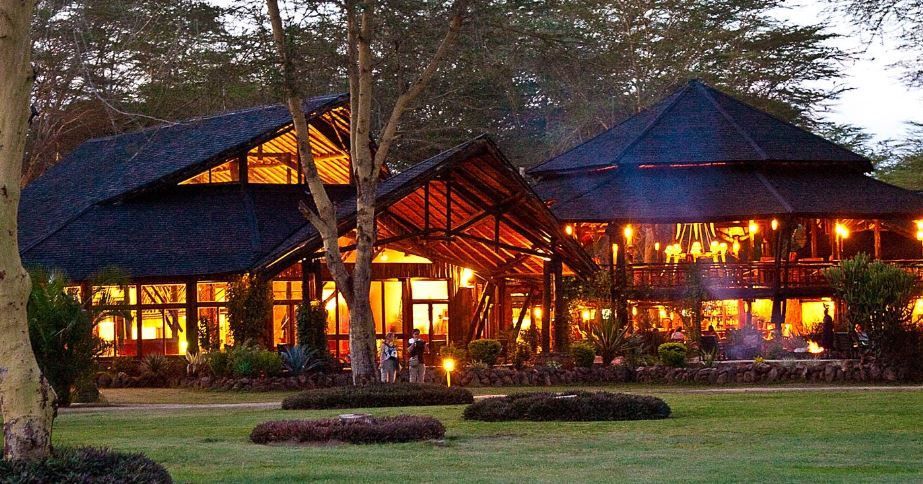
Ol Tukai Lodge
Amboseli National Park
Ol Tukai Lodges features 80 luxury chalet-style twin rooms, all with an uninterrupted view of the wetlands or the magnificent Mt. Kilimanjaro.
We have access to a wide range of handpicked accommodation options — from rustic eco-camps and authentic bush lodges to stylish tented retreats with breathtaking views. If you don’t see the exact lodge or camp you’re looking for, just let us know — we can arrange a variety of stays to suit different tastes, travel styles, and budgets.
Average Weather and Climate in The Okavango Delta
The Okavango Delta has a subtropical climate, shaped by both seasonal rains and annual floods from Angola.
Dry Season (May–October): Days are warm (25–30°C) and nights cool, sometimes dropping below 10°C in June–August. Vegetation thins, water concentrates, and wildlife gathers in extraordinary numbers, making this the best time for big game viewing. Dusty conditions and chilly mornings are the only trade-offs.
Wet/Green Season (November–March): Afternoon rains refresh the delta, turning it emerald green. Temperatures rise (30–35°C), birdlife flourishes, and antelope calving creates predator action. Some areas may become inaccessible by road, but this season offers spectacular photography and fewer visitors.
Flood Season (April–June): Unlike rainfall, the annual floods arrive from Angola months later, peaking between May and August. This transforms the landscape into a glittering wetland, ideal for mokoro and boating safaris.
The interplay of rain and flood creates one of the world’s most unique ecosystems — a living wilderness that changes character each season. Whatever time you visit, the Okavango offers a rewarding and unforgettable safari.
Combine with Other Destinations
The Okavango Delta pairs seamlessly with Botswana’s other safari icons.
Combine it with Chobe National Park for the world’s largest elephant herds, or with the Makgadikgadi Pans for stark desert contrast and meerkat encounters.
It also combines beautifully with Victoria Falls, just a short flight away, for a mix of safari and one of the world’s great natural wonders.
For those seeking remote wilderness, the Central Kalahari Game Reserve adds desert adventure to the delta’s water-based magic.
Thanks to its central location and well-connected airstrips, the Okavango Delta is a natural hub for multi-park itineraries.
Talk to us about creating a custom journey that links Botswana’s greatest highlights in one seamless safari.
Travelling from the UK to The Okavango Delta
Most UK travellers fly overnight from London to Johannesburg (approx. 11 hours) or via hubs such as Doha or Dubai. From Johannesburg, a short regional flight (2 hours) takes you to Maun, Botswana’s safari gateway. Alternatively, Kasane is another entry point, especially if combining with Chobe or Victoria Falls.
From Maun or Kasane, travellers connect to the Okavango by light aircraft — a scenic flight of 30–90 minutes depending on the camp. Some lodges can also be reached by 4x4 transfers, often an adventure in itself as you travel through remote bush and river crossings.
UK passport holders do not need a visa for Botswana and can stay up to 90 days. Passports should be valid for at least six months after travel. Malaria precautions are recommended, and vaccinations such as hepatitis A and tetanus should be up to date. Awake in the Wild provides tailored health and travel advice during trip planning.
With every detail — from flights to transfers — handled by our team, all you need to do is relax and prepare for the extraordinary.
Discover the Wild, Your Way: Tailor Your Okavango Delta Safari with Us
The Okavango Delta is a place of living magic — where lions stalk shimmering floodplains, fish eagles call from papyrus stands, and elephants wade through mirrored lagoons at sunset. It is Africa at its most poetic and powerful, offering a safari that touches both heart and soul.
Talk to us about the experiences you’ve always dreamed of. We’ll match you with handpicked lodges, expert local guides, and authentic adventures that bring the Okavango Delta to life.
Speak to one of our safari specialists today — call us or fill out our quick enquiry form, and let’s start planning your tailor-made adventure.
Send an Enquiry
We will get back to you as soon as possible.
Please try again later.
Frequently Asked Questions
What is the Okavango Delta famous for?
It’s renowned as Africa’s largest inland delta, a UNESCO World Heritage Site, and home to mokoro canoe safaris, wild dogs, elephants, and incredible birdlife.
When is the best time to visit?
July to October (dry season) offers peak game viewing, while November to March (green season) brings lush scenery, birdlife, and newborn animals.
Is the Okavango Delta suitable for first-time safari travellers?
Yes. Its mix of water and land safaris provides a varied and unforgettable introduction to African wildlife.
What wildlife can I see?
Big Five (lion, leopard, elephant, buffalo, rhino), plus wild dogs, cheetahs, red lechwe, giraffes, hippos, and 400+ bird species.
How do I get there from the UK?
Most travellers fly London–Johannesburg, then connect to Maun. From Maun, light aircraft transfers or 4x4 drives reach the lodges.
Can I combine it with other destinations?
Yes — Chobe National Park, Makgadikgadi Pans, Central Kalahari, and Victoria Falls are popular extensions.
Is it family-friendly?
Yes. Many lodges welcome families with child-friendly suites, activities, and family-oriented guides.
Is it safe to travel?
Yes. Botswana is one of Africa’s safest safari destinations, and lodges follow strict safety standards.
What accommodation options are available?
Eco-luxury lodges, classic tented camps, boutique retreats, mobile fly-camps, and even floating houseboats.
Do UK travellers need a visa?
No visa is required for UK passport holders staying up to 90 days. Passports must be valid for at least six months.