South Luangwa National Park Safaris
Leopard-rich valleys, walking safari origins, and untamed wilderness along the Luangwa River.
Best Time To Go
July to October
(Dry Season)
High Season
July to September
Size
Approx 9,050 square kilometres
Altitude
500–1,200 metres
above sea level
South Luangwa National Park Safari Holidays
Where Africa’s Wild Heart Beats Strong
South Luangwa National Park is one of Zambia’s most iconic safari destinations, famed for its high density of leopards, extraordinary walking safaris, and unspoilt wilderness. This is a place where wildlife thrives along the life-giving Luangwa River, and where every safari brings raw drama and intimacy.
For many, it is the ultimate African safari experience.
Why Visit South Luangwa National Park?
Situated in eastern Zambia, South Luangwa is the most accessible and well-known of the Luangwa Valley’s three national parks. Its location along the mighty Luangwa River ensures a constant supply of water and food, drawing incredible concentrations of animals year-round.
The park’s landscapes are breathtaking. Wide floodplains, oxbow lagoons, mopane and miombo woodlands, and groves of towering ebony trees create a rich mosaic of habitats. The Luangwa River, with its meandering channels and fertile banks, is the park’s lifeblood — a stage where elephants cross in silhouette and crocodiles bask in the heat of the day.
What sets South Luangwa apart is its pioneering role in walking safaris. This is the birthplace of the walking safari, where travellers leave the vehicle behind to experience the bush on foot. Every rustle in the grass, every track in the dust, becomes part of a thrilling story.
Unlike busier safari destinations, South Luangwa balances accessibility with authenticity. The park attracts fewer visitors than East Africa’s major reserves, ensuring that sightings — whether of a leopard draped across a branch or a pride of lions hunting buffalo — feel intimate, exclusive, and deeply personal.
Wildlife and Nature
South Luangwa’s landscapes are alive with drama and colour.
The river winds through the valley, creating lagoons and oxbows that shimmer under the sun. In the dry months, dust rises in golden clouds as elephants wander the floodplains. In the green season, emerald vegetation bursts into life, dotted with wildflowers and framed by stormy skies.
The park is renowned for its big predator populations. Leopards are especially common, with some of the best chances of sightings in Africa. Lions are widespread, often hunting buffalo, while packs of African wild dogs provide exhilarating encounters. Hyenas add to the predator hierarchy, often seen in clans at dusk.
Large herbivores thrive too — elephants roam in their hundreds, hippos crowd the riverbanks, and buffalo herds dominate the plains. South Luangwa is also home to two species rarely seen elsewhere: Thornicroft’s giraffe, with its distinctive markings, and Cookson’s wildebeest, endemic to the valley.
Birdlife is spectacular, with over 450 species recorded. From flocks of carmine bee-eaters nesting in riverbanks to soaring martial eagles, the skies are alive with wings. In the wet season, migratory species arrive, adding even greater diversity.
Seasons shape the safari. In the dry months, animals gather along the Luangwa River, creating intense predator-prey interactions. In the rains, the park is lush and vibrant, with newborn animals and colourful birdlife everywhere. Conservation organisations such as the Zambian Carnivore Programme are active here, ensuring predators and prey thrive in balance.
South Luangwa’s uniqueness lies in the closeness of its encounters. Watching a leopard descend a tree at dusk, or tracking lions on foot with a guide, delivers a thrill that is hard to match elsewhere in Africa.
Best Time to Visit South Luangwa
The dry season (July to October) is the most popular time to visit. Wildlife is concentrated along the Luangwa River, vegetation is sparse, and temperatures are warm, averaging 27–32°C during the day with cooler nights.
Game viewing is at its peak, with frequent predator sightings and dramatic encounters. Walking safaris are especially rewarding in these months.
The shoulder season (May–June) offers cooler weather and beautiful scenery as the park transitions out of the rains. Wildlife viewing improves steadily as water sources shrink, and the atmosphere feels calmer and less crowded.
The green season (November to April) brings heavy rains, transforming the park into a lush, green wonderland. This is the time for birdwatching, with migratory species arriving and nesting activity in full swing.
It’s also calving season for antelope, making predator activity exciting.
However, some camps close due to accessibility challenges.
Special highlights include the carmine bee-eater colonies, best seen from August to October, when thousands of vibrant birds gather to nest in the riverbanks.
The lush light of the green season is also perfect for photography, with stormy skies and vibrant greenery creating dramatic backdrops.
Travellers should note that roads may be muddy in the wet season, while dry months are dusty and hot.
Yet each season offers rewards, making South Luangwa a destination worth visiting year-round.
Safari Experiences in South Luangwa National Park
South Luangwa offers an unrivalled variety of safari experiences, each shaped by its landscapes, wildlife, and pioneering history. From walking safaris to predator tracking, every activity is immersive and unforgettable.
- Walking Safaris – The Original Wilderness Adventure: This is where walking safaris began, and they remain the ultimate way to experience South Luangwa. Guided by expert rangers, you’ll track animals on foot, discover plants and spoor, and feel the wilderness in its rawest form.
- Leopard Tracking at Dusk: South Luangwa is one of the best places in Africa to see leopards. Evening drives often reveal these elusive cats draped across branches or silently stalking prey — moments that deliver unmatched photographic drama.
- Birdwatching by the Riverbanks: The Luangwa River is alive with birdlife. Spot carmine bee-eaters nesting in colonies, listen to the call of fish eagles, and marvel at storks and herons in the lagoons. Birders will find every day packed with highlights.
- Night Drives Under the Stars: Few parks allow night drives, but South Luangwa does. With spotlights sweeping across the bush, nocturnal animals like genets, civets, hyenas, and leopards are revealed in thrilling encounters.
- Buffalo Herds and Lion Hunts: Watch enormous herds of buffalo graze across the floodplains, often shadowed by lions. The tension of predator-prey encounters here is some of the most dramatic in Africa.
- Cultural Connections in the Luangwa Valley: Meet local communities working alongside conservation projects, learning how their traditions and modern efforts combine to protect the valley’s wildlife. These encounters add depth to the safari, linking people and place.
Where to Stay in South Luangwa National Park
South Luangwa National Park offers a wide range of accommodation options to suit different preferences and budgets, all set within or just outside the park boundaries. These typically include:
- Eco-Luxury Lodges: Riverside lodges provide spacious suites with plunge pools, private decks, and sweeping views of the Luangwa River. Many are solar-powered and blend luxury with sustainability.
- Tented Camps: Classic under-canvas camps immerse you in the wild, with ensuite bathrooms, open-air dining, and the romance of sleeping close to nature. Seasonal camps operate in prime wildlife areas during the dry season.
- Boutique Bush Retreats: Smaller, intimate properties focus on character, charm, and personalised service. Often family-run, they offer authenticity and tranquillity in scenic settings.
- Mobile Bush Camps: For adventurous travellers, lightweight bush camps move seasonally, following game movements. Nights are spent around the fire, listening to lions roar in the distance.
At Awake in the Wild, we work only with lodges and camps that meet our ethical and sustainability standards. Whether you’re looking for solar-powered luxury or a simple campfire safari experience, we’ll match you to the perfect base. If you don’t see the exact lodge or camp you’re looking for, just let us know — we’re able to arrange a variety of stays to suit different tastes, travel styles, and budgets.
A Selection of our South Luangwa Safari Accommodation
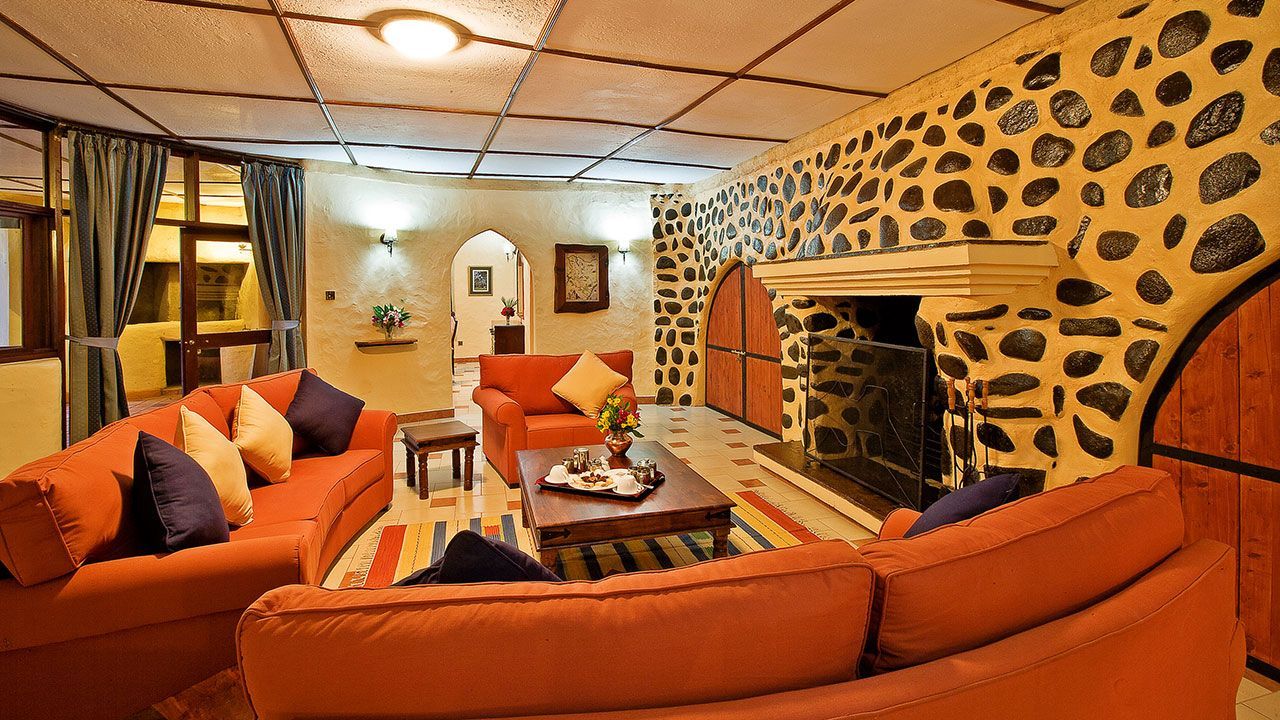
Amboseli Sopa Lodge
Just outside Amboseli National Park
Set in 200 acres of private land, and with a rustic charm all of its own, the Amboseli Sopa Lodge nestles in the foothills of Mount Kilimanjaro
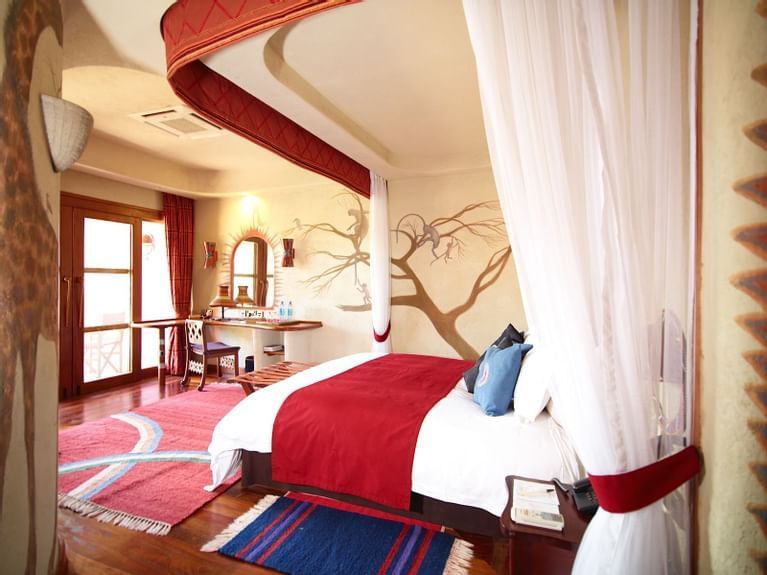
Amboseli Serena Safari Lodge
Amboseli National Park
The Amboseli Serena Safari Lodge is located within the Amboseli National Park and has great views over the plains towards Mount Kilimanjaro.
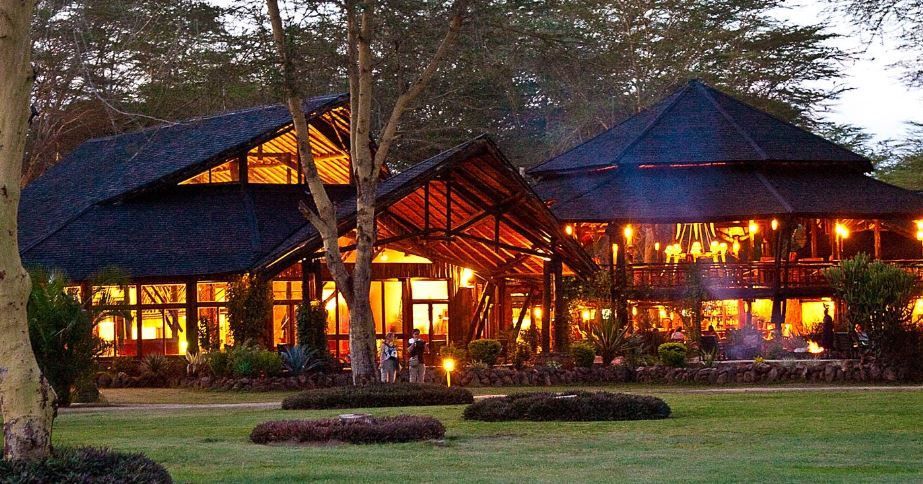
Ol Tukai Lodge
Amboseli National Park
Ol Tukai Lodges features 80 luxury chalet-style twin rooms, all with an uninterrupted view of the wetlands or the magnificent Mt. Kilimanjaro.
We have access to a wide range of handpicked accommodation options — from rustic eco-camps and authentic bush lodges to stylish tented retreats with breathtaking views. If you don’t see the exact lodge or camp you’re looking for, just let us know — we can arrange a variety of stays to suit different tastes, travel styles, and budgets.
Average Weather and Climate in South Luangwa National Park
The climate in South Luangwa follows Zambia’s classic wet and dry pattern, shaping the safari experience.
The dry season (May–October) is the most popular, with daytime temperatures between 25–32°C and cooler nights of 10–15°C. Vegetation thins, water sources shrink, and wildlife crowds the Luangwa River, creating superb game-viewing conditions.
The green season (November–April) brings lush transformation. Rains swell the rivers, grasses grow tall, and wildflowers bloom.
Daytime temperatures reach 28–34°C with higher humidity. Migratory birds arrive in vast numbers, making this the best season for birdwatchers.
Unique to South Luangwa are its oxbow lagoons, which remain productive for wildlife even late into the dry season. Seasonal flooding in the rains creates fertile ground, ensuring an ongoing cycle of life.
For travellers, dust and heat are common in late October, while rains in January–March may limit access. Yet both seasons bring rewards, with the dry offering drama and density, and the wet providing beauty and exclusivity.
Combine with Other Destinations
South Luangwa pairs beautifully with North Luangwa National Park, offering the chance to combine the intimacy of walking safaris with the density of game in the south.
It also complements Lower Zambezi National Park, contrasting river-based activities with predator-packed plains.
A visit to Victoria Falls adds a spectacular finale to a Luangwa safari, easily reached by flights via Lusaka or Livingstone.
For broader Southern Africa journeys, South Luangwa can link with Botswana’s Okavango Delta or Namibia’s wilderness areas.
Its accessibility, combined with Zambia’s safari network, makes South Luangwa a cornerstone of any tailor-made Zambia itinerary.
Speak to us about creating the perfect safari journey.
Travelling from the UK to South Luangwa
There are no direct flights from the UK to Zambia, but connections via Johannesburg, Doha, Dubai, or Addis Ababa provide easy access to Lusaka. Flight times average 13–15 hours including connections.
From Lusaka, light aircraft flights connect directly to Mfuwe Airport, the gateway to South Luangwa, in around 1 hour. Road transfers from Mfuwe into the park take just 45 minutes to 1 hour, depending on your lodge’s location.
UK travellers require a visa for Zambia, available online or on arrival. Passports must be valid for at least six months beyond entry. Malaria precautions are recommended, and Awake in the Wild provides up-to-date guidance on vaccinations and travel health.
We handle every aspect of your journey — from international flights to lodge transfers — so you can simply enjoy the thrill of your safari.
Discover the Wild, Your Way: Tailor Your South Luangwa Safari with Us
South Luangwa National Park is a place of leopards at dusk, roaring lions on the floodplains, and silent footsteps on walking safaris. It’s a park that captures Africa’s wild heart, combining predator density, unique species, and the birthplace of walking safaris into one unforgettable experience.
Talk to us about the experiences you’ve always dreamed of. We’ll match you with handpicked lodges, expert local guides, and authentic adventures that bring South Luangwa National Park to life.
Speak to one of our safari specialists today — call us or fill out our quick enquiry form, and let’s start planning your tailor-made adventure.
Send an Enquiry
We will get back to you as soon as possible.
Please try again later.
Frequently Asked Questions
What is the best time to visit South Luangwa National Park?
The best time to visit is during the dry season from July to October, when wildlife is concentrated along the Luangwa River and predator sightings peak. The green season (November–April) is spectacular for birdwatching and photography, with fewer visitors.
Is South Luangwa suitable for first-time safari travellers?
Yes, it is an excellent choice for both first-timers and experienced safari-goers. With reliable game viewing, comfortable lodges, and the option of walking safaris, it offers variety and accessibility while maintaining a sense of wilderness.
What wildlife can I expect to see in South Luangwa?
South Luangwa is famous for its high density of leopards, large lion prides, and regular sightings of wild dogs. Elephants, hippos, and buffalo are abundant, and the park is home to unique species like Thornicroft’s giraffe and Cookson’s wildebeest. Birdlife is prolific with over 450 species recorded.
How accessible is South Luangwa National Park?
The park is easily reached via Mfuwe Airport, which has flights from Lusaka (around 1 hour). From the airport, most lodges are within a 45–60 minute drive. This makes South Luangwa one of Zambia’s most accessible safari destinations.
Can South Luangwa be combined with other safari destinations?
Absolutely. Many travellers combine South Luangwa with North Luangwa for a wilderness contrast, or with Lower Zambezi National Park for water-based activities. It also pairs well with Victoria Falls or Botswana’s Okavango Delta for an extended Southern African adventure.
Is South Luangwa family-friendly?
Yes. Many lodges welcome families, with family suites and child-friendly activities. Walking safaris typically have minimum age limits, but game drives, river activities, and nature walks around camps are well-suited for families with older children.
How safe is it to travel to South Luangwa National Park?
Yes — it is safe when travelling with a reputable operator. Camps and lodges have experienced guides and strict safety standards. Walking safaris are always led by armed rangers and professional trackers.
What types of accommodation are available in South Luangwa?
There is a wide variety of lodges and camps, ranging from luxury riverside lodges with private pools to classic tented camps and mobile bush camps. Options suit different budgets, travel styles, and levels of comfort.
How do I get around within the park?
Most activities are conducted in 4x4 vehicles, but South Luangwa is also the birthplace of the walking safari — an essential part of the experience. Night drives are allowed here, adding another dimension to your safari. Transfers between lodges are typically by road or light aircraft.
Do UK travellers need a visa for Zambia?
Yes. UK passport holders require a visa for Zambia, available online in advance or on arrival. Passports must be valid for at least six months beyond entry. Malaria precautions and recommended vaccinations are advised.