Nkhotakota Wildlife Reserve Safaris
Whispering Forests and Hidden Rivers in Malawi’s Wild North.
Best Time To Go
May to October
High Season
July to October
Size
Approx 1,802 square kilometres
Altitude
500 - 1,638 metres
above sea level
Safari Holidays to Nkhotakota Wildlife Reserve
Where Wilderness Whispers in the Wind
Nkhotakota Wildlife Reserve feels like a place time forgot — a vast, untamed wilderness of miombo woodland, braided rivers, and secret clearings where nature still rules unchallenged. The air is fragrant with the scent of sun-warmed grass and damp earth, carrying the calls of hornbills, the rustle of antelope through undergrowth, and the distant splash of fish eagles diving. Here, beauty hides in subtle details — shafts of light piercing the canopy, the stillness of a river pool at dawn, the quiet footsteps of elephants on soft soil.
Far from the bustle of the modern world, Nkhotakota is a sanctuary for the soul. Its wild rivers cut through lush valleys, tumbling over granite outcrops before winding into the great Lake Malawi. This is a place to slow down, breathe deeply, and let the rhythm of the reserve carry you. Whether you’re tracking buffalo on foot, drifting along a tranquil river by canoe, or simply listening to the nocturnal chorus under a velvet sky, Nkhotakota offers a safari that is deeply personal and wonderfully remote.
Why Visit Nkhotakota Wildlife Reserve?
Nkhotakota is one of Malawi’s oldest protected areas and has undergone a remarkable transformation in recent years. Once a hidden gem known only to a few intrepid travellers, it has been restored into a thriving ecosystem, now home to more than 500 elephants following one of the largest translocations in Africa’s history. Wildlife densities are rising fast, with sable antelope, kudu, buffalo, and warthog making regular appearances. Birdlife here is exceptional, with over 280 species recorded, from the rare Böhm’s bee-eater to the striking African finfoot.
Its real allure lies in its exclusivity — you won’t find the crowds of more famous parks here. Instead, you’ll have the wilderness largely to yourself, sharing trails with nothing but the animals and your guide. Add to that the stunning scenery of forested hills, open plains, and winding waterways, and you have a destination that feels like Africa in its purest form.
Wildlife and Nature
Nkhotakota is a reserve in the midst of a remarkable revival, where every visit feels like a glimpse into a wilderness on the rise. The rolling miombo woodlands form the backbone of its landscape, stretching in soft green waves over hills and valleys. These are interspersed with open dambos — grassy wetlands that shimmer in the morning light — and winding rivers that cut silver paths through the terrain. The Bua River, in particular, is a lifeline here, drawing wildlife to its banks and creating natural vantage points for quiet observation.
Wildlife sightings have grown steadily in recent years thanks to one of Africa’s largest elephant translocations, which brought over 500 individuals into the reserve. Today, these great herds roam the forested hills and river edges, their gentle presence a testament to successful conservation. Sable and roan antelope graze in the clearings, kudu slip silently between the trees, and buffalo move in sturdy, mud-caked groups. Primates are a frequent delight — vervet monkeys chatter in the branches, while baboons patrol the clearings in family troops.
Predators such as leopard and spotted hyena leave their tracks along sandy paths, offering tantalising hints of the reserve’s nocturnal drama. The birdlife here is exceptional, with over 280 species recorded. From the haunting calls of African fish eagles to the iridescent flashes of Böhm’s bee-eater and the elusive African finfoot, Nkhotakota is a birder’s dream. Seasonal changes bring new life: in the wet months, the rivers swell, frogs call in chorus, and butterflies cloud the air in bursts of colour, while the dry season concentrates wildlife in the open, offering clear, memorable sightings.
Best Time to Visit Nkhotakota
Nkhotakota is a year-round destination, but the experience changes dramatically with the seasons, making it worth choosing your timing carefully.
- May – June (Early Dry Season): The rains have recently ended, and the bush is lush and green. Wildlife is slightly more dispersed, but rivers are full, and birding is exceptional. Temperatures are mild, with clear skies and cool evenings — perfect for walking safaris.
- July – August (Mid Dry Season): Cooler mornings and warm days make for ideal safari conditions. Vegetation begins to thin, improving visibility for spotting elephants, buffalo, and antelope. These months are particularly comfortable for longer walks and canoe trips.
- September – October (Late Dry Season/Peak Game Viewing): Water sources dwindle, drawing animals to the Bua River and other key points. This is the most reliable time for concentrated game viewing, though heat builds in the afternoons. Dramatic sunsets over dry riverbeds are a highlight.
- November – December (Early Wet Season): The first rains transform the reserve into a fresh green landscape. Wildlife disperses, but this is the start of the birthing season, with young antelope and vibrant birdlife at its peak. Expect some afternoon showers.
- January – April (Mid Wet Season): Lush and full of life, the bush is at its most beautiful. Birding is phenomenal, and rivers run high, but some tracks may be inaccessible. This is the quietest time to visit, ideal for those seeking solitude and photography of dramatic skies and rich colours.
Safari Experiences in Nkhotakota
Nkhotakota is a reserve that rewards those who seek intimacy with nature, and its activities are designed to immerse you in its untamed rhythms. Guided walking safaris are a signature here — moving quietly along animal paths, your senses heighten with each rustle of leaves and call of a distant bird. Experienced guides share their deep knowledge of the land, revealing medicinal plants, hidden spoor, and the complex relationships between species.
The reserve’s canoe safaris along the Bua River are equally unforgettable. As you drift past overhanging fig trees, malachite kingfishers flash emerald and sapphire in the sunlight, while elephants wade at the water’s edge, unbothered by your presence. On land, game drives explore forest tracks and open glades, offering sightings of sable antelope, buffalo, and the occasional shy leopard.
For birding enthusiasts, Nkhotakota is a treasure trove. The reserve’s varied habitats draw over 280 recorded species, from rare Pel’s fishing owls to the vibrant purple-crested turaco. Photography safaris thrive here too, with soft morning light filtering through the trees and dramatic river landscapes providing a striking backdrop. And when the day’s adventures wind down, night drives or fireside storytelling bring the bush to life in ways that feel deeply personal and unfiltered.
Where to Stay in Nkhotakota
Eco-Luxury Lodges: Tucked away in river valleys and shaded by towering trees, Nkhotakota’s eco-luxury lodges combine comfort with sustainability. Expect private verandas overlooking hippo-filled waters, open-air bathrooms that let you shower under the stars, and gourmet dining that draws from local flavours. Solar power and eco-friendly practices make these stays as gentle on the environment as they are indulgent for guests.
Tented Safari Camps: For those who crave a closer connection to the bush, tented safari camps offer the authentic thrill of sleeping under canvas while still enjoying plush beds and ensuite facilities. Evenings are spent around the campfire, listening to the distant calls of hyena and nightjars. These camps are often mobile or semi-permanent, positioning you close to seasonal wildlife concentrations.
Boutique Bush Retreats: Smaller, more intimate retreats blend rustic charm with warm hospitality. Often owner-run, they offer tailored experiences, from private guided walks to personalised menus. Interiors mix natural textures and locally made crafts, creating a sense of place that feels deeply connected to Nkhotakota’s culture and landscape.
We have access to a wide range of handpicked accommodation options in Nkhotakota Wildlife Reserve — from rustic eco-camps and authentic bush lodges to stylish tented retreats. If you don’t see the exact lodge or camp you’re looking for, just let us know — we’re able to arrange a variety of stays to suit different tastes, travel styles, and budgets.
A Selection of our Nkhotakota Safari Accommodation
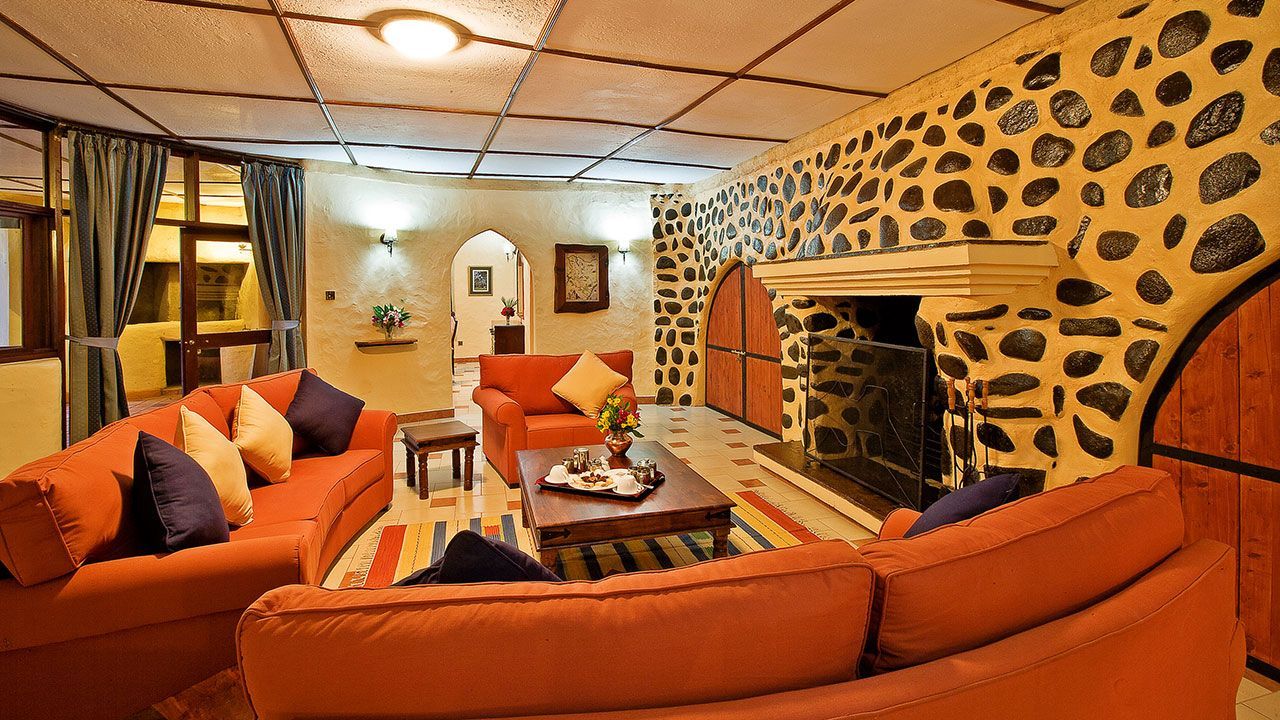
Amboseli Sopa Lodge
Just outside Amboseli National Park
Set in 200 acres of private land, and with a rustic charm all of its own, the Amboseli Sopa Lodge nestles in the foothills of Mount Kilimanjaro
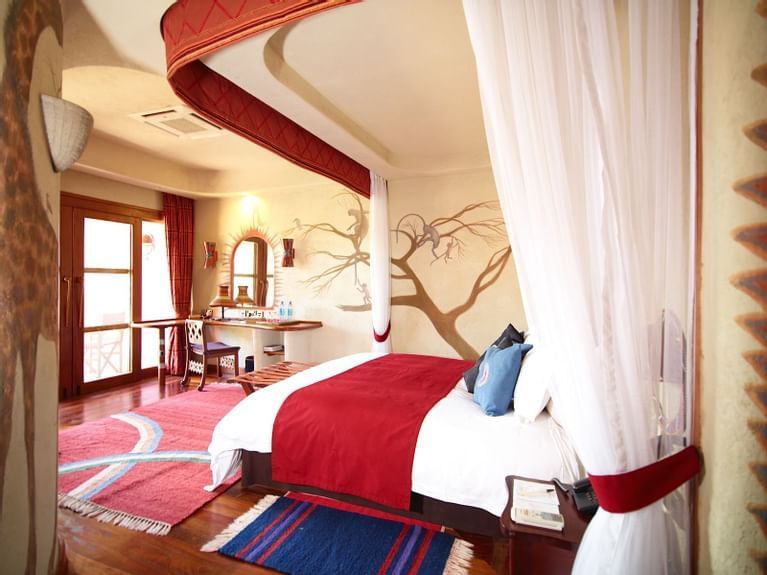
Amboseli Serena Safari Lodge
Amboseli National Park
The Amboseli Serena Safari Lodge is located within the Amboseli National Park and has great views over the plains towards Mount Kilimanjaro.
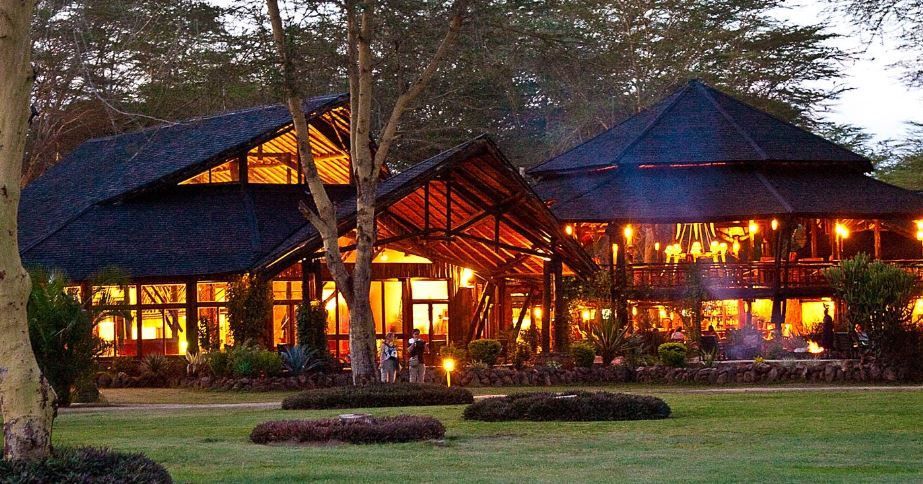
Ol Tukai Lodge
Amboseli National Park
Ol Tukai Lodges features 80 luxury chalet-style twin rooms, all with an uninterrupted view of the wetlands or the magnificent Mt. Kilimanjaro.
We have access to a wide range of handpicked accommodation options — from rustic eco-camps and authentic bush lodges to stylish tented retreats with breathtaking views. If you don’t see the exact lodge or camp you’re looking for, just let us know — we can arrange a variety of stays to suit different tastes, travel styles, and budgets.
Average Weather and Climate in Nkhotakota
Nkhotakota enjoys a warm, tropical climate year-round.
- Dry season (May–October): Pleasantly warm days and cool nights, little to no rainfall, great for walking safaris.
- Wet season (November–April): Lush landscapes, higher humidity, frequent afternoon showers, and excellent birdwatching opportunities.
Combine with Other Destinations
Nkhotakota pairs beautifully with the shimmering beaches of Lake Malawi, offering a mix of bush and beach in one trip.
It also combines well with Liwonde National Park for more concentrated game viewing, or Majete Wildlife Reserve for a Big Five finale.
Talk to us about creating a bespoke itinerary that brings together Malawi’s diverse safari landscapes.
Travelling from the UK to Nkhotakota
Fly from the UK to Lilongwe or Blantyre, with connecting flights via Johannesburg, Addis Ababa, or Nairobi.
From Lilongwe, the reserve is around a 4–5 hour scenic drive, passing through rural villages and forested highlands.
Transfers can also be arranged by charter flight for a quicker and more dramatic arrival.
Discover the Wild, Your Way: Tailor Your Nkhotakota Safari with Us
Nkhotakota is a place to lose yourself in the quiet rhythms of the bush and find a deeper connection to nature. With its exclusivity, scenic beauty, and growing wildlife populations, it’s perfect for travellers seeking a truly authentic African experience.
Talk to us about the experiences you’ve always dreamed of. We’ll match you with handpicked lodges, expert local guides, and authentic adventures that bring Nkhotakota Wildlife Reserve to life.
Speak to one of our safari specialists today — call us or fill out our quick enquiry form, and let’s start planning your tailor-made adventure.
Send an Enquiry
We will get back to you as soon as possible.
Please try again later.
Frequently Asked Questions
When is the best time to visit Nkhotakota?
May to October for dry, cool conditions and optimal wildlife viewing.
Is Nkhotakota suitable for first-time safari travellers?
Yes — its peaceful setting and variety of activities make it ideal for both first-time and seasoned travellers.
What wildlife will I see?
Elephants, sable antelope, kudu, buffalo, leopard, and a wide variety of birdlife.
Is it accessible for travellers with mobility challenges?
Some lodges offer adapted facilities — check with us for the best options.
Can Nkhotakota be combined with other destinations?
Absolutely — Lake Malawi, Liwonde, and Majete are perfect complements.
Is it family-friendly?
Yes, but walking safaris and canoeing may have age restrictions.
Is it safe to visit?
Yes — guided activities and secure lodges ensure a safe safari experience.
What types of accommodation are available?
Eco-lodges, tented camps, and small bush retreats.
How do I get there from the UK?
Fly to Lilongwe or Blantyre, then travel by road or charter flight.
Do UK travellers need a visa?
Yes — obtainable on arrival or online before departure.