Phinda Private Game Reserve Safaris
Rare wildlife, seven unique habitats, and luxury safaris on KwaZulu-Natal’s wild frontier.
Best Time To Go
May to September (dry winter, best for game viewing)
High Season
June to August (South African winter holidays)
Size
Approx 230 square kilometres
Altitude
50–450 metres
above sea level
Phinda Private Game Reserve Safari Holidays
Where rare wildlife thrives in seven worlds
Phinda Private Game Reserve is a jewel of South African conservation — a luxury safari destination where seven unique habitats converge to create one of the most biodiverse reserves in the country. Famous for its cheetah and black rhino populations, Phinda offers Big Five encounters, world-class guiding, and unforgettable scenery.
With its combination of exclusivity, variety, and conservation excellence, it’s the ultimate safari escape in KwaZulu-Natal.
Why Visit Phinda Private Game Reserve?
Set in KwaZulu-Natal’s lush landscape, Phinda lies between the iSimangaliso Wetland Park and the towering Lebombo Mountains. Its location provides a stunning contrast of coastal sand forests, wetlands, mountain slopes, and grassy plains — an ecological crossroads that ensures unparalleled wildlife diversity.
Phinda is especially known for conservation success stories. Through dedicated reintroduction programmes, black rhino and cheetah populations have been safeguarded, and the reserve continues to lead in community-focused conservation efforts. Guests can experience these achievements first-hand, knowing their safari directly supports critical projects.
Unlike Kruger’s vast wilderness or Madikwe’s malaria-free exclusivity, Phinda offers a distinctive safari atmosphere — deeply intimate, with a high ratio of guides to guests, ensuring each drive is tailored. Off-road driving and night drives are permitted, creating exceptional opportunities for close-up encounters.
The pace here is refined yet adventurous. Between thrilling game drives, guests can relax in award-winning lodges, savour fine dining, and soak up views that stretch from forested dunes to open savannahs. It is safari designed for those who seek both discovery and indulgence.
Wildlife and Nature
Phinda is often called “Seven Worlds of Wonder” — and stepping into it feels like entering multiple ecosystems in one reserve. One moment you’re driving through lush sand forests where nyala graze in dappled light, the next you’re on wide, golden plains where cheetahs stalk their prey. The smell of wild jasmine after summer rains lingers in the air, while the chorus of frogs and bird calls fills the evenings.
The Big Five roam freely here, but it is Phinda’s cheetah sightings that truly set it apart. With one of the best conservation-managed populations in southern Africa, sightings are not only frequent but often intimate, offering chances to watch hunts unfold. Black rhinos also thrive here thanks to years of protection and reintroduction — a rare privilege for travellers seeking this endangered species.
Seasonal highlights abound. In the dry winter months (May–September), animals concentrate around the Mzinene River and permanent waterholes, making wildlife encounters particularly rewarding. Summer (October–March) brings newborn animals, dazzling migrant birds, and dramatic thunderstorms that transform the reserve into a lush paradise.
Birdwatchers will be in their element with over 400 recorded species, from Narina trogons in the sand forest to fish eagles soaring above wetlands. Photographers will revel in the variety of backdrops — golden savannahs, misty river valleys, and emerald forests, all alive with movement and colour.
Phinda is managed by &Beyond, one of Africa’s leading conservation and tourism organisations, whose projects include community empowerment and protecting endangered species. This makes every safari not just an adventure, but part of a bigger story of conservation success.
Best Time to Visit Phinda
Phinda’s unique position in KwaZulu-Natal makes it a rewarding destination year-round, with each season shaping the safari in its own way.
Dry Winter (May–September): This is the prime safari season. Vegetation thins, wildlife concentrates around water sources, and sightings of predators — particularly cheetahs and lions — are excellent. Days are mild (20–25°C), nights cooler, and skies clear for star-gazing.
Wet Summer (October–March): The green season brings lush landscapes, dramatic skies, and an explosion of life. Afternoon storms are common but brief, and the bush teems with newborn antelope and heightened predator activity. Birding is at its best, with migrant species adding colour and song. Temperatures are warmer (25–32°C), and humidity increases, but the scenery is at its most photogenic.
Special Highlights: Cheetahs are seen year-round, but the green season offers superb chances to see mothers with cubs. Rhino sightings are strong throughout, while summer’s storms create stunning photography opportunities.
Photography Tips: Winter light is crisp and golden, perfect for big cat portraits. In summer, wide-angle shots of cheetahs against stormy skies are iconic. Sunrise and sunset drives are unmissable, with soft light enhancing every landscape.
Practical Insights: Unlike more remote parks, Phinda is easily accessible, making it excellent for those with limited time.
The reserve offers exclusivity with limited vehicles at sightings, ensuring relaxed encounters even during peak months.
Safari Experiences in Phinda Private Game Reserve
Phinda is a reserve designed for immersive, personalised experiences — where every game drive feels like a front-row seat to nature’s drama. Beyond classic safaris, it offers adventures that connect guests to land, wildlife, and culture in unique ways.
- Close-Up Cheetah Encounters: Phinda is one of the best places in Africa to observe cheetahs. Track them across open plains, watch them hunt at incredible speeds, or photograph them at rest beneath thorn trees.
- Black Rhino Tracking on Foot: Join specialist rangers in a conservation-driven experience where you track endangered black rhinos on foot. This rare opportunity provides insight into protection efforts and brings thrilling proximity to these magnificent animals.
- Night Drives Under the Stars: When the sun dips, Phinda transforms. Night drives reveal bush babies leaping, porcupines foraging, and the possibility of seeing elusive predators like leopards on the move.
- Walking Safaris in Seven Habitats: From riverine forest to grassland, bush walks reveal the reserve’s subtler details: bird calls, medicinal plants, and the thrill of encountering wildlife at eye level.
- Zulu Cultural Encounters: Phinda’s location in KwaZulu-Natal makes it the perfect place to connect with Zulu heritage. Visits to nearby communities offer storytelling, music, and insight into how people and wildlife coexist.
- Scenic Flights to the Coast: Extend your adventure with a short flight to iSimangaliso Wetland Park or even the Indian Ocean coast, where whales, turtles, and coral reefs provide a stunning contrast to the savannah.
Where to Stay in Phinda
Phinda Private Game Reserve offers a wide range of accommodation options to suit different preferences and budgets, all set within or just outside the park boundaries. These typically include:
- Eco-Luxury Lodges: Phinda’s flagship lodges redefine safari luxury: glass-fronted suites, private plunge pools, and gourmet dining under the stars. Many overlook valleys or waterholes, blending elegance with immersion.
- Tented Camps: Romantic, under-canvas retreats that combine the magic of traditional safari with modern comforts such as ensuite bathrooms and wooden decks for stargazing.
- Boutique Bush Retreats: Smaller, character-rich lodges with a focus on authenticity and warm hosting. Perfect for travellers who want intimacy, eco-friendly practices, and a deep sense of place.
At Awake in the Wild, we work only with lodges and camps that meet our ethical and sustainability standards. Whether you’re looking for solar-powered luxury or a simple campfire safari experience, we’ll match you to the perfect base. If you don’t see the exact lodge or camp you’re looking for, just let us know — we’re able to arrange a variety of stays to suit different tastes, travel styles, and budgets.
A Selection of our Phinda Safari Accommodation
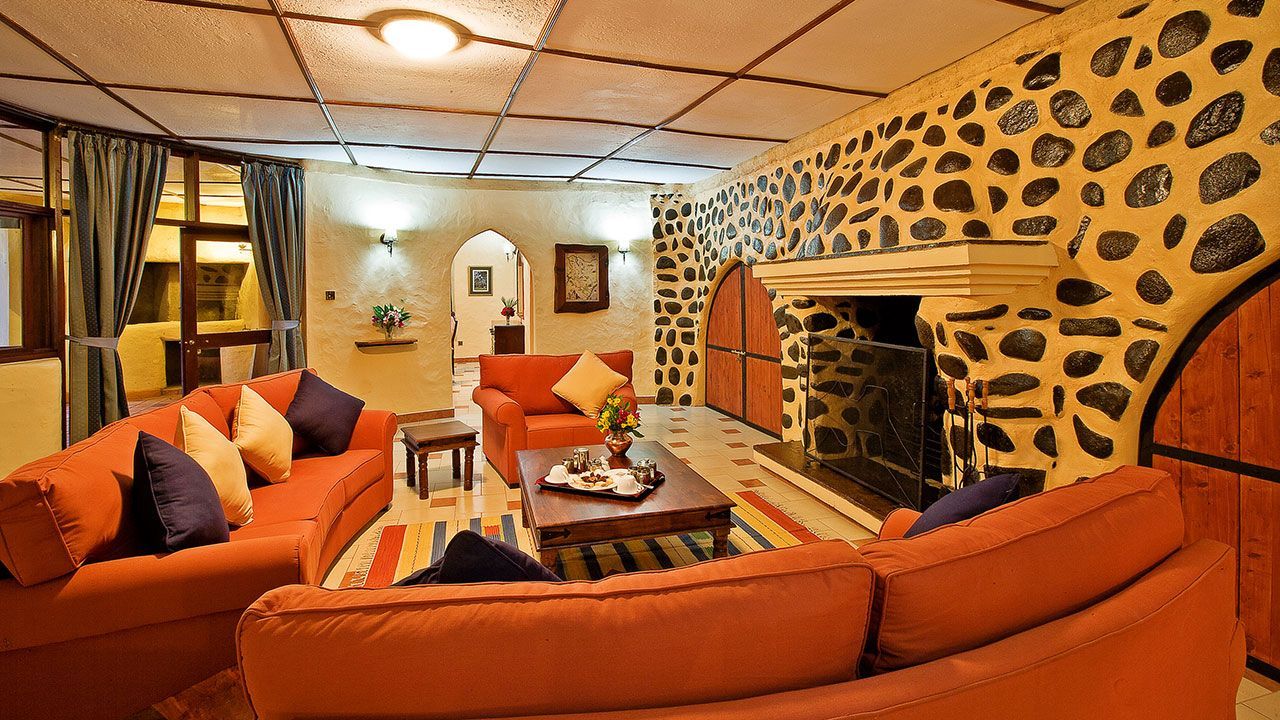
Amboseli Sopa Lodge
Just outside Amboseli National Park
Set in 200 acres of private land, and with a rustic charm all of its own, the Amboseli Sopa Lodge nestles in the foothills of Mount Kilimanjaro
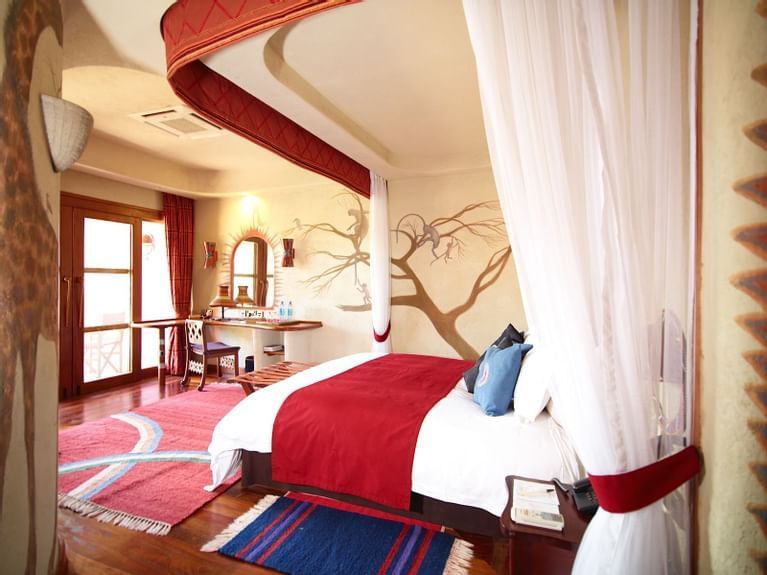
Amboseli Serena Safari Lodge
Amboseli National Park
The Amboseli Serena Safari Lodge is located within the Amboseli National Park and has great views over the plains towards Mount Kilimanjaro.
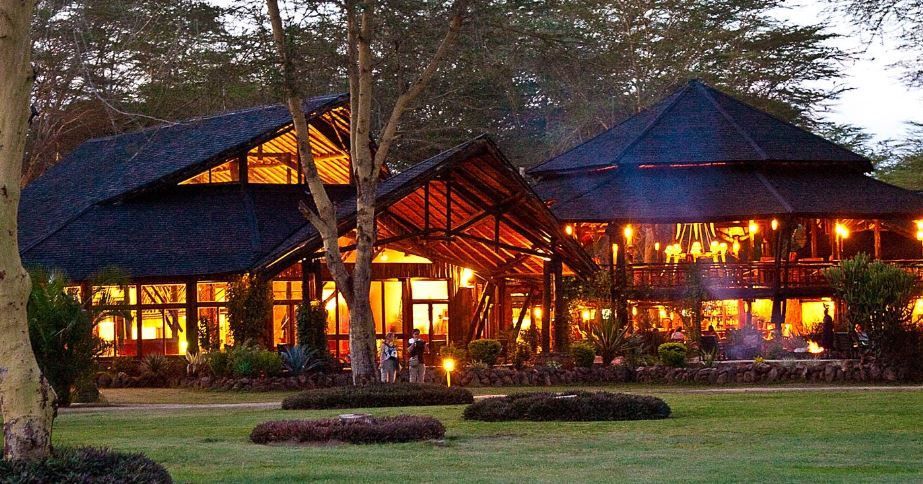
Ol Tukai Lodge
Amboseli National Park
Ol Tukai Lodges features 80 luxury chalet-style twin rooms, all with an uninterrupted view of the wetlands or the magnificent Mt. Kilimanjaro.
We have access to a wide range of handpicked accommodation options — from rustic eco-camps and authentic bush lodges to stylish tented retreats with breathtaking views. If you don’t see the exact lodge or camp you’re looking for, just let us know — we can arrange a variety of stays to suit different tastes, travel styles, and budgets.
Average Weather and Climate in Phinda
Phinda’s subtropical climate ensures rewarding safaris throughout the year, though conditions shift between dry winters and wetter summers.
Dry Winter (May–September): Days are pleasantly warm (20–25°C), nights cooler (10–12°C), and rainfall is minimal. Wildlife congregates at water sources, vegetation thins, and sightings of predators and large herds are superb.
Wet Summer (October–March): Temperatures climb to 25–32°C, with higher humidity and afternoon storms. The rains revive the bush, bringing vivid green landscapes and excellent birding opportunities. Predator activity is heightened as antelopes calve.
Unique Climate Features: Its proximity to the coast means summer breezes occasionally temper the heat, while misty mornings in the forests create magical atmospheres for photographers.
Safari Atmosphere: Winter safaris feel raw and dramatic, with clear skies and concentrated game. Summer safaris feel alive with renewal — colourful, lush, and full of movement. Both offer unforgettable rewards.
Combine with Other Destinations
Phinda is perfectly located for combination itineraries.
Its proximity to the iSimangaliso Wetland Park, a UNESCO World Heritage Site, allows travellers to pair safari with wetlands, birding, and marine adventures.
It also connects beautifully with Durban and KwaZulu-Natal’s beaches, where golden sands and warm waters provide a relaxing contrast to bushveld adventure.
For an extended journey, combine Phinda with Kruger National Park or cross the border into Mozambique for world-class diving and island escapes.
Talk to us about creating a custom itinerary that brings together the very best of South Africa’s wilderness, coastline, and culture.
Travelling from the UK to Phinda
From the UK, direct flights to Johannesburg (approx. 11 hours) or Durban (approx. 12 hours with one stop) provide convenient gateways.
From Johannesburg, travellers can take a 1-hour domestic flight to Richards Bay or a charter flight directly into the reserve. By road, it’s a 6–7 hour drive, while from Durban the drive is shorter at around 3–4 hours, making Phinda one of the more accessible private reserves.
UK passport holders do not require a visa for stays up to 90 days. Passports should be valid for at least six months with two blank pages. Malaria is present in KwaZulu-Natal, so precautions are recommended — Awake in the Wild provides the latest health guidance during trip planning.
With every detail managed — flights, transfers, and lodge stays — Awake in the Wild ensures your Phinda safari is seamless from start to finish.
Discover the Wild, Your Way: Tailor Your Phinda Safari with Us
Phinda is where cheetahs streak across golden plains, black rhinos graze in misty valleys, and Zulu culture adds soul to the safari. It is a reserve of seven worlds, each waiting to be explored, and an adventure that lingers long after you’ve left.
Talk to us about the experiences you’ve always dreamed of. We’ll match you with handpicked lodges, expert local guides, and authentic adventures that bring Phinda Private Game Reserve to life.
Speak to one of our safari specialists today — call us or fill out our quick enquiry form, and let’s start planning your tailor-made adventure.
Send an Enquiry
We will get back to you as soon as possible.
Please try again later.
Frequently Asked Questions
When is the best time to visit Phinda Private Game Reserve?
The dry winter months from May to September are considered the best for game viewing, as wildlife congregates around waterholes and vegetation thins. That said, the wet summer season (October to March) brings lush green scenery, migratory birds, and plenty of newborn animals — making Phinda a rewarding year-round destination.
Is Phinda suitable for first-time safari travellers?
Yes — Phinda is an excellent choice for first-timers. Its accessibility, superb guiding, and intimate lodges ensure a comfortable and personalised introduction to the African bush. The variety of habitats means guests see a wide range of species and landscapes without needing to travel long distances.
What wildlife will I see at Phinda?
Phinda is home to the Big Five — lion, leopard, elephant, buffalo, and both black and white rhino — but it is especially renowned for its cheetah population. Giraffes, zebras, nyalas, wildebeest, and hippos are also common, along with over 400 bird species. Seasonal highlights include cheetah cubs in summer and excellent predator activity in the dry season.
Can I combine Phinda with other destinations in South Africa?
Absolutely. Many travellers combine Phinda with KwaZulu-Natal’s beaches or the iSimangaliso Wetland Park for a safari-and-sea experience. Others extend their journey to Kruger National Park, Cape Town, or even across the border into Mozambique for island escapes and diving.
Is Phinda family-friendly?
Yes. Several lodges at Phinda welcome children and offer family suites, child-friendly activities, and special kids’ safari programmes. Private game drives can also be arranged for families, making it a safe and exciting environment for children to experience the bush.
How safe is it to travel to Phinda?
Phinda is a private reserve with carefully managed access, experienced rangers, and strict safety standards. Game drives and walks are always led by professional guides. The reserve is in a low-risk malaria area, but precautions are recommended — Awake in the Wild provides up-to-date health guidance.
What accommodation options are available at Phinda?
Accommodation ranges from luxurious lodges with private plunge pools and panoramic views, to intimate tented camps and boutique eco-retreats. Whether you’re seeking five-star indulgence or rustic under-canvas adventure, there are options to suit every taste and budget.
How do I get to Phinda from the UK?
Travellers usually fly direct from London to Johannesburg (approx. 11 hours) or via one stop to Durban. From Johannesburg, it’s a one-hour flight to Richards Bay or a 6–7 hour drive. Durban is closer, with a 3–4 hour road transfer. Charter flights directly into Phinda are also available for convenience.
Do UK passport holders need a visa to visit Phinda?
No. UK passport holders can visit South Africa for up to 90 days without a visa. Passports must be valid for at least six months beyond travel dates and contain at least two blank pages for entry stamps.
What makes Phinda different from other safari destinations?
Phinda’s uniqueness lies in its diversity — seven distinct habitats in one reserve, combined with world-class guiding and intimate lodges. It is especially renowned for its cheetah and black rhino sightings, and for offering both luxury and adventure in equal measure. With fewer vehicles and more personalised experiences, it feels exclusive and deeply rewarding.