Ngorongoro Crater Safaris
A Ngorongoro Crater safari offers unrivalled wildlife density in a breathtaking volcanic caldera — nature’s amphitheatre in the heart of Tanzania.
Best Time To Go
June to October for game viewing; November to May for birding and lush scenery
High Season
Most of the year, except April and May
Size
Approx 8,292 square kilometres (entire conservation area); crater floor approx. 260 square kilometres
Altitude
1,700 meters (crater floor) to over 2,200 meters (rim)
above sea level
Ngorongoro Crater Safari Holidays
The World’s Largest Intact Caldera
Few safari destinations can match the Ngorongoro Crater for drama. Standing on the rim, you look down into a vast, green bowl 600 metres deep, its floor teeming with wildlife. Forested walls rise steeply all around, keeping this ancient ecosystem remarkably self-contained. It feels as if the clock stopped here millennia ago.
Formed by a massive volcanic eruption two to three million years ago, the crater is now a UNESCO World Heritage Site and part of the Ngorongoro Conservation Area. Its unique geography creates a natural enclosure for an extraordinary variety of wildlife — from predators to rare black rhino — all within a relatively small space.
Why Visit Ngorongoro Crater Park?
Ngorongoro offers the highest density of large mammals anywhere in Africa. On a single game drive, you might see lions lazing in the grass, a pride on the hunt, herds of wildebeest and zebra crossing the open plains, and elephants browsing in the Lerai Forest.
The crater is one of the few places where you have a realistic chance of spotting all of the “Big Five” in a single day. It’s also a stronghold for endangered black rhino, whose curved horns are often seen silhouetted against the crater floor. Birdlife is equally rich, with crowned cranes, ostriches, and seasonal flocks of flamingos on Lake Magadi.
Add to this the setting — a perfect circle framed by the Rift Valley highlands — and you have a safari experience that is as visually stunning as it is wildlife-rich.
Wildlife and Nature
The crater’s varied habitats — grassland, swamps, acacia woodland, and the soda lake — allow a surprising range of species to thrive. Lions are a prominent feature here, their golden coats catching the light against the open plains. Hyenas patrol the edges, jackals dart through the grass, and cheetahs scan from low termite mounds.
Elephants, often older bulls with impressive tusks, wander the Lerai Forest, while buffalo graze in the wetter areas. Hippos wallow in freshwater pools, and serval cats sometimes appear in the tall grass. The alkaline Lake Magadi draws flamingos, pelicans, and countless waterbirds, creating bursts of colour on the crater floor.
Because of the enclosed environment, sightings are frequent and close-up, offering incredible photographic opportunities. Seasonal changes shift the scene — from golden dry-season plains to the emerald flush of the rains — but the wildlife remains plentiful year-round.
Best Time to Visit Ngorongoro
For clear skies and easy wildlife viewing, the dry season from June to October is ideal. Grass is shorter, animals are concentrated near water, and road conditions are excellent.
These months also offer cooler temperatures on the crater floor, making midday drives comfortable.
From November to May, the wet season transforms the crater into a green paradise. Birdwatching peaks with the arrival of migratory species, and calving season for wildebeest and zebra brings an abundance of young animals. The backdrop of the rain-washed crater walls is particularly striking for photography.
While April and May see the heaviest rains and fewer visitors, they also offer a quieter, more intimate safari with lower lodge rates.
Whatever the month, Ngorongoro’s resident wildlife ensures memorable sightings.
Safari Experiences in Ngorongoro
A safari in Ngorongoro Crater is an immersion into one of the most dramatic natural stages on Earth. Descending from the misty rim at dawn, you watch the crater floor reveal itself in the soft morning light — golden grasslands, dark green forests, and the silver glint of Lake Magadi. Wildlife is everywhere. Lions patrol the plains, hyenas skulk along the edges, and elephants with sweeping tusks move through the Lerai Forest.
It’s one of the few places where the “Big Five” can be seen in a single day, and where rare black rhino may be glimpsed against a backdrop of volcanic slopes. Flamingos gather in their thousands on the lake’s shallow edges, and crowned cranes dance in the wetlands. Every turn in the track offers another photograph, another moment to store away.
Because the crater is self-contained, sightings are frequent and close. Whether you’re here for a single focused day or as part of a longer Tanzanian itinerary, the scale, density, and beauty of Ngorongoro make it a safari experience that truly stays with you.
Where to Stay in Ngorongoro
We have access to a wide range of handpicked accommodation options in Ngorongoro Crater — from rustic eco-camps and authentic bush lodges to stylish tented retreats. If you don’t see the exact lodge or camp you’re looking for, just let us know — we’re able to arrange a variety of stays to suit different tastes, travel styles, and budgets.
- Luxury Rim Lodges: Perched on the crater rim, luxury lodges offer panoramic views and direct access to early-morning descents. Expect fine dining, elegant rooms, and attentive service. The sunrise over the crater is worth the early wake-up.
- Mid-Range Safari Lodges: Comfortable, well-located lodges provide a balance of quality and value. Rooms are spacious, meals hearty, and locations convenient for both the crater and surrounding highlands.
- Rustic Tented Camps: For a closer-to-nature feel, tented camps blend authenticity with comfort. Canvas walls let in the night sounds, while en-suite facilities keep you comfortable between drives.
A Selection of our Ngorongoro Safari Accommodation
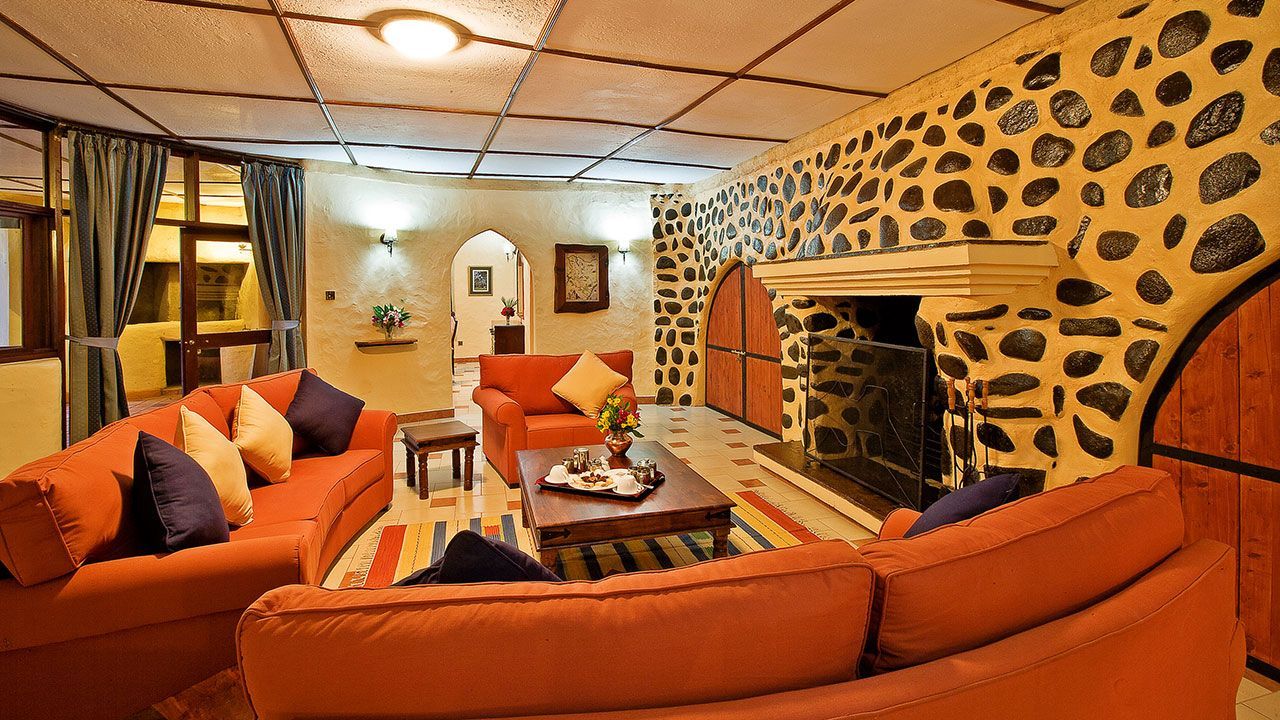
Amboseli Sopa Lodge
Just outside Amboseli National Park
Set in 200 acres of private land, and with a rustic charm all of its own, the Amboseli Sopa Lodge nestles in the foothills of Mount Kilimanjaro
Amboseli Serena Safari Lodge
Amboseli National Park
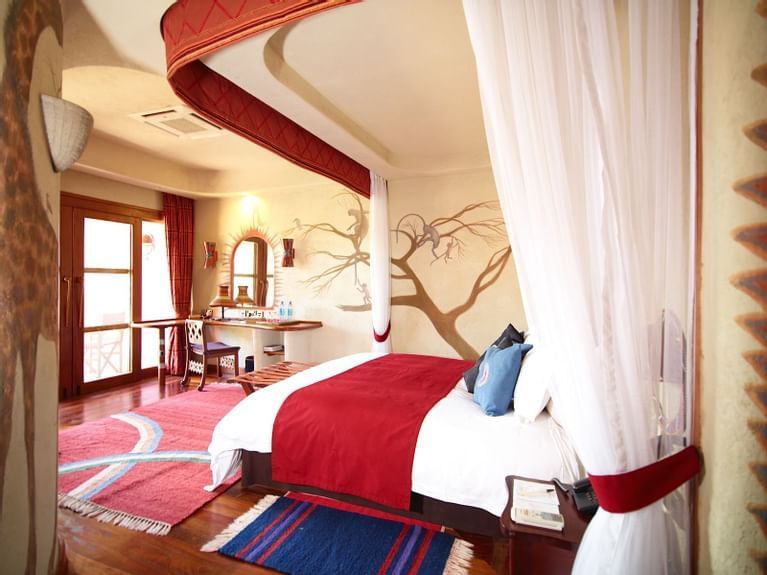
The Amboseli Serena Safari Lodge is located within the Amboseli National Park and has great views over the plains towards Mount Kilimanjaro.
Ol Tukai Lodge
Amboseli National Park
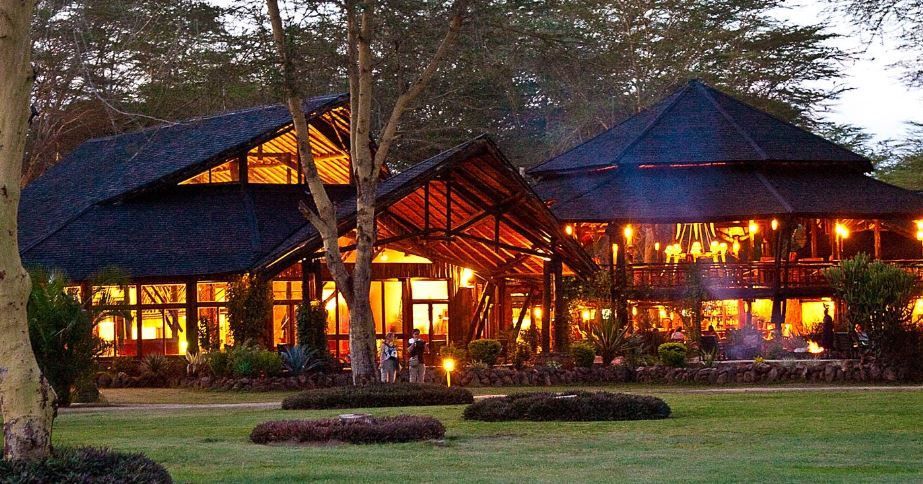
Ol Tukai Lodges features 80 luxury chalet-style twin rooms, all with an uninterrupted view of the wetlands or the magnificent Mt. Kilimanjaro.
We have access to a wide range of handpicked accommodation options — from rustic eco-camps and authentic bush lodges to stylish tented retreats with breathtaking views. If you don’t see the exact lodge or camp you’re looking for, just let us know — we can arrange a variety of stays to suit different tastes, travel styles, and budgets.
Average Weather and Climate in Ngorongoro
Ngorongoro’s altitude means a cooler climate than many other safari destinations.
- June to October: Dry season, sunny days, temperatures between 12–22°C; nights on the rim can be cold.
- November to December: Short rains, bringing fresh greenery and pleasant daytime temperatures.
- January to February: Warm, mostly dry, excellent for wildlife and photography.
- March to May: Long rains, cooler, with dramatic skies and lush vegetation.
Even in the dry season, mornings on the rim can be chilly — a warm layer is essential. The cooler climate makes the crater comfortable for game drives at any time of year.
Combine with Other Destinations
Ngorongoro Crater fits easily into Tanzania’s northern safari circuit. Pair it with the Serengeti for the Great Migration, or Tarangire for vast baobabs and large elephant herds.
For a change of pace, add Lake Manyara for flamingos and tree-climbing lions, or the cultural richness of the nearby Maasai villages. The crater’s location makes it a natural starting or ending point for a longer Tanzanian adventure. Talk to us about building an itinerary that links these highlights into one unforgettable journey.
Travelling from the UK to Ngorongoro
Most travellers fly from the UK to Kilimanjaro International Airport via Nairobi or Doha. From Kilimanjaro, it’s a short domestic flight or a 3–4 hour drive to the Ngorongoro Conservation Area.
We arrange all connections, from flights to crater permits, so your journey is seamless.
With ATOL protection, Protected Trust Services membership, and included Supplier Failure Insurance and Scheduled Airline Failure Insurance, your booking is secure from the moment it’s confirmed.
Discover the Wild, Your Way: Tailor Your Ngorongoro Safari with Us
Ngorongoro Crater is where scenery and wildlife compete for your attention — and both win. We’ll design your safari to make the most of this unique setting, whether that’s a single, focused visit or part of a wider exploration of northern Tanzania.
Talk to us about the experiences you’ve always dreamed of. We’ll match you with handpicked lodges, expert local guides, and authentic adventures that bring Ngorongoro to life.
Speak to one of our safari specialists today — call us or fill out our quick enquiry form, and let’s start planning your tailor-made adventure.
Send an Enquiry
We will get back to you as soon as possible.
Please try again later.
Frequently Asked Questions
When is the best time to visit Ngorongoro Crater?
June to October for dry-season game viewing; November to May for birding and lush scenery.
Can I see all of the Big Five in the crater?
Yes, Ngorongoro is one of the best places in Africa to see all five in one day.
How do I get to Ngorongoro Crater from the UK?
Fly to Kilimanjaro International Airport, then connect by road or domestic flight.
Are there black rhinos in Ngorongoro Crater?
Yes, the crater is one of the few places in Tanzania with a stable rhino population.
Is the crater busy with tourists?
It can be during peak season, but early starts help avoid the crowds.
What’s the altitude of the crater rim?
Over 2,200 m above sea level — mornings can be cold, so pack warm layers.
Are there lodges inside the crater?
No, all accommodation is on the rim or in nearby highlands.
What activities are available?
Game drives are the main activity, with cultural visits to nearby Maasai villages.
Is it suitable for families?
Yes, many lodges offer family-friendly rooms and activities.
Can Ngorongoro be combined with other parks?
Absolutely — Serengeti, Tarangire, and Lake Manyara are all close by.