Eastern Cape Game Reserves Safaris
Big Five encounters, malaria-free wilderness, and rugged beauty across South Africa’s Eastern Cape.
Best Time To Go
May to September (dry season, excellent game viewing)
High Season
October to March
Size
Approx 3,500 square kilometres (across multiple reserves combined)
Altitude
300–1,200 metres
above sea level
Eastern Cape Game Reserves Safari Holidays
Untamed beauty, malaria-free safaris
The Eastern Cape Game Reserves offer a safari experience unlike anywhere else in South Africa — malaria-free, easily accessible, and teeming with wildlife. This diverse region combines dramatic mountains, river valleys, and open plains with luxurious lodges and exceptional conservation efforts.
It’s the perfect choice for families, first-time safari-goers, and seasoned travellers looking for something different.
Why Visit Eastern Cape Game Reserves?
The Eastern Cape sits at the crossroads of South Africa’s coastal beauty and rugged interior, making its private game reserves uniquely diverse in both scenery and wildlife. Just a short flight or drive from Cape Town, these reserves are often the final flourish to a Garden Route adventure, offering world-class safari experiences without the need for malaria medication.
What sets the Eastern Cape apart is its tapestry of landscapes — from rolling grassy plains and dense thickets to riverine forests and rocky escarpments. This rich variety provides a home to everything from elephant herds and black rhino to the elusive cheetah. The terrain is as varied as the wildlife, meaning no two drives feel the same.
The reserves here have been at the forefront of conservation, transforming former farmland into thriving ecosystems where the Big Five roam freely. Each reserve has its own personality: Shamwari with its luxury lodges and conservation ethos, Kwandwe with its dramatic landscapes and exclusive experiences, Amakhala with its blend of affordability and charm.
Compared to larger parks like Kruger, the Eastern Cape offers an intimate, uncrowded safari with shorter travel times and more tailored experiences. Whether it’s a romantic escape or a family-friendly adventure, the region’s lodges excel at creating safaris that feel personal, safe, and deeply connected to the land.
Wildlife and Nature
Imagine the dawn chorus of weaver birds breaking the silence as the first golden light spills across the plains. In the Eastern Cape Game Reserves, landscapes shift dramatically within minutes — one moment you’re watching elephants graze against a backdrop of acacia-dotted hills, the next you’re tracking lion pawprints through dense Albany thicket.
The wildlife here is as rich as the scenery. All of the Big Five are present, with elephant, lion, buffalo, rhino, and leopard thriving under careful conservation. Endangered species such as cheetah and black rhino are particularly well-protected, offering rare chances to see them in the wild. Antelope species are abundant, from elegant kudu to springbok and red hartebeest, while giraffes stride gracefully across open clearings.
Seasonal changes bring new rhythms: in the dry winter months (May–September), animals gather around shrinking waterholes, making sightings frequent and dramatic. The wetter summer months (October–March) paint the landscape in lush greens, bringing a flush of newborn animals and attracting flocks of migratory birds such as steppe buzzards and European bee-eaters.
Many reserves work hand-in-hand with organisations such as the Born Free Foundation and local rhino conservation projects. This gives your safari a deeper purpose — every sighting becomes part of a bigger story of wildlife protection and habitat restoration.
What makes the Eastern Cape distinct is its intimacy: smaller reserves mean you’re never far from action, and guides can tailor drives to focus on particular species or behaviours. It’s a photographer’s dream, with ever-changing backdrops, golden coastal light, and wildlife that feels truly wild yet approachable.
Best Time to Visit Eastern Cape
The Eastern Cape is a year-round safari destination, but the experience shifts beautifully with the seasons.
Dry Season (May–September): These winter months bring cool mornings and warm afternoons, with minimal rainfall. The bush thins out, making it easier to spot wildlife, while animals congregate at rivers and waterholes. Expect crisp sunrises, clear skies, and some of the best opportunities to see predators in action.
This is the prime game-viewing season.
Green Season (October–March): The rains transform the reserves into a lush paradise, carpeting the hillsides in emerald green and filling the air with birdsong. This is calving season for many antelope species, meaning predators are often more active. Migratory birds arrive in their thousands, turning the reserves into a haven for birdwatchers.
For photographers, the contrast of green landscapes and dramatic skies offers unforgettable compositions.
Special Highlights: Summer brings incredible birding and newborn wildlife, while winter offers high predator activity and easier game spotting. Because the region is malaria-free, families often prefer travelling in the warmer months when school holidays align.
Photography Tips: Early morning and late afternoon light creates striking contrasts across the Eastern Cape’s varied terrain. In winter, the clear, dry air gives you razor-sharp wildlife images, while in summer, dramatic skies and vivid landscapes enhance every shot.
No matter when you visit, the Eastern Cape guarantees a safari full of life, colour, and unforgettable encounters.
Safari Experiences in Eastern Cape Game Reserves
The Eastern Cape’s game reserves offer far more than traditional game drives — every experience is designed to immerse you in the land’s rhythm and reveal its hidden stories. Whether you’re searching for lions at dawn, sipping sundowners above a river gorge, or walking quietly through the bush, the region offers safaris for every kind of traveller.
- Twilight Game Drives Under the Stars: Evenings in the Eastern Cape are magical. As night falls, your spotlight might catch the glint of a leopard’s eyes, the stealth of a porcupine, or owls calling from the treetops. Night drives here heighten the senses, revealing a completely different side of the bush.
- Walking Safaris Through Albany Thicket: Step out of the vehicle and into the wild with expert rangers who reveal the smaller wonders: medicinal plants, intricate bird calls, and the thrill of tracking rhino on foot. The dense Albany thicket creates an intimate, almost secretive feel to these guided walks.
- Family-Friendly Bush Adventures: Many lodges cater specifically to children, offering junior ranger programmes, tailored game drives, and activities that bring the bush alive. For families, the Eastern Cape is one of the best safari destinations — safe, malaria-free, and engaging for all ages.
- Conservation in Action: Join local rangers or researchers in activities such as rhino monitoring, cheetah tracking, or visiting on-site rehabilitation centres. These behind-the-scenes experiences connect you directly to the conservation mission that defines the region.
- Sundowners on Scenic Escarpments: Few moments compare to sipping a cool drink while watching the sun sink behind rugged cliffs and winding rivers. The Eastern Cape’s varied landscapes provide some of the most photogenic sundowner spots in Africa.
- Cultural Connections: Some lodges offer visits to local communities where Xhosa traditions and storytelling bring depth to your safari. It’s a chance to see how people and wildlife coexist in this remarkable region.
Where to Stay in Eastern Cape
Eastern Cape Game Reserves offers a wide range of accommodation options to suit different preferences and budgets, all set within or just outside the reserve boundaries. These typically include:
- Eco-Luxury Lodges: Think glass-fronted suites overlooking river valleys, private plunge pools, and fine dining beneath the stars. Many lodges combine indulgence with eco-friendly practices, running on solar power and supporting conservation.
- Tented Camps: Canvas walls, lantern-lit pathways, and the sounds of lions calling at night — tented camps in the Eastern Cape capture the romance of safari while offering ensuite comfort.
- Boutique Bush Retreats: Intimate, characterful properties often run by local families or conservationists. These retreats blend charm, warm hosting, and a strong sense of place, ideal for travellers wanting authenticity over grandeur.
At Awake in the Wild, we work only with lodges and camps that meet our ethical and sustainability standards. Whether you’re looking for solar-powered luxury or a simple campfire safari experience, we’ll match you to the perfect base. If you don’t see the exact lodge or camp you’re looking for, just let us know — we’re able to arrange a variety of stays to suit different tastes, travel styles, and budgets.
A Selection of our Eastern Cape Safari Accommodation
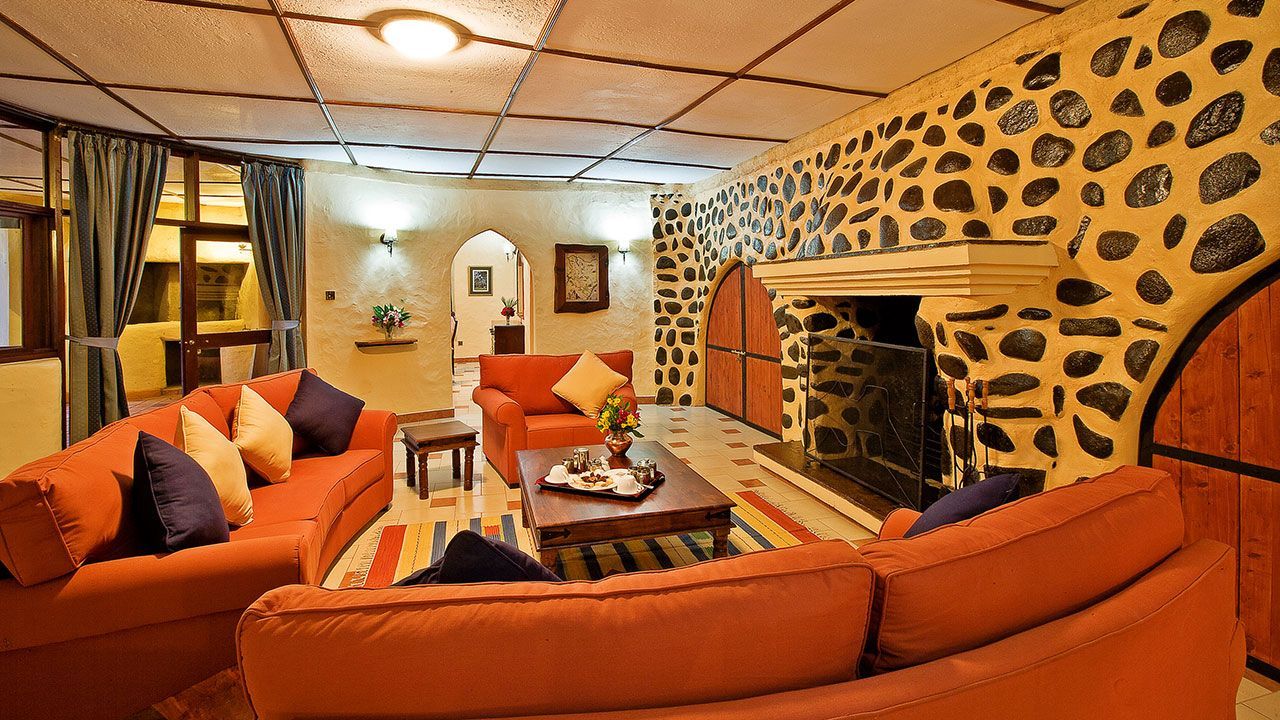
Amboseli Sopa Lodge
Just outside Amboseli National Park
Set in 200 acres of private land, and with a rustic charm all of its own, the Amboseli Sopa Lodge nestles in the foothills of Mount Kilimanjaro
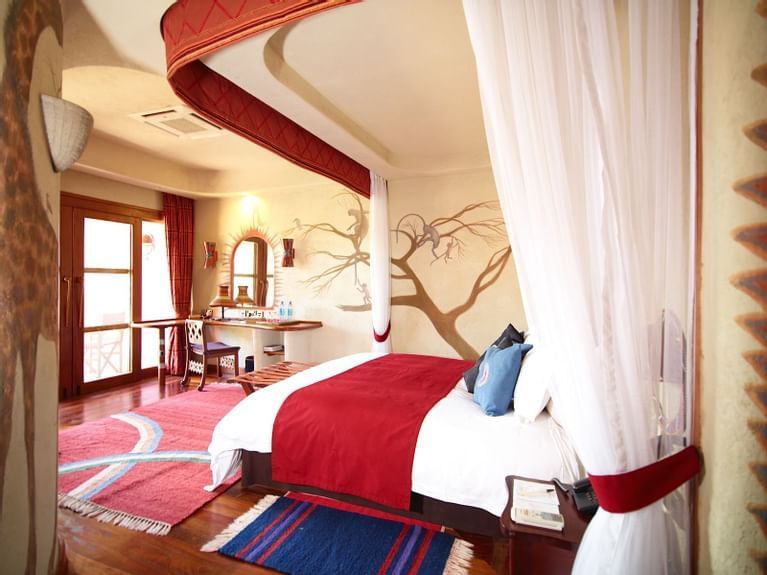
Amboseli Serena Safari Lodge
Amboseli National Park
The Amboseli Serena Safari Lodge is located within the Amboseli National Park and has great views over the plains towards Mount Kilimanjaro.
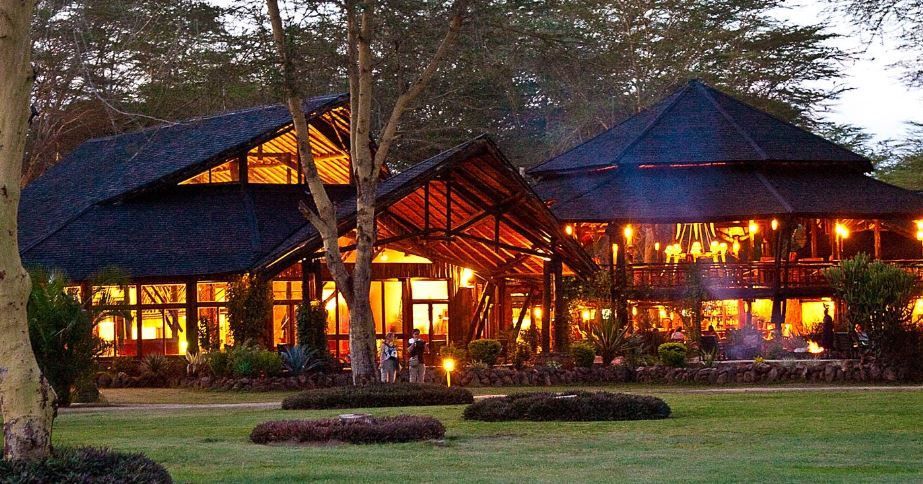
Ol Tukai Lodge
Amboseli National Park
Ol Tukai Lodges features 80 luxury chalet-style twin rooms, all with an uninterrupted view of the wetlands or the magnificent Mt. Kilimanjaro.
We have access to a wide range of handpicked accommodation options — from rustic eco-camps and authentic bush lodges to stylish tented retreats with breathtaking views. If you don’t see the exact lodge or camp you’re looking for, just let us know — we can arrange a variety of stays to suit different tastes, travel styles, and budgets.
Average Weather and Climate in Eastern Cape
The Eastern Cape enjoys a temperate climate that makes it one of the most comfortable safari destinations in Africa.
During the dry winter months (May–September), the air is crisp and clear, with daytime temperatures averaging 20°C and chilly nights dropping to around 5–8°C. This season strips the bush of thick vegetation, making game easier to spot, and the cool air makes game drives especially comfortable.
In the wet summer months (October–March), rain falls mainly in afternoon showers, refreshing the landscape without interrupting activities. Daytime temperatures rise to 25–30°C, while nights remain mild. This is when the reserves are at their most scenic — green, lush, and alive with newborn animals and birdlife.
Because many reserves span coastal and inland terrain, you may also feel refreshing breezes and cooler evenings even in summer. This variety of microclimates adds to the diversity of the experience.
Overall, the Eastern Cape offers excellent safari conditions year-round. Whether you prefer the drama of dry-season sightings or the vibrancy of summer landscapes, you’ll find each season brings its own rewards.
Combine with Other Destinations
The Eastern Cape is perfectly placed for combining safari with other South African highlights.
Many travellers link it with the Garden Route, where dramatic coastlines, forests, and adventure towns lead naturally into the wild. Ending a road trip with a few days of safari creates the ultimate South African holiday.
It also pairs beautifully with Cape Town and the Winelands. After thrilling game drives, unwind with fine wines, world-class cuisine, and Table Mountain’s sweeping views.
The contrast of urban energy, coastal beauty, and wild safaris captures South Africa’s essence in one journey.
For those seeking even more wildlife diversity, you can combine the Eastern Cape with Kruger National Park or KwaZulu-Natal reserves, contrasting intimate, malaria-free safaris with the vastness of larger ecosystems.
Talk to us about creating a custom itinerary that brings together the best of South Africa — from its cities and coasts to its unforgettable safaris.
Travelling from the UK to Eastern Cape
Travelling to the Eastern Cape from the UK is simple and convenient. Direct flights connect London to Johannesburg (approx. 11 hours) and Cape Town (approx. 11½ hours). From there, it’s just a short domestic hop — around 1½ hours — to Port Elizabeth (Gqeberha), the gateway city for most reserves.
Many lodges are within a 1–2 hour scenic drive of Port Elizabeth, while some offer private road transfers or chartered flights directly into the reserve. The accessibility makes the Eastern Cape particularly appealing to families and travellers on tighter schedules.
UK passport holders do not require a visa for stays of up to 90 days. Passports should be valid for at least six months from your date of entry, with two blank pages. Malaria precautions are not required, but standard travel vaccinations are recommended, and Awake in the Wild will provide up-to-date advice before you travel.
From flights and transfers to lodge bookings, Awake in the Wild handles every detail, ensuring your journey is seamless and stress-free. All you need to do is sit back, relax, and prepare for your safari adventure.
Discover the Wild, Your Way: Tailor Your Eastern Cape Safari with Us
The Eastern Cape’s game reserves are where rugged beauty meets intimate, malaria-free safaris. Picture elephants moving silently across sunlit valleys, lions roaring against starlit skies, and rhinos grazing peacefully on land once thought lost to farming. It’s a place where conservation has triumphed, and where your safari becomes part of that living story.
Talk to us about the experiences you’ve always dreamed of. We’ll match you with handpicked lodges, expert local guides, and authentic adventures that bring Eastern Cape Game Reserves to life.
Speak to one of our safari specialists today — call us or fill out our quick enquiry form, and let’s start planning your tailor-made adventure.
Send an Enquiry
We will get back to you as soon as possible.
Please try again later.
Frequently Asked Questions
What is the best time of year to visit the Eastern Cape Game Reserves?
The dry winter months (May–September) are considered the best for game viewing, as wildlife gathers around waterholes and the bush is less dense. However, the green summer season (October–March) brings lush scenery, newborn animals, and fantastic birdwatching. Both offer rewarding experiences depending on your priorities.
Are the Eastern Cape Game Reserves suitable for first-time safari travellers?
Yes — these reserves are particularly popular with first-time visitors. They are malaria-free, easy to reach, and offer smaller, more intimate safari experiences compared to larger parks like Kruger. This means shorter drives, fewer crowds, and guides who can tailor activities to individual preferences.
What wildlife can I expect to see?
All of the Big Five — elephant, lion, leopard, buffalo, and rhino — are present in the Eastern Cape Game Reserves. You can also spot cheetah, giraffe, zebra, hippo, and a wide range of antelope species. Birdlife is abundant too, with migratory species adding to the diversity in summer.
How accessible are the reserves?
Most reserves are within 1–2 hours’ drive of Port Elizabeth (Gqeberha), which is easily reached via domestic flights from Johannesburg or Cape Town. Some lodges even offer private transfers or charter flights directly to the reserve, making access straightforward.
Can I combine a safari here with other South African destinations?
Absolutely. Many travellers combine the Eastern Cape with Cape Town, the Garden Route, or the Winelands for a complete South African adventure. The reserves also pair well with larger safari areas such as Kruger for those wanting a contrast in scale and scenery.
Are the reserves family-friendly?
Yes. Many lodges in the Eastern Cape are designed with families in mind, offering child-friendly game drives, junior ranger programmes, and family suites. The malaria-free status makes it one of the safest safari choices for children.
Is it safe to go on safari in the Eastern Cape?
Yes, safaris here are considered very safe. All game drives and walks are led by experienced rangers who ensure guests’ wellbeing. Lodges are well-secured and follow strict safety protocols, so you can focus on enjoying the adventure.
What types of accommodation are available?
The region offers a wide variety of stays, from luxury lodges with private pools and fine dining, to classic tented camps and intimate boutique retreats. At Awake in the Wild, we’ll match you to the perfect option based on your style and budget.
How do I get around once I’m in the reserve?
Your lodge will provide all safari transport. Open 4x4 vehicles are used for game drives, while walking safaris are led on foot by professional guides. Transfers between lodges and airports are arranged in advance, ensuring seamless travel throughout.
Do UK travellers need a visa to visit the Eastern Cape?
No visa is required for UK passport holders visiting South Africa for up to 90 days. Passports must be valid for at least six months beyond your arrival date and contain two blank pages. Awake in the Wild will guide you through any entry requirements and provide the latest travel advice before your journey.