Kgalagadi Transfrontier Park Safaris
Endless red dunes, black-maned lions, and silence stretching across two countries.
Best Time To Go
May to September (dry winter, cooler days, easier sightings)
High Season
December to February (South African summer holidays)
Size
Approx 37,991 square kilometres (shared between South Africa and Botswana)
Altitude
600–1,200 metres
above sea level
Kgalagadi Transfrontier Park Safari Holidays
Red dunes and roaring lions
Kgalagadi Transfrontier Park is a land of striking contrasts — where towering red dunes meet vast salt pans, and iconic black-maned Kalahari lions rule the silence. Spanning South Africa and Botswana, it offers one of the wildest, most unspoiled safari experiences in Africa.
For those who seek adventure, solitude, and raw wilderness, this is safari at its purest.
Why Visit Kgalagadi Transfrontier Park?
Located in the heart of the Kalahari Desert, Kgalagadi Transfrontier Park is one of Africa’s largest conservation areas, crossing two countries and preserving a unique arid ecosystem. Unlike many busier parks, it remains untamed and remote, rewarding travellers with an experience that feels far removed from the modern world.
The scenery is unforgettable — rolling red dunes, dry riverbeds lined with ancient camelthorn trees, and star-studded skies so clear they seem close enough to touch. Seasonal pans glisten after rare rains, while the silence of the desert adds drama to every sighting.
Habitats here differ from the lush savannahs of Kruger or Serengeti. Instead, the park showcases the beauty of the semi-arid Kalahari, where life thrives against the odds. Adapted wildlife, vast horizons, and a slower safari pace make the experience distinct and deeply atmospheric.
What makes Kgalagadi truly special is its sense of space. Unlike smaller reserves, the park’s sheer scale allows predators and prey to follow ancient migration routes, creating dynamic interactions. It is here that you can witness some of the most iconic predator activity in Africa, framed against glowing red sand.
Wildlife and Nature
Step into Kgalagadi and you enter a desert alive with secrets. The silence is punctuated by the distant roar of lions, the haunting call of jackals, and the whisper of wind through dune grasses. This park is not lush or crowded with animals — instead, it offers encounters that feel raw, rare, and unforgettable.
The black-maned lions of the Kalahari are the park’s undisputed icons, often seen striding along dry riverbeds at dawn. Cheetahs are another highlight, using the open landscapes for high-speed chases, while leopards and brown hyenas add an element of surprise to night drives and quiet corners.
Ungulates here are desert specialists — gemsbok with their striking horns, springbok in vast herds, and red hartebeest crossing the dunes in search of grazing. After rainfall, the park comes alive with wildebeest and eland, their movements shaping predator behaviour.
Birdlife is equally dramatic: raptors such as martial eagles and bateleurs soar overhead, while sociable weavers build giant communal nests that hang from camelthorn trees like natural sculptures. In the green season, migrant birds transform the skies, adding flashes of colour to the ochre landscape.
Seasonality defines the park. In dry months, animals concentrate around the Nossob and Auob riverbeds, providing excellent game-viewing. After rains, ephemeral pans fill, drawing flocks of flamingos and other waterbirds, and transforming the desert into a surprising oasis.
The Kgalagadi also has a strong conservation focus, managed jointly by South African National Parks and Botswana’s Department of Wildlife. It is a living example of cross-border conservation — a wilderness where ecological processes remain intact. For photographers, the juxtaposition of red dunes, golden light, and predator activity makes this park one of the most rewarding landscapes in Africa to capture.
Best Time to Visit Kgalagadi
Kgalagadi is a year-round destination, but its extremes mean each season offers a different type of safari.
Dry Season (May–September): Days are mild, nights can be cold, and skies are crystal clear. The dry riverbeds concentrate wildlife, making predators easier to spot. This is prime time for photography, with golden light reflecting off the red dunes.
Morning game drives require warm clothing, but the crisp air adds a sharpness to the landscape.
Summer/Green Season (October–April): This is when the desert surprises. Afternoon thunderstorms sweep across the dunes, turning the sky into a dramatic canvas. Rain brings carpets of green grasses and wildflowers, attracting herds of antelope and igniting predator activity.
It’s also the best time for birding, with migrants such as kestrels and swallows arriving in great numbers.
Seasonal Highlights: November to January often sees large herds of springbok lambing, providing thrilling predator-prey interactions. After heavy rains, pans may attract flamingos and pelicans, a spectacle unique to this arid park.
Photography Tips: Winter offers crisp, dust-free light ideal for big-cat portraits. Summer provides dramatic skies and lush contrast, perfect for wide-angle landscapes. Sunset along the Auob dunes is particularly iconic.
Practical Insights: Roads are sandy and best navigated with 4x4 vehicles. In summer, daytime heat can reach over 40°C, while in winter, night temperatures may drop below freezing.
The remoteness of the park means fewer visitors — a reward for those who seek true wilderness.
Safari Experiences in Kgalagadi Transfrontier Park
A safari in Kgalagadi is about more than ticking off species — it’s about immersion in one of Africa’s last great wildernesses. The park’s experiences are raw, authentic, and unforgettable.
- Predator Tracking Along the Nossob Riverbed: This is the park’s theatre of survival. Watching lions patrol the dry river sands or cheetahs using the open space for hunts is an electrifying experience unique to Kgalagadi.
- Walking Safaris on the Dunes: Accompanied by expert guides, walking safaris let you connect with the Kalahari’s subtle details — from desert flowers and lizard tracks to the medicinal uses of plants. The silence here is unlike anywhere else.
- Raptor and Birding Expeditions: With over 200 species recorded, birdwatching is spectacular. Martial eagles, pygmy falcons, and secretary birds dominate the skies, while summer migrants add vibrant energy.
- Photography at Sunrise and Sunset: Few places in Africa rival the colours of Kgalagadi light. Early morning and dusk transform the dunes into a palette of reds, oranges, and purples — perfect backdrops for predator sightings.
- Community Encounters and San Heritage: Some areas near the park offer opportunities to engage with San communities, learning about their desert survival skills, storytelling traditions, and cultural connections to the land.
- Star-Gazing Under Kalahari Skies: Nights in Kgalagadi are breathtaking. With almost no light pollution, the Milky Way blazes overhead — a humbling reminder of the park’s remoteness and timelessness.
Where to Stay in Kgalagadi
Kgalagadi Transfrontier Park offers a wide range of accommodation options to suit different preferences and budgets, all set within or just outside the park boundaries. These typically include:
- Eco-Luxury Lodges: Perched on dune ridges or tucked into river valleys, these lodges offer private decks, plunge pools, and fine dining paired with sustainability practices. They combine desert drama with indulgent comfort.
- Tented Camps: Canvas camps here capture the desert’s essence — lantern-lit paths, panoramic views of the dunes, and nights filled with the sounds of lions calling across the valley.
- Boutique Bush Retreats: Small, characterful lodges with a personal touch, often located in remote corners of the park. Expect warm hosting, eco-friendly design, and intimacy with the wilderness.
- Wilderness Camps: Unique to Kgalagadi, these unfenced, self-catering camps immerse guests in true remoteness. They’re rustic yet atmospheric, offering unparalleled star-gazing and wildlife encounters.
At Awake in the Wild, we work only with lodges and camps that meet our ethical and sustainability standards. Whether you’re looking for solar-powered luxury or a simple campfire safari experience, we’ll match you to the perfect base. If you don’t see the exact lodge or camp you’re looking for, just let us know — we’re able to arrange a variety of stays to suit different tastes, travel styles, and budgets.
A Selection of our Kgalagadi Safari Accommodation
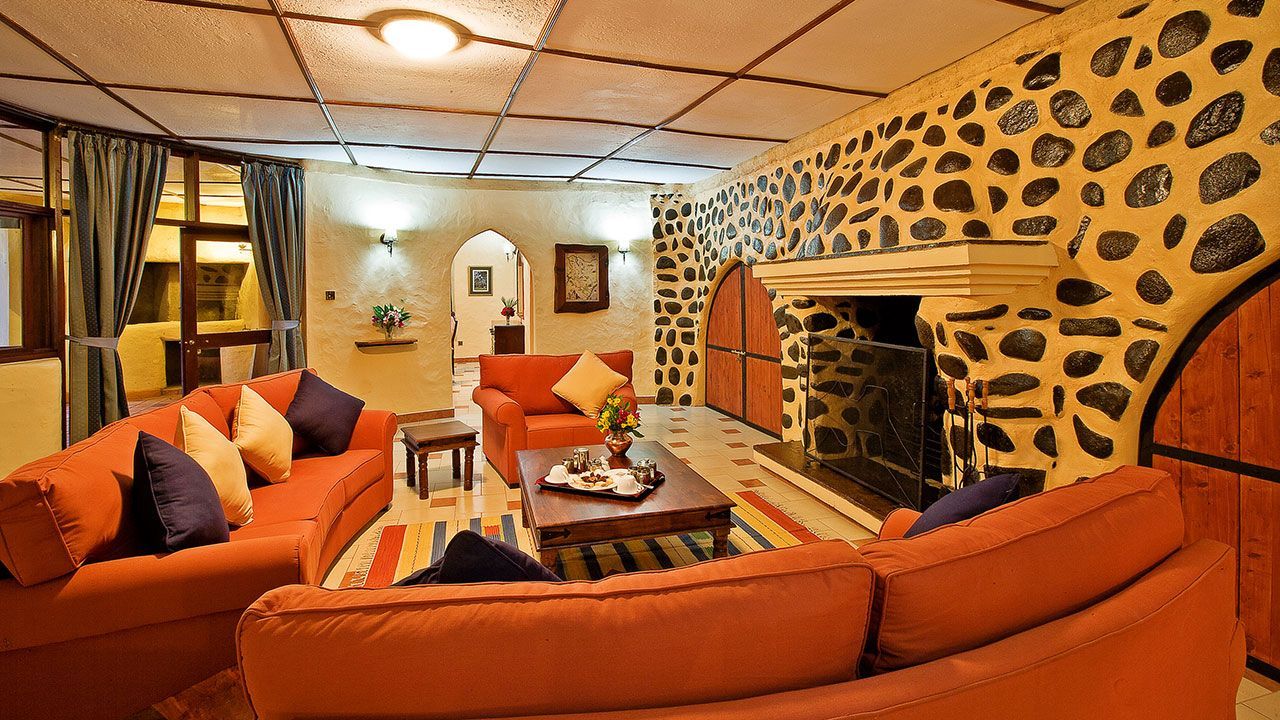
Amboseli Sopa Lodge
Just outside Amboseli National Park
Set in 200 acres of private land, and with a rustic charm all of its own, the Amboseli Sopa Lodge nestles in the foothills of Mount Kilimanjaro
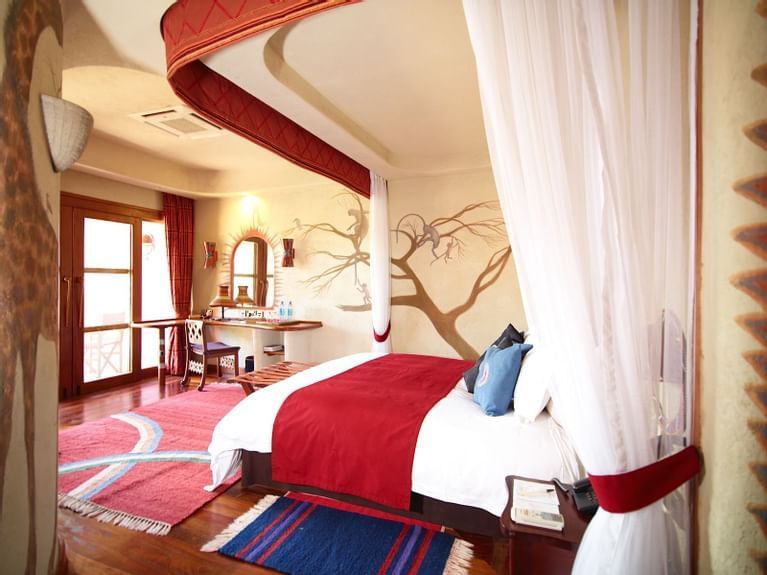
Amboseli Serena Safari Lodge
Amboseli National Park
The Amboseli Serena Safari Lodge is located within the Amboseli National Park and has great views over the plains towards Mount Kilimanjaro.
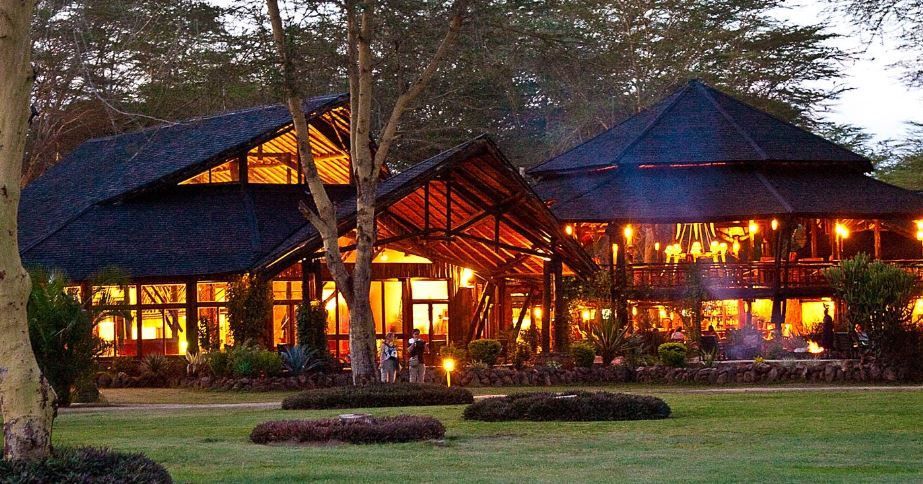
Ol Tukai Lodge
Amboseli National Park
Ol Tukai Lodges features 80 luxury chalet-style twin rooms, all with an uninterrupted view of the wetlands or the magnificent Mt. Kilimanjaro.
We have access to a wide range of handpicked accommodation options — from rustic eco-camps and authentic bush lodges to stylish tented retreats with breathtaking views. If you don’t see the exact lodge or camp you’re looking for, just let us know — we can arrange a variety of stays to suit different tastes, travel styles, and budgets.
Average Weather and Climate in Kgalagadi
The climate in Kgalagadi is extreme but captivating.
Dry Winter (May–September): Days are pleasantly warm (20–25°C), but nights drop sharply, often close to freezing. The aridity strips the bush bare, concentrating wildlife along riverbeds and pans. The crisp air and soft winter light make for exceptional predator viewing and photography.
Hot Summer (October–April): Daytime temperatures can soar beyond 40°C, but short afternoon thunderstorms bring relief and revive the desert. The rains transform the dunes, covering them in grasses and wildflowers, and draw large antelope herds and migratory birds. Nights remain mild, offering more comfort for evening activities.
Unique Climate Features: As a semi-desert, the park is defined by extremes. Dust storms sweep across the landscape in summer, while frosty mornings in winter make a steaming cup of coffee around the fire unforgettable. The clear desert air provides some of Africa’s best star-gazing.
Safari Atmosphere: The weather shapes the experience — whether it’s the drama of predators hunting in a parched riverbed or the surprise of flamingos wading in a rain-fed pan. Each season offers something extraordinary, ensuring year-round appeal for adventurous travellers.
Combine with Other Destinations
Kgalagadi pairs beautifully with South Africa’s Northern Cape attractions, such as Augrabies Falls, where the Orange River thunders through a granite gorge.
The contrast between desert silence and rushing waterfalls is striking.
It also combines well with Botswana’s safari circuit. Travellers often extend into the Central Kalahari Game Reserve or Makgadikgadi Pans, experiencing the diversity of Botswana’s wilderness.
For those heading south, Cape Town offers a vibrant coastal finale after the stark beauty of the desert.
Whether you’re seeking contrast or continuity, Kgalagadi is both a destination in itself and a gateway to broader southern African adventures.
Talk to us about creating a custom itinerary that brings together desert, delta, and coastline.
Travelling from the UK to Kgalagadi
Reaching Kgalagadi from the UK requires a sense of adventure but is straightforward with Awake in the Wild’s planning. Direct flights connect London to Johannesburg (approx. 11 hours) and Cape Town (approx. 11½ hours).
From Johannesburg, it’s a domestic flight to Upington (around 1½ hours), followed by a 3–4 hour road transfer to the park gates. Alternatively, self-drive routes allow travellers to combine the park with other Northern Cape highlights, making the journey part of the adventure.
UK passport holders do not require a visa for stays in South Africa or Botswana of up to 90 days. Passports should be valid for six months beyond travel with two blank pages. Malaria precautions are not required, though we recommend up-to-date routine vaccinations. Awake in the Wild provides tailored health and travel guidance for every booking.
With all flights, transfers, and lodges arranged seamlessly, you can focus on the anticipation of arriving in one of Africa’s last great wildernesses.
Discover the Wild, Your Way: Tailor Your Kgalagadi Safari with Us
Kgalagadi is a place of silence and spectacle — where lions roar across red dunes, cheetahs chase springbok in open riverbeds, and stars blaze brighter than almost anywhere else on earth. It is a safari that strips back the noise and reconnects you with wilderness at its rawest.
Talk to us about the experiences you’ve always dreamed of. We’ll match you with handpicked lodges, expert local guides, and authentic adventures that bring Kgalagadi Transfrontier Park to life.
Speak to one of our safari specialists today — call us or fill out our quick enquiry form, and let’s start planning your tailor-made adventure.
Send an Enquiry
We will get back to you as soon as possible.
Please try again later.
Frequently Asked Questions
What is the best time of year to visit Kgalagadi?
The dry winter months (May–September) are best for predator sightings and comfortable game drives, while the summer rains (October–April) bring dramatic skies, migratory birds, and antelope herds with newborns. Each season offers something special.
Is Kgalagadi suitable for first-time safari travellers?
Yes, though it’s more remote and adventurous than mainstream parks. The semi-desert setting provides a unique introduction to African wildlife and landscapes, especially for those seeking fewer crowds and a wilder atmosphere.
What wildlife can I expect to see?
Kgalagadi is famous for its black-maned lions and excellent cheetah sightings. You’ll also encounter leopard, brown hyena, jackal, gemsbok, springbok, red hartebeest, wildebeest, and over 200 bird species, including raptors and migratory flocks.
How accessible is the park?
Visitors usually fly from Johannesburg to Upington, then transfer by road (3–4 hours) to the park. Self-drive is also popular, but roads are sandy and best for 4x4 vehicles. Awake in the Wild arranges transfers for stress-free access.
Can I combine a visit here with other destinations?
Absolutely. Many travellers link Kgalagadi with Augrabies Falls, the Central Kalahari Game Reserve, or even Cape Town. It’s also an excellent stop for longer southern Africa circuits.
Is the park family-friendly?
Yes, though its remoteness means longer transfers. Families who enjoy adventure will love it, and children can experience unique wildlife encounters without malaria risk. Some lodges and camps cater specifically to families with tailored activities.
Is it safe to travel in Kgalagadi?
Yes. Safaris are conducted by professional guides who follow strict safety protocols. The remoteness adds to the wilderness feel, but lodges and camps are secure, ensuring peace of mind.
What types of accommodation are available?
Choices range from eco-luxury lodges with private plunge pools, to classic tented camps, boutique bush retreats, and rustic wilderness camps. Options suit all styles, from indulgence to off-the-grid simplicity.
What should I pack for a Kgalagadi safari?
Pack light, breathable clothing for hot days, warm layers for chilly mornings and nights, sturdy walking shoes, a hat, sunscreen, and binoculars. Photographers should bring plenty of memory cards and protective gear for cameras due to dust.
Do UK travellers need a visa for Kgalagadi?
No visa is required for UK passport holders visiting South Africa or Botswana for up to 90 days. Passports should be valid for at least six months and include two blank pages. Awake in the Wild provides full pre-departure guidance.