Nouabalé-Ndoki National Park Safaris
Forest elephants, wild chimpanzee calls, and ancient bais — uncover the untamed spirit of Nouabalé-Ndoki.
Best Time To Go
December to February and June to September (dry seasons)
High Season
July to August
Size
Approx 4,092 square kilometres
Altitude
350 – 600 metres
above sea level
Nouabalé-Ndoki National Park Safari Holidays
Into the Congo’s Last Great Wilderness
Deep in the northern Republic of Congo, Nouabalé-Ndoki National Park is one of Earth’s last untouched rainforests. Known as the “Last Eden,” it is a sanctuary where gorillas, elephants, and chimpanzees still roam in pristine ecosystems largely unchanged by humans.
For travellers seeking an authentic, off-the-beaten-track safari filled with mystery and discovery, Nouabalé-Ndoki is a destination like no other.
Why Visit Nouabalé-Ndoki National Park?
Nouabalé-Ndoki is part of the larger Sangha Trinational UNESCO World Heritage Site, linking seamlessly with Dzanga-Sangha in the Central African Republic and Lobéké in Cameroon. This transboundary park protects one of the most biodiverse corners of the Congo Basin — a living treasure trove of flora and fauna.
The park’s signature landscapes are its forest clearings, or bais. These mineral-rich swamps attract a daily procession of wildlife: forest elephants digging for minerals, herds of forest buffalo, and vibrant birdlife filling the canopy with colour and song. Mbeli Bai, the most famous of all, is one of the best places on Earth to observe western lowland gorillas in the wild.
Unlike the open savannahs of East Africa, Nouabalé-Ndoki is defined by its intimacy. Wildlife encounters here are hard-won, unfolding on foot, by boat, or from raised viewing platforms. The slower pace and rawness of the experience set it apart — there are no safari convoys or crowded lodges, only the whisper of the forest and the thrill of discovery.
A visit to Nouabalé-Ndoki offers more than a safari; it’s an immersion into one of the planet’s most ancient ecosystems. This is a place where nature dominates, conservation efforts thrive, and every day offers the chance to witness something extraordinary.
Wildlife and Nature
Stepping into Nouabalé-Ndoki is like stepping back in time. Towering mahoganies and strangler figs loom overhead, vines twist across forest paths, and the air is thick with the scent of damp earth and orchids. The soundtrack is a symphony: the haunting whoops of chimpanzees, the deep rumble of gorillas, and the crash of elephants breaking through undergrowth.
The park is home to one of the world’s largest populations of western lowland gorillas. Mbeli Bai is particularly famous for its gorilla viewing, where researchers and visitors observe family groups emerging from the treeline to feed, play, and socialise. The spectacle of a silverback beating his chest across the swamp remains one of Africa’s most powerful wildlife experiences.
Forest elephants are another highlight. Smaller than their savannah relatives, they are often seen wading through bais in family groups, their tusks gleaming as they dig for minerals. Forest buffalo, bongo antelope, sitatunga, and giant forest hogs are regular visitors too, each drawn to the mineral-rich soils.
Birdlife is dazzling, with more than 300 recorded species. Great blue turacos flash electric blue, hornbills trumpet through the canopy, and flocks of African grey parrots descend in noisy clouds. Seasonal highlights include migratory species between November and March, swelling the park’s already rich avian diversity.
Conservation here is pioneering. The Wildlife Conservation Society (WCS) works closely with park authorities to protect gorillas and elephants, combat poaching, and support eco-tourism. By visiting, guests directly contribute to one of the most ambitious rainforest conservation projects in Africa.
What sets Nouabalé-Ndoki apart is its sheer authenticity. Here, wildlife encounters are not staged or predictable — they are raw, spontaneous, and deeply moving. Every moment feels like a privilege, a reminder that this rainforest is one of the last truly wild places on Earth.
Best Time to Visit Nouabalé-Ndoki
The park has two main dry seasons: December to February and June to September. These are the most popular times to visit, as rainfall is lower, humidity drops slightly, and trails are easier to navigate.
Gorilla and elephant sightings are excellent, and bais like Mbeli offer clear views as wildlife congregates at mineral licks.
Photography conditions are superb, with soft golden light filtering through the canopy.
The wet seasons arrive from March to May and October to November. Heavy showers transform the park into a lush paradise, intensifying greenery and swelling rivers.
Though trekking is muddier and more demanding, this is a magical time for birders, as migratory species join resident populations.
The forest also feels particularly alive, with fruiting trees attracting more primates.
Special highlights include gorilla family gatherings around fruiting cycles and the dramatic parrot congregations that take place in certain bais during wetter months.
These spectacles offer incredible photographic opportunities, especially in the early morning mist.
For practical travellers, waterproof boots, rain gear, and humidity protection for electronics are essential.
Even in the dry seasons, the equatorial climate means hot days (27–30°C) and cool, damp nights (18–20°C).
Crowd levels remain low year-round, so even in peak season, you’ll often feel as if you have the park to yourself.
Safari Experiences in Nouabalé-Ndoki
Nouabalé-Ndoki offers a safari unlike any other — immersive, adventurous, and deeply rewarding. Experiences here bring you face-to-face with rare wildlife, introduce you to rich cultures, and allow you to see the rainforest from every angle.
- Gorilla Watching at Mbeli Bai: Sit on a raised platform overlooking the bai and watch gorilla families emerge from the forest. Playful juveniles tumble through the swamp, silverbacks patrol their groups, and mothers nurse young. It’s an intimate spectacle that few travellers ever witness.
- Chimpanzee Tracking in Mondika: Follow skilled trackers into Mondika, one of the most renowned research sites for chimpanzees. Listening to their calls echo through the forest before catching sight of them in the canopy is a thrilling, humbling experience.
- Elephant Encounters in Dzanga Bai: Though just across the border in neighbouring CAR, Dzanga Bai is often combined with Nouabalé-Ndoki. Here, dozens of forest elephants gather at once — a breathtaking sight that underscores the transboundary magic of the Sangha Trinational.
- Birding Safaris in the Rainforest: With hundreds of species, the park is a birder’s paradise. Spot great blue turacos, Congo serpent eagles, and flocks of African greys. Every turn of the forest path brings colour and song.
- Cultural Encounters with the Ba’Aka People: Engage with the Ba’Aka, an indigenous community with deep knowledge of the forest. Join foraging walks, learn traditional music and storytelling, and gain insights into a way of life that has coexisted with the rainforest for centuries.
- River Journeys on the Sangha: Travel by boat along the Sangha River, which threads through the tri-national park system. Crocodiles bask on sandbanks, colourful bee-eaters flash above, and the scenery unfolds at a meditative pace.
Where to Stay in Nouabalé-Ndoki
Nouabalé-Ndoki National Park offers a wide range of accommodation options to suit different preferences and budgets, all set within or just outside the park boundaries. These typically include:
- Eco-Luxury Lodges: Sustainably built lodges on the park’s fringes offer spacious suites, elevated decks, and gourmet dining. These provide comfort without compromising the wild setting, often run in partnership with conservation organisations.
- Tented Camps: Simple yet atmospheric, tented safari camps bring guests close to nature. Falling asleep to the sounds of elephants in the bai or frogs calling in the night is part of the experience.
- Boutique Bush Retreats: Small and characterful properties with personalised hosting and eco-friendly credentials. These retreats are ideal for those who value intimacy and connection with local culture.
- Research-Linked Stays: Some camps are tied to conservation and research projects, offering guests the chance to interact with scientists and learn more about the park’s pioneering efforts.
At Awake in the Wild, we work only with lodges and camps that meet our ethical and sustainability standards. Whether you’re looking for solar-powered luxury or a simple campfire safari experience, we’ll match you to the perfect base. If you don’t see the exact lodge or camp you’re looking for, just let us know — we’re able to arrange a variety of stays to suit different tastes, travel styles, and budgets.
A Selection of our Nouabalé-Ndoki Safari Accommodation
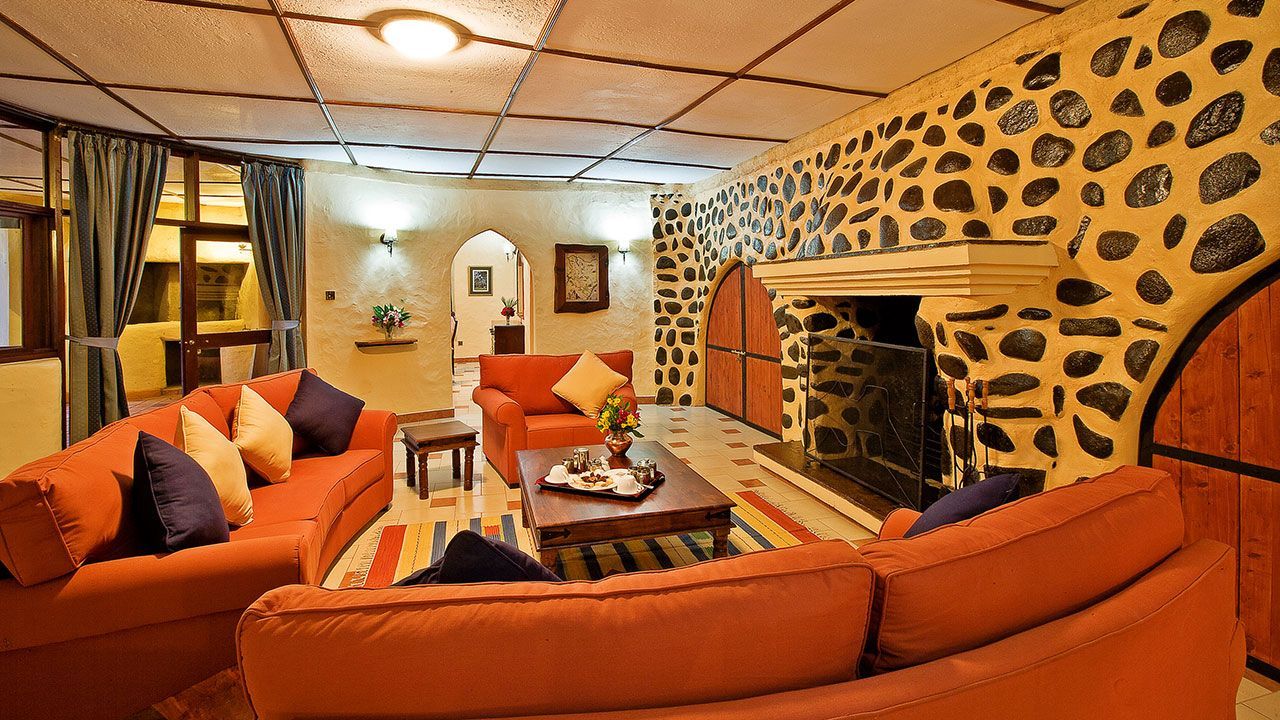
Amboseli Sopa Lodge
Just outside Amboseli National Park
Set in 200 acres of private land, and with a rustic charm all of its own, the Amboseli Sopa Lodge nestles in the foothills of Mount Kilimanjaro
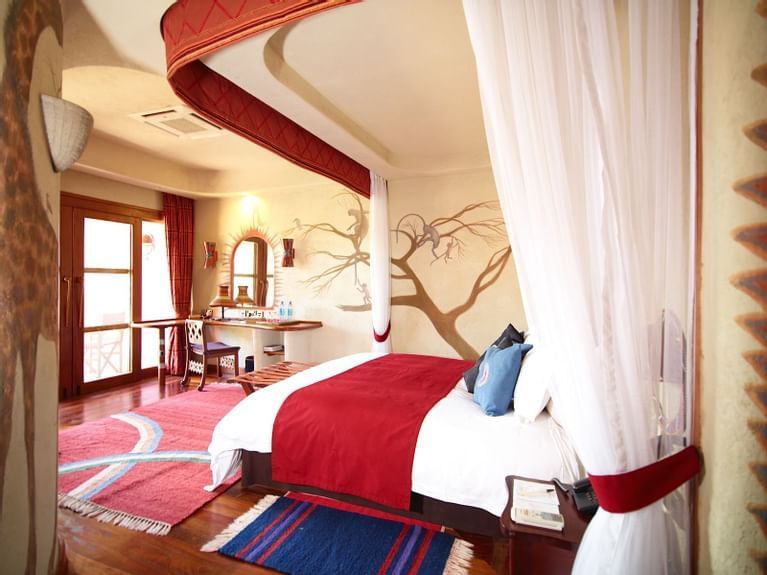
Amboseli Serena Safari Lodge
Amboseli National Park
The Amboseli Serena Safari Lodge is located within the Amboseli National Park and has great views over the plains towards Mount Kilimanjaro.
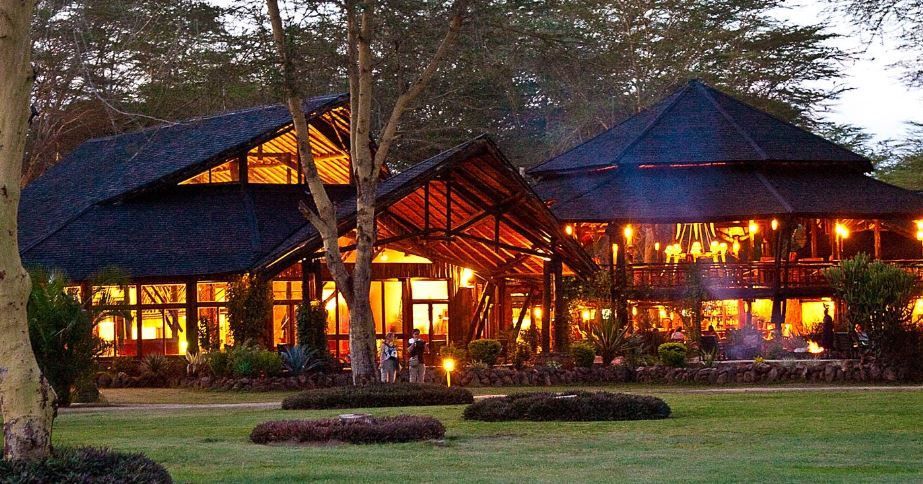
Ol Tukai Lodge
Amboseli National Park
Ol Tukai Lodges features 80 luxury chalet-style twin rooms, all with an uninterrupted view of the wetlands or the magnificent Mt. Kilimanjaro.
We have access to a wide range of handpicked accommodation options — from rustic eco-camps and authentic bush lodges to stylish tented retreats with breathtaking views. If you don’t see the exact lodge or camp you’re looking for, just let us know — we can arrange a variety of stays to suit different tastes, travel styles, and budgets.
Average Weather and Climate in Nouabalé-Ndoki
The climate is equatorial, hot and humid throughout the year, with two dry and two wet seasons.
During the dry seasons (December–February and June–September), daytime highs average 27–30°C. Trails are drier, making gorilla and chimpanzee treks easier, and bais become magnets for elephants and buffalo. Nights dip to 18–20°C, offering some respite from the humidity.
The wet seasons (March–May and October–November) bring frequent tropical downpours. The forest becomes lush and green, rivers rise, and wildlife disperses slightly, though birdlife flourishes. For adventurous travellers and photographers, this is a magical time to visit, with mist-wreathed mornings and dramatic storm skies.
Unique to Nouabalé-Ndoki is its consistently high humidity, which gives the forest its vibrant, dense feel but requires travellers to prepare carefully. Protective gear for electronics, quick-dry clothing, and sturdy boots are essential.
Each season transforms the experience — dry months offer accessibility and concentrated wildlife, while wet months heighten the rainforest’s drama and intensity. Whichever you choose, the rewards are immense.
Combine with Other Destinations
Nouabalé-Ndoki is perfectly positioned for combination safaris. Its UNESCO designation as part of the Sangha Trinational means seamless extensions into Dzanga-Sangha (CAR) and Lobéké (Cameroon).
Together, these three parks form one of the most extraordinary wildlife regions in Africa.
Travellers can also extend to Odzala-Kokoua National Park in Congo, famed for gorilla trekking and bai experiences, or even link onwards to Gabon’s Loango National Park, where rainforest meets ocean.
With access via Brazzaville and Bangui, Nouabalé-Ndoki can also be the starting point for broader journeys that blend Congo Basin exploration with East or Southern Africa’s classic safaris.
Talk to us about designing your bespoke itinerary.
Travelling from the UK to Nouabalé-Ndoki
There are no direct flights from London to the Republic of Congo or Central African Republic. Travellers typically fly via Paris, Addis Ababa, Nairobi, or Casablanca, with total journey times of 11–14 hours to Brazzaville or Bangui.
From these hubs, light aircraft flights or river transfers take guests into the Sangha region, where Nouabalé-Ndoki is located. These transfers are part of the adventure, offering sweeping views of the rainforest and glimpses of life along the Sangha River.
UK passport holders require a visa for entry to both Congo and CAR, arranged in advance. Passports should be valid for at least six months beyond entry. Malaria prophylaxis and routine vaccinations are recommended. Awake in the Wild provides up-to-date advice and handles all travel arrangements.
From international flights to the final steps into camp, we ensure every part of the journey is safe, seamless, and unforgettable.
Discover the Wild, Your Way: Tailor Your Nouabalé-Ndoki Safari with Us
Nouabalé-Ndoki is one of the last places on Earth where gorillas, elephants, and chimpanzees roam in truly wild rainforest. Watching them in this untouched setting is more than a safari — it is a privilege, a reminder of nature’s resilience and wonder.
Talk to us about the experiences you’ve always dreamed of. We’ll match you with handpicked lodges, expert local guides, and authentic adventures that bring Nouabalé-Ndoki National Park to life.
Speak to one of our safari specialists today — call us or fill out our quick enquiry form, and let’s start planning your tailor-made adventure.
Send an Enquiry
We will get back to you as soon as possible.
Please try again later.
Frequently Asked Questions
Why is Nouabalé-Ndoki called the “Last Eden”?
The park is one of the last intact lowland rainforests in the world, almost untouched by logging or human settlement. Its pristine ecosystems host gorillas, chimpanzees, elephants, and rare antelope, making it a true wildlife sanctuary.
What wildlife can I expect to see in the park?
Nouabalé-Ndoki is famous for western lowland gorillas, forest elephants, and chimpanzees. You may also encounter forest buffalo, sitatunga, giant forest hogs, bongo antelope, and over 300 species of birds, from hornbills to turacos.
What is Mbeli Bai, and why is it special?
Mbeli Bai is the park’s most iconic swamp clearing. It attracts gorillas, elephants, buffalo, and birds daily, offering unrivalled viewing opportunities from raised observation platforms. Researchers and visitors alike consider it one of the best places on Earth to watch gorillas in the wild.
When is the best time to visit Nouabalé-Ndoki?
The dry seasons, December–February and June–September, are the most comfortable for trekking and offer excellent wildlife viewing. The wet seasons (March–May and October–November) are more challenging but reward travellers with lush scenery, vibrant birdlife, and dramatic atmosphere.
Is Nouabalé-Ndoki suitable for first-time safari travellers?
Yes — but it is more adventurous than traditional safaris. Expect humidity, muddy treks, and fewer creature comforts. It’s best for travellers seeking a raw, immersive experience rather than a conventional game drive safari.
How do I get there from the UK?
Flights from London connect via Paris, Addis Ababa, or Nairobi to Brazzaville (Congo) or Bangui (CAR). From there, light aircraft flights or river transfers take you into the Sangha region.
What accommodation options are available in the park?
Lodges, tented camps, boutique retreats, and research-linked stays are available. Some camps are tied to conservation projects, offering a chance to meet scientists and learn about gorilla research first-hand.
Do UK travellers need a visa to visit?
Yes, visas are required for both Congo and the Central African Republic. Passports must be valid for at least six months beyond entry. Awake in the Wild provides full support with entry requirements.
What should I pack for a safari here?
Essentials include waterproof boots, lightweight clothing, a rain jacket, insect repellent, and binoculars. Cameras should have protective covers against humidity and rain. We provide tailored packing advice for each season.
How does visiting help conservation?
Tourism supports the Wildlife Conservation Society’s (WCS) work in protecting gorillas, elephants, and forest ecosystems. By visiting, you directly fund conservation and support local communities, ensuring this “Last Eden” remains protected.