North Luangwa National Park Safaris
Remote wilderness, walking safaris, and Africa’s last untouched rhino sanctuary.
Best Time To Go
June to October
(Dry Season)
High Season
July to October
Size
Approx 4,636 square kilometres
Altitude
500–1,200 metres
above sea level
North Luangwa National Park Safari Holidays
Where Wilderness Remains Untamed and Unforgettable
North Luangwa National Park is one of Africa’s wildest and most exclusive safari destinations, renowned for its walking safaris and sense of remoteness. With restricted access, limited camps, and strict conservation practices, this is a park for true safari purists.
Here, the thrill lies not just in what you see, but in the raw, unfiltered experience of the wild.
Why Visit North Luangwa National Park?
Located in Zambia’s north-east, North Luangwa is the lesser-known sibling of the famous South Luangwa. But while its southern counterpart attracts more visitors, North Luangwa offers something even rarer — solitude and exclusivity in one of Africa’s most intact ecosystems.
The park’s scenery is dramatic and varied. The Mwaleshi River winds through its heart, flanked by grassy floodplains and shady forests. To the west, the Muchinga Escarpment rises in a wall of rugged beauty, while mopane woodland stretches across much of the park, alive with wildlife.
Unlike most safari parks, North Luangwa is centred around walking safaris. Vehicle access is restricted, ensuring that exploration is intimate and immersive. Walking through the wilderness with expert guides brings an unparalleled connection to the land, offering an adventure that’s both exhilarating and deeply personal.
Conservation lies at the heart of North Luangwa’s identity. It is one of the few places in Zambia where black rhinos roam free, reintroduced through intensive efforts by the Frankfurt Zoological Society. The result is a park that combines conservation success with raw safari authenticity.
Wildlife and Nature
The landscapes of North Luangwa are vast, untamed, and alive with drama. Picture yourself wading through tall golden grasses, listening to the distant roar of lions echoing across the floodplain. The air is heavy with the scent of wild basil, and the silence is broken only by the cry of a fish eagle or the splash of a hippo in the Mwaleshi River.
Wildlife here is both diverse and thrilling. Elephants move in family herds through the mopane, while massive buffalo herds dominate the floodplains. Predators thrive — lions are abundant, and leopards are often seen in riverine thickets. Packs of African wild dogs roam the park, offering rare and electrifying encounters. And, most uniquely, the park protects Zambia’s only free-ranging population of black rhinos.
The birdlife is exceptional, with over 400 species recorded. Carmine bee-eaters, martial eagles, and crowned cranes are just some of the highlights, while the Mwaleshi River attracts flocks of waterbirds during the dry months.
Seasonality shapes the experience. In the dry season, wildlife concentrates around rivers and lagoons, making sightings more reliable and dramatic. In the wet months, the park becomes lush and green, a sanctuary for birds and newborn animals — though accessibility is limited.
North Luangwa’s exclusivity means wildlife encounters feel deeply personal. With so few visitors, it’s not uncommon to watch a pride of lions or a herd of elephants without another soul in sight. It’s this sense of raw wilderness that sets North Luangwa apart — a place where nature remains unspoilt, and safaris are truly wild.
Best Time to Visit North Luangwa
The dry season (June to October) is the best time to visit North Luangwa. Days are warm (25–30°C), nights cool, and vegetation thins, concentrating wildlife along the Mwaleshi River and lagoons.
This is prime time for walking safaris, with excellent chances to see elephants, buffalo herds, lions, and even rhinos.
The green season (November to May) transforms the park into a lush, vibrant wilderness. Heavy rains flood the rivers, turning the landscape into a mosaic of wetlands, grasslands, and woodlands. Birdlife flourishes, and animals give birth in abundance, though most camps close due to inaccessibility.
Special highlights include the black rhino, best seen in the dry months, and large herds of buffalo which dominate the plains.
Walking safaris are particularly rewarding at this time, offering up-close encounters with both wildlife and the landscape itself.
For photographers, early mornings and late afternoons provide golden light across the plains, perfect for dramatic wildlife shots.
In the green season, moody skies and lush colours create atmospheric images that capture the park’s seasonal contrasts.
Practical insight: access is limited in the wet season, and the park is best suited to adventurous travellers comfortable with rustic camps and remote settings.
For those who value privacy and wild authenticity, the dry months are ideal.
Safari Experiences in North Luangwa National Park
North Luangwa offers a safari experience unlike any other — raw, unfiltered, and deeply connected to the wilderness. With walking safaris at its core, every activity immerses you in the park’s wild heart.
- Walking Safaris Along the Mwaleshi: Step into the wild with armed guides leading you across floodplains, woodlands, and riverbanks. Every footprint, sound, and scent takes on meaning, creating an unforgettable sensory adventure.
- Tracking Black Rhinos: Join conservation-led treks to view North Luangwa’s most prized residents — the reintroduced black rhinos. Seeing these rare creatures in their natural habitat is a once-in-a-lifetime privilege.
- Buffalo Herd Encounters: Experience the drama of North Luangwa’s massive buffalo herds, sometimes numbering in their thousands. Watching lions circle these giants on foot is one of Africa’s most thrilling safari moments.
- Predator Action in the Wilderness: Lions dominate the floodplains, while leopards and wild dogs provide equally electrifying sightings. With so few visitors, predator encounters are often private, creating an atmosphere of raw intensity.
- Birdwatching Along the Mwaleshi River: The Mwaleshi is alive with waterbirds, from storks and spoonbills to bee-eaters nesting in the banks. Birding here is a feast of colour and sound, especially during the green season.
- Cultural Connections with Local Communities: Learn about the work of the Frankfurt Zoological Society and meet local communities engaged in protecting this wilderness. These experiences highlight the vital link between conservation and culture.
Where to Stay in North Luangwa National Park
North Luangwa National Park offers a wide range of accommodation options to suit different preferences and budgets, all set within or just outside the park boundaries. These typically include:
- Eco-Luxury Lodges: Set in remote riverine locations, these lodges combine comfort with sustainability. Expect spacious chalets, solar power, and river views, paired with excellent guiding and conservation ethics.
- Tented Camps: Classic under-canvas safaris put you close to the wild, with ensuite tents, open-air dining, and campfires under the stars. Many camps are seasonal, opening only in the dry months.
- Boutique Bush Retreats: Small, characterful camps focus on intimacy and personal hosting, offering a slower pace and authentic connection with the wilderness.
- Mobile Fly-Camps: For adventurous travellers, mobile fly-camps provide the chance to sleep out under the stars, following game movements and maximising your time in the bush.
At Awake in the Wild, we work only with lodges and camps that meet our ethical and sustainability standards. Whether you’re looking for solar-powered luxury or a simple campfire safari experience, we’ll match you to the perfect base. If you don’t see the exact lodge or camp you’re looking for, just let us know — we’re able to arrange a variety of stays to suit different tastes, travel styles, and budgets.
A Selection of our North Luangwa Safari Accommodation
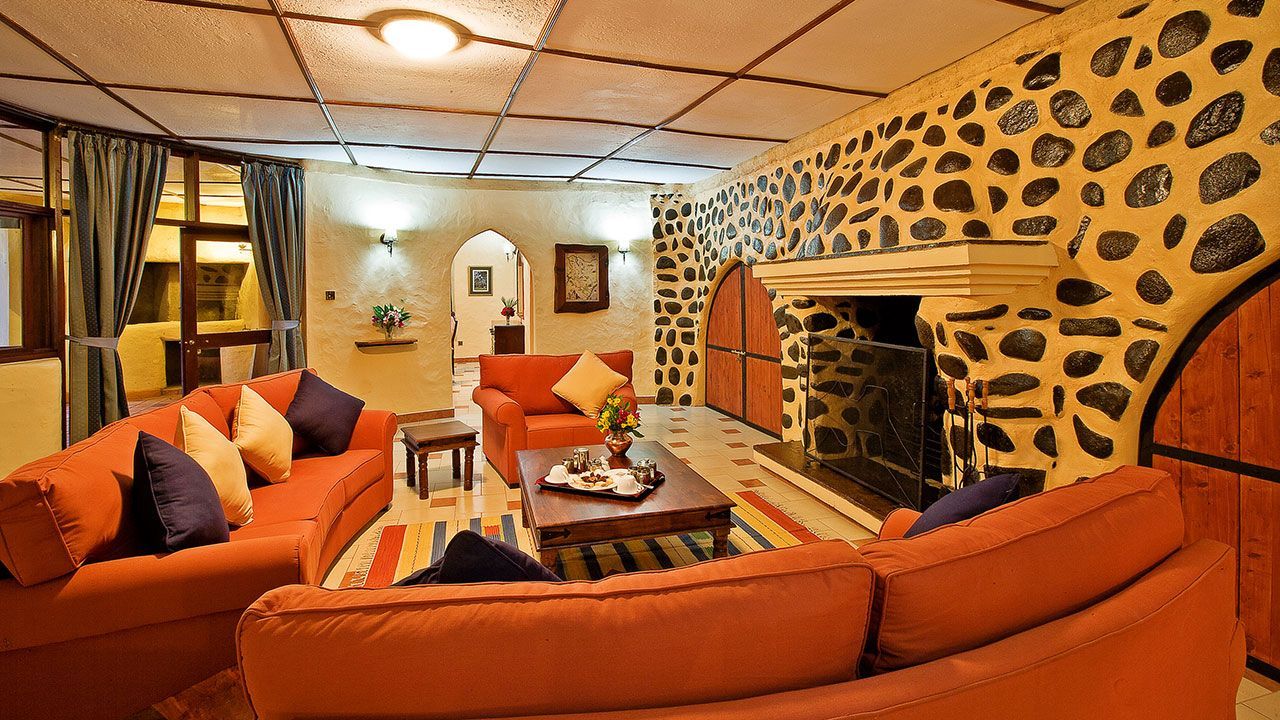
Amboseli Sopa Lodge
Just outside Amboseli National Park
Set in 200 acres of private land, and with a rustic charm all of its own, the Amboseli Sopa Lodge nestles in the foothills of Mount Kilimanjaro
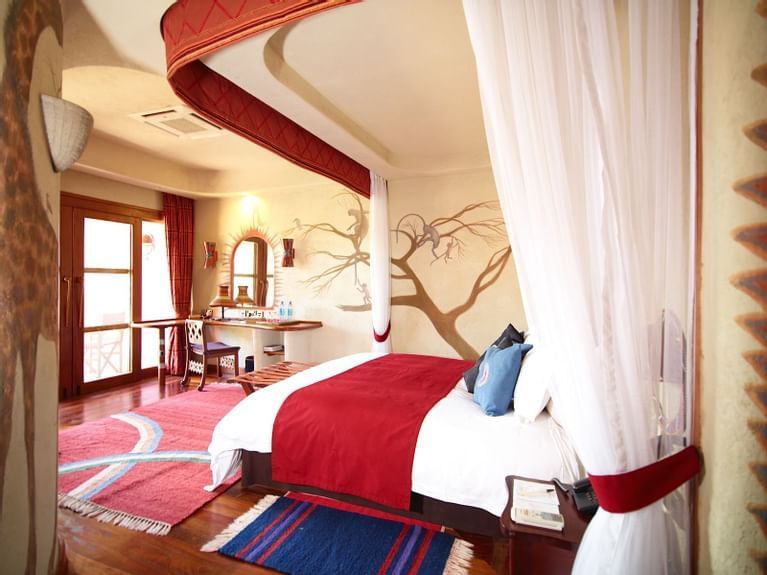
Amboseli Serena Safari Lodge
Amboseli National Park
The Amboseli Serena Safari Lodge is located within the Amboseli National Park and has great views over the plains towards Mount Kilimanjaro.
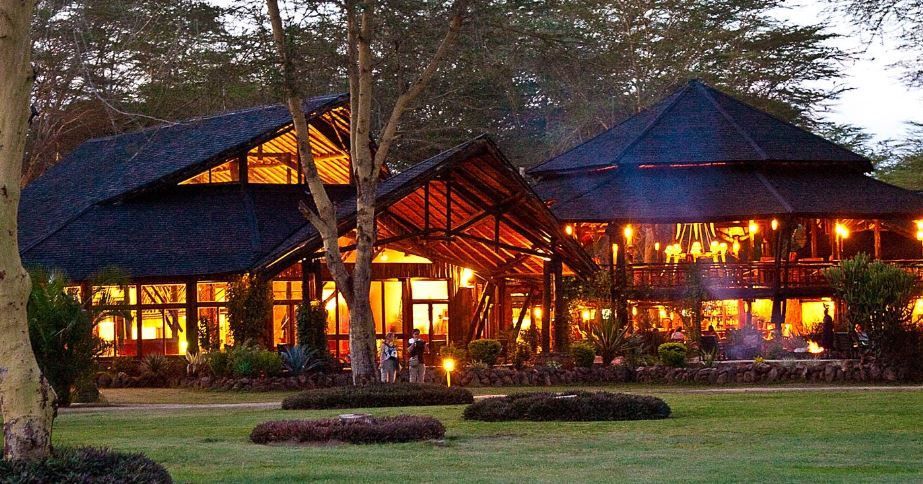
Ol Tukai Lodge
Amboseli National Park
Ol Tukai Lodges features 80 luxury chalet-style twin rooms, all with an uninterrupted view of the wetlands or the magnificent Mt. Kilimanjaro.
We have access to a wide range of handpicked accommodation options — from rustic eco-camps and authentic bush lodges to stylish tented retreats with breathtaking views. If you don’t see the exact lodge or camp you’re looking for, just let us know — we can arrange a variety of stays to suit different tastes, travel styles, and budgets.
Average Weather and Climate in North Luangwa National Park
The climate in North Luangwa is shaped by the Luangwa Valley’s rhythms, bringing dramatic seasonal contrasts.
The dry season (May–October) sees warm days averaging 25–30°C and cool nights around 10–15°C. Wildlife concentrates along rivers and waterholes, and walking conditions are ideal. Clear skies and golden light make this the best season for both comfort and photography.
The wet season (November–April) transforms the park into a green wonderland. Heavy rains swell the rivers, turning plains into wetlands alive with birdlife. Temperatures rise to 28–32°C during the day, with humid afternoons and dramatic thunderstorms.
Unique to North Luangwa is its remoteness — access is largely restricted to dry months, ensuring exclusivity. The seasonal flooding enhances the park’s role as a breeding ground for birds and antelope.
Seasonal changes in scenery are dramatic — from dusty, golden plains in October to lush, emerald wilderness in January. Each season shapes not only the landscapes but also the safari experience.
Year-round, North Luangwa offers authenticity. Whether you crave predator action, rhino tracking, or simply the silence of the wild, the park delivers an adventure rooted in Africa’s natural rhythms.
Combine with Other Destinations
North Luangwa combines seamlessly with South Luangwa National Park, creating a journey that balances exclusivity with variety.
South Luangwa offers more camps and vehicle-based safaris, while North provides intimacy and walking experiences.
Travellers often pair North Luangwa with Lower Zambezi National Park, contrasting the river-based activities of the Zambezi with the wilderness walks of North Luangwa. For dramatic scenery, adding Victoria Falls creates a spectacular finale.
With good connections via Lusaka, North Luangwa can also be combined with other Southern African highlights, such as Botswana’s Okavango Delta.
Speak to us about creating a tailor-made itinerary that captures Zambia’s wildest experiences.
Travelling from the UK to North Luangwa
There are no direct flights from the UK to Zambia, but connections via Johannesburg, Dubai, Doha, or Addis Ababa provide easy routes to Lusaka. Flight times from London average 13–15 hours including a stopover.
From Lusaka, light aircraft flights connect travellers to airstrips near North Luangwa, usually via Mfuwe. Flights take around 2–3 hours, followed by scenic transfers into the park. Road access is possible but lengthy and best suited for adventurous travellers.
UK passport holders require a visa for Zambia, which can be obtained online or on arrival. Passports must be valid for at least six months beyond entry. Malaria precautions are advised, and Awake in the Wild provides up-to-date travel health guidance during trip planning.
We handle every step of the journey — from international flights to lodge transfers — so you can simply focus on the adventure ahead.
Discover the Wild, Your Way: Tailor Your North Luangwa Safari with Us
North Luangwa is a park of raw drama and rare privilege — a place where black rhinos roam, lions roar across silent floodplains, and every step on foot feels like a return to Africa’s wildest roots. Its remoteness, exclusivity, and conservation success make it a safari unlike any other.
Talk to us about the experiences you’ve always dreamed of. We’ll match you with handpicked lodges, expert local guides, and authentic adventures that bring North Luangwa National Park to life.
Speak to one of our safari specialists today — call us or fill out our quick enquiry form, and let’s start planning your tailor-made adventure.
Send an Enquiry
We will get back to you as soon as possible.
Please try again later.
Frequently Asked Questions
What is the best time to visit North Luangwa National Park?
The best time to visit is during the dry season, from June to October. This is when wildlife congregates around rivers and lagoons, walking safaris are at their best, and black rhino sightings are most likely.
Is North Luangwa suitable for first-time safari travellers?
North Luangwa is best for adventurous travellers or those who’ve experienced safaris before. Its remote setting, focus on walking safaris, and limited lodges make it less suited to first-time visitors seeking comfort — but ideal for purists looking for authenticity.
What wildlife can I expect to see in North Luangwa?
The park is home to elephants, buffalo herds, lions, leopards, wild dogs, and Zambia’s only free-ranging black rhinos. Large herds of antelope roam the plains, and birdlife is prolific, with crowned cranes, carmine bee-eaters, and fish eagles among the highlights.
How accessible is North Luangwa National Park?
Access is usually via Mfuwe or Lusaka, followed by a light aircraft flight and transfer into the park. Road access is possible but long and challenging, adding to the park’s remoteness. Its exclusivity comes partly from this difficulty of access.
Can North Luangwa be combined with other safari destinations?
Yes. North Luangwa combines naturally with South Luangwa for a complete valley experience, or with Lower Zambezi for contrast between walking safaris and water-based activities. It can also be paired with Victoria Falls for a spectacular finale.
Is North Luangwa family-friendly?
Some lodges accept families, but the park’s emphasis on walking safaris makes it better suited for older children and teenagers. It is not generally recommended for very young children due to the remote setting and activity style.
How safe is it to travel to North Luangwa National Park?
Yes — with experienced guides and strict safety protocols, safaris here are safe. Walking safaris are always led by armed rangers and expert trackers, and Awake in the Wild ensures all arrangements prioritise guest safety.
What types of accommodation are available in North Luangwa?
Accommodation ranges from eco-luxury lodges to seasonal tented camps, boutique retreats, and adventurous mobile fly-camps. Choices are limited, which adds to the park’s exclusivity, but each option is designed to enhance the wilderness experience.
How do I get around within the park?
Walking safaris are the primary activity, with some limited game drives in support. Transfers between camps are typically by 4x4 or light aircraft, depending on your itinerary. The emphasis is always on immersion rather than speed.
Do UK travellers need a visa for Zambia?
es, UK passport holders require a visa for Zambia, which can be obtained online via the e-Visa system or upon arrival. Passports must be valid for at least six months after entry. Malaria precautions and recommended vaccinations are advised.